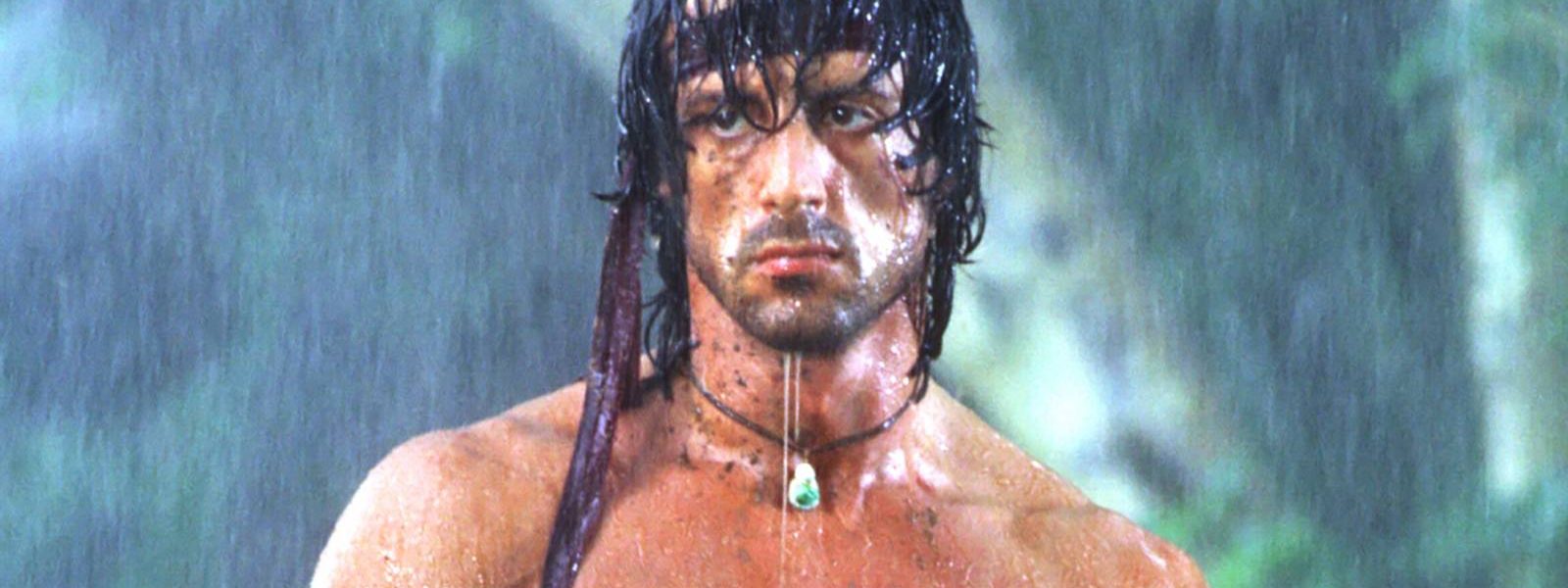
In 1982, First Blood was released, marking the beginning of an action movie series that defies traditional categorization as an action film. While it does contain action, it leans more towards a drama/thriller, depicting the story of a Vietnam War veteran named John Rambo (Sylvester Stallone) who clashes with police in a small town. This conflict escalates into a manhunt, forcing him to utilize his survival skills and combat knowledge from the Vietnam War against those pursuing him.
This narrative reflects the Vietnam War, with the police symbolizing the U.S. Army and Rambo embodying a one-man army akin to the Viet Cong, employing guerrilla warfare tactics in the wilderness. Thus, First Blood offers more depth and thought-provoking themes than your typical action movie. However, the sequels shift towards heavier action while simplifying the plot considerably. They may disappoint those seeking the complexity of First Blood, but as quintessentially excessive action films of the 1980s, they do have their highlights. The first three Rambo films are currently available for free on the streaming service Pluto TV.
What Happens in the ‘Rambo’ Series?
To begin with, First Blood presents a straightforward and self-contained story. In contrast, while Rocky, another iconic franchise of Stallone’s, also features a clear narrative arc, Rocky Balboa’s boxing career is just beginning at that film’s conclusion, leaving room for rematches and new opponents. The somewhat awkwardly titled Rambo: First Blood Part II picks up three years after First Blood, with Rambo imprisoned and offered a pardon in exchange for participating in a mission to confirm the existence of missing prisoners of war in Vietnam. This mission is not intended for their rescue, but Rambo defies orders to do just that.
In Rambo: First Blood Part II, Rambo evolves into a true one-man army, engaging in active combat that results in a significantly higher body count. Following this, Rambo III (dropping “First Blood” from the title) becomes even more mindless; Rambo’s mission involves rescuing his former mentor, Col. Trautman (Richard Crenna), during the Soviet–Afghan War, which leads him to assist Afghan rebels against Soviet forces. This film seems to prioritize gunfights, explosions, and destruction over narrative coherence, yet despite its flaws, it certainly delivers on action.
How Things Changed From Movie to Movie
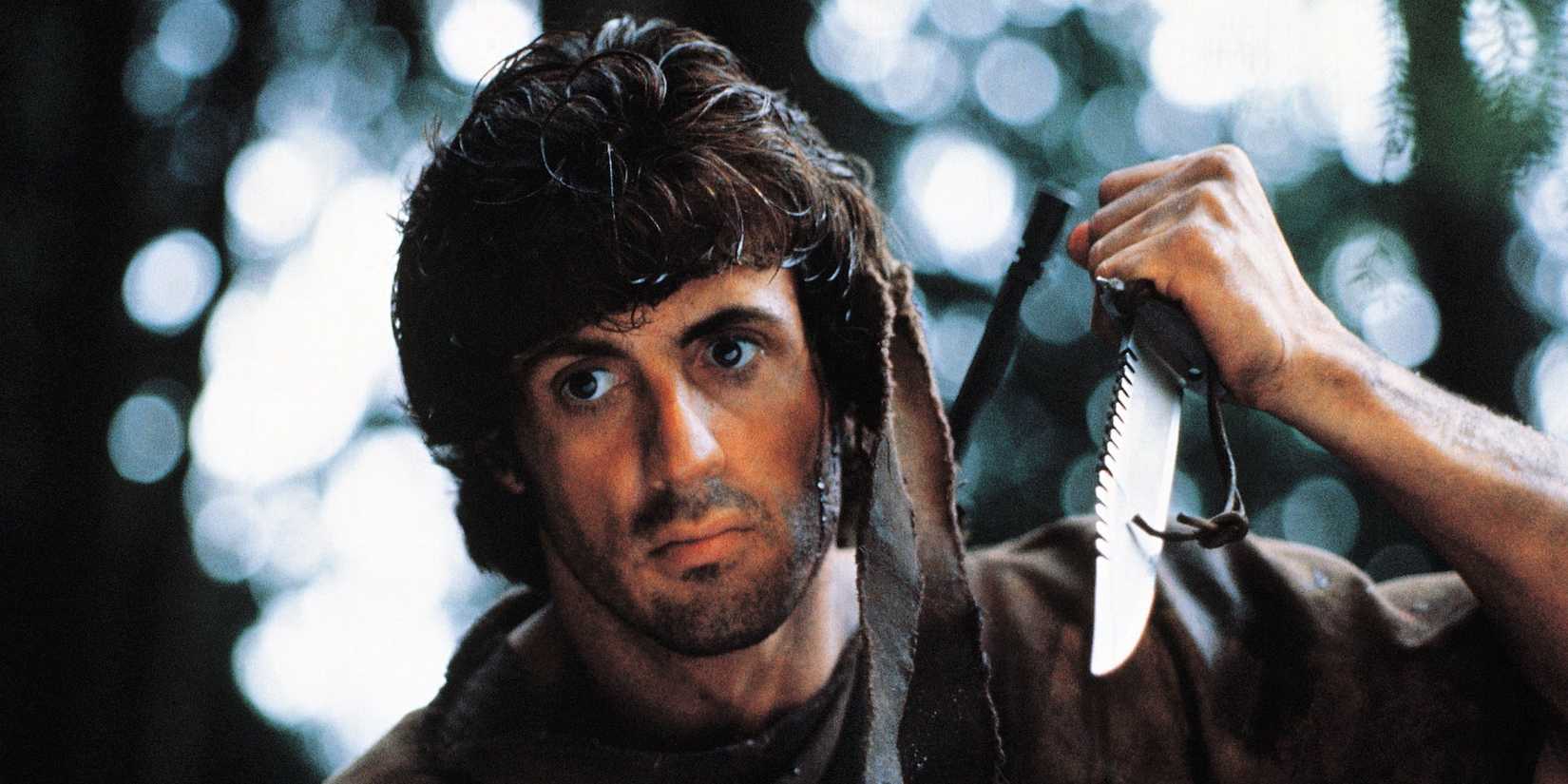
If you enjoy observing and analyzing the evolution of a series over time within a short span of hours or days, then the First Blood/Rambo series may satisfy that curiosity. While it may not be as thrilling or perplexing as binge-watching the Saw series—where writers attempt (and often fail) to outdo previous installments—it does present a clear progression from grounded character exploration to over-the-top ’80s spectacle within just three films. There’s much to discuss regarding why this transformation occurred and whether it should have happened at all, but ultimately it did occur.
First Blood is definitely worth watching regardless of how much you usually enjoy action or war movies because it’s genuinely well-made. The following two films may also appeal if you appreciate action schlock.
It’s also convenient that all these films are available on the same streaming platform. While there are additional Rambo movies released after the 1980s, this original trilogy is what you can find on Pluto TV. First Blood is definitely worth watching regardless of how much you usually like action or war movies, as it stands out as a genuinely good film. The next two films may also be enjoyable if you appreciate action schlock or have a fondness for Sylvester Stallone… but if you fall into that latter category, you’ve likely seen those campy movies before. Perhaps it’s time for a rewatch? It’s an intriguing trio of films to binge-watch due to how they shift in tone and genre.
How the Series Continued in the 21st Century

Two decades after Rambo III, a fourth installment titled simply Rambo was released in 2008. This film is arguably the best entry in the series aside from First Blood, skillfully blending excessive elements like its predecessors with grounded themes reminiscent of the first film. It presents an intense and distressing narrative that aligns thematically with First Blood, while also delivering bombastic action and violence—albeit gruesome—distinguishing it from the mindless action seen in later sequels like Rambo: First Blood Part II and throughout most of Rambo III. A fifth movie titled Rambo: Last Blood, released in 2019, followed suit but did not achieve the same acclaim or popularity as its predecessor.
This latest installment included “Last Blood” in its title but another prequel is reportedly in development. This suggests that despite its ups and downs, the series has left a legacy worth exploring. If you’re interested in experiencing how Rambo‘s journey unfolds in the 21st century, you’ll need to look beyond Pluto TV (both films are available for streaming on Amazon Prime). Ultimately, this is what defines Rambo: trauma, internal conflict, mumbling dialogue, and explosive action sequences—this is what viewers can expect when watching these films.
The first three Rambo movies can be streamed for free on Pluto.
…
…
…
…
…
…
…
…
…
…
…

[nospin]Here you can find the original article with proper attribution.[nospin]