


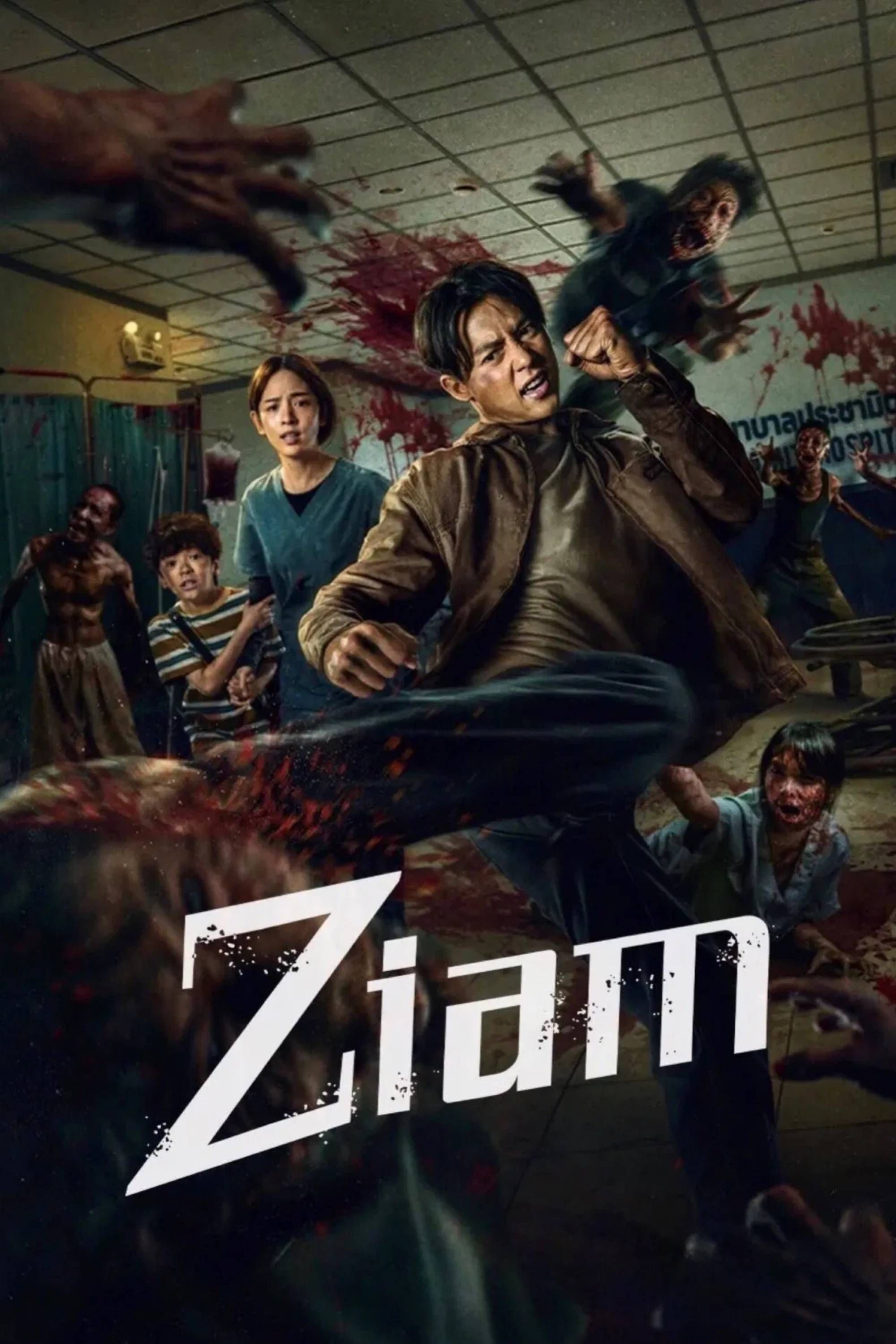
Ziam, a thrilling new addition to the one-man-army genre on Netflix, would likely be more exhilarating when experienced in a theater setting. Nevertheless, this original yet familiar approach to the zombie narrative still delivers an impactful experience from the comfort of your home. With an abundance of blood, gore, and intense action, Ziam boldly embraces the well-known tropes of the genre, leaving no doubt about its intentions. The inclusion of Muay Thai fighting style seamlessly complements the post-apocalyptic atmosphere, showcasing a clear reverence for its genre predecessors.
Directed by Kulp Kaljareuk, Ziam draws inspiration from a variety of sources, including films that have highlighted Muay Thai, such as the Ong-Bak series, and the plethora of zombie films currently dominating the cinematic landscape. The film’s straightforward premise and gradually escalating stakes allow Ziam to effectively establish its world and the emotional connections that anchor the narrative in reality. However, it quickly becomes apparent that the primary focus of Ziam is to engage viewers with its action sequences, which, while enjoyable, may not redefine the genre.
Engaging Action in Ziam, Yet Lacking Depth in Narrative
Emotional Appeals in the Movie Seek to Enhance the Story, Yet They Occasionally Fall Short
Ziam stars Mark Prin Suparat and Nychaa Nuttanicha in the roles of Singh and Rin, a couple desperately trying to preserve their lives amidst society’s collapse. Singh’s background as a Muay Thai fighter is vividly showcased in an engaging opening fight scene, effectively highlighting his formidable strength and skill. His primary objective throughout the film is to rescue Rin after the hospital where she works becomes the epicenter of a zombie outbreak, the origins of which are shrouded in mystery.
As is common in many post-apocalyptic narratives, the real antagonist lies within the greed of those in power. However, Ziam treats this theme as a secondary aspect, rather than a focal point of the story. The presence of a totalitarian regime and wealthy moguls who have monopolized survival is subtly suggested as contributing factors to the outbreak and the grim quality of life. Nevertheless, Ziam does not delve deeply into these issues; they serve merely as background elements. While it may have been too ambitious to create a purely moralistic tale, a more thorough exploration of these themes could have significantly enriched the film.
Moreover, while Singh is portrayed as strong, agile, and devoted to Rin, his character lacks depth. Singh serves primarily as a generic hero who battles foes and earns some audience sympathy by showing compassion, such as when he refuses to abandon a child in danger. In contrast, Rin emerges as a more compelling character, as her survival poses genuine stakes. In contrast, there’s little suspense surrounding Singh’s fate; it is clear that he will continue fighting zombies until he achieves his goal, offering a sense of comfort as the body count escalates.
Ziam nearly ventures into innovative territory, yet consistently retreats to safer, more familiar ground.
While I would typically overlook Ziam‘s thin plot, I had hoped for more exhilarating action from the film. If it had been a straightforward thrill ride, I could accept the nonsensical elements of the fish-borne zombie virus, which serves as a convenient plot device. However, the film’s tendency to slow down for emotional moments highlights its shortcomings. Ziam almost touches on fresh ideas but consistently returns to safer, well-trodden paths.
Although the narrative follows a predictable formula, I wished for more electrifying fight sequences. Suparat performs well with the fight choreography, and when he faces another human instead of a zombie, the excitement increases. While the zombies are designed to be frightening, they struggle to rise above the monotony that audiences have come to expect from flesh-eating creatures. It is unfortunate that zombies have become so commonplace, but Ziam needed to provide Singh with more formidable opponents to truly showcase his skills.
Creative Use of Setting and Resources in Ziam
The Constrained Setting and Elevated Stakes Maintain Interest in Ziam
Ziam contains a wealth of intriguing concepts, and it is evident that Kaljareuk invested significant effort into crafting a compelling scale and stakes for the film within its constraints. Primarily set within the confines of the central hospital, Ziam creatively utilizes the setting and props, maximizing their potential. Furthermore, the increasing obstacles faced by Singh and Rin in each segment escalate the tension, ensuring that even audiences with short attention spans remain engaged until the very end.
With a runtime of just over an hour and a half, Ziam represents a modest time commitment, making it suitable for casual viewing, especially during the summer months when audiences seek thrilling escapism. Although Ziam may not elicit tears or take your breath away, it does promise several hours of enjoyable, well-executed action; just temper your expectations regarding the storyline.
Ziam will be available for streaming on Netflix starting July 9, 2025.
Ziam

5/10
- Release Date
-
July 9, 2025
- Runtime
-
95 minutes
- Director
-
Kulp Kaljareuk
- Writers
-
Nut Nualpang, Weerasu Worrapot, Vathanyu Ingkawiwat
-

-
Nuttanicha Dungwattanawanich
Rin
- Exciting action scenes and gory fight sequences provide entertainment value.
- Innovative zombie designs enhance the horror element, and Ziam creatively utilizes its unique setting.
- The action sequences lacked the intensity necessary to compensate for the thin plot.
- The exploration of deeper themes and character development felt underwhelming.