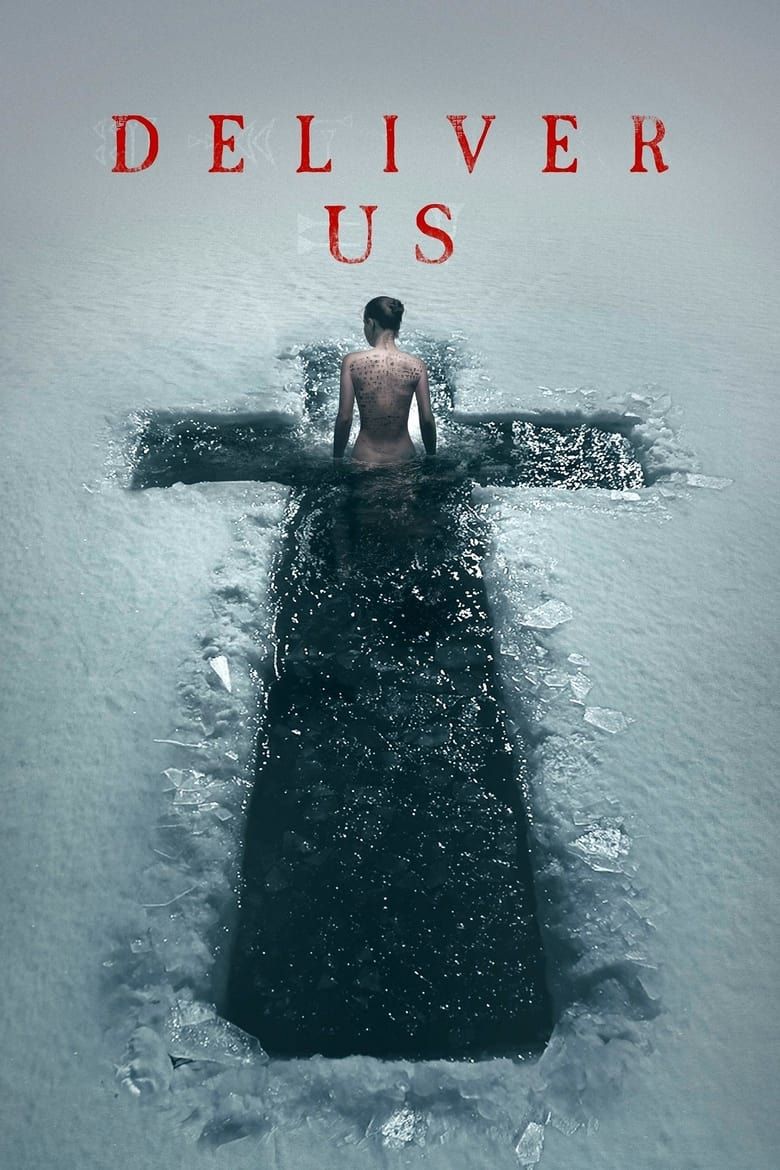
The 90s and early 2000s showcased an array of captivating religious horror films, but contemporary entries in this subgenre often seem to fall into familiar patterns, focusing primarily on themes like demonic pregnancies, exorcisms, and malevolent nuns. In those earlier years, religious horror movies often felt more like thrillers, frequently featuring Satanic cults pursuing vulnerable pregnant women, as seen in films such as End of Days and Bless the Child. In some instances, Satan himself played a role, typically offering enticing yet dubious bargains, often portrayed by actors like Al Pacino. While the execution of these genre blends was hit or miss, a recent film, Deliver Us, might just have the potential to rekindle interest in the more suspenseful aspects of religious horror.
This film leverages numerous familiar tropes, portraying a nun who becomes pregnant with both the next Messiah and his Antichrist twin. Although there is a cult component, the nun is not malevolent, and her delivery occurs swiftly. The majority of the film revolves around the mounting tension as a cultist pursues her, believing that he must prevent the impending apocalypse. This intense chase-thriller unfolds against the backdrop of the stark yet beautiful Russian countryside, setting it apart from recent entries in the religious horror genre.
‘Deliver Us’ Emphasizes Gruesome Horror Over Supernatural Frights
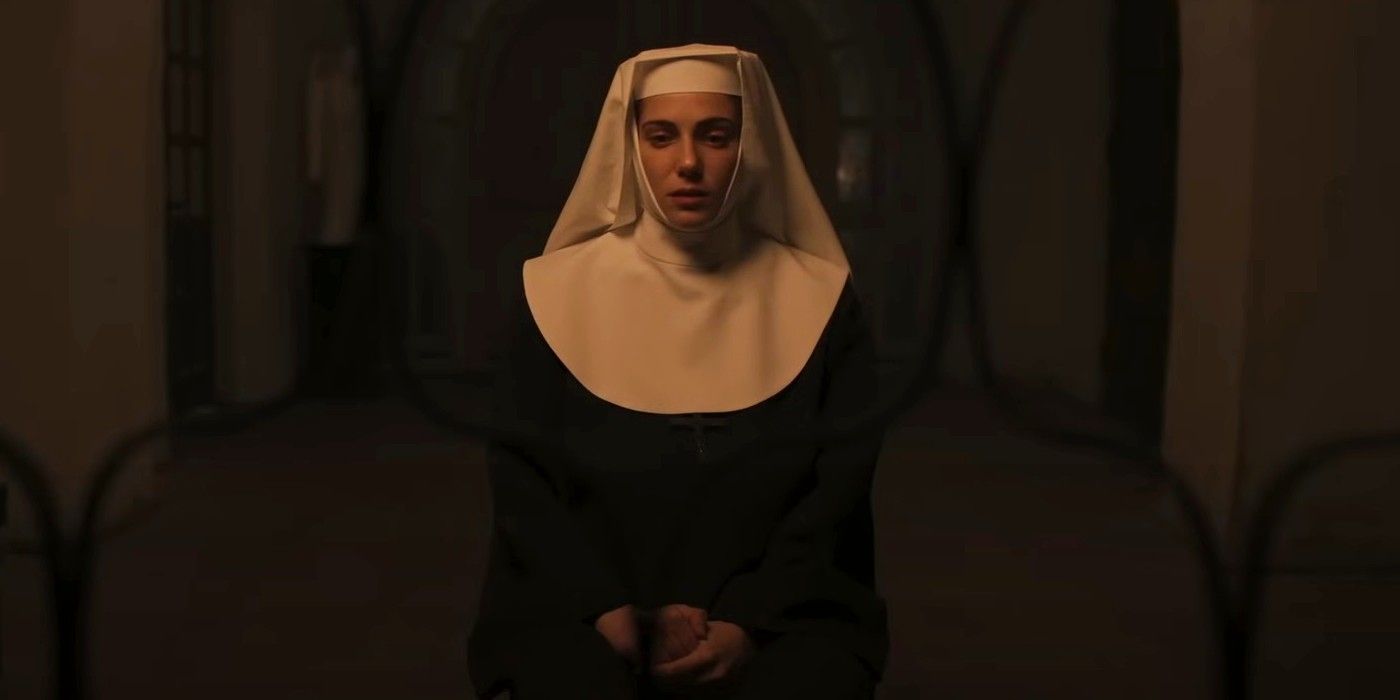
When a film opens with not just a series of murders but also includes the graphic imagery of skin being peeled from the victims’ backs, it’s clear that a thrillingly gruesome experience awaits viewers. The victims bear large tattoos predicting the arrival of a woman destined to give birth to both the Messiah and the Antichrist as twins. Sister Yulia (Maria Vera Ratti) soon finds herself in this prophetic role and seeks assistance from Father Fox (co-writer and director Lee Roy Kunz), who is contemplating leaving the priesthood to embark on a family life. The conception of the twins is depicted as “immaculate,” yet it is also sudden, painful, and terrifying. However, this isn’t merely a slow-paced horror film focused on the anxieties of pregnancy; Yulia’s delivery occurs relatively quickly, though Deliver Us ensures to intersperse several unsettling scenes, including the twins writhing inside her womb, before she gives birth.
The actual birth scene, while not overtly horrific, is fraught with tension as Yulia must deliver her children aboard a moving train, all while being pursued by the last surviving cult member, who is part of an obscure Christian sect rather than the typical Satanist or pagan figures often portrayed in religious horror. Even with less emphasis on traditional horror visuals—there are no backward crawling demons, no grotesque demon babies, and no exorcisms gone awry—Deliver Us is filled with unsettling imagery and significant violence. The antagonist, Father Saul (Thomas Kretschmann), relentlessly hunts Yulia, Father Fox, and another priest, Cardinal Russo (Alexander Siddig), across the bleak winter landscape of Russia, showing no hesitation in eliminating anyone who obstructs his path. As the opening sequence illustrates, he employs brutal methods, even leaving some of his victims gruesomely mutilated.
Exploring Complex Morality: Good and Evil in ‘Deliver Us’
Father Saul’s brutal demeanor during his relentless search for Yulia and her children anchors the horror in Deliver Us. The film includes surreal dreams filled with disturbing visuals, and one scene may prove particularly upsetting for viewers sensitive to depictions of infants in peril. While moments of horror are punctuated by flashes of eerie children, the predominant bloodshed and death are not supernatural in nature; it is merely a scarred, menacing figure leaving a bloody path across Russia as he hunts Yulia’s group. The film expertly maintains suspense by oscillating between Yulia and her companions nurturing her children in a peaceful, secluded refuge and the unyielding pursuit of the priest, who remains unbeknownst to them.
Intriguingly, since Father Saul is not a follower of Satan, his character introduces a compelling moral dilemma. This ethical quandary could resonate with fans of The Fantastic Four: First Steps: is it justifiable to sacrifice one child to save all of humanity? Father Saul does not harbor ill will toward Yulia specifically; he genuinely believes it is his sacred duty to eliminate the Antichrist and avert the apocalypse. Numerous hints suggest that something may be influencing the twins to reinforce this belief, not only in Saul but also in various other characters. The film’s climax centers on this concept of committing an atrocious act for the greater good, and by positioning the antagonist as a devout man of God (rather than as a minion of Satan or a demon), the moral implications of his actions are far more nuanced than typical portrayals, even if his methods are indisputably malevolent.
He serves as a stark contrast to Yulia’s profound faith—believing that nurturing both children aligns with divine will—while Father Fox embodies the conflicted moral center of the narrative. Deliver Us transcends being a mere horror-thriller; it uses its religious themes to pose challenging moral questions. Even in the quieter intervals between the violence and the sinister whispers of the religious horror elements, a lingering sense of dread and tension persists, inviting the audience to ponder the right course of action alongside the characters portrayed on screen.