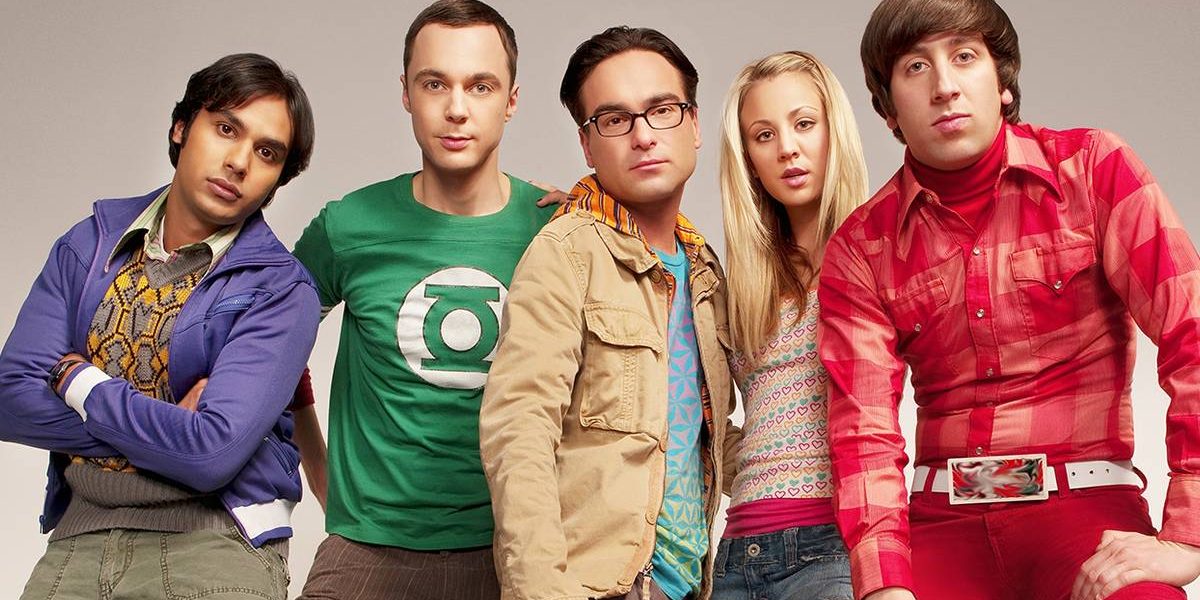
The Big Bang Theory is fundamentally about relationships. The references to geek culture, cameos, and scientific jargon serve as entertaining embellishments. From the outset, the series explores relationships: the interactions among the core four; Howard’s (Simon Helberg) objectification of women; Raj’s (Kunal Nayyar) struggle to engage with women due to his shyness; Leonard’s (Johnny Galecki) unreciprocated affection for his neighbor, Penny (Kaley Cuoco); and Penny’s friendship with Leonard; as well as Sheldon’s (Jim Parsons) attachment to his spot.
As time passes, these relationships and characters evolve, welcoming new additions like Bernadette (Melissa Rauch) and Amy Farrah-Fowler (Mayim Bialik), culminating in marriages (except for poor Raj). However, the series’ most compelling and peculiar relationship is between two characters that have no romantic involvement: the unique bond between Penny and Sheldon.
Polar Opposite Personalities Clash in ‘The Big Bang Theory’
In the pilot of The Big Bang Theory, Penny is introduced as Leonard and Sheldon’s new neighbor, an aspiring actress from Nebraska. Throughout the episode, they are portrayed as polar opposites: Sheldon has quantum mechanics and string theory on his whiteboard, while Penny suggests he is “one of those Beautiful Mind genius types”; when Penny mentions she is a Sagittarius, Sheldon claims she is delusional in his typical manner. Their rivalry begins in the next episode, “The Big Bran Hypothesis,” where Sheldon sneaks into Penny’s apartment at night to clean it, inciting her anger. This perfectly illustrates their contrasting personalities: Penny is free-spirited, emotional, and carefree, while Sheldon is obsessive-compulsive, logical, and strict.
Their equally strong-willed natures lead to some of the funniest episodes in the early seasons. In “The Peanut Reaction,” Penny blackmails Sheldon into helping her organize a birthday party for Leonard by threatening to destroy his mint comic book collection. Sheldon’s ban on Penny entering their apartment escalates into a battle between street smarts and book smarts, with Penny exploiting Sheldon’s meticulous scheduling by monopolizing all the laundry equipment on “laundry day,” while Sheldon uses his intellect to hang her laundry on telephone wires in “The Panty Piñata Polarization.” In “The Terminator Decoupling,” Penny forces Sheldon to share personal details about himself before she will return the flash drive he left at home (the sheer hopelessness and frustration on Sheldon’s face is priceless).
Penny and Sheldon Form a Familial Bond in ‘The Big Bang Theory’
A different dynamic emerges between them in Season 1’s “The Pancake Batter Anomaly.” In this episode, a common cold renders Sheldon incapacitated, and Penny reluctantly cares for him. They rely on each other: Sheldon needs assistance when he cannot function, while Penny has a strong desire to help others. Her singing of “Soft Kitty” to him for the first time in this episode carries significant meaning and humor.
The episode that solidifies their deepening relationship is undoubtedly “The Bath Item Gift Hypothesis,” where Penny presents Sheldon with the perfect Christmas gift: a dirty napkin signed by Leonard Nimoy. It cost her nothing; she was under no obligation to give it; and most importantly, Sheldon had expressed that he did not want a gift since it would create an obligation for him to reciprocate based on her gift and their perceived friendship level. However, Penny understood how much it would mean to Sheldon to receive it, which turned out to be far more significant than she expected. No one else ever considered doing something meaningful for Sheldon because they believed he would not appreciate it. Penny’s disregard for conventional wisdom unlocked genuine emotion – along with a plethora of bath products – in Sheldon, establishing a new standard for their relationship moving forward.

One of ‘The Big Bang Theory’s Best Characters Only Appeared in 11 Episodes
“Holy Moly!”
Sheldon continued to support Penny in practical ways – such as taking her to the hospital after she dislocated her shoulder in the bathtub or lending her money for rent – and serves as her primary source of encouragement when she decides to quit her job to pursue acting. Conversely, Penny supports Sheldon emotionally by helping him manage anxiety from overstimulation in “The Celebration Experimentation,” acting as a “Sheldon-whisperer” who earns trust from him that even Amy does not have. Together they become a powerful team, as seen in “The Scavenger Vortex“, where their unique strengths lead them to success in Raj’s scavenger hunt. The finale of Young Sheldon revealed that even years later, they remain integral parts of each other’s lives. Penny and Sheldon’s relationship transcends friendship without veering into romance, evolving into something deeper: an unbreakable familial bond that stands out as the best in The Big Bang Theory‘s history.