One of the greatest rock bands of all time, The Doors took the world by storm in 1967 and have flourished in the cultural zeitgeist ever since. The six albums they released before frontman Jim Morrison‘s tragic death helped define the psychedelic era in a way that still endures in the American consciousness. The band’s unique music resonates with people to this day, whether they grew up with The Doors or were born in the 21st century. Morrison is the most famous name, but the other three members of the band were brilliant, too: keyboardist Ray Manzarek (rest in peace), guitarist Robby Krieger, and drummer John Densmore.
Operating primarily in blues and psychedelic rock, the band’s range is one of their most fascinating qualities. They could do something as structurally straightforward as “Love Her Madly,” yet other simple songs nonetheless are given a strange mood or feeling (e.g., the carnivalesque “Alabama Song,” or the a cappella “My Wild Love”). Songs like “Roadhouse Blues” and “Back Door Man” are very blues-rock oriented, while “The End” and “Light My Fire” are considered watershed moments in psychedelic rock. Always experimenting with lyrics and sound, The Doors released so many memorable tracks that it’s difficult to pin down their best. They’re not necessarily all their most famous works, nor are they all the band’s most complex. It’s a matter of taste in the end, but the songs below arguably showcase how The Doors could open our minds to the emotional and structural possibilities that music has to offer.
10
“You’re Lost Little Girl”
Strange Days (1967)
“You’re Lost Little Girl” is an entrancing piece that feels like it can go in any direction. It starts in a sort of haze; we only hear the bass’ descending pattern for the first few seconds, which is soon accompanied by Krieger’s moody riff in the minor key. It already feels like we’re lost, so Morrison’s first words (“You’re lost little girl”) fit almost too well with the mood the band has established. The soft percussion taps along.
The sections that follow are more up-tempo and less dark, but they keep an intriguing quality to the sound that sustains this sense of ambiguity throughout the song. Morrison’s voice has never sounded more hypnotic here, while this song also features one of Krieger’s best solos. The band packs a lot into three minutes, and it feels like they could have easily extended the song for more. Alas, we only have the three.
9
“People Are Strange”
Strange Days (1967)
The Doors have several long, meandering masterpieces. But they also have a bunch of smaller ditties that get stuck in your head and should not be ignored. “People Are Strange” ranks among the best of them. It’s cool to have Morrison singing along to just the guitar in the beginning, and it’s cool how the song includes several moments when the whole band stops.
It’s fun, and it maintains the kind of strange atmosphere that helps it fit together with the rest of Strange Days. Also consider the lyrics, as the narrator talks about feeling isolated from everyone and how “streets are uneven when you’re down.” Focusing less on loneliness and more on looking at the world in an unfamiliar and discomforting way, “People Are Strange” is a perfect example of when pop music and psychedelia combine.
8
“Break on Through (To the Other Side)”
The Doors (1967)
The first Doors song was a momentous sign of things to come. “Break on Through (To the Other Side)” has an intriguing, uptempo rhythm and a surprisingly catchy riff that we first hear on the keyboard. It already sounds so 60s, and Robby Krieger’s guitar playing that riff in the background fills things in perfectly. When Morrison starts singing about how the day destroys the night, we know we’re in for some unique lyrics.
Clocking in at less than two and a half minutes, this song has a lot going on in it. They’re able to fit in that impressive keyboard solo, for instance. Then there’s the bridge where Morrison famously sings “She gets!”—which was missing a word for a few decades because the studio didn’t want the band to mention drugs so explicitly. The word “high” was finally restored, and it’s a testament to the song’s strength that both versions somehow feel equally excellent. The band’s mythology shows us they were making controversial moves from the start, and fans wouldn’t have it any other way.
7
“Love Me Two Times”
Strange Days (1967)
The riff in “Love Me Two Times” hooks us in immediately: a bouncy take on the e-major chord that the rest of the band plays along with perfectly. First, the drums come in, then a very bright keyboard arrives. Morrison’s deep voice croons along as well as ever, and his occasional scream breaks up his vocal performance nicely. The keyboard solo is one of the cooler ones in the band’s repertoire, contributing to blues while giving off that semi-psychedelic sound they manage to keep even in tunes like this.
It’s also great when they hit those staccato notes at the end. It almost feels like fans have to guess when it’s going to end—not like they want it to, of course. Along with smaller details like how those trills at different times throughout make it feel fresh every time, “Love Me Two Times” remains a classic to this day.
6
“Light My Fire”
The Doors (1967)
You can recognize it just from that rock organ in the introduction. “Light My Fire” features both one of The Doors’ most famous lines and one of its longest jams. Regarding the former, it’s when Morrison implores a girl, “Come on, baby, light my fire.” As erotic as these lyrics are, Morrison brings his poetic turns of phrase to elevate it into something so iconic that Tom Hanks would eventually sing it in Cast Away.
As good as both verse and chorus are, much of this song is that extended jam in its middle section. With iconic organ and guitar solos, this jam helped establish The Doors among the pioneers of psychedelic rock. From that single snare drum that launches this powerhouse to Morrison singing “trying to set light on fire!” with various nuances at its end, there are details galore in this improvisational epic.
5
“Touch Me”
The Soft Parade (1969)
The opening seconds of “Touch Me” make up one of rock history’s best introductions. The rough sound on guitar works perfectly with staccato execution driving its riff forward. The idea builds as other members join in before breaking off for Jim Morrison’s immortal call: “Come on, come on, come on now touch me, babe!” The verse doesn’t slow anything down; neither does its chorus.
This is definitely one of The Doors’ weirder hits; all string and brass instruments feature prominently throughout this track. They went for an experimental sound on The Soft Parade, which mostly didn’t work out—but this song alone made it totally worth it. The blaring saxophone solo at its end is another unusual but welcome touch that makes this track stand out within their repertoire.
4
“Waiting for the Sun”
Morrison Hotel (1970)
“Waiting for the Sun” has such a mesmerizing opening: shimmering keyboards paired with slide guitar alongside prominent bass lines create an alluring atmosphere. There are also Morrison’s stellar lyrics starting beautifully: “At first flash of Eden, we race down to sea.” That contrast between spacey opening sounds followed by heavier riffs gives verses surreal unpredictability. This heavy section leads into an absolutely sensational bridge where repetition evokes meaning beautifully.
The middle section stands out so much it’s hard to remember what chorus sounds like; fitting seamlessly into transitions leading into both bridge and finale makes it unforgettable overall. It also features one of Morrison’s greatest screams (an “Oh!” around two minutes forty seconds), which is impressive considering his vocal prowess overall.This song creates a brilliantly overwhelming atmosphere.
3
“When the Music’s Over”
Strange Days (1967)
You might mistake opening keyboards for “Soul Kitchen” initially; however after few moments you realize this is entirely different beast altogether! Its introduction is fantastic—Densmore accompanies Manzarek warming up hands before explosive moment where Morrison screams “Yeah!” signals something epic about transpiring ahead—and indeed does not disappoint!
“When Music’s Over” serves as final track within Strange Days, just as “The End” concluded previous album—a second psychedelic goliath focused more towards rocking out than spacing out! It works marvelously throughout—from dissonant guitar solos leading into Morrison discussing humanity’s impact upon Earth culminating towards epic finale.This track offers too much description; just know it’s eleven minutes madness every psychedelic rock fan must experience!
2
“Riders on the Storm”
LA Woman (1971)
The rain begins along with thunder alongside bass-driven drums complemented by soft keyboards setting irresistible mood immediately—this marks beginning “Riders On Storm.” Jim Morrison’s lyrics never sounded better supporting ominous tone presenting cruel potentially meaningless existence (“Into house born… thrown world”). Each chorus followed by solo transports listeners almost feeling another dimension!
This track features guitar solos followed by keyboard solos—but sound keyboards steals show here! Recurring descending notes feel akin raindrops touching face every time they appear; concluding way leaves impression never able shake off—thus ending one greatest rock albums ever created!
1
“The End”
The Doors (1967)
One most iconic picking patterns also weirdest revolves around hammer-on from C-sharp D note; beginning single note D B-string completely immerses us within dark drifting world suspended time itself! Meandering through sections where Morrison announces “This end,” “my only friend,” children waiting summer rain,” “there’s danger edge town”—where are we?
No need worry; let song flow through you making masterpiece easier appreciate—disturbing mysterious enigmatic none these words do justice! Spoken word poetry Sigmund Freud infinitely nuanced improvisation combine creating something feels takes consciousness own! Drugs probably taken during making—but shouldn’t need take any drugs sink patiently paced bizarre epic—that’s power great music capturing inscrutable nature death better anything else!
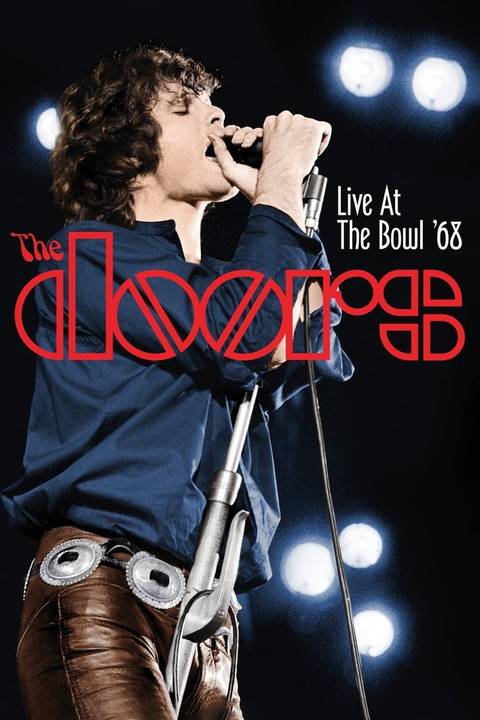
The Doors: Live at Bowl ’68
- Release Date
-
October 22, 2012
- Runtime
-
71 minutes
- Director
-
Ray Manzarek
- Producers
-
Jeff Jampol