The Flood won’t be made by Zach Cregger for Netflix without theatrical release
Key Takeaways
- Zach Cregger’s project: He is currently working on a new Resident Evil movie for Sony.
- The Flood’s status: The film is currently stalled due to Netflix’s refusal to provide a theatrical release.
- Netflix’s approach: They occasionally release films in theaters but maintain a strategy focused on exclusive Netflix releases.
- Theatrical success: Cregger’s previous film, Weapons, was a box office hit, influencing his desire for a theatrical run.
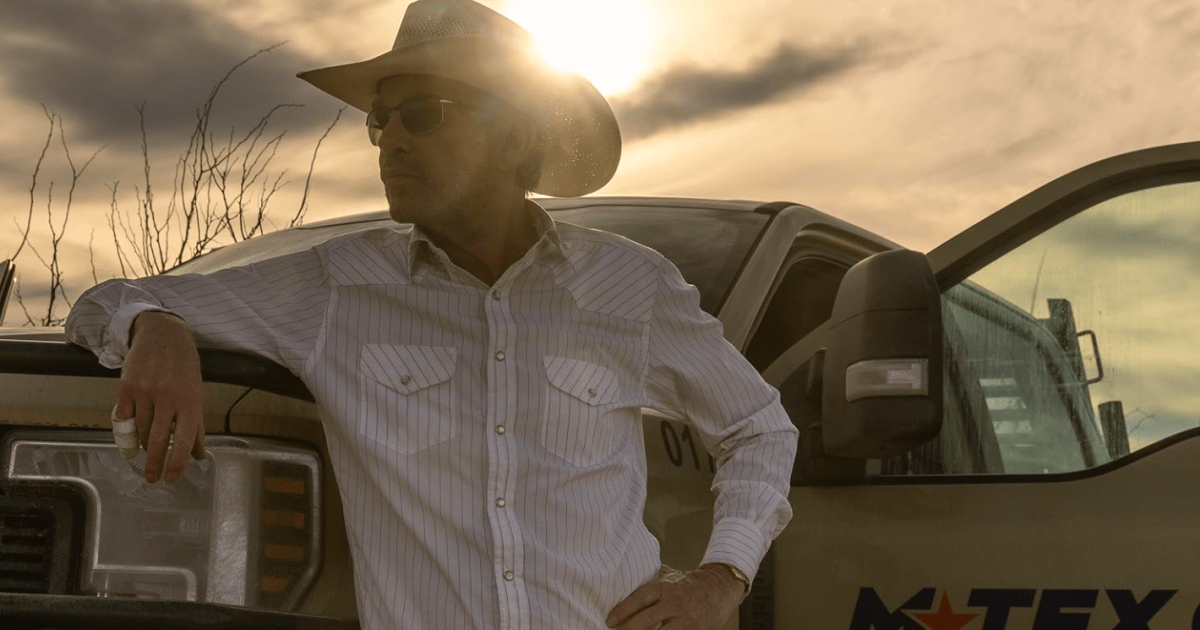
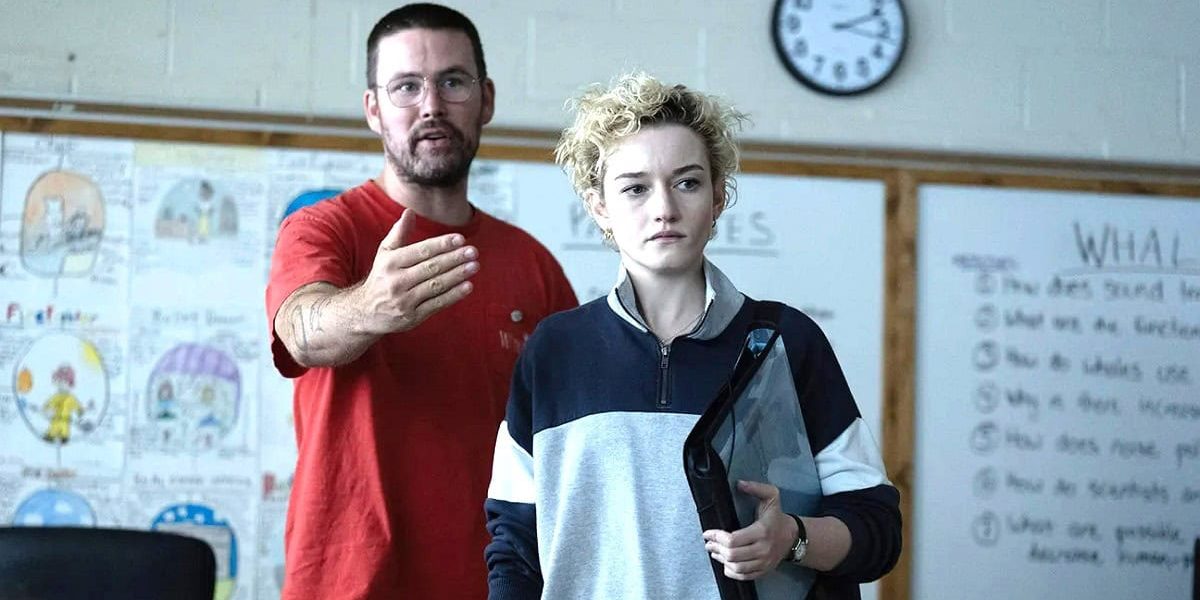
Barbarian and Weapons filmmaker Zach Cregger is currently in production on a new Resident Evil movie for Sony – and for a moment, it looked like he might make his next project, a sci-fi thriller called The Flood, for the Netflix streaming service. The Wrap reports that Netflix Films chairman Dan Lin flew to Prague, where Cregger is working on Resident Evil, to convince him to make The Flood for Netflix. Lin even sweetened the deal by dangling the possibility of a theatrical run – and why not? Just last month, Netflix gave Guillermo del Toro’s Frankenstein some theatrical play. But, it’s said that Netflix co-CEO Ted Sarandos shot down the prospect of a theatrical release for The Flood, and that’s a dealbreaker for Cregger. If the movie isn’t going to get theatrical play, he won’t be making it for Netflix. So, as of right now, The Flood is stalled out in limbo.
A source told The Wrap, “The real question is whether Netflix backs down or they let Cregger take it out [to a different studio] because Zach remains committed to a theatrical release.“
Frankenstein played in 400 theatres, and Netflix recently gave KPop Demon Hunters a wide theatrical release. So Netflix isn’t entirely against theatrical runs for their movies. In fact, they give around thirty movies some degree of theatrical play every year. Limited theatrical screenings of the final episode of the Netflix series Stranger Things will take place in more than 350 theaters in the US and Canada beginning the night of December 31st. Next year, director Greta Gerwig’s Narnia movie will be the first Netflix production to be released on IMAX screens.
If they want to get into the Cregger business, they’ll put his movie on the big screen, too. Given that Weapons made $268 million at the box office on a budget of $38 million, it’s easy to understand why he would want theatrical play for The Flood.
During Netflix’s third-quarter earnings call last month, Sarandos was asked if the theatrical success of KPop Demon Hunters might lead to a change in the company’s approach to theatrical releases in the future. He answered, “There’s no change in the strategy. Our strategy is to give our members exclusive first-run movies on Netflix. We occasionally release certain films in theaters for our fans, like we did with KPop Demon Hunters, or as part of our launch strategy, publicity, marketing, qualification, all those things, and we’ll continue to do that.“
What do you think of Zach Cregger refusing to make The Flood for Netflix unless they give the movie a theatrical release? Let us know by leaving a comment below.