There is an endless world of intrigue to discover within The Twilight Zone. Throughout its remarkable original five-season journey, this anthology series has woven an intricate tapestry of mythology. Even the most dedicated fans of The Twilight Zone might not have watched even half of its 156 episodes, as only a select few have achieved iconic status. Created by the visionary Rod Serling, this show spans a multitude of genres and scenarios, often showcasing protagonists who are not necessarily battling a clear-cut villain. Instead, they may find themselves ensnared in surreal circumstances, facing challenges that stem not from an antagonist but from the very fabric of reality.
However, many of the standout episodes of The Twilight Zone do feature compelling antagonists. These figures can take on various forms, from terrifying monsters to embodiments of death, and even the devil himself. Yet, they need not be supernatural; they can simply be ordinary individuals endowed with unique abilities or, at times, just like everyone else. The essence of evil can manifest in collective actions as well. As long as these characters captivate the audience and convey a meaningful theme with depth, they qualify as successful antagonists, regardless of whether they are ultimately defeated. Thus, let’s delve into some of the most fascinating and chilling villains found within The Twilight Zone.
10
Encountering The Hitch-hiker: A Journey into Psychological Horror
Experience “The Hitch-hiker” (Season 1, Episode 16)
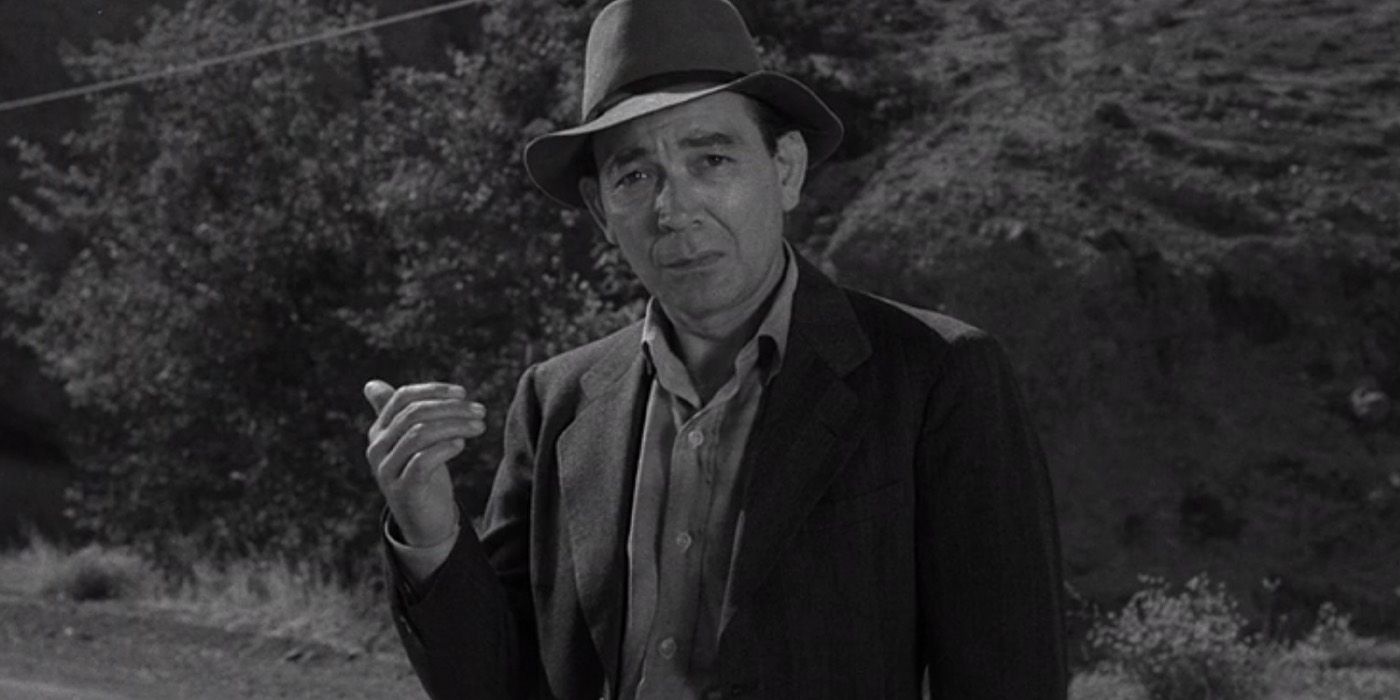
A truly effective antagonist does not always need to be adorned in a terrifying costume or possess a chilling voice to instill fear in the audience. In the realm of The Twilight Zone, this concept is exemplified in Season 1’s “The Hitch-hiker.” This episode follows a woman named Nan (Inger Stevens) on a solo cross-country vacation. The narrative kicks off with the aftermath of a minor car accident, and the unfolding story centers around her efforts to continue her journey.
The central issue is that Nan keeps encountering the same hitch-hiker (Leonard Strong) she first saw at the beginning of her journey. Dressed in ordinary attire, complete with a hat and a hand raised for a ride, it seems impossible for this individual to keep appearing ahead of her. The only plausible explanation is that various cars are picking him up and dropping him off along her route, creating an increasingly eerie scenario. The brilliance of this straightforward premise is amplified by the unexpected twist at the conclusion of “The Hitch-hiker,” solidifying this enigmatic character as one of the most hauntingly effective villains in the Zone.
9
Willie: The Sinister Ventriloquist Dummy
Watch “The Dummy” (Season 3, Episode 33)
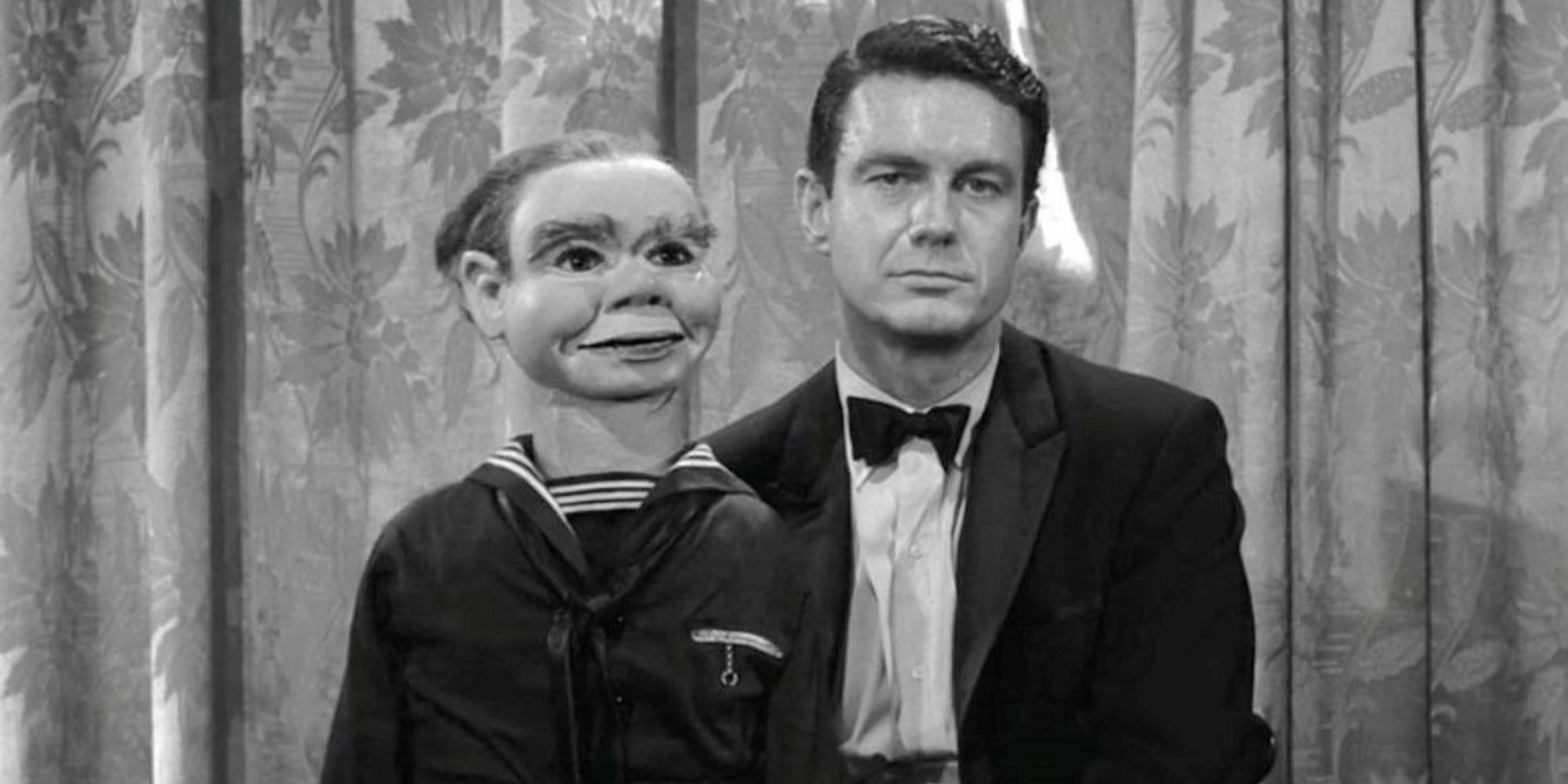
Jerry (Cliff Robertson) is an exceptionally troubled ventriloquist plagued by his own creation: the dummy named Willie. This seemingly innocuous figure appears to possess a mind of its own, often interjecting with its own jokes during Jerry’s performances, which is quite alarming. Despite recognizing the potential danger of this doll, Jerry procrastinates throwing it away until the evening of his new act, where he plans to showcase a brand-new dummy.
However, it soon becomes evident that Willie’s sentience is not merely a figment of Jerry’s imagination—this doll is genuinely alive and harbors resentment over being replaced. The unsettling realization that this wooden figure is capable of movement without any special effects or camera tricks heightens the horror. What truly makes this villain spine-chilling is the shocking conclusion of the episode, establishing “The Dummy” as one of the most disturbingly memorable entries in The Twilight Zone.
8
The Neighbors: A Reflection of Paranoia and Fear
Experience “The Shelter” (Season 3, Episode 3)
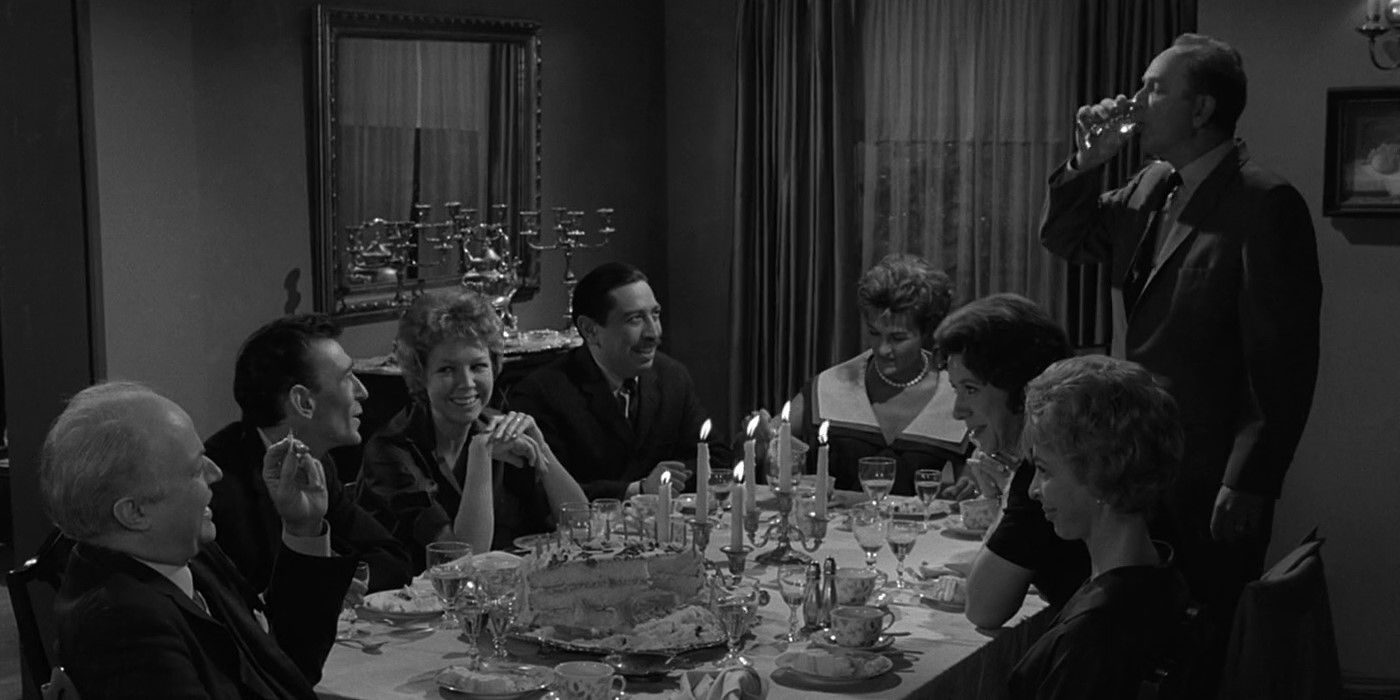
For those contemplating building their own bomb shelters, a word of caution: be mindful of who you share this information with. The episode “The Shelter” illustrates the potential dangers of inviting unprepared neighbors into your secure space. In this narrative, all of Bill Stockton’s (Larry Gates) so-called friends descend upon him during his birthday celebration, spurred by a terrifying broadcast suggesting that nuclear missiles may be on the way. Given their proximity to New York City, this revelation sends everyone into a frenzy.
In a state of panic, nearly all guests except for Jerry (Jack Albertson) lose their composure. Lacking shelters of their own, many of them are left vulnerable with families to protect. As tensions rise, these individuals quarrel and beg Bill for access to his sanctuary. Here, the true antagonist isn’t a singular figure but rather a horde of unprepared party-goers. These realistic characters epitomize societal fears during the Cold War, making them more unsettling than traditional villains because they reflect genuine human behavior.
7
Grandma Bayles: The Malevolent Influence from Beyond
Experience “Long Distance Call” (Season 2, Episode 22)
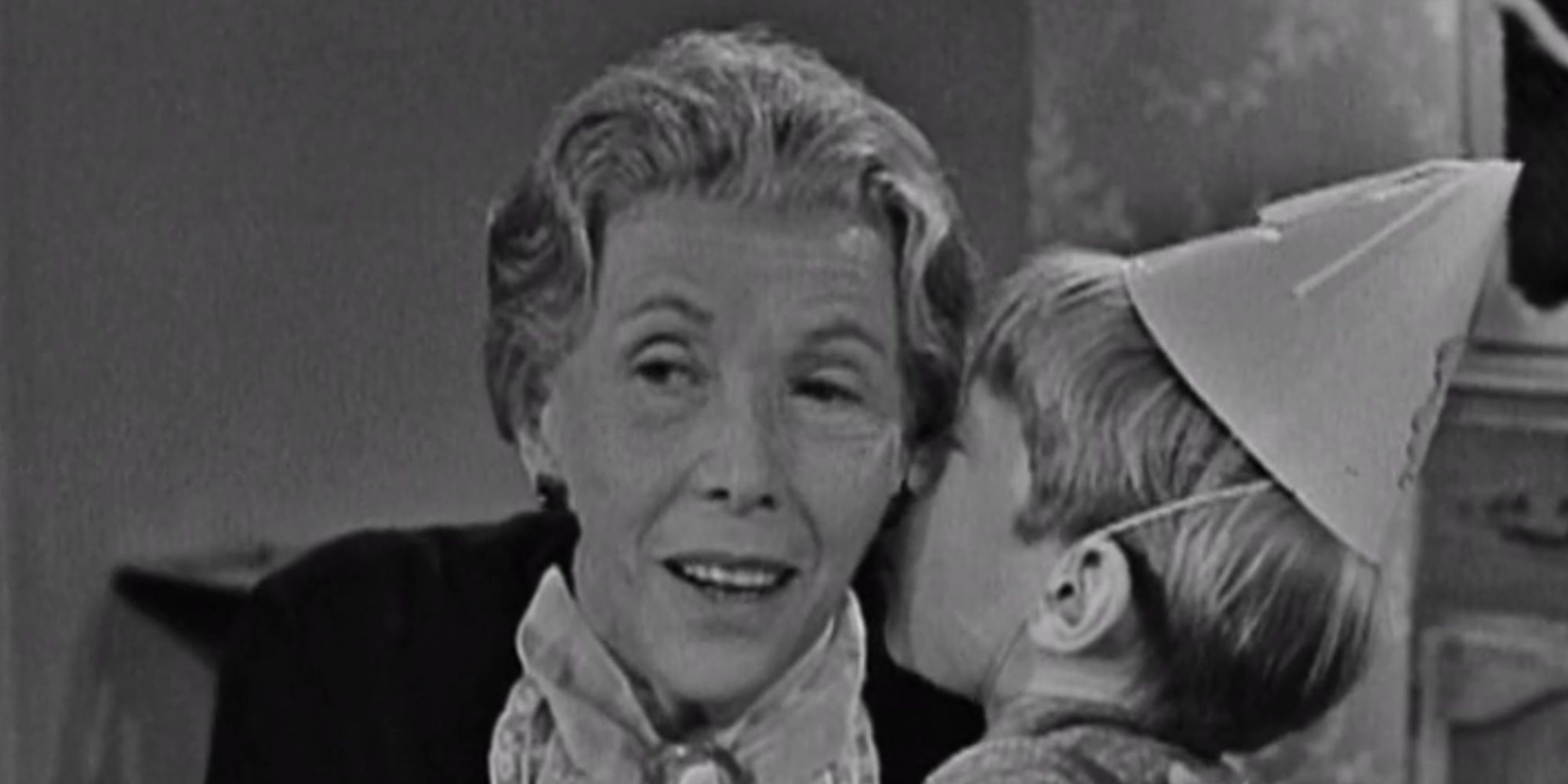
Little Billy Bayles (Billy Mumy) has an enormous affection for his grandmother, Grandma Bayles (Lili Darvas), yet her way of expressing her love is far from ordinary. Initially, it appears heartwarming when she gifts him a toy telephone for his birthday; however, this seemingly innocent gesture quickly transforms into a source of terror within The Twilight Zone. Grandma passes away shortly after bestowing the phone upon Billy, prompting deep concern from his mother.
As Billy engages with the phone, it seems he is simply pretending to converse with his deceased grandmother. While this could be chalked up to an imaginative child, the sheer duration of his conversations raises alarms. The chilling reality is that Grandma is indeed on the other end of the line, urging her grandson to commit acts that would lead him to join her in the afterlife. This makes her a malevolent figure who, despite being deceased, can still exert influence over the living. In essence, this wicked grandmother transforms “Long Distance Call” into one of the most unsettling episodes of Season 2 in The Twilight Zone.
6
The Whole Block: Humanity’s Dark Side Exposed
Experience “The Monsters Are Due on Maple Street” (Season 1, Episode 22)
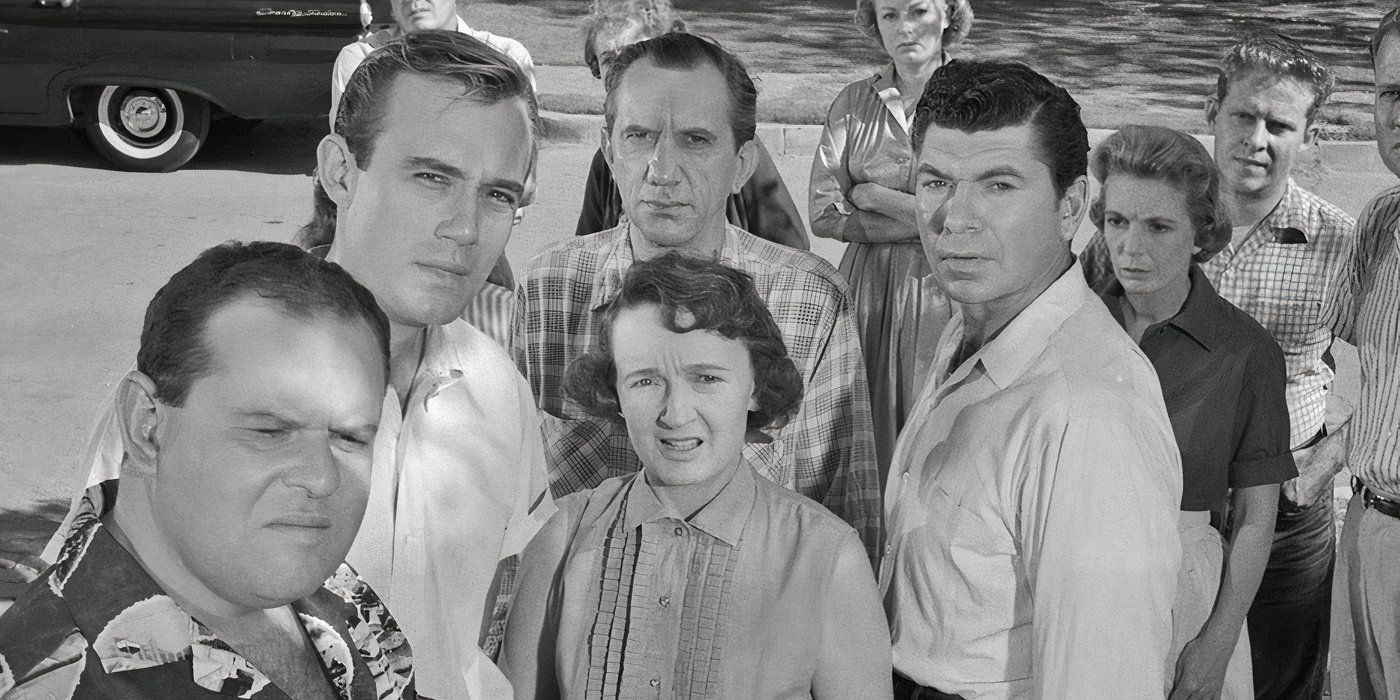
One of the most memorable episodes penned by Rod Serling, “The Monsters Are Due on Maple Street” illustrates the inherent darkness of human nature. In this gripping narrative, when the power suddenly goes out on Maple Street, the residents are left bewildered and fearful, desperate to uncover not only the cause of the outage but also who is to blame. As paranoia grips the community, everyone becomes a suspect in a rapidly escalating atmosphere of suspicion.
It only takes one anomaly—a functioning car or a flickering light—to ignite suspicion. Small behaviors, like gazing at the stars or having an unusual hobby, can lead to accusations and hysteria. Although there is a conventional villain present at the end, its role serves merely to highlight how humanity can turn on itself over trivial matters in times of crisis. Thus, for the purpose of this discussion, Maple Street symbolizes the fragility of human civilization.
5
The Kanamits: Benevolent Aliens or Malevolent Manipulators?
Experience “To Serve Man” (Season 3, Episode 24)
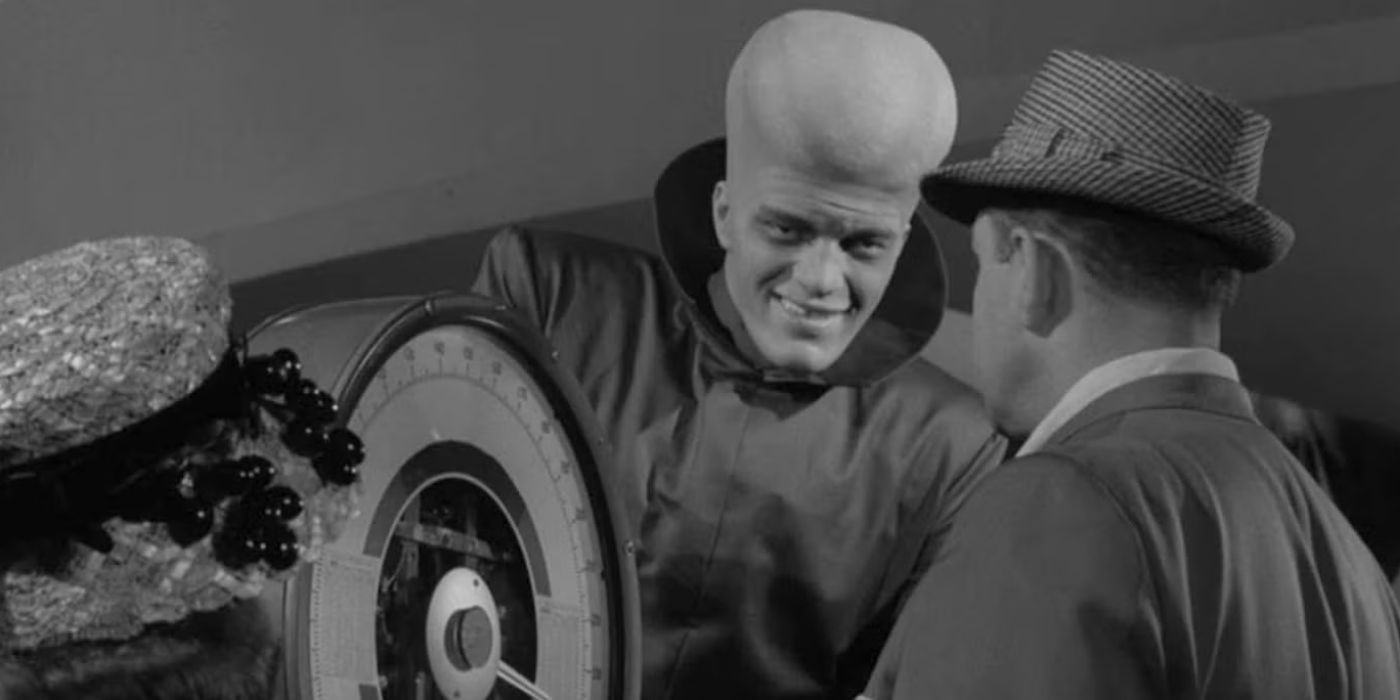
When something seems too good to be true, it often is, and this is precisely the case in Season 3’s “To Serve Man.” An alien race, the Kanamits, are towering figures at around nine feet tall, significantly more intelligent than humans, and they claim to have eradicated world hunger and established global peace. Instead of celebrating, one should approach such extraordinary claims with skepticism—after all, what ulterior motives could exist behind such benevolence?
Michael Chambers (Lloyd Bochner) is a code-breaker assigned to decipher one of the Kanamits’ books, a task that proves to be exceedingly complex. These aliens invite humans aboard their spaceships under the guise of goodwill, leading many to accept their invitation with blind trust. However, the famous twist at the end reveals the true intentions of the Kanamits, establishing them as some of the most formidable villains across any Twilight Zone storyline.
4
Jason Foster: The Manipulative Patriarch
Experience “The Masks” (Season 5, Episode 25)
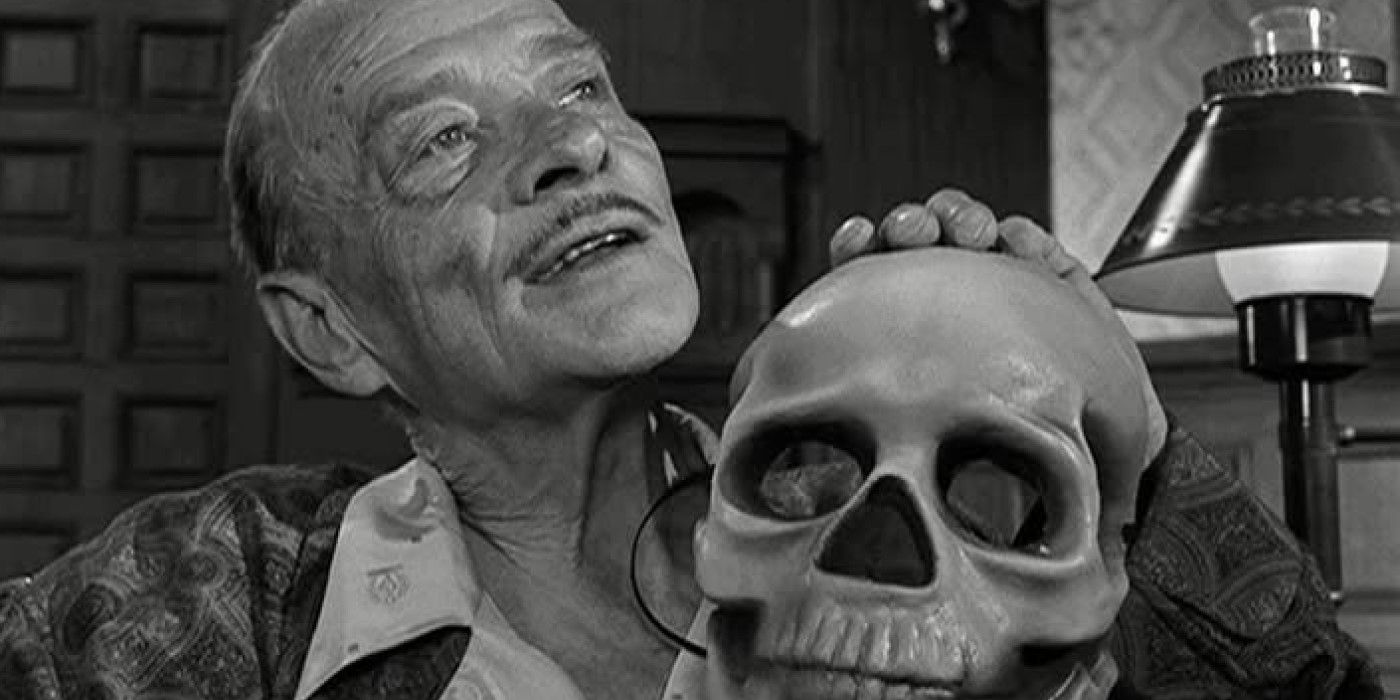
Jason Foster (Robert Keith) is not an exemplary father, and his daughter has followed suit in raising her children, with her husband showing little virtue as well. Collectively, they embody selfishness and entitlement, but Grandpa Foster is on the verge of death and possesses substantial wealth to bequeath. His family eagerly anticipates inheriting his fortune but soon learns that they must comply with his peculiar demand: they must don grotesque masks until midnight.
Season 5’s “The Masks” stands out as one of the most captivating episodes of the original Twilight Zone series. The narrative is driven by Grandpa Foster’s manipulative scheme, which not only shapes the plot but also adds layers to its profound themes. Though he may be the only character with a semblance of morality, his actions are undeniably devious, making him a villain who, paradoxically, elicits some sympathy from the audience.
3
Talky Tina: The Innocent Facade of a Sinister Doll
Experience “Living Doll” (Season 5, Episode 6)
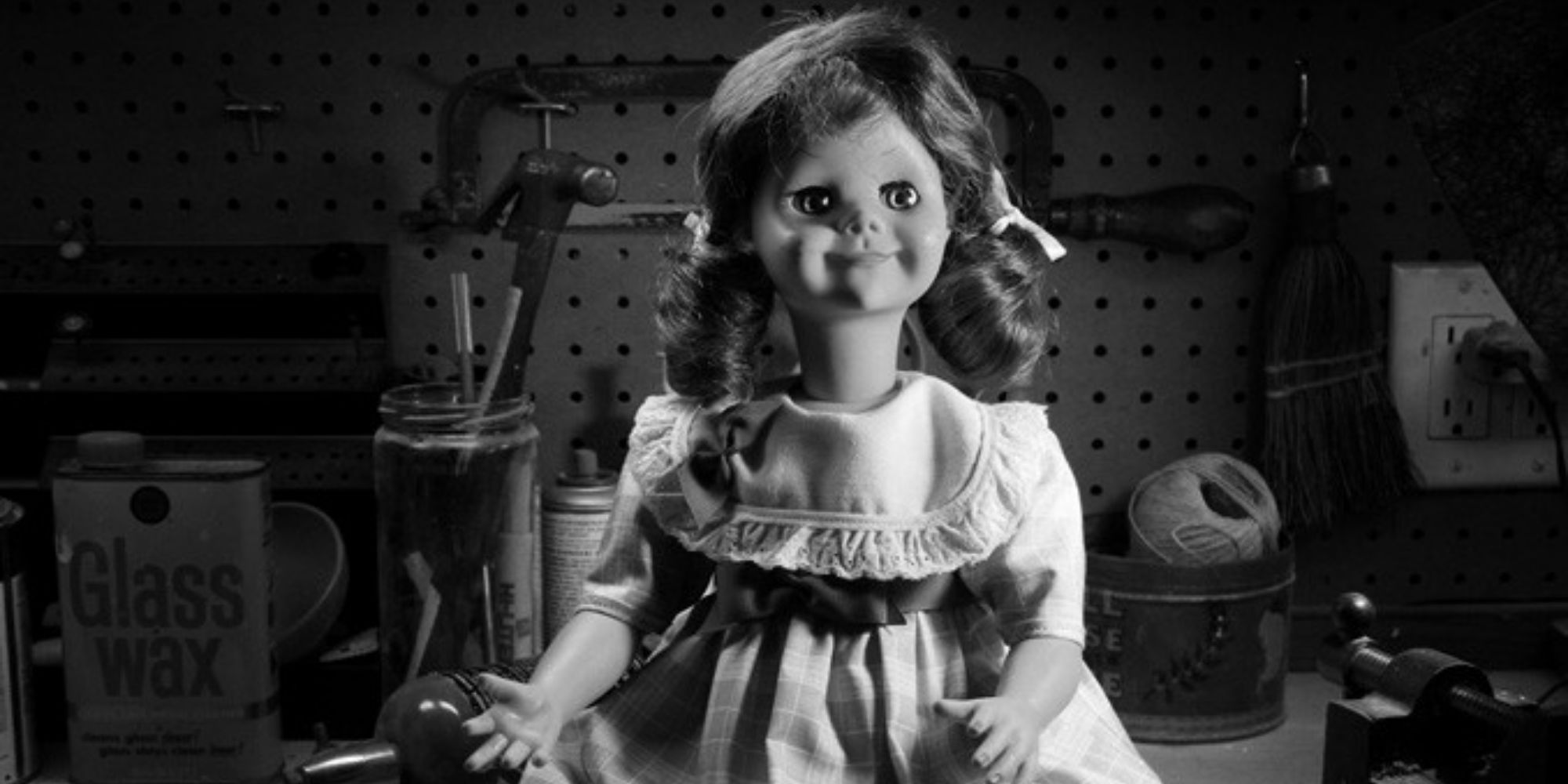
In an attempt to bring joy to her lonely daughter Christie (Tracy Stratford), Annabelle (Mary La Roche) purchases a Talky Tina doll—an object that becomes both a source of comfort and a catalyst for horror in their household. The stepfather, Erich (Telly Savalas), immediately disapproves of the doll and insists it should be returned to the store. This man epitomizes negativity, but Talky Tina has a few words for him. Her seemingly innocent reminders to “be nice” take on a menacing tone.
However, it is difficult to disregard Talky Tina’s motivations. As a devoted companion to the child caught in a turbulent environment, she will go to great lengths to ensure Christie’s happiness. As Rod Serling narrates, “to a child caught in the middle of turmoil and conflict, a doll can become many things: friend, defender, guardian.” In this light, Talky Tina emerges as one of the most loyal dolls in history, portraying a complex villain who elicits both sympathy and fear, solidifying her status as one of the best characters in The Twilight Zone.
2
Anthony Fremont: The Terrifying Child with God-like Powers
Experience “It’s a Good Life” (Season 3, Episode 8)
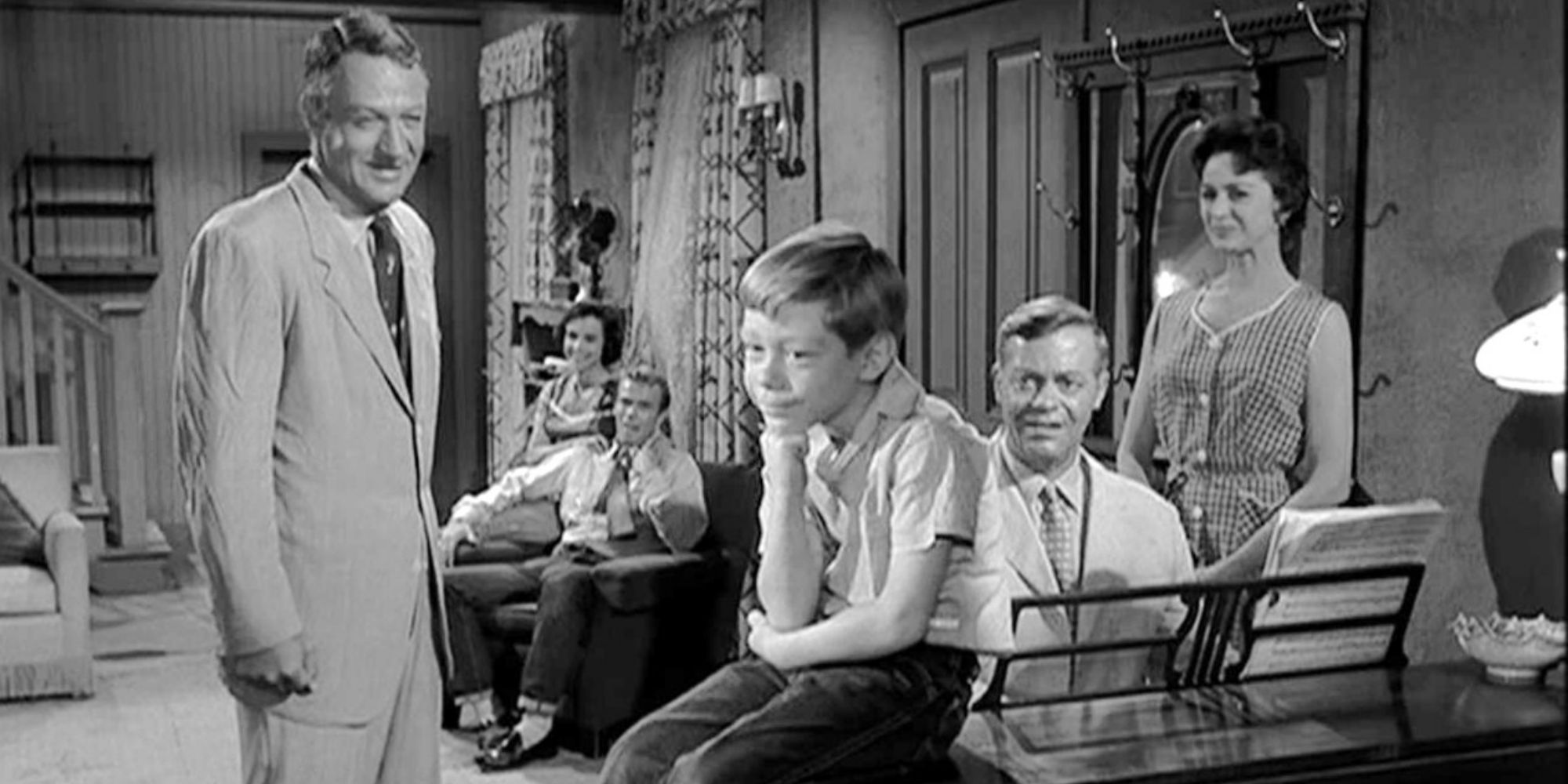
Child actor Billy Mumy makes a second appearance on this list, but this time he embodies the role of a child who wields terrifying power. In Season 3’s “It’s a Good Life,” he portrays Anthony Fremont, a young boy with the alarming ability to kill, harm, and teleport others merely through his thoughts. He possesses the power to alter reality around him, making him a formidable presence. What amplifies the danger is his ability to read minds; if anyone nearby harbors negative thoughts, he will not hesitate to punish them.
In essence, he reigns supreme over Peaksville, a community of individuals who must feign happiness and compliance to avoid his wrath. The potential for his uncontrollable power to worsen as he matures presents a chilling future. The volatility of his character, coupled with his absolute control, positions Anthony Fremont as one of the most unsettling villains in The Twilight Zone.
1
The Gremlin: The Epitome of Psychological Horror
Experience “Nightmare at 20,000 Feet” (Season 5, Episode 3)
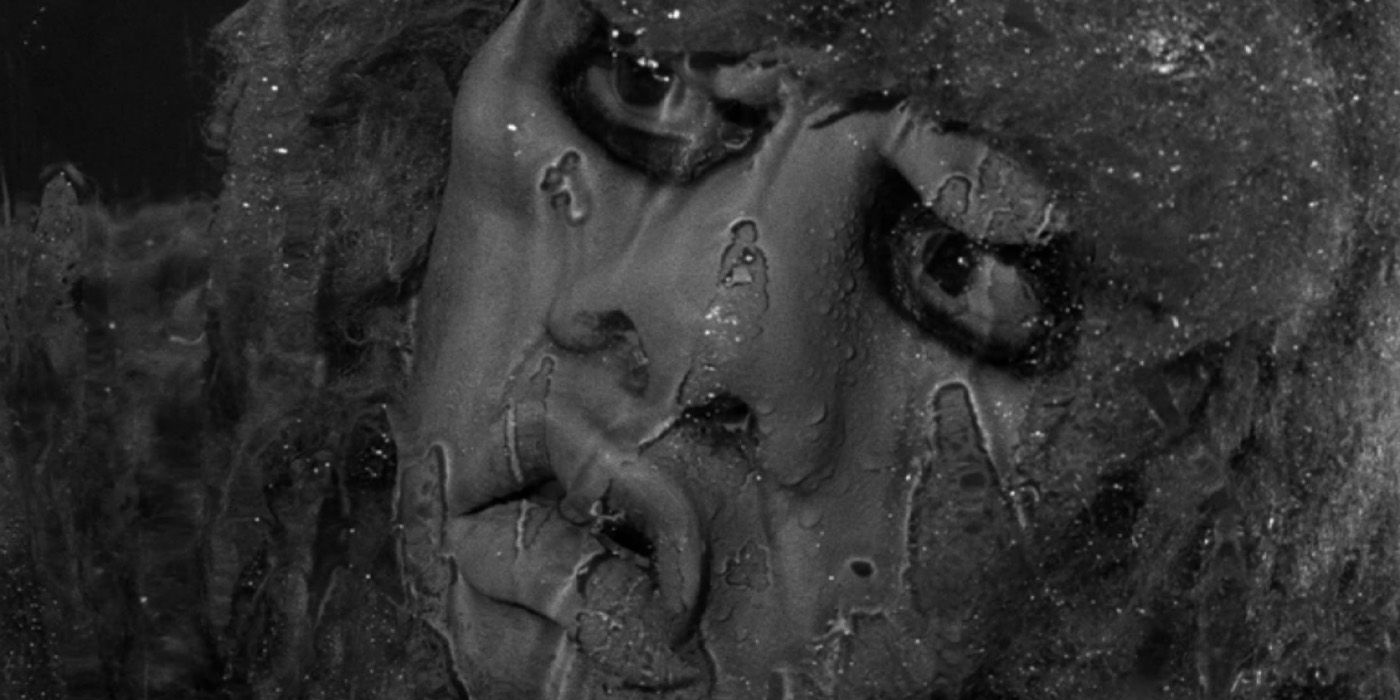
“Nightmare at 20,000 Feet” serves as a compelling testament to the enduring legacy of Rod Serling’s Twilight Zone, affirming its status as the quintessential anthology series of all time. The plot centers on a man recently discharged from a mental institution (William Shatner) who boards a plane with his wife. He harbors a deep-seated fear of flying and occupies the window seat. During the flight, a disturbing sight outside the window sends him spiraling into panic.
Whether it is a gremlin, a monstrous creature, or something else entirely, this terrifying figure can effortlessly balance on the edge of the jet’s wing mid-flight. It disappears whenever anyone other than Mr. Robert Wilson looks away. The true horror arises not just from its intentions toward the aircraft, but also from the psychological torment it inflicts on Mr. Wilson. Its presence forces viewers to question not only the reality of the creature but also the reliability of their perceptions, making it an iconic figure that endures in the realm of nightmares.