Debi Nova has taken a significant step towards healing by confronting a painful chapter from her past through her latest studio album, Todo Puede Convertirse en Canción (Everything Can Become a Song). This album marks a pivotal moment in her career as a singer-songwriter, as she bravely shares her experiences as a survivor of domestic violence for the first time, embarking on an emotionally charged and poetic journey that seeks to inspire others.
The album, released on Friday, July 18, under Sony Music Latin, features an eclectic collection of 10 tracks that follow her previous work, Dar Vida (2024). This new set includes previously released singles like “Tu Manera de Amar,” “Se Va” featuring Leonel García, and “Holograma.” Musically, the album showcases a diverse sound, blending dark, heart-wrenching ballads like “Brindo” with uplifting tracks such as “20/20” and “Aurora.” The latter celebrates Brazilian and Afro rhythms in collaboration with Alexandre Carlo. Lyrically, the album is a testament to resilience, reflecting a heart committed to healing despite the challenges.
As Debi Nova began crafting songs for this album, she initially thought it would revolve around heartbreak. She explains this process to Billboard Español, stating that her writing stemmed from a place of emotional pain. However, this was not due to her current life situation but rather a continuation of themes from her previous album, Dar Vida (To Give Life). That album connected her to unresolved emotions needing healing. Since her daughter’s birth, Nova recognized the importance of healing these issues to avoid passing them onto her child. This realization led her to explore and write about traumatic experiences from her past, some dating back two decades, that she had never before expressed in song.
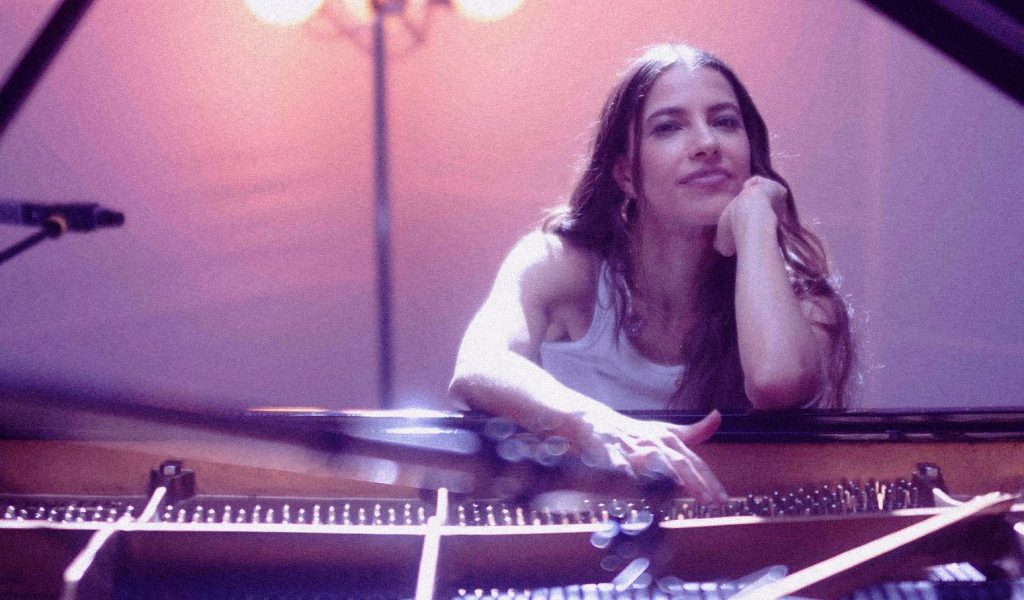
The song “Brindo” (“I Toast”) emerged as a crucial turning point for the album. It was the first song Debi wrote and also serves as the closing track. The lyrics convey a powerful message of resilience and growth, as she reflects on her past with a mixture of somberness and strength. “I toast to the night I met you/ Loving you was the emptiness from which I learned the most/ The marks you left on my skin made me grow and become stronger,” she sings, accompanied by a hauntingly beautiful piano melody that underscores the song’s emotional weight.
Debi Nova expresses the transformative power of music in her songwriting journey. She reflects, “Wow! What power music has; what a marvelous tool we have — not just for those of us who create music but also for those who consume it. We can transform what we’re feeling, what we’re going through, and maybe gain a bit of distance, perspective, and heal through it.” This perspective became especially pertinent as she collaborated with various producers and songwriters. Through these collaborative sessions, she found the strength to release her emotional burdens, resulting in an album that transcended her initial intention of creating a mere heartbreak album.
The title of the album, Todo Puede Convertirse en Canción, is derived from a line in the opening track, the uplifting “20/20,” which encapsulates the transformative essence of the entire project. This idea of transformation resonates deeply throughout the album, illustrating how pain can be converted into something beautiful and meaningful.
A crucial aspect of Debi Nova’s creative process was the sense of community she experienced while making this album. She describes it as a beautiful departure from her previous four albums, which she largely created in solitude. “This was an album I made in community,” she says. This shift in approach allowed her to share her burdens with others, highlighting the importance of connection and support during challenging times. She views music as the ultimate vehicle for healing, emphasizing that sharing experiences within a supportive environment can foster growth and resilience.
“Collaborating with other artists pulled me out of that super ‘Debi-downer’ mode,” she adds with a smile, reflecting on the safe space created in the studio that encouraged emotional exploration. This environment enabled her to confront her feelings openly, allowing for vulnerability and authenticity during the songwriting process, which ultimately enriched the album’s emotional landscape.
In the following sections, Debi Nova elaborates on five standout tracks from Todo Puede Convertirse en Canción. For those interested in experiencing the full album, click here.

Sony Music Latin
-
Unpacking the Meaning Behind “Brindo”
“Brindo” is a deeply personal song that Debi wrote about her experiences from two decades ago, during a time when she found herself trapped in a violent relationship. Discussing such a painful chapter in her life remains incredibly challenging for her. Over the years, Debi has worked tirelessly to process these emotions and acknowledges that this journey will continue. Despite the difficulty, she felt compelled to write a song about her past. Inspired by Rozalén’s impactful song “La Puerta Violeta,” which addresses violence, Debi felt a calling: “If I can ever write a song about what happened to me, I think it will do me a lot of good. And it will do us all a lot of good, because it’s something that happens to many of us.” This realization motivated her to undertake the challenging task of expressing her story through music.
The genesis of “Brindo” came from her time at the piano, where the chords instinctively guided her, signaling that this was the song she needed to create. She chose to approach the subject from a perspective of celebration, which is reflected in the title “Brindo” (“I Toast”). Though the subject matter is profoundly painful, Debi takes pride in her resilience and transformation, viewing her journey as a reason to raise a toast. This perspective underscores the album’s overarching message: focusing on strength rather than the tragic aspects of her experiences.
To further emphasize the song’s message, Debi collaborated with a choir composed of six young women from the Destiny Project foundation in Costa Rica, which aids the social reintegration of victims of abuse and trafficking. Recording these young women for the song’s background vocals became a profoundly meaningful and symbolic experience for Debi. She aimed to illustrate not just personal strength but also to connect with others who have faced similar challenges. The shared experience of singing together created a healing atmosphere, showcasing the power of community and resilience.
-
Exploring the Depths of “Holograma”
“Holograma” encapsulates the feeling of being trapped within self-imposed prisons. It’s a reflection on the cycles of pain we often find ourselves repeating, questioning why we continuously return to situations that have already caused us suffering. Debi channeled her frustrations and emotions into this song, which led to an emotional recording session where she found herself in tears while singing. This vulnerability made her realize the weight of her experiences, prompting her to confront the painful patterns in her life.
While she has a specific moment that inspired this song, she is not yet ready to share the details. However, she acknowledges that many people can relate to the feelings expressed in “Holograma.” The song serves as a metaphor for the struggle of being attached to an idealized version of a relationship that ultimately does not serve us. Debi describes the process of crafting this song as challenging; initially, they added numerous elements to the arrangement before realizing that a simpler approach was needed. Ultimately, a stripped-down version featuring her piano as the backbone, complemented by strings and a subtle drum loop, conveyed the song’s essence more effectively.
-
The Uplifting Spirit of “20/20”
“20/20” represents a moment of clarity, a remedy for the emotional struggles Debi faced while creating this album. The song was born spontaneously during a writing session with Ana Sof and Julián Bernal, who played a crucial role in producing four tracks on the album. Feeling the weight of her emotions, Debi needed an outlet, and as they experimented with different chords, Ana Sof’s lyrics struck a chord with her: “Agua helada en mi piel, pelo suelto, todo bien” (“Frozen water on my skin, hair loose, all is well”). This line resonated deeply, inspiring Debi to embrace a lighter, more carefree perspective.
The defining line in the song, “Tengo 20/20 de visión porque todo puede convertirse en canción” (“I have 20/20 vision because everything can turn into a song”), encapsulates Debi’s journey throughout the album. For her, songwriting serves as a powerful tool to gain clarity and insight into her emotions. It highlights the incredible human ability to transform hardships into beauty, turning challenges into art, poetry, or music. This phrase perfectly sums up the album’s overall theme of transformation and resilience.
-
Finding Balance in “Perdidx en la Ciudad” feat. Jaze
“Perdidx en la Ciudad” (“Lost in the City”) emerged from Debi’s experiences during the Billboard Latin Music Week in Miami last October. This event was filled with excitement and remarkable opportunities, yet it also left her feeling completely drained. As a new mother promoting an album, she found herself grappling with mixed emotions and divided attention between her career and family. This feeling of disconnection from what truly matters inspired the creation of “Perdidx en la Ciudad.”
Debi met with Jaze during this time and discovered they both shared similar sentiments about the pressures of pursuing their dreams. They discussed the paradox of achieving what one desires while feeling like a mere machine, caught in a cycle of constant demands. This conversation sparked the essence of “Perdidx en la Ciudad,” as Debi reflects on the necessity of finding balance in life. The song emphasizes the importance of making space for oneself amidst the chaos, recognizing the need for fulfillment and connection beyond the fast-paced demands of their careers.
-
Embracing Life in “Aurora” feat. Alexandre Carlo
“Aurora” represents a profound realization that the essential elements of life are always within our reach, waiting to be discovered. Debi believes that to arrive at this understanding, one must navigate through challenges, such as the “Brindos” and “Hologramas.” This journey through emotional turmoil is vital for reaching the beautiful moments in life, symbolized by the aurora—a vibrant and colorful sky. If we are overwhelmed by our emotions, it becomes difficult to appreciate the beauty around us. Thus, “Aurora” signifies the culmination of her journey, transforming pain into beauty.
Debi reflects on the simplicity of life, stating, “I don’t need much more than a bit of singing, a bit of dancing, and a lot of living life because it slips away.” Music and the love of those around her are all she desires. In collaboration with Alexandre Carlo, who helped translate the song into Portuguese, “Aurora” carries a Brazilian essence due to their past collaboration on the previous Natiruts album. This song stands out as one of Debi’s favorites on the album, resonating with the themes of connection, joy, and the beauty of life.