

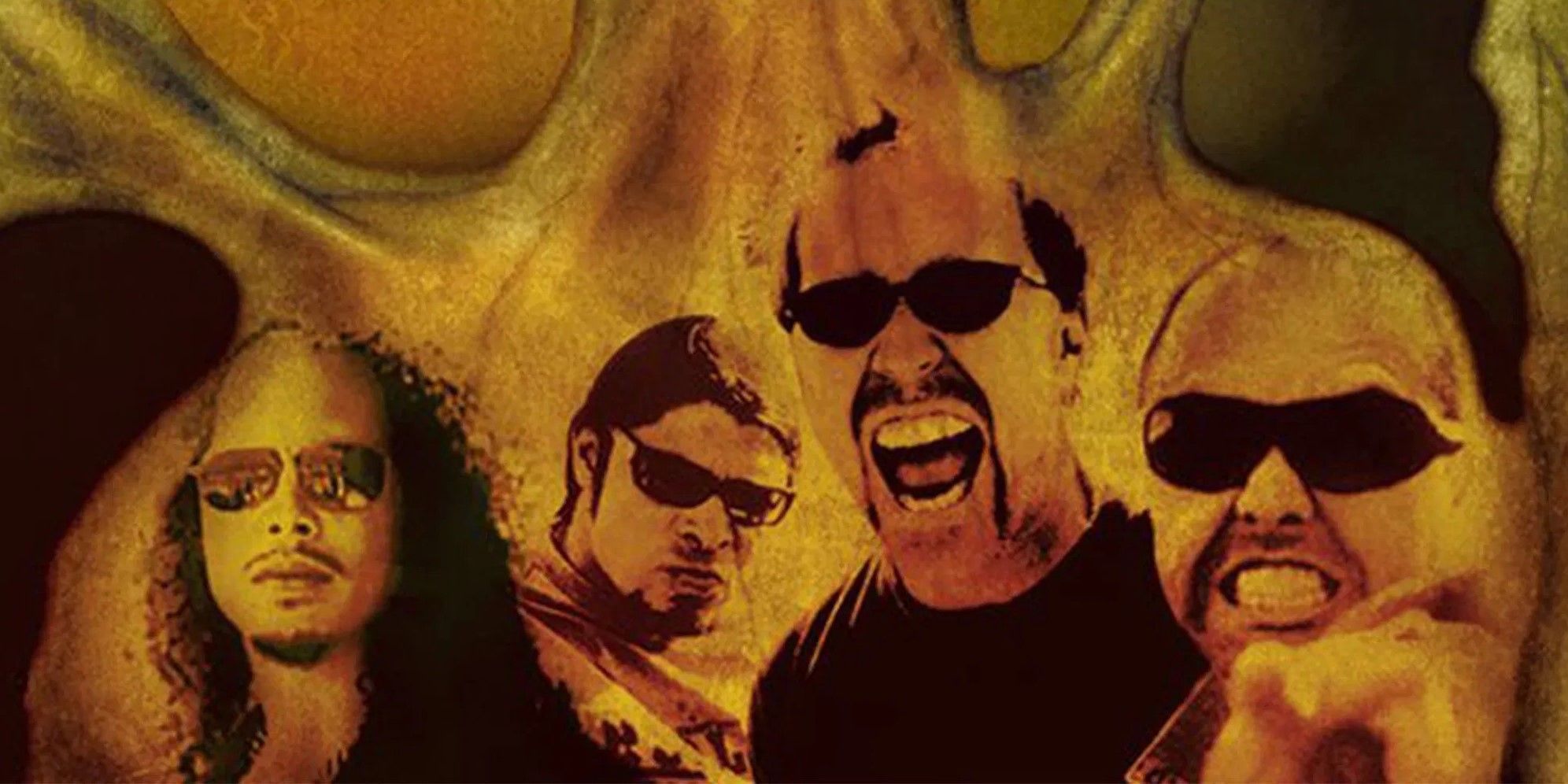
Renowned as one of the most iconic and influential metal bands in music history, Metallica has an impressive discography featuring 11 studio albums filled with original tracks. The first five albums catapulted the band into stardom, while the subsequent releases have garnered a mixed critical reception. Nevertheless, Metallica remains a titan in the heavy metal and thrash metal scenes, having sold millions of albums worldwide and leaving an indelible mark on the genre. The band’s lineup, consisting of frontman James Hetfield, drummer Lars Ulrich, lead guitarist Kirk Hammett, and bassist Robert Trujillo—who has been with the group for over two decades—continues to tour and produce new music. Few bands can boast such longevity and relevance in the music industry.
As you delve into Metallica’s extensive album catalog, you’re bound to uncover at least one standout track from each release. This consistency speaks volumes not only about their abilities as musicians but also as prolific songwriters. Metallica has a remarkable talent for creating music that resonates with fans across generations, igniting energy and excitement at every performance. Selecting the best song from each album can be a challenging endeavor, as personal favorites often vary widely. However, this article aims to revisit the band’s remarkable discography and highlight what could be considered the best song from each studio album, including their sole cover album. Expect a journey through a range of styles—from intensely layered and emotionally rich compositions to straightforward yet powerful anthems.
12
“The Four Horsemen”
Best Track from ‘Kill ‘Em All’ (1983)
Metallica has long been celebrated for their heavy-hitting epics, a hallmark of their style since their inception. A prime example is “The Four Horsemen,” featured on their debut album, Kill ‘Em All. This track stands out with a dynamic rhythm that differentiates it from other songs on the album, including another classic, “Seek and Destroy.” Capturing the apocalyptic intensity requires more than just aggressive guitar riffs and pounding drums; the nuanced vocals and intricate riffs elevate the song to a higher level of artistry.
The song’s structure showcases its complexity, featuring multiple sections that transition seamlessly, demonstrating that Metallica was dedicated to their craft even in their formative years. It’s not merely about speed; it’s about exceeding expectations and delivering emotional depth that resonates with listeners. The mournful tone introduced halfway through adds a layer of poignancy, setting a high standard for all future thrash metal bands to aspire to.
11
“Fade to Black”
Most Memorable Track from ‘Ride the Lightning’ (1984)
The evocative atmosphere of “Fade to Black” is truly unforgettable. The interplay of the minor key acoustic guitar with the electric guitar creates a hauntingly beautiful introduction to one of Metallica’s most poignant and elegiac tracks. Although Ride the Lightning marks only their second studio album, the band displays a remarkable ability to craft intricately layered and emotionally resonant music.
In contrast to Metallica’s other songs that tackle the theme of suicide through a heavier lens, “Fade to Black” explores profound depression using a less aggressive sound, making its thrash-influenced segments feel more authentic. The dramatic build-up throughout the song is masterfully executed, flowing effortlessly from one section to the next. The way “Fade to Black” concludes, fading into silence, underscores the band’s unwavering focus on musical craftsmanship, making it a standout example of their artistry.
10
“Master of Puppets”
Highlight from ‘Master of Puppets’ (1986)
The defining track from Metallica’s critically acclaimed album is undoubtedly “Master of Puppets.” The song kicks off with an explosive energy, taking a full minute before the vocals enter, yet every second is utilized effectively, with Hetfield's vocals amplifying the already intense atmosphere. The lyrics address the harrowing topic of drug addiction, employing the powerful metaphor of a puppet master, which elevates the song to extraordinary heights.
However, “Master of Puppets” isn’t solely about rage; it features one of the band’s most emotionally charged sections and guitar solos, which begins around the three-and-a-half-minute mark. This section allows for ample development, and the transitions leading back to the verses are as exhilarating and monumental as one would expect from a song of this caliber. By the time the song concludes, it feels as though you’ve journeyed through an intense and tumultuous experience.
9
“One”
Iconic Track from ‘…And Justice for All’ (1988)
Much like “Fade to Black,” “One” gradually builds suspense, immersing the listener in a haunting atmosphere. The haunting sounds of gunfire echo, setting the scene for a battle during an unspecified war, establishing the song’s poignant anti-war message before any music is heard. Despite the absence of bass in the mix, the introduction feels like a powerful, emotionally charged orchestral performance, encapsulating the sadness inherent in the lyrics without compromising the band’s metal roots.
The lyrical content delves into darker themes, with lines like “I can’t remember anything / Can’t tell if this is true or a dream” and “Fed through the tube that sticks in me / Just like a wartime novelty,” which rank among the band’s most unsettling. The music perfectly embodies the fury and despair conveyed in the lyrics, leading to the iconic second half, which represents a pinnacle of the thrash metal genre, leaving a lasting impact on listeners.
8
“The Unforgiven”
Standout Piece from ‘The Black Album’ (1991)
With a plethora of incredible tracks on The Black Album, choosing just one to highlight feels somewhat unjust to the other masterpieces. However, if one track must be singled out, it would be the surprisingly emotional “The Unforgiven.” The song features a heavy verse that contrasts beautifully with a softer, more introspective chorus, showcasing an impressively dramatic structure.
The unexpected horn introduction transitions into a signature acoustic guitar-driven opening, setting the stage for a profoundly tragic narrative about a man forced to stifle his emotions throughout his life. The juxtaposition of sorrowful choruses and furious verses hits hard, making “The Unforgiven” one of the band’s most celebrated tracks—and arguably the finest on The Black Album.
7
“Until it Sleeps”
Powerful Hit from ‘Load’ (1996)
Exemplifying Metallica’s darker and more introspective side, “Until it Sleeps” stands out as a highlight from the band’s much-anticipated yet controversial return in Load. Structurally simple, this song’s straightforward approach allows it to convey its message effectively without veering into melodrama. The compelling bass intro captures attention, while the background guitar during the verses enhances the emotional weight of the lyrics, reflecting the speaker’s troubled state of mind.
The heavier elements that emerge in the chorus perfectly balance the soft and hard dynamics, reminiscent of the styles found in “The Unforgiven” and “Nothing Else Matters.” The verses are succinct, maintaining a brisk pace without overstaying their welcome, while the absence of a flashy solo allows the atmosphere to take center stage. This poignant representation of depression stands out as one of the few memorable tracks from Metallica’s later works in the 1990s.
6
“Fuel”
High-Octane Opener from ‘Reload’ (1997)
Reload may not have received universal acclaim, but it marked the band’s return to their heavier roots. “Fuel,” the opening track, is strategically placed at the album’s start for good reason. Hetfield’s emphatic declaration, “Gimme fuel, gimme fire, gimme that which I desire, ooh!” sets an energetic tone, with the band crashing in at just the right moment to create an engaging and powerful introduction.
The song’s straightforward nature works to its advantage, emphasizing a no-frills approach that resonates with listeners. The chorus, while tonally distinct, seamlessly integrates with the verses, creating a cohesive listening experience. A dynamic bridge leads into a memorable solo that prioritizes mood over speed. Overall, “Fuel” succeeds as a crisp and energetic opener that sets the right tone for the album, even if Reload as a whole doesn’t entirely meet the expectations set by its standout single.
5
“Free Speech for the Dumb”
Impactful Cover from ‘Garage Inc.’ (1998)
Garage Inc. kicks off with a powerful cover of Discharge‘s “Free Speech for the Dumb,” originally released in 1982. This rendition erupts with intensity, featuring guitars that perfectly capture Metallica’s distinctive sound, while the minimal vocals leave ample space for the captivating yet repetitive riff to take center stage. Though it may be the simplest track on the album, this raw energy effectively riles up listeners, delivering a brief yet impactful experience in just two and a half minutes.
Among the various covers on the album, none quite match the ferocity of this opener. Several attempts at capturing similar energy fall short, but “Free Speech for the Dumb” excels in its relentless riff, bolstered by Kirk Hammett’s signature guitar solos in the background. While the album contains a wealth of material, this track arguably stands out as the most successful example of returning to Metallica’s musical roots.
4
“Some Kind of Monster”
Noteworthy Track from ‘St. Anger’ (2004)
“Some Kind of Monster” opens with a powerful and heavy riff that sets a gritty tone, creating an expectation of a prolonged instrumental intro before any vocals emerge. Lars’ controversial drumming aligns surprisingly well with this raw sound, adding to the track’s overall intensity. Although it takes over two minutes for the vocals to finally kick in, the delivery doesn’t resonate as strongly as one might hope. Even the lyrics feel somewhat disjointed. This song might have been better suited as an instrumental, yet its unique qualities elevate it above many other tracks on St. Anger.
Much like several of Metallica’s compositions, “Some Kind of Monster” consists of multiple sections that shift quickly from one to another, creating a cohesive yet chaotic blend of darkness. While the absence of a guitar solo might be disappointing to some fans, the song successfully captures the band’s sensibility during that period. It remains an acquired taste, but it effectively conveys the emotional landscape the band navigated at the time.
3
“That Was Just Your Life”
Powerful Opener from ‘Death Magnetic’ (2008)
The opening of “That Was Just Your Life” is nothing short of dramatic, featuring a striking sequence of seven powerful notes that masterfully sets the tone for what many fans consider Metallica’s remarkable renaissance. Accompanied by a background guitar that enhances the buildup, the song transitions into one of the hardest-hitting riffs in their extensive catalog. Once the pace quickens, “That Was Just Your Life” maintains an exhilarating momentum, with the verse, pre-chorus, chorus, and bridge flowing seamlessly into one another.
After a lengthy hiatus following St. Anger, Metallica returned with a vengeance, showcasing a wealth of new material that resonated with fans. This opener from Death Magnetic immediately and forcefully communicates that the band has crafted some remarkable tracks this time around, with “That Was Just Your Life” narrowly edging out other fan favorites such as “The Day That Never Comes” and “All Nightmare Long.” It’s no surprise that this track was featured prominently during their Death Magnetic tour.