WARNING: SPOILERS AHEAD!
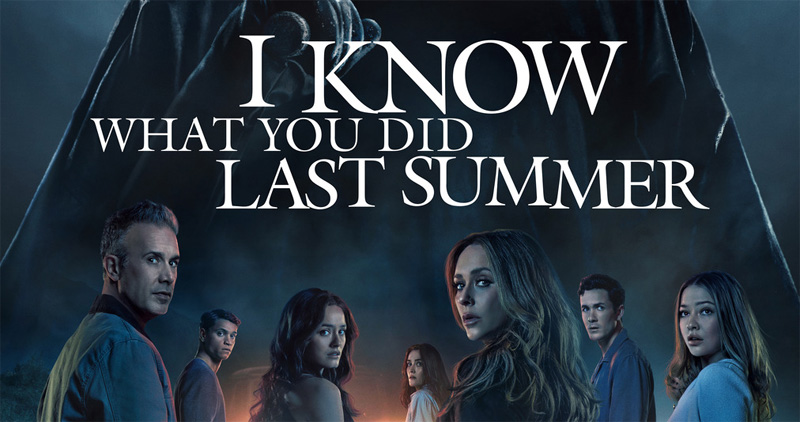
The highly anticipated 2025 reboot of I Know What You Did Last Summer has officially premiered in theaters, stirring discussions among both fans and critics. Director Jennifer Kaytin Robinson openly addresses the film’s controversial twist, which has sparked a mix of reactions from audiences.
In this latest adaptation, akin to the original 1997 film, a tight-knit group of friends finds themselves hunted by a relentless stalker who possesses chilling knowledge of a horrific incident from their past. This suspenseful premise keeps viewers on the edge of their seats, reminiscent of classic horror tropes.
However, Jennifer has acknowledged that she anticipated not everyone would embrace the film’s surprising conclusion. She emphasized the importance of taking creative risks in storytelling, believing that cinema should spark conversation and debate among viewers.
Keep reading to uncover more insights and details about the film’s shocking revelations…
In a pivotal reveal, one of the film’s antagonists is unveiled as Ray Bronson, a character famously portrayed by Freddie Prinze Jr. in the original film. This updated portrayal adds depth and complexity to Ray’s character, exploring his motivations and emotional turmoil.
His driving force stems from a deep-seated anger towards the town for attempting to erase the memory of the 1997 massacre, all in the name of boosting tourism. Ray seeks to remind the community of the horrors inflicted during the fisherman’s murder spree by aiding his employee Stevie (Sarah Pidgeon) in seeking revenge against her friends linked to a tragic car accident.
As the narrative unfolds, Julie James (Jennifer Love Hewitt), who has transitioned into a psychology professor and is now Ray’s ex-wife, confronts him in a tense climax. In a dramatic twist, as Ray prepares to kill Julie, he is unexpectedly shot and killed from behind by Ava (Chase Sui Wonders) using a harpoon gun, adding to the film’s shocking moments.
“Do I think some viewers might not appreciate it? Absolutely,” Jennifer confessed in an interview with People. She highlighted her belief that bold storytelling choices are essential, even if they polarize audiences. “If not everyone likes it, that’s perfectly fine. I believe we need more films that inspire debate during the drive home.”
Freddie shared that he and the director had extensive discussions about the psychological factors that led Ray to become a killer. They explored themes of trauma and its varied impacts on individuals, emphasizing how profound experiences can shape behavior in unexpected ways.
“Trauma can either empower you or shatter you. The question is, what happens when it breaks you? How do you respond to the challenges that arise? I anticipate there will be viewers who react strongly to this portrayal. However, my commitment lies in authentically representing the choices Ray makes, irrespective of audience expectations or desires,” Freddie elaborated.
He expressed his admiration for the character development in the film, crediting Jen Robinson and co-writer Sam Lansky for their thoughtful approach to Ray and Julie’s backstories. He believes that audiences will connect with these characters on a deeper level, gaining insights into who Ray was and who he has become, while unraveling the events that shaped his transformation.
Jennifer also revealed her initial surprise at the film’s twist but later recognized its logical consistency with Ray’s character arc. “When I first encountered the twist, I was taken aback. However, upon closer examination, it became clear how well it aligned with Ray’s troubled past and his complex relationship with his hometown of Southport,” she shared.
“The idea that the trauma experienced by both Julie and Ray could propel them in such divergent directions captivated my interest,” she continued. “I was particularly drawn to the archetype of Harvey Dent: ‘You either die a hero or live long enough to become a villain.’ This concept resonates profoundly, particularly in the context of unresolved trauma, especially among men who struggle to confront their emotions.”
“This theme was what I found most compelling. When I approached Sony with my vision for the film, I made it clear that I wanted to explore these ideas. They were supportive, and when I presented my concept to Freddie, he was on board, and we began our creative journey together,” she said.
Don’t miss out on learning about the exhilarating end credits scene that adds an extra layer of excitement to the film.