This curated list highlights underrated horror films that truly deserve more recognition. Some of these movies have gained cult status, while others remain under the radar. Whether you prefer atmospheric slow burns, unsettling psychological thrillers, or unconventional supernatural narratives, each film on this list brings something unique and memorable to the table.
The selections feature mind-bending ghost stories, innovative zombie films, hidden gems that time forgot, and contemporary releases that may not have received the appreciation they deserve. You’ll discover intricate locked-room mysteries, gripping tales of possession, and poignant reflections on grief. Each film is a standout, worth dedicating your time to explore.
10
‘Deathdream’ (1974)
Directed by Bob Clark
“He’s been dead for a long time… but he came home.” Deathdream is an evocative low-budget horror from the 1970s that gradually reveals its deeper significance. At first glance, it’s a conventional zombie narrative: a young soldier, presumed dead in Vietnam, returns home unexpectedly. However, Andy (Richard Backus) exhibits unsettling changes; he is distant, unresponsive, and emotionally cold. His mother clings to him, while his father spirals into dread. What unfolds is more than a typical monster flick; it serves as a powerful commentary on PTSD and the haunting aftermath of warfare.
These themes resonate profoundly, especially in the context of the ongoing Vietnam War during its release in 1974. Bob Clark (also known for the cult classic <em>Black Christmas</em>) skillfully anchors the horror within the confines of familiar domestic settings. Instead of traditional graveyards, the film utilizes kitchens, bedrooms, and backyards, making the supernatural intrusion feel all the more unsettling. Central to its emotional weight is Backus’s chillingly restrained performance, which amplifies the film’s impact.
9
‘The Empty Man’ (2020)
Directed by David Prior
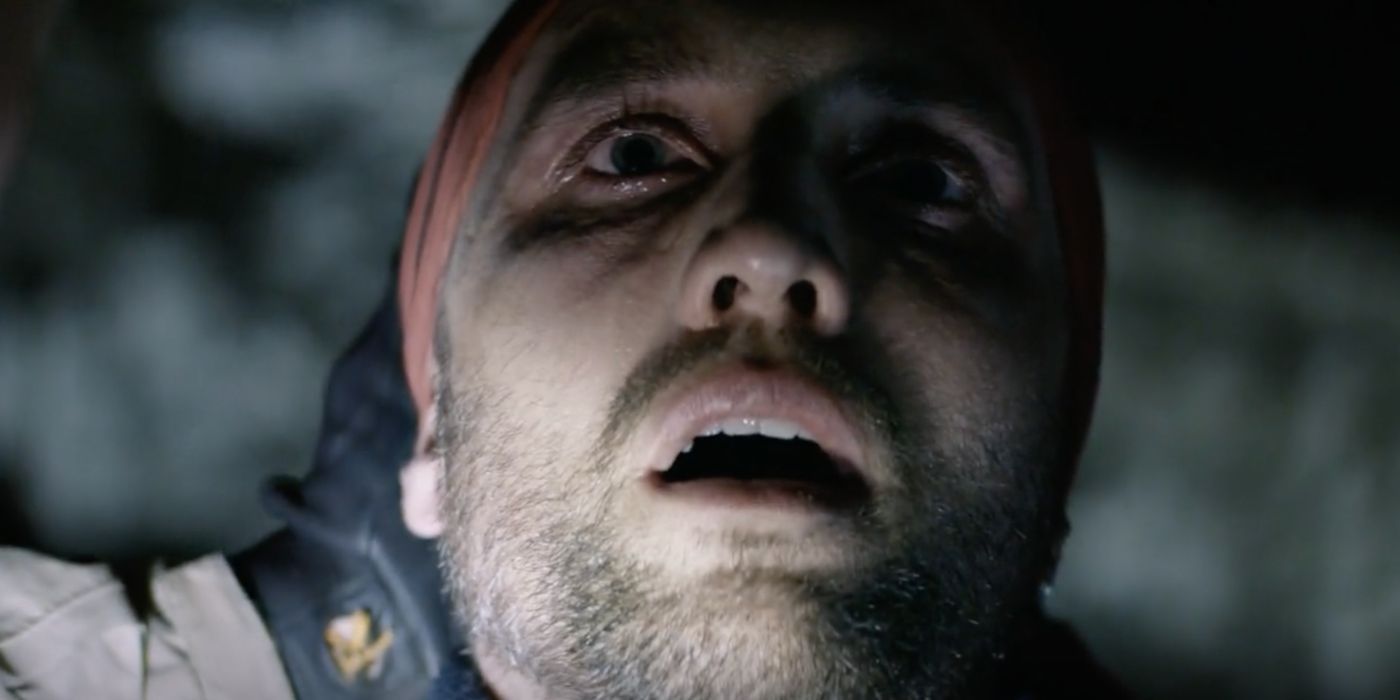
“On the third night… he finds you.” The Empty Man offers a disjointed yet captivating narrative. The film opens with a 20-minute prologue set in the Himalayas, unfolding like a creeping folk horror nightmare before transitioning into a modern exploration of urban legends, cult insanity, cosmic horror, and profound loss. Central to the film is James Badge Dale, delivering a compelling performance as a grieving ex-police officer who becomes embroiled in a case that spirals into a realm of metaphysical dread.
On the visual front, David Prior crafts an unsettling atmosphere through extended takes, disquieting soundscapes, and layered symbolism that invites multiple interpretations. Despite its innovative approach, the film suffered significant financial losses and went largely unseen by horror aficionados. Yet, as time passes, The Empty Man has cultivated a dedicated following, and its reputation within the horror genre is likely to continue its upward trajectory. Fans of eldritch horror should definitely add this one to their must-watch list.
8
‘The Blackcoat’s Daughter’ (2015)
Directed by Oz Perkins
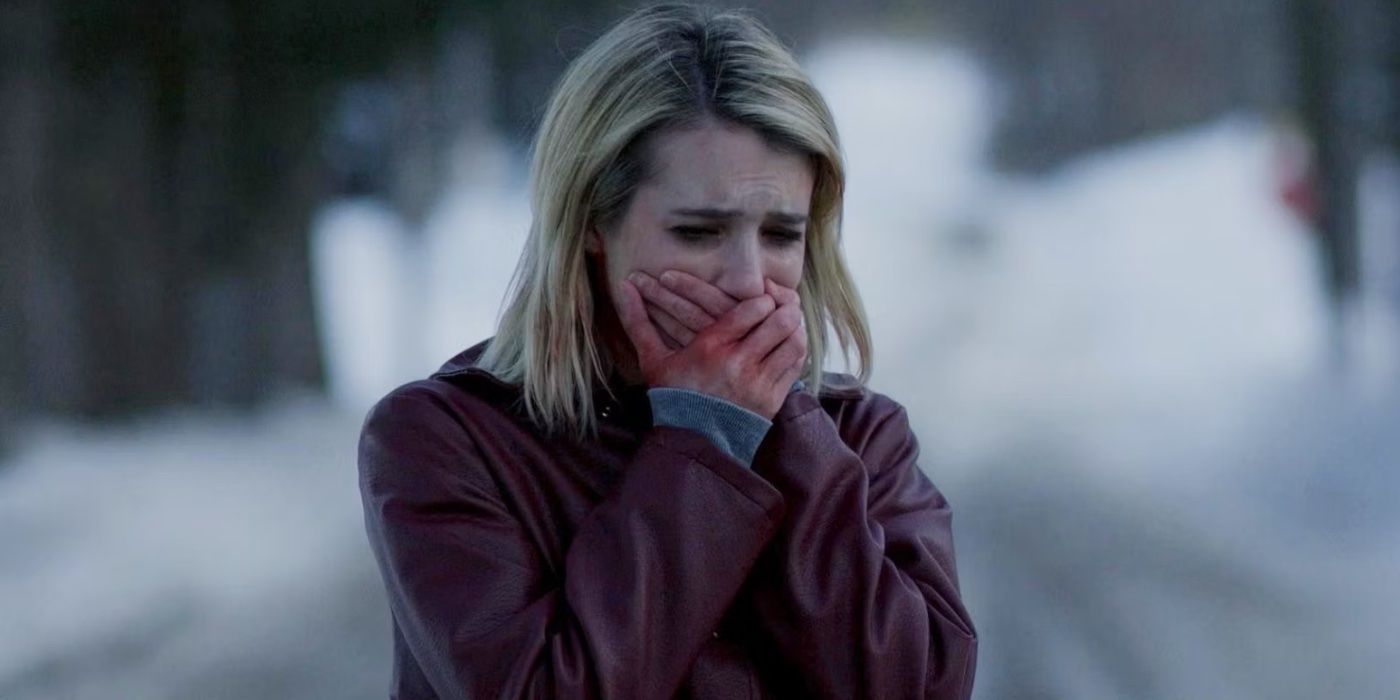
“Hail Satan… wait, I can explain.” The Blackcoat’s Daughter is a chilling, atmospheric film that immerses viewers in a world of bleakness and tension. Directed by Oz Perkins, the son of legendary actor Anthony Perkins, this film intricately weaves two timelines within an all-girls boarding school during a bitter winter. Initially, it appears to be a story centered on loneliness and abandonment, but it gradually evolves into a narrative steeped in darkness, ritualistic themes, demonic influences, and profound sadness. The horror here is both existential and supernatural. It delves into the desperate need for connection, even if that connection leads to malevolent forces.
Both Kiernan Shipka and Emma Roberts deliver hauntingly realistic performances, perfectly complemented by the oppressive, snowy isolation of the setting, which amplifies feelings of helplessness. While the film employs possession tropes, it skillfully avoids clichés, turning them inward and creating a disturbingly intimate experience. Although it may not reach the heights of Hereditary, this film certainly deserves more than its current IMDb rating of 5.9.
7
‘Let’s Scare Jessica to Death’ (1971)
Directed by John Hancock
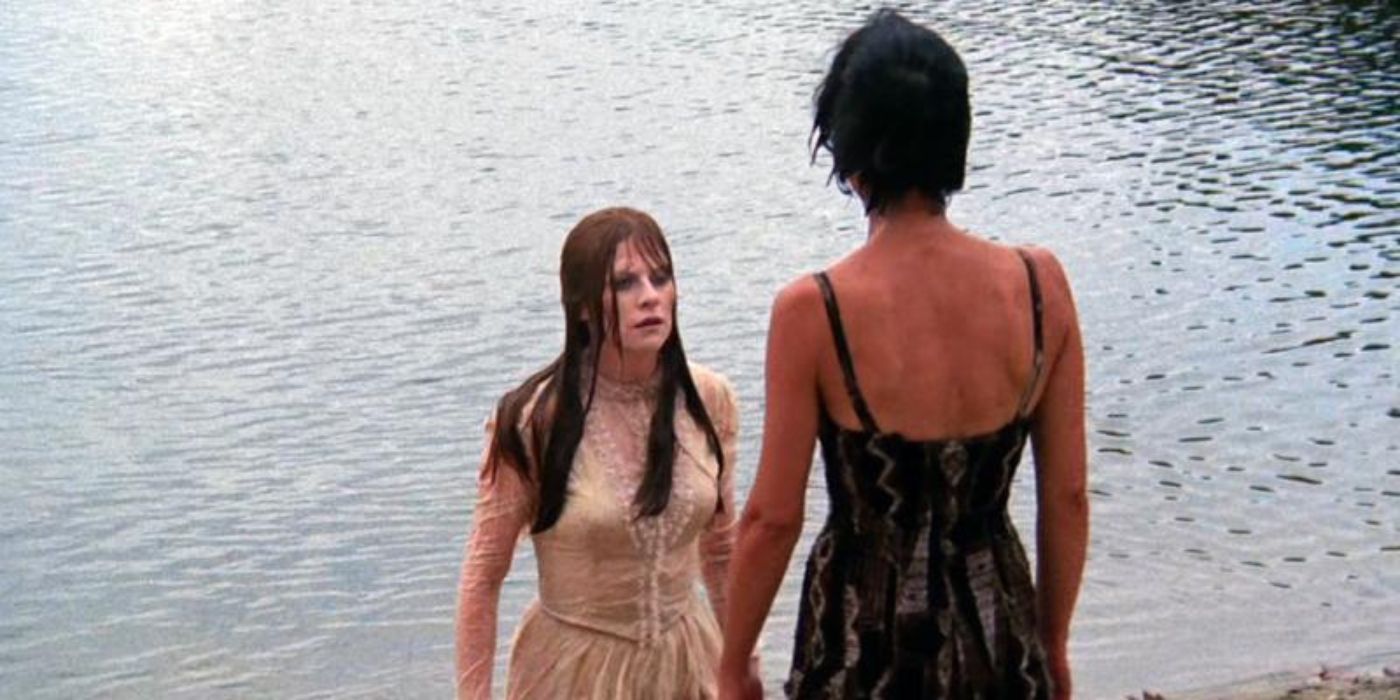
“I sit here and I can’t believe that it happened… and yet I have to believe it.” Jessica (Zohra Lampert) is a woman recently released from a mental institution, seeking a fresh start in the tranquil countryside alongside her husband and friend. However, as whispers linger in the air and shadows flit just beyond her vision, she begins to question her grip on reality. Let’s Scare Jessica to Death masterfully portrays a descent into paranoia, utilizing ethereal visuals, an unsettling score, and the persistent notion that Jessica’s fears may not be mere figments of her imagination.
The film’s true brilliance lies in its ambiguity. It never fully clarifies whether we are witnessing a ghost tale, a psychological breakdown, or something even more bizarre. Through its melancholic haze, Let’s Scare Jessica to Death encapsulates the dread of losing touch with one’s sanity and the terror of the unknown that lurks within. Although it initially flopped, this film has rightfully garnered a devoted cult following.
6
‘Session 9’ (2001)
Directed by Brad Anderson
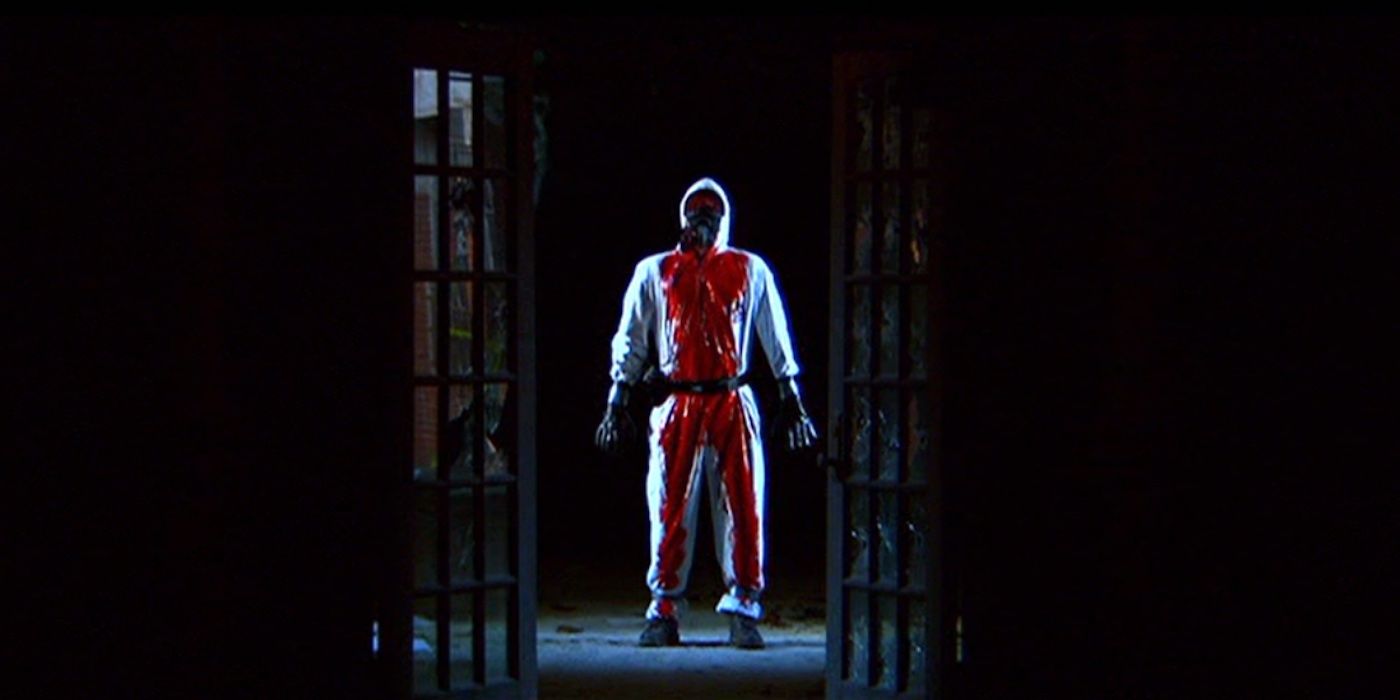
“I live in the weak and the wounded.” Set in a decaying abandoned mental asylum, Session 9 penetrates the psyche without resorting to bloodshed or gimmicks. A team of workers tasked with asbestos removal spends several days clearing out the deteriorating structure. As the days progress, they begin to unravel psychologically and physically. There is something inherently wrong with the building—something that feeds on their fears, guilt, and vulnerabilities.
Peter Mullan delivers a performance marked by terrifying restraint, while the film’s sound design—particularly the eerie tape recordings of a patient with multiple personalities—intensifies the sense of decay. Collectively, Session 9 emerges as a genuinely unsettling horror experience devoid of traditional monsters or gore. Instead, the true horror lies in the notion that the most frightening elements may already reside within you. The film is tightly woven, effectively conveying a substantial narrative in just 100 minutes.
Session 9
- Release Date
- August 10, 2001
- Runtime
- 100 minutes
5
‘The Addiction’ (1995)
Directed by Abel Ferrara
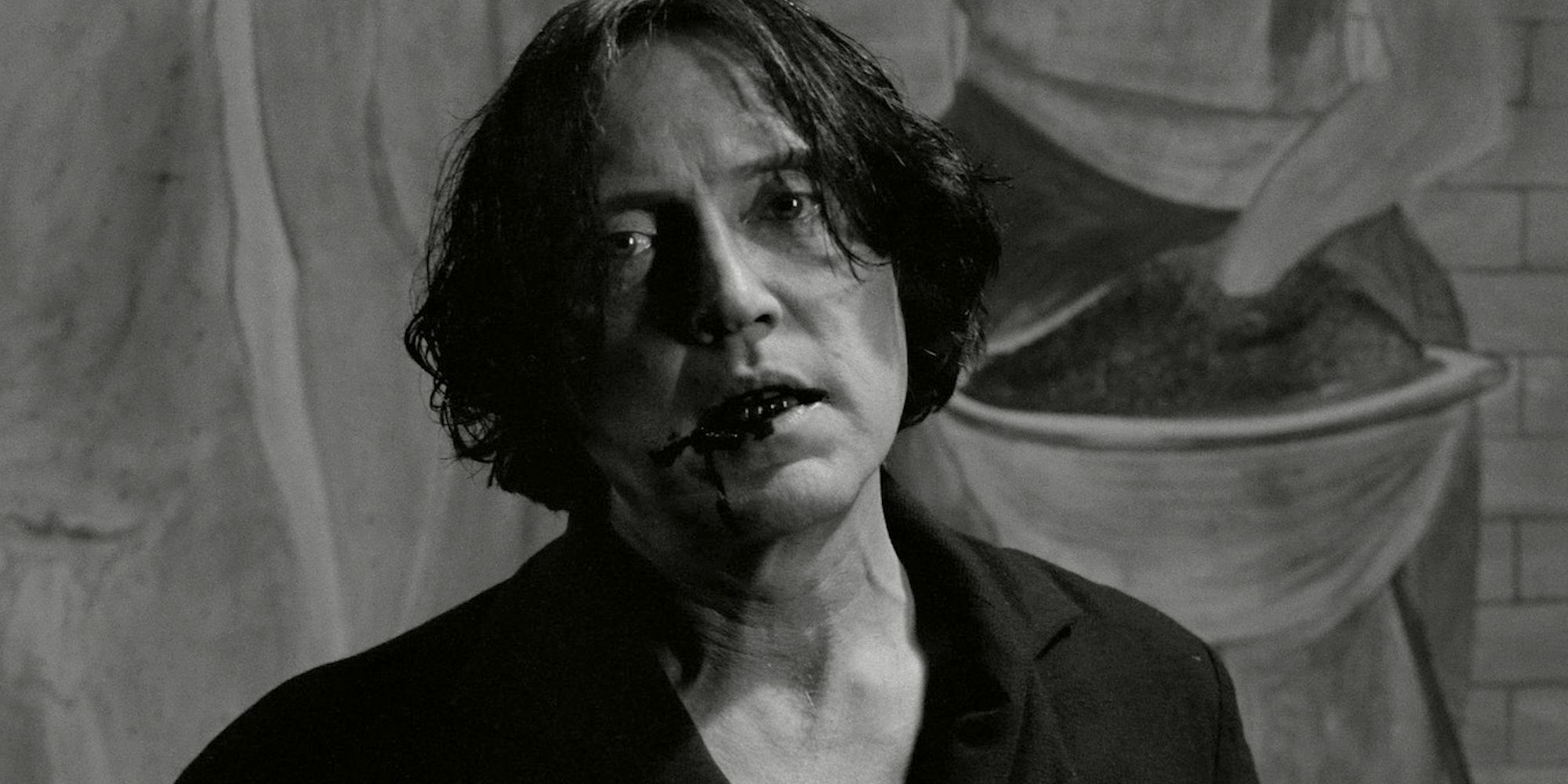
“To face the truth is to lose one’s faith easily.” The Addiction is a unique take on the vampire genre, steeped in existential philosophy and gritty black-and-white visuals. Lili Taylor portrays a graduate student who is bitten in a deserted New York alley. She soon realizes that vampirism transcends mere bloodlust; it embodies a profound moral decay. Under the direction of the visionary Abel Ferrara, this film becomes a meditation on evil as a disease, a contagion that spreads through time, rationalized by ideologies, and buried under layers of denial. While some may find it pretentious, such is the nature of its postmodern, blood-soaked narrative exploring guilt and sin.
Taylor’s transformation unfolds gradually and introspectively, marked by insatiable hunger, arrogance, and despair. She immerses herself in the works of William S. Burroughs and Nietzsche between acts of violence. Opposite her, the ever-memorable Christopher Walken portrays a weary older vampire who has learned to suppress his primal urges. Together, these characters allow The Addiction to comment on the futility of striving for purity in a world already steeped in moral darkness.
4
‘The Invitation’ (2015)
Directed by Karyn Kusama
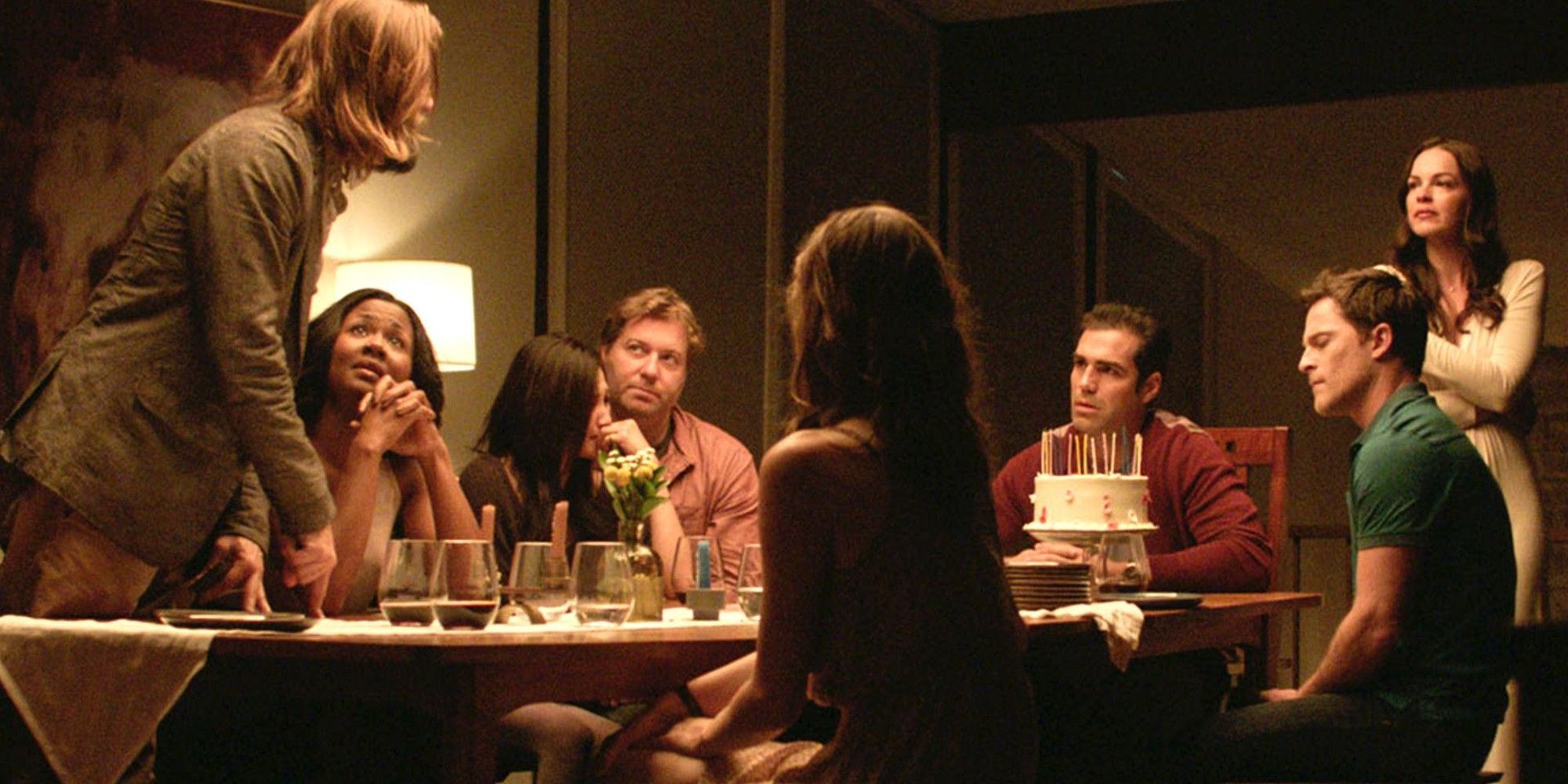
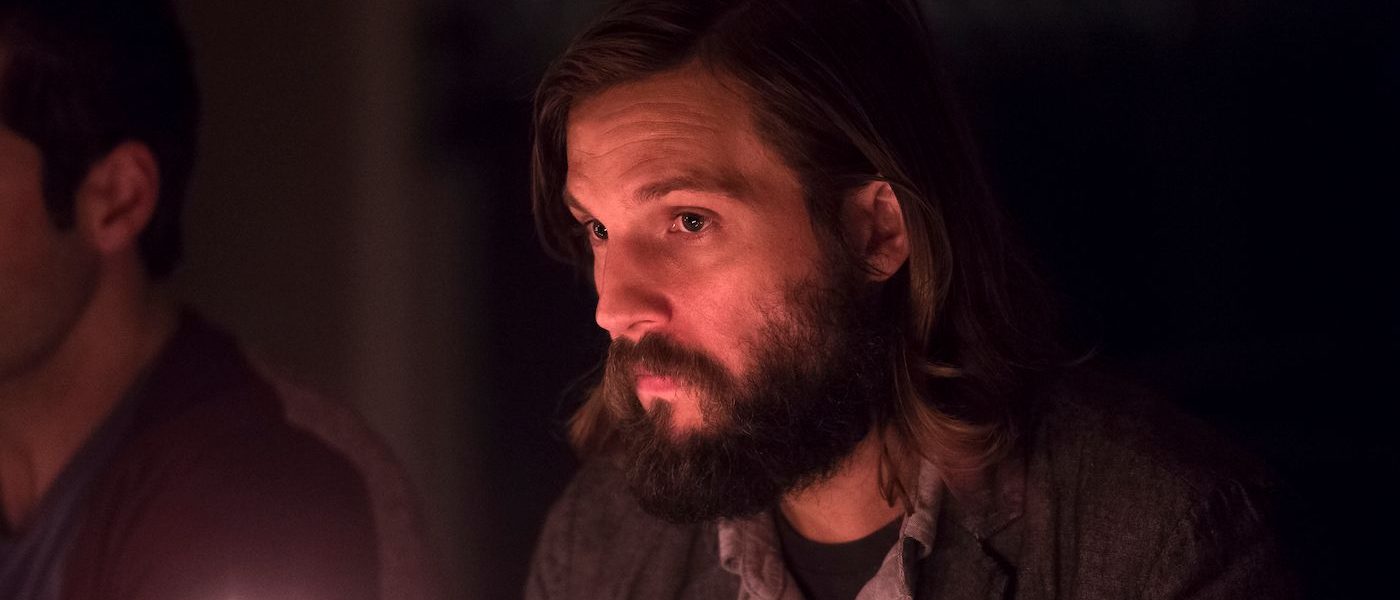
“There’s nothing to be afraid of.” The dinner party horror genre reaches new levels of tension and discomfort in The Invitation. The film chronicles an awkward reunion among friends that spirals into something profoundly disturbing. A man (Logan Marshall-Green) arrives at his ex-wife’s home nestled in the Hollywood Hills, only to discover that the grief and trauma that once tore them apart have morphed into a cult-like atmosphere. Amidst the wine, smiles, and gentle melodies, an unsettling realization dawns: something feels profoundly wrong.
Director Karyn Kusama expertly stretches the tension, akin to a taut rubber band, teasing viewers with the anticipation of when it will finally snap. Each actor delivers nuanced, ambiguous performances that elevate the narrative. Is the protagonist merely paranoid? Or is he the only one with clarity? The Invitation weaponizes the themes of politeness, denial, and societal pressure to maintain normalcy. The climax is a gut-punch revelation that reframes the entire experience.
3
‘The Keep’ (1983)
Directed by Michael Mann
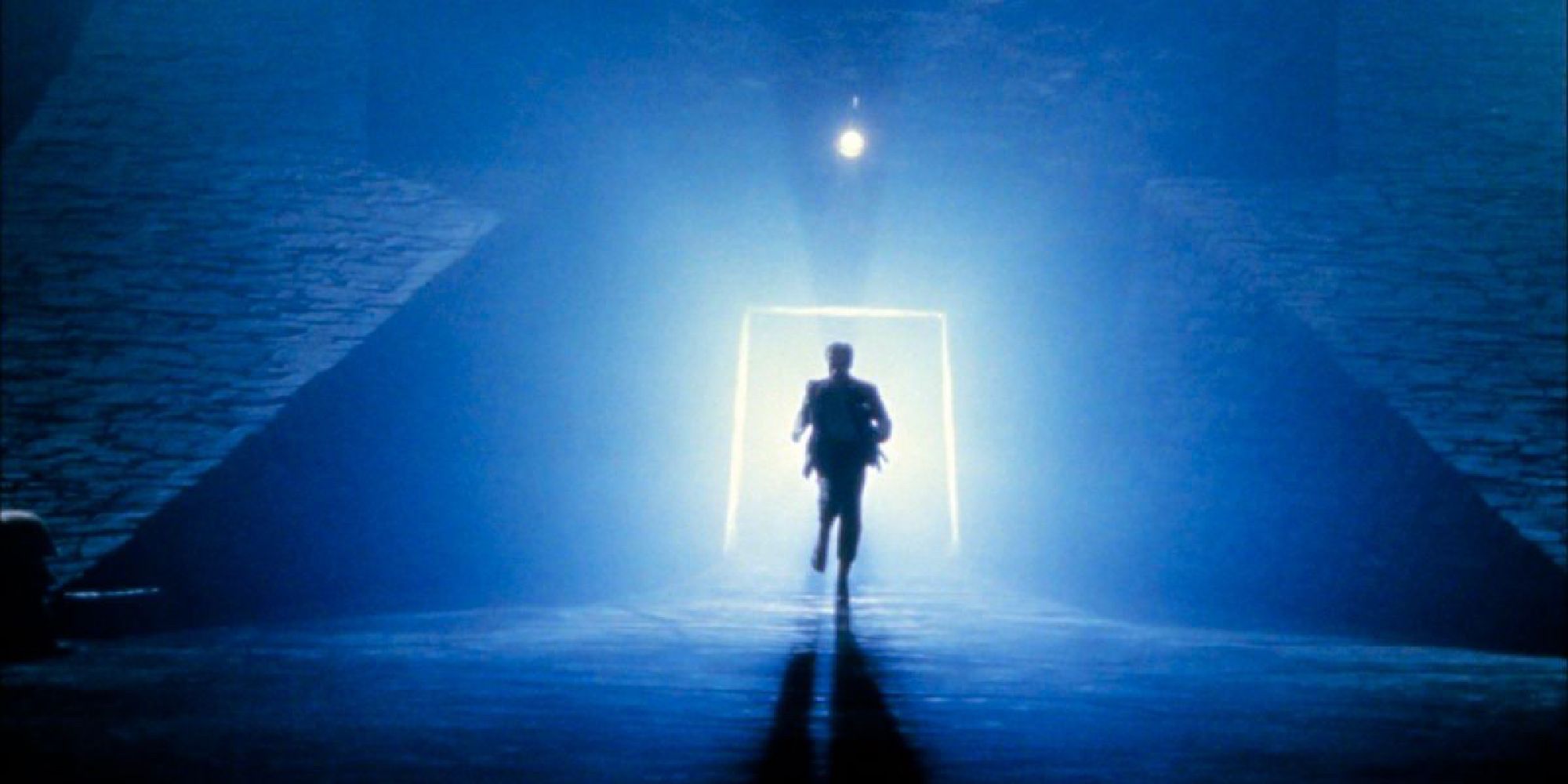
“I have no name.” The Keep stands as a captivating failure, an audacious visual fever dream. Directed by Michael Mann, this supernatural horror film set during World War II is a chaotic mix of gothic mystique, synth-driven ambiance, and otherworldly terror. A battalion of Nazi soldiers occupies a mysterious Romanian fortress, inadvertently awakening an ancient entity sealed within. It’s a bizarre narrative that feels like a blend of monster movie and metaphysical nightmare.
Though the plot may be jumbled—largely due to studio interference—the mood is undeniably potent, filled with haunting, surreal imagery. The Keep operates on a level of atmosphere alone, which is not a negative aspect. Mann and his crew create striking visuals, featuring glowing red eyes, fog-shrouded hallways, and a dreamlike score by Tangerine Dream. The final product, while messy and flawed, remains highly memorable, invoking a rare mythic horror experience in mainstream cinema. At the very least, it’s worth viewing for those who appreciate Michael Mann’s body of work.
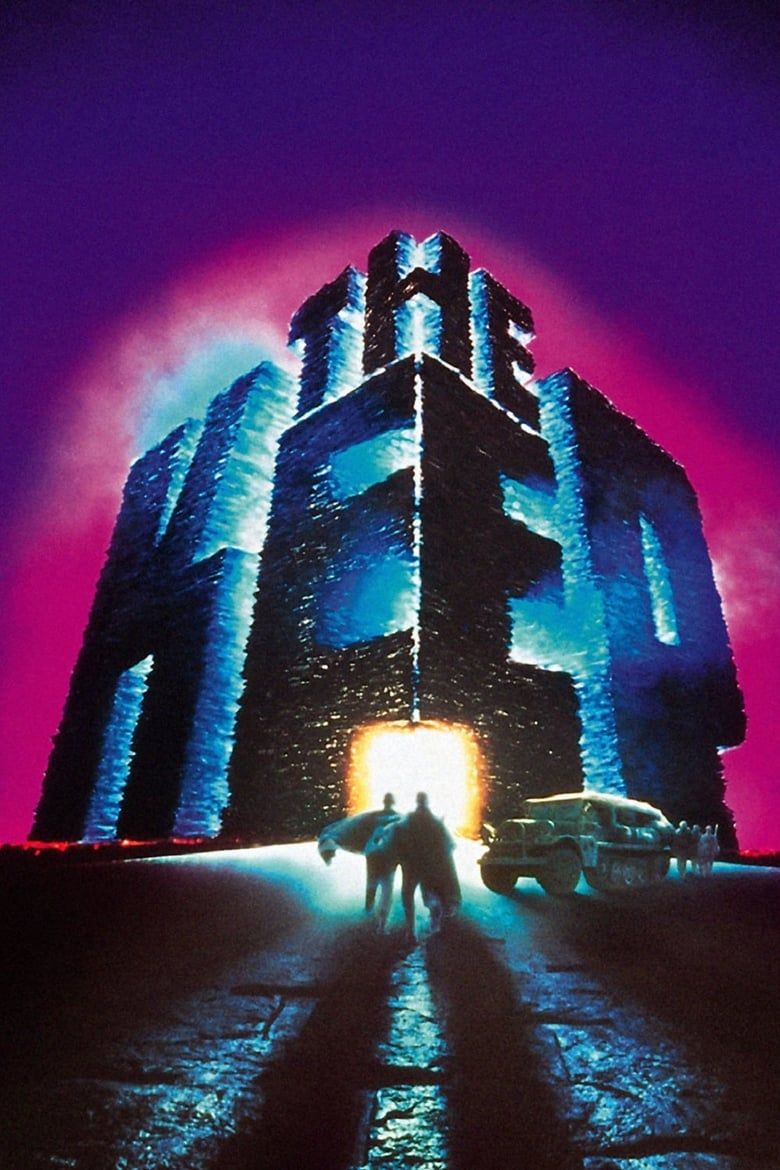
The Keep
- Release Date
- December 16, 1983
- Runtime
- 96 minutes
2
‘The Autopsy of Jane Doe’ (2016)
Directed by André Øvredal
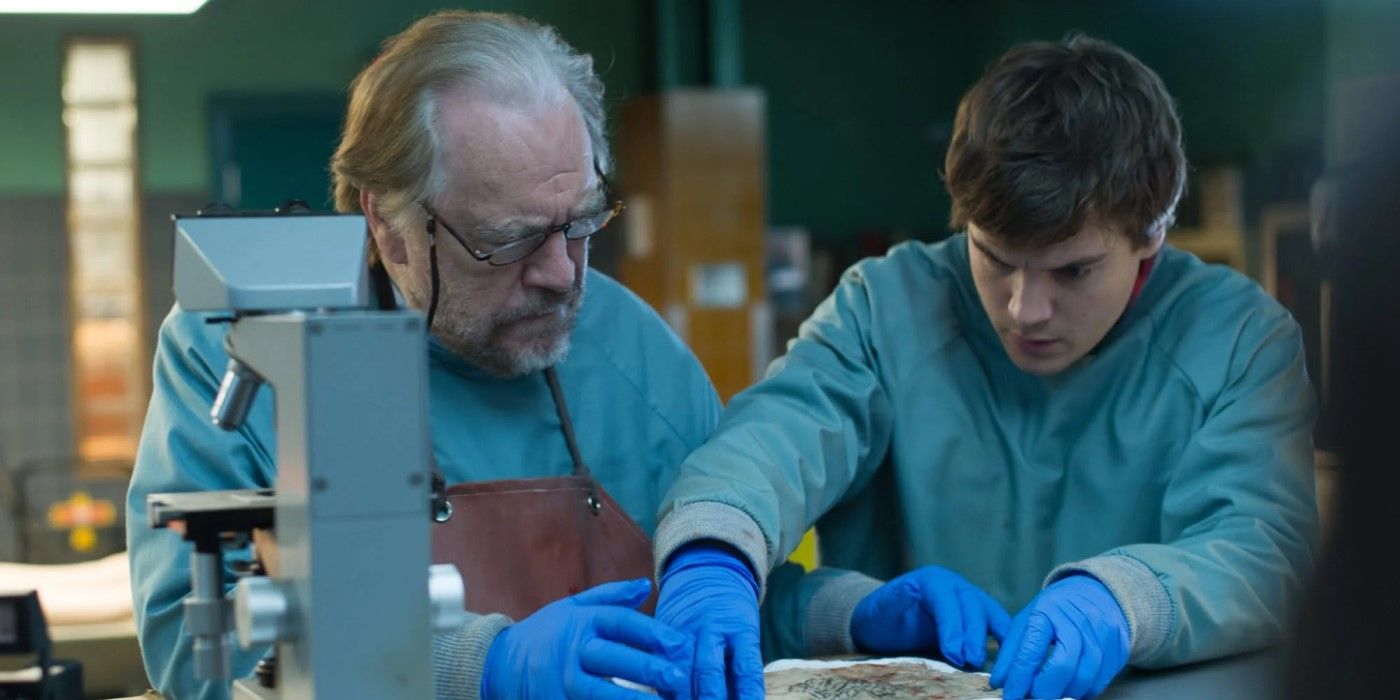
“Every body has a secret.” This minimalist horror film unfolds almost entirely within the confines of a morgue. The story follows a father-son duo of coroners (played by Brian Cox and Emile Hirsch) as they conduct an autopsy on an unidentified woman discovered half-buried at a crime scene. As they delve deeper, nothing adds up: her organs bear signs of trauma, yet her exterior appears immaculate. As events unravel, a sense of dread escalates. This film blends a locked-room mystery with supernatural horror, resulting in a narrative that is both simple and horrifyingly effective.
Under the direction of André Øvredal, tension is built with surgical precision, with each incision revealing ominous clues. The setting remains unchanged, yet the atmosphere of danger intensifies with every passing moment. The film crafts an oppressive ambiance, delivering inventive scares, and the gradual unveiling of Jane Doe’s true nature is both shocking and tragic. Ultimately, The Autopsy of Jane Doe demonstrates that often, the most chilling horror stories come in small, cadaver-shaped packages.
1
‘Lake Mungo’ (2008)
Directed by Joel Anderson
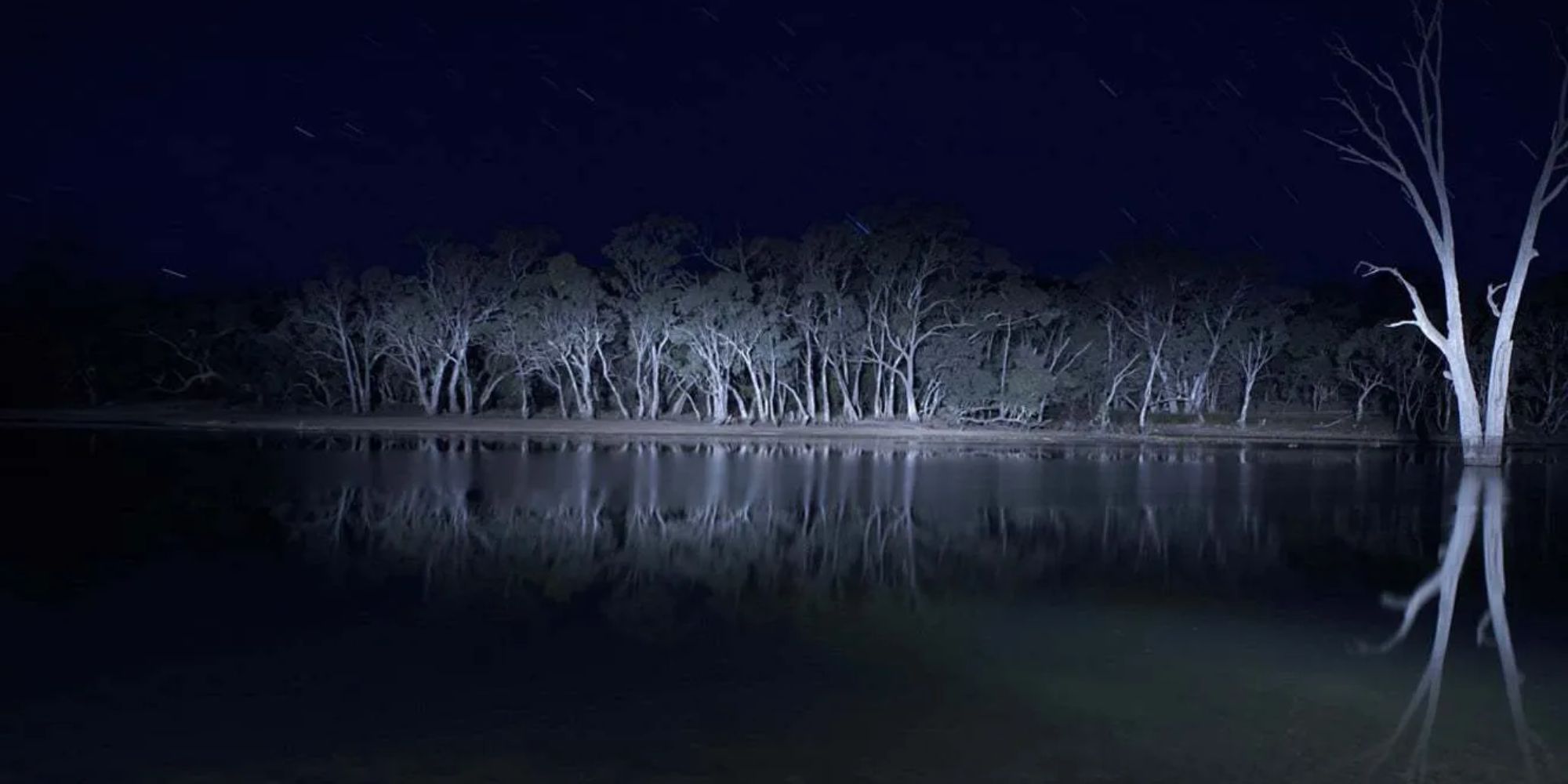
“I feel like something bad is going to happen to me.” Lake Mungo is an unsettling horror film that slowly infiltrates your psyche. Presented as a faux documentary, it narrates the heart-wrenching story of a family coping with the unexpected drowning of their teenage daughter, Alice (Talia Zucker). In the weeks following her death, strange occurrences unfold—eerie photographs, inexplicable sounds, and lingering doubts about the nature of their loss. This film transcends a typical ghost narrative, delving into themes of grief, secrets, and the mysteries that lie within those we love. Few horror films are as layered and thought-provoking.
In terms of aesthetics, Lake Mungo utilizes the documentary format to eerie effect, grounding supernatural elements in interviews, found footage, and deeply personal testimonies. The scares are primarily subtle (with one exceptionally poignant jump scare), manifesting as moments of uncanny stillness that resonate with authenticity. The final act is particularly devastating, revealing a truth that recontextualizes everything that precedes it.
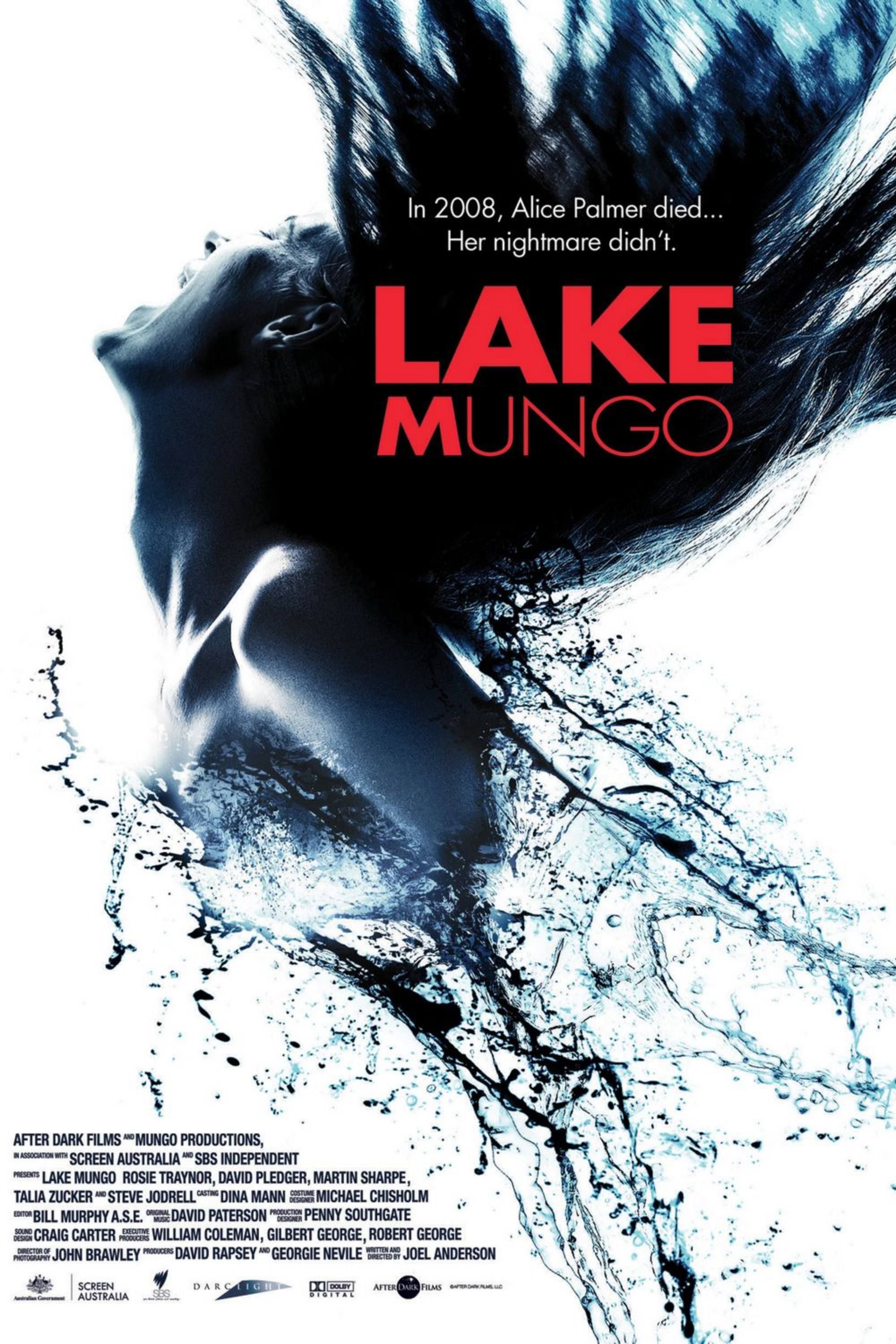
Lake Mungo
- Release Date
- January 29, 2010
- Director
- Joel Anderson