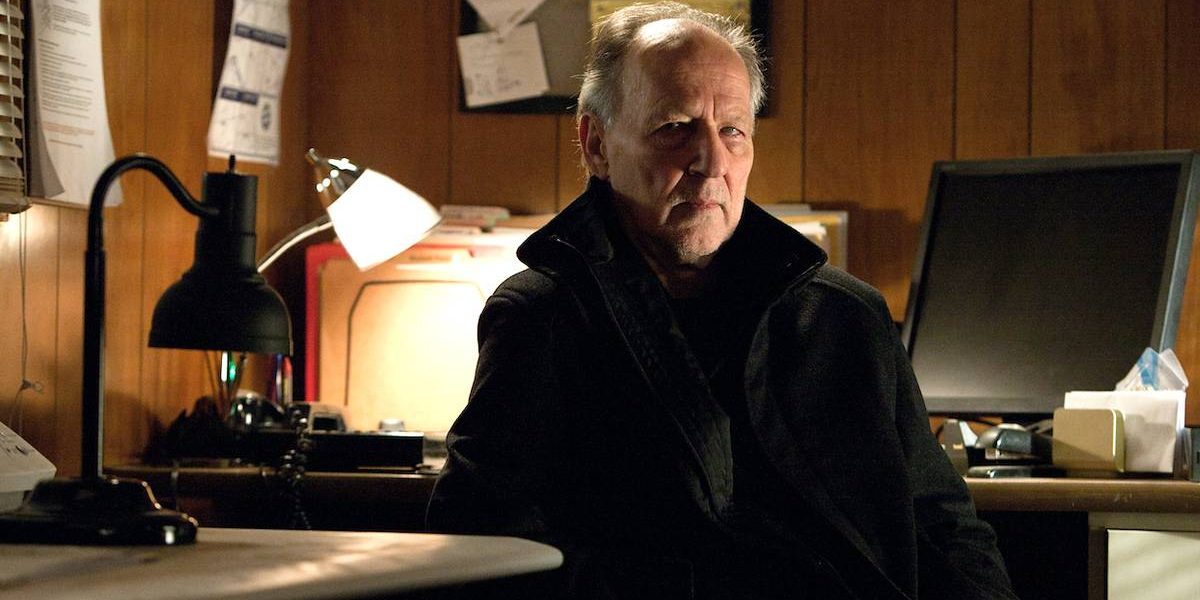
Although many actors transition into directing, few filmmakers also take on acting roles as part of their careers. Even though Martin Scorsese can deliver a hilarious cameo in <em>The Studio</em> and Quentin Tarantino occasionally appears in his own films, they primarily identify as directors and are not typically seen as serious acting candidates. Werner Herzog is among the most influential filmmakers of all time and is also a talented actor, having delivered compelling performances since his early German films in the 1970s. While no one anticipated Herzog’s role as the antagonist in a Tom Cruise action film, Jack Reacher certainly benefited from his involvement.
Jack Reacher represented a significant shift for Cruise, not just because it was his first overt attempt at creating a franchise outside the Mission: Impossible series. If Cruise often starred in high-concept or science fiction films, then Jack Reacher was a nod to exploitation thrillers and gritty neo-noir narratives, with the titular character sharing more traits with Harry Callahan than with Ethan Hunt. A film as dark and pulpy as Jack Reacher required a memorable villain to signal that it would not be a typical star vehicle for Cruise. Herzog’s performance is not only exceptional but also exemplifies why Jack Reacher succeeded in defying expectations.
Why Werner Herzog Is the Ideal Antagonist for Tom Cruise
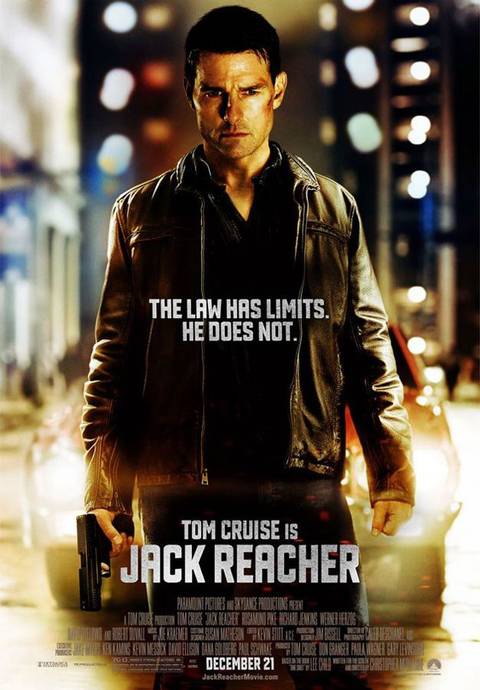
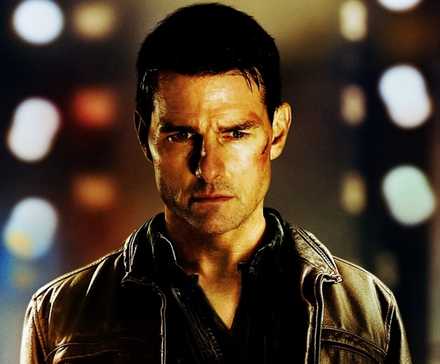
In contrast to the typical heroes portrayed by Cruise, Jack Reacher is a former US Army Major MP investigator who acts as a vigilante following a mass shooting that ignites a search for an unidentified assailant. While the shooter’s identity becomes entangled in a larger conspiracy, Herzog plays an enigmatic ex-Soviet known only as “Zek Chelovek,” who has coerced Detective Calvin Emerson (David Oyelowo) into framing Reacher for the crime. The Russian gangster archetype is prevalent in action films, which could have made this portrayal feel clichéd; however, Herzog possesses the worldly experience and grit necessary to make the role credible. While Reacher is an effective hero because he operates outside the constraints of military and law enforcement protocols, Zek is even more unpredictable, seemingly willing to cross any line. This is particularly evident in a chilling scene where Zek forces one of his subordinates to harm himself as an act of humiliation, marking one of the most violent moments ever depicted in a PG-13-rated film.
Why Did Tom Cruise Stop Playing Jack Reacher?
There can only be one.
A recurring challenge in many of Cruise’s films is identifying suitable villains since he is such an unparalleled movie star that finding someone who can match his charisma or demonstrate equal dedication to physical performances proves difficult. Herzog serves as the perfect counterpoint to Cruise because he hails from an entirely different generation of film history, bringing with him substantial experience that enhances any threats he delivers. While Reacher represents one of Cruise’s more serious roles—lacking the snarky humor characteristic of Pete Mitchell—Zek embodies a villain who takes sadistic pleasure in tormenting others. At this point in his career, Herzog had appeared infrequently in films, making it impossible not to consider his entire history as a storyteller when evaluating his performance in Jack Reacher; he was an excellent choice because, in many respects, Herzog was akin to the Cruise of his era due to the risks he took to realize his ambitious projects.
‘Jack Reacher’ Is One of the Most Underrated Action Films of the 2010s
Herzog proved to be an effective villain in Jack Reacher, drawing out the darkness within the titular character, making it impossible not to root for Reacher to defeat Zek by the film’s conclusion—something he achieves through one of the most overt displays of ruthlessness seen throughout Cruise’s career. Although Cruise faced criticism for not resembling the character as envisioned in Lee Child‘s novels, Christopher McQuarrie‘s screenplay crafted a tight, complex thriller focused on internal investigations and judicial corruption that resonated with the ongoing threat of mass shootings in the United States—a fact that became tragically more relevant during the month of the film’s release. Herzog was less an “action movie villain” and more an embodiment of genuine menace, indicating that Jack Reacher represented a serious test of what Cruise and McQuarrie could achieve together. The involvement of such a legendary artist underscored McQuarrie’s remarkable growth as a filmmaker over the decade since his debut.
In hindsight, Jack Reacher now feels like an unexpected success because the film could have easily been compromised if produced at another time. It emerged from the unforeseen success of Mission: Impossible — Ghost Protocol, but was developed before franchise filmmaking became Cruise’s primary focus. Additionally, Herzog’s relative obscurity as an actor at this stage contributed positively; although he would later appear in entertaining guest roles on <em>The Mandalorian</em>, his comedic performances in Penguins of Madagascar and Rick and Morty allowed him to adopt a more humorous tone. One reason why Jack Reacher: Never Go Back, which ended Cruise’s tenure as this character, was such a disappointment is that its sequel lacked a villain nearly as captivating as Herzog.
Jack Reacher is available to stream on Paramount+ in the U.S.