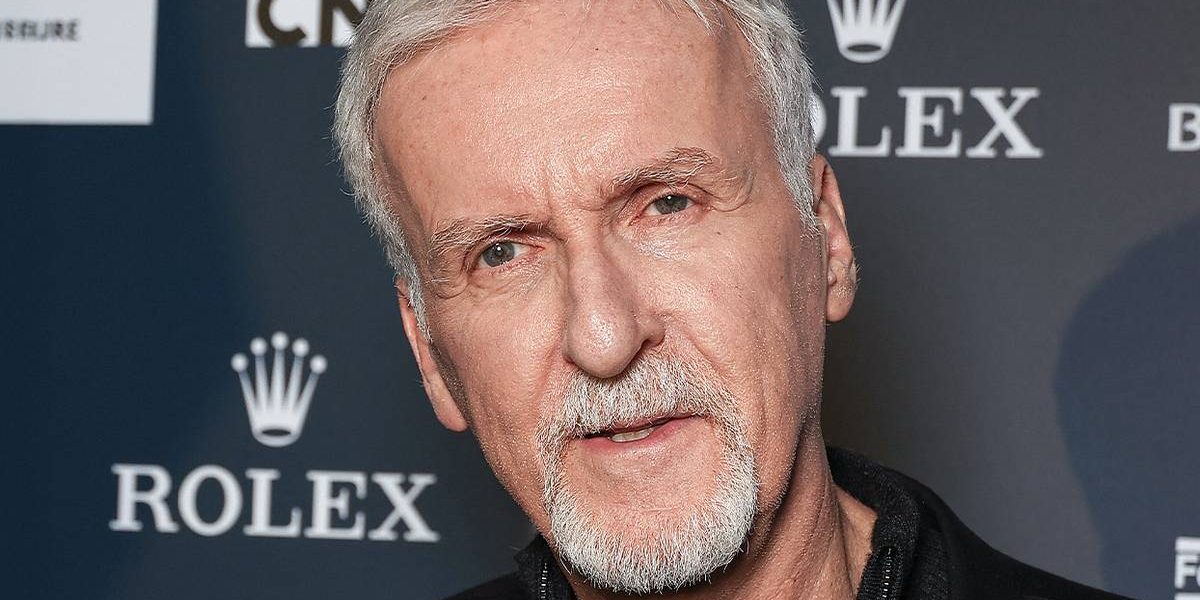
With movies like Titanic, the Avatar trilogy, and many more, James Cameron is one of the most successful directors of all time. However, in the early ’80s, he was a struggling filmmaker. After his disappointing first feature, Piranha II: The Spawning, Cameron took time to focus on screenwriting, starting with The Terminator, which would become the film that established his career. In 1984, Cameron also wrote a script for a movie he would not direct, Rambo: First Blood Part II. This could have been a significant breakthrough for Cameron, but then Sylvester Stallone got involved.
Sylvester Stallone Saved Rambo’s Life in a ‘First Blood’ Rewrite
In 1982, Sylvester Stallone was already at the pinnacle of his acting career thanks to three highly successful Rocky films. In the same year that Rocky III was released, the star began a new franchise that would solidify him as one of Hollywood’s top action stars of the 80s. First Blood, based on a novel by David Morrell and directed by Ted Kotcheff, tells the story of a Vietnam veteran named John Rambo who returns home to the United States, only to face harassment from local police and ultimately fights for his life.
In Morrell’s novel, John Rambo dies at the end, and that was also the direction taken by Michael Kozoll and William Sacheim‘s script; however, Stallone strongly disagreed with this outcome. In an interview with CBS Mornings, Stallone explained that Colonel Trautman (Richard Crenna) was supposed to shoot and kill Rambo. He told the director, “That’s not the message I want to send here.” Ted Kotcheff became furious and destroyed the set, leading to Stallone walking out. Although he faced legal action later, he ultimately got his way.
James Cameron Wrote the Original Script for ‘Rambo: First Blood Part II’
If John Rambo had died in First Blood, Sylvester Stallone’s career trajectory would have been drastically different. The success of the film (which grossed $47 million domestically in 1982 on a $15 million budget) led to a five-film franchise that continued into 2019, with another film starring Noah Centineo announced for summer 2025. The most successful entry in the series was 1985’s Rambo: First Blood Part II, which grossed an impressive $150 million domestically, making it the third-biggest release of that year.
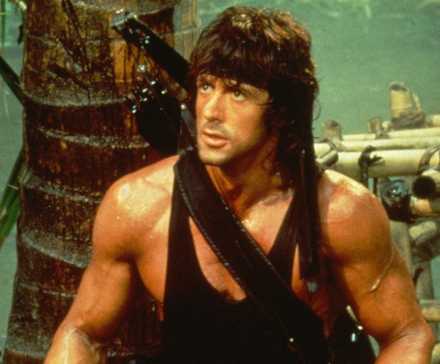
Rambo’s Second Adventure Almost Co-Starred This Iconic and Electric ‘70s Figure
John Travolta was nearly Sylvester Stallone’s expendable sidekick in Rambo: First Blood Part II.
This time, George P. Cosmatos was hired to direct, with Stallone and Richard Crenna both returning as leads. However, instead of two writers working on the script, it was assigned to just one person: a rising filmmaker named James Cameron. In a 1991 interview with Kenneth Turan of the Los Angeles Times, Cameron reflected on his experience with Rambo: First Blood Part II, stating that he did it for financial reasons. Although it helped establish production company Carolco and he appreciated its success, Cameron remarked, “I always have to distance myself from it because it’s not the film I wrote – it was substantially rewritten by Sylvester Stallone.“
Stallone Made Significant Changes to Cameron’s Story
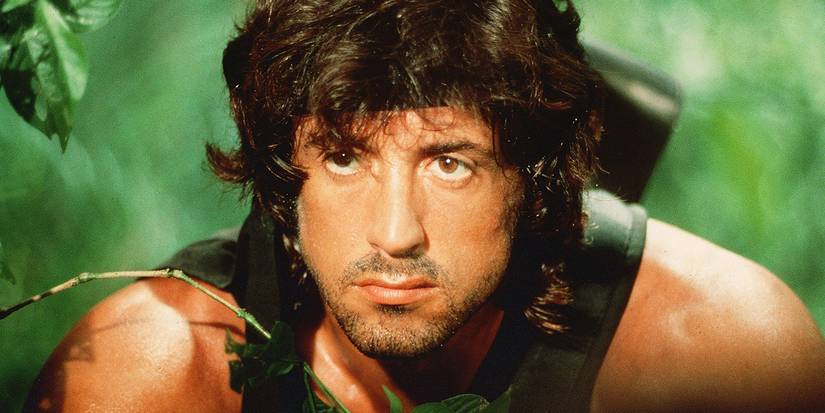
James Cameron clarified what he meant by saying:
“The script that I wrote was pretty violent but not in such an amoral way. I wasn’t really vocal about it at the time and actually it’s even dumber for me to be vocal about it now because I’m doing these movies with Carolco. I’m not going to turn around and bite the hand that feeds me.”
Cameron only met Stallone once for lunch to discuss the script. During this meeting, Stallone suggested one change: “He said, ‘I think you should put a girl in it.'”
In 1982’s First Blood, John Rambo is portrayed as a reluctant hero who only wants peace and does not kill anyone. This changed in Rambo: First Blood Part II, where he kills numerous enemies and holds a rocket launcher on the poster. Cameron’s original script titled First Blood II: The Mission included violence but focused more on character development similar to the first film. In his original story, Rambo would have been hospitalized in a psychiatric ward for veterans, further exploring his trauma. This aspect was removed in Stallone’s rewrite, which placed Rambo in a prison labor camp and eliminated deeper character exploration regarding his mental health. Additionally, there were plans for more detailed backstories for the POWs Rambo saves to enhance audience connection, but this was also cut to maintain focus on Rambo and straightforward action.
In a 1986 interview with The Hollywood Reporter, Cameron expressed that he chose to write First Blood: Part II due to Rambo’s underdog story. He envisioned a more serious character-driven film. Unfortunately, what resulted was a mindless action flick. However, when Cameron encountered Stallone after its release, he mentioned that Stallone wished they had used his original script. Ultimately though, Cameron repurposed his discarded ideas for his next blockbuster film. “I used a bit of it in Aliens, having them come back from something they were traumatized by. There was some delayed stress syndrome stuff in Aliens that wasn’t used in Rambo II.” While Rambo: First Blood Part II is not regarded as a great movie today, Aliens is celebrated as one of the smartest action films ever made.
Rambo: First Blood Part II is currently streaming on Prime.