
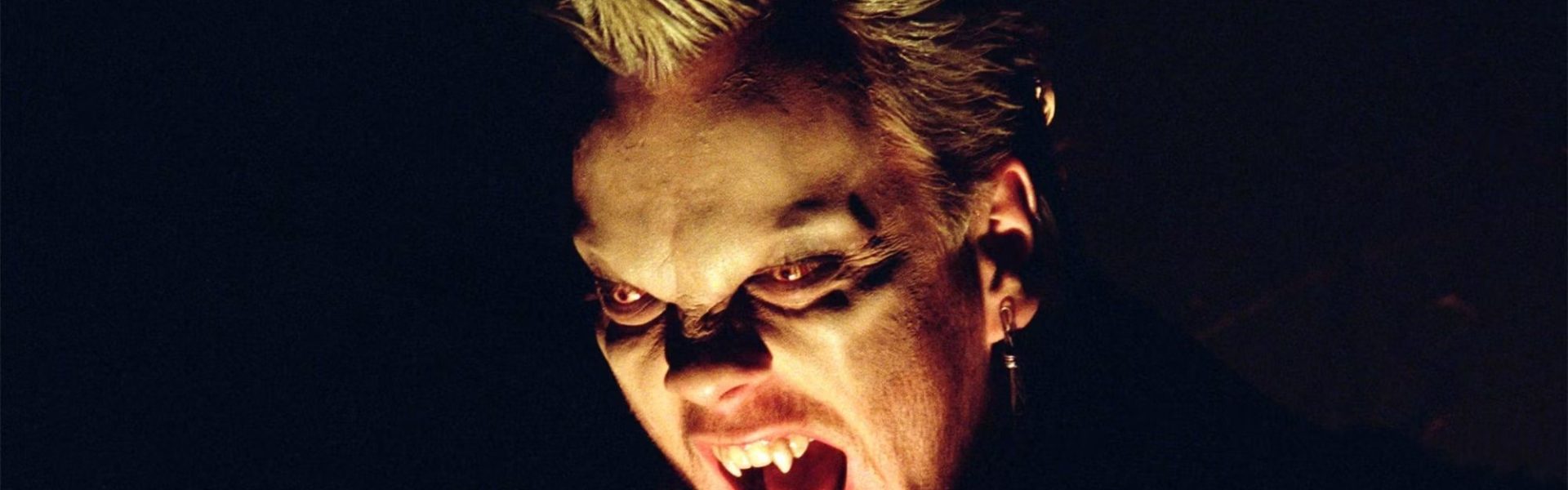
Over the past century, a select few vampire films have encapsulated the essence of the subgenre, captivating audiences with unique interpretations of vampires and their struggles. From the iconic 1922 classic Nosferatu to the more recent release of Sinners, the evolution of vampire storytelling has showcased a rich tapestry of themes and aesthetics that reflect societal changes and cinematic innovation.
While some vampire films aim to delve into the moral complexities faced by their undead characters, others highlight the humor intertwined with their existence, as seen in films like What We Do in the Shadows and Only Lovers Left Alive. This blend of genres showcases the versatile nature of vampire narrative, appealing to diverse audiences.
The truly remarkable vampire movies that have earned their status as masterpieces stand out in a crowded field. These films are celebrated for their exceptional storytelling and artistic merit, leaving an indelible impact on the horror genre and reshaping how vampires are perceived in cinematic history.
12
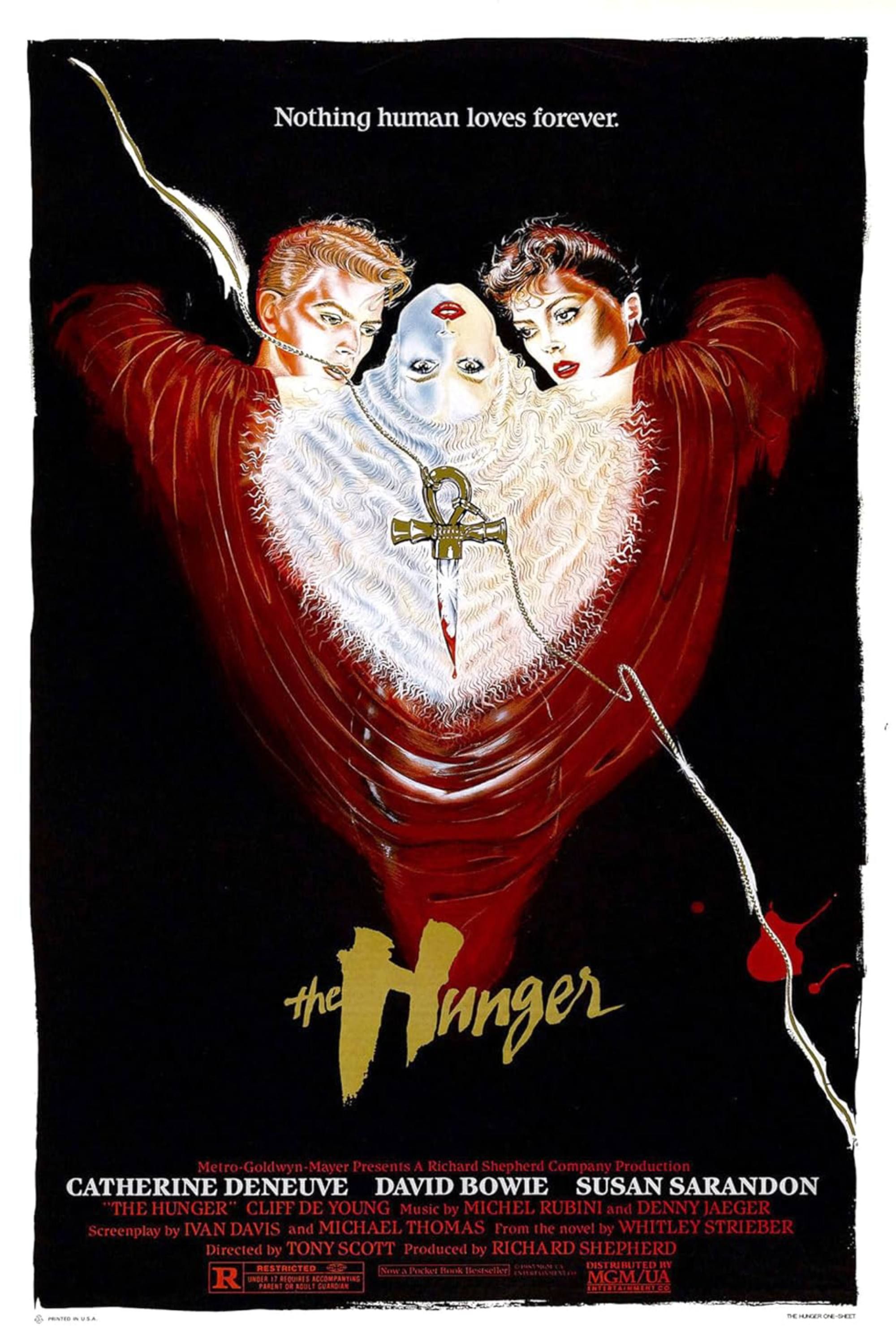
The Hunger (1983)
An Early Exploration of Supernatural Love Triangles
The Hunger
- Release Date
-
April 29, 1983
- Runtime
-
96 Minutes
The Hunger is an erotic horror film that vividly celebrates the gothic subculture, evident in nearly every meticulously crafted frame. Exploring themes of aging and polyamory, The Hunger invites audiences to reflect on the complexities of love and desire amidst the backdrop of eternal life. Although the film’s plot may not always shine as brightly as its striking visual aesthetic, the compelling ’80s style and dynamic cast easily overshadow any narrative shortcomings.
The film features an impressive cast, including Catherine Deneuve, David Bowie, and Susan Sarandon, who portray characters caught in a complex love triangle. The intersection of the LGBTQ+ community and the horror genre has a rich history, and The Hunger has garnered a dedicated cult following, partly due to its respectful representation of a sapphic love story, which resonates deeply with many viewers.
11
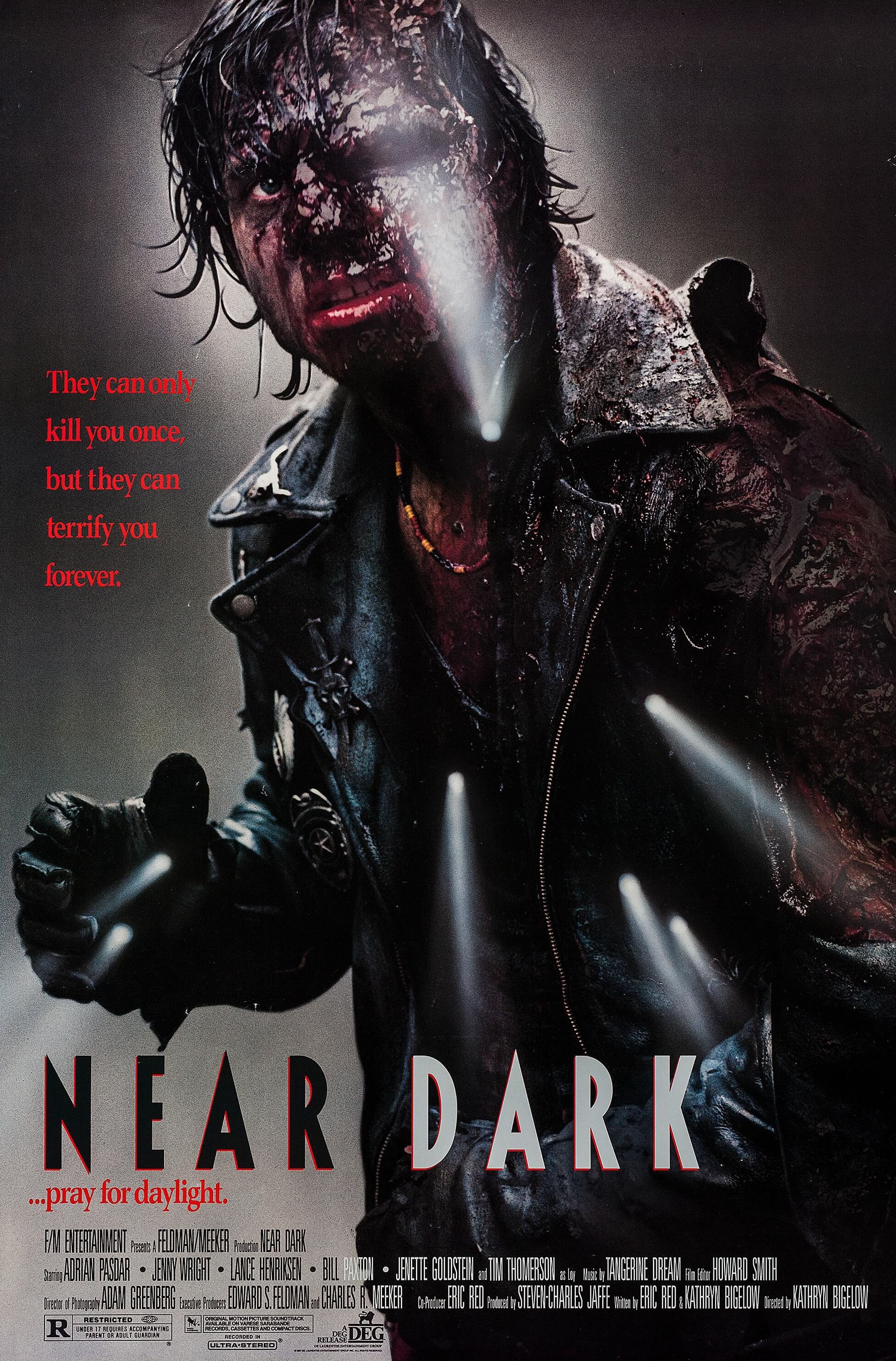
Near Dark (1987)
Recently Bitten: A Young Man Travels With Nomadic Vampires
Near Dark
- Release Date
-
October 2, 1987
- Runtime
-
94 minutes
Even today, few vampire films can rival the impact of Near Dark. Released in 1987, Kathryn Bigelow’s Near Dark emerged during a time of revitalization for vampire films in Hollywood. However, the film’s ingenious blend of Western and horror elements has allowed it to stand apart from other vampire films that emerged in the same era, creating a unique viewing experience.
Like any good romantic vampire movie, the love story in Near Dark is full of complications.
Audiences meet the nomadic vampire characters of Near Dark through a young man from Oklahoma, who unexpectedly finds himself entwined in their dangerous lifestyle. This romantic vampire film is rife with complications, highlighting the challenges and nuances of love amidst chaos. With its unabashed violence and a memorable score by Tangerine Dream, the film effectively encapsulates Bigelow’s vision for her directorial debut.
10
A Girl Walks Home Alone At Night (2014)
An Eerie Black and White Film About a Lonely Vampire
A Girl Walks Home Alone at Night introduces its protagonist, an unnamed vampire (Sheila Vand), who prowls the dark streets of the fictional Bad City, seeking her next victim. The Girl’s unexpected encounter with a lost human reveals a vulnerability rarely seen in a vampire, challenging the typical portrayal of these creatures. This Western-horror hybrid delves into the complexities of the human-vampire bond while addressing feminist themes, all through the lens of its vengeful, complex lead character.
The Girl, whose targets predominantly consist of violent men, takes on a vigilante role that empowers her to traverse Bad City without fear. This defiance of expectations associated with the film’s title enriches A Girl Walks Home Alone at Night with feminist undertones, transforming it into a profound commentary on gender and power dynamics.
9
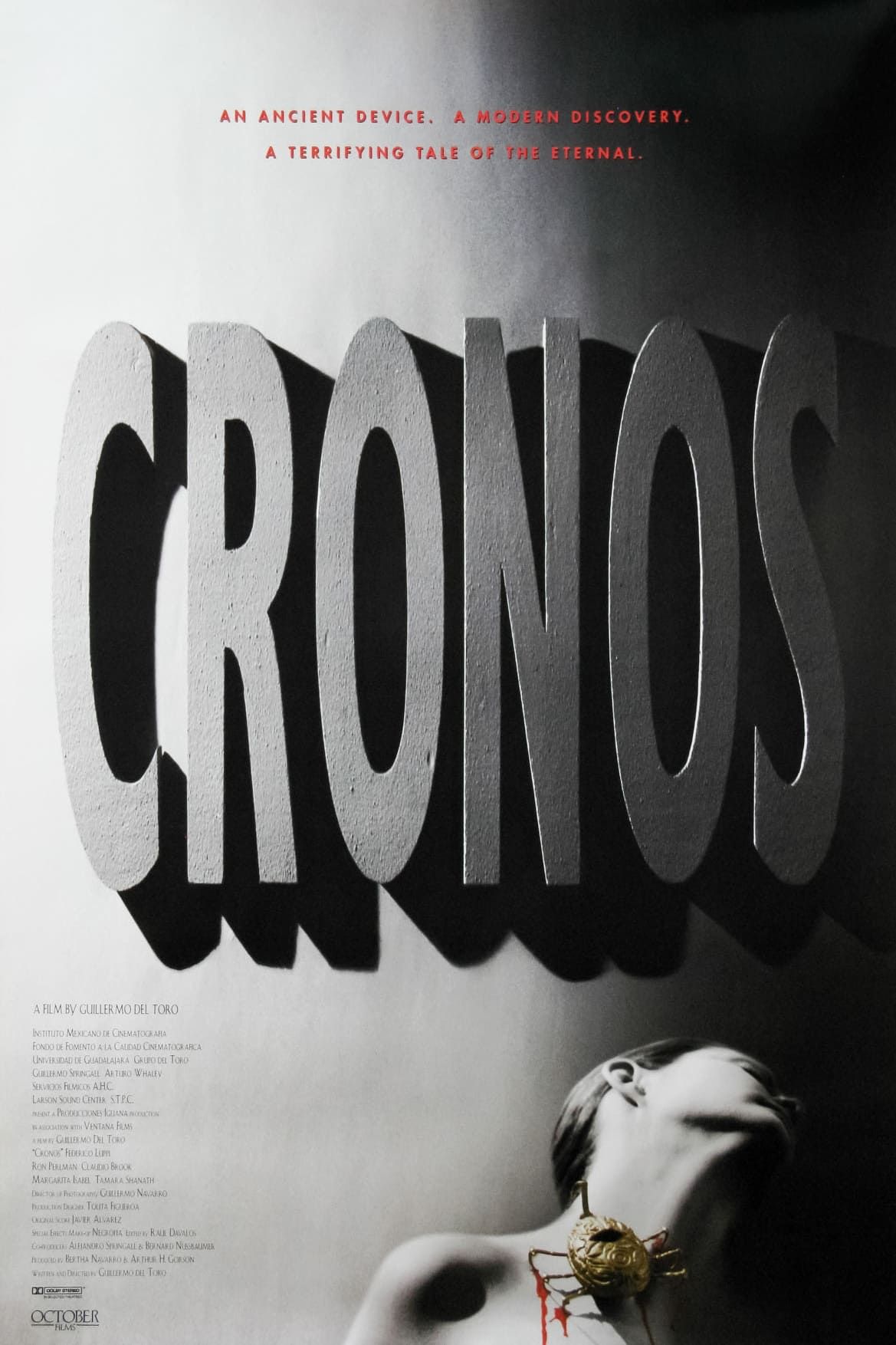
Cronos (1992)
A Strong Feature Film Debut from Guillermo del Toro
Cronos
- Release Date
-
May 17, 1993
- Runtime
-
94 Minutes
After helming several television episodes and short films, Guillermo del Toro made his feature film directorial debut with Cronos. This innovative horror film follows an elderly antique dealer whose encounter with an ancient scarab-like artifact grants him a second chance at life —but at the cost of an insatiable thirst for blood. Cronos has earned significant critical acclaim for its direction and originality, showcasing del Toro’s unique vision.
Del Toro skillfully balances the horror elements with compelling family drama, creating a narrative that resonates on multiple levels. Although del Toro’s horror films would evolve and refine his style in the years to come, Cronos serves as an excellent preview of the director’s future masterpieces, revealing that there is much more to explore within the vampire genre.
8
The Lost Boys (1987)
A Comical Cult Classic Filled with ’80s Stars
From its memorable quotes to the delightful fusion of comedy and horror, The Lost Boys is a quintessential ’80s vampire film that has achieved cult classic status. With its talented ensemble cast, The Lost Boys introduced an edgy, youthful charm to the vampire genre, offering a fresh perspective that continues to resonate with horror fans today.
The Lost Boys aims to provide audiences with an enjoyable experience, successfully redefining the vampire genre along the way.
The Lost Boys follows the story of two brothers (Jason Patric and Corey Haim) who relocate to a town that happens to be a hub for vampires. With its clever storytelling, stylish visuals, and a host of genuine scares, The Lost Boys delivers a thrilling ride. More than anything, this film seeks to entertain, achieving its goal while redefining expectations of the vampire genre.
7
Thirst (2009)
A Catholic Priest Struggles with a Desire for Blood
Thirst
- Release Date
-
April 30, 2009
- Runtime
-
134 Minutes
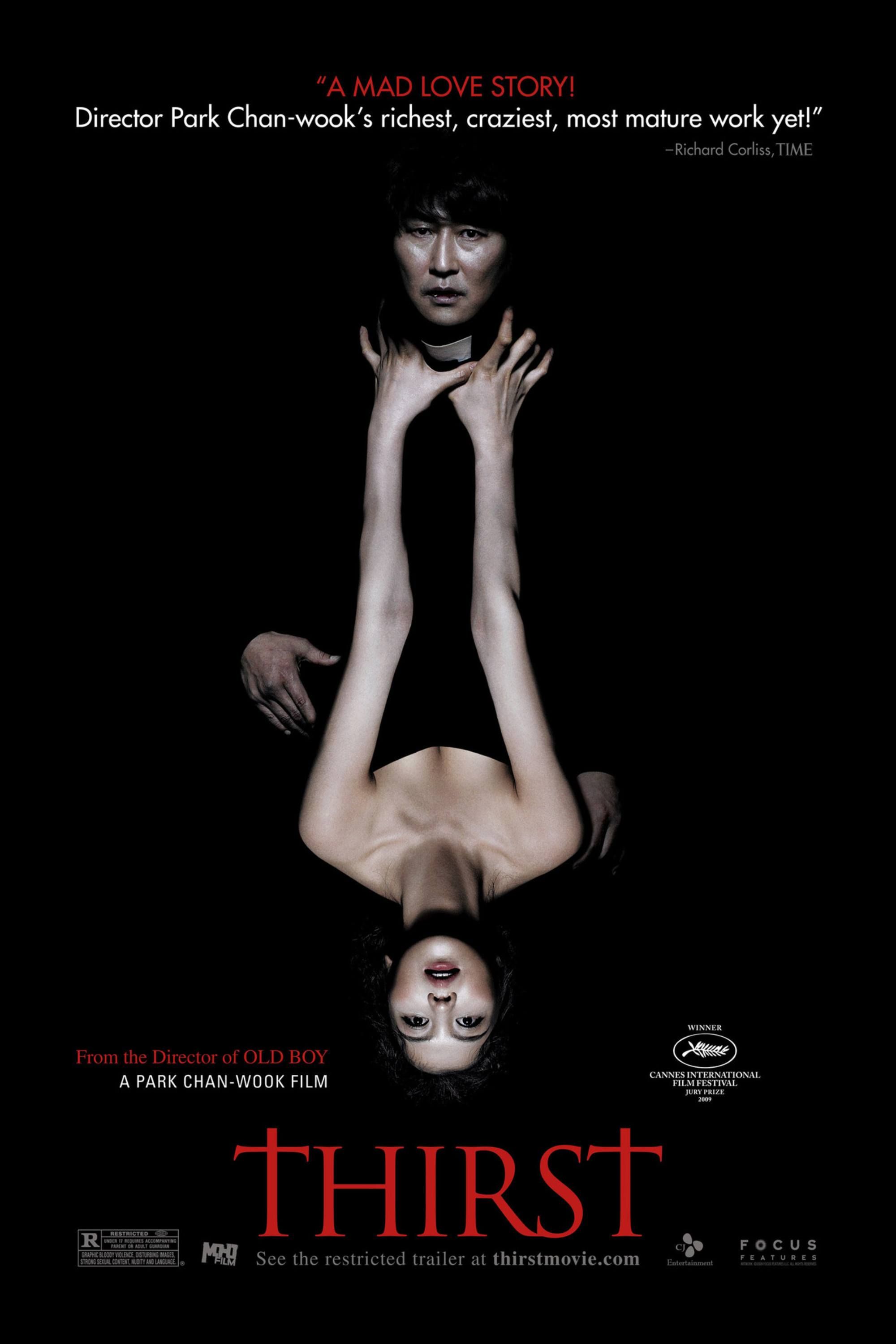
Both violent and sensual, Thirst offers a fresh take on familiar vampire tropes, delivering a story that is both tragic and comedic. The narrative follows Catholic priest Sang-hyun (Song Kang-ho) who undergoes a transformation into a vampire after a failed medical experiment. This drastic change leads him to face a profound crisis of faith as his thirst for blood intensifies, challenging his moral boundaries and personal beliefs.
As Sang-hyun grapples with his new reality, he finds himself drawn to the wife of an old friend, further complicating his struggle with desire and morality. Thirst, like many of Park Chan-wook’s films, is characterized by its brutal violence and dark humor, establishing itself as one of the standout Korean horror movies. The film’s thoughtful exploration of desire and the captivating performance by Song Kang-ho elevate it above its contemporaries, making it a must-see.
6
Sinners (2025)
A Vampire Film That Combines History and Horror
Sinners

9/10
- Release Date
-
April 18, 2025
- Runtime
-
138 minutes
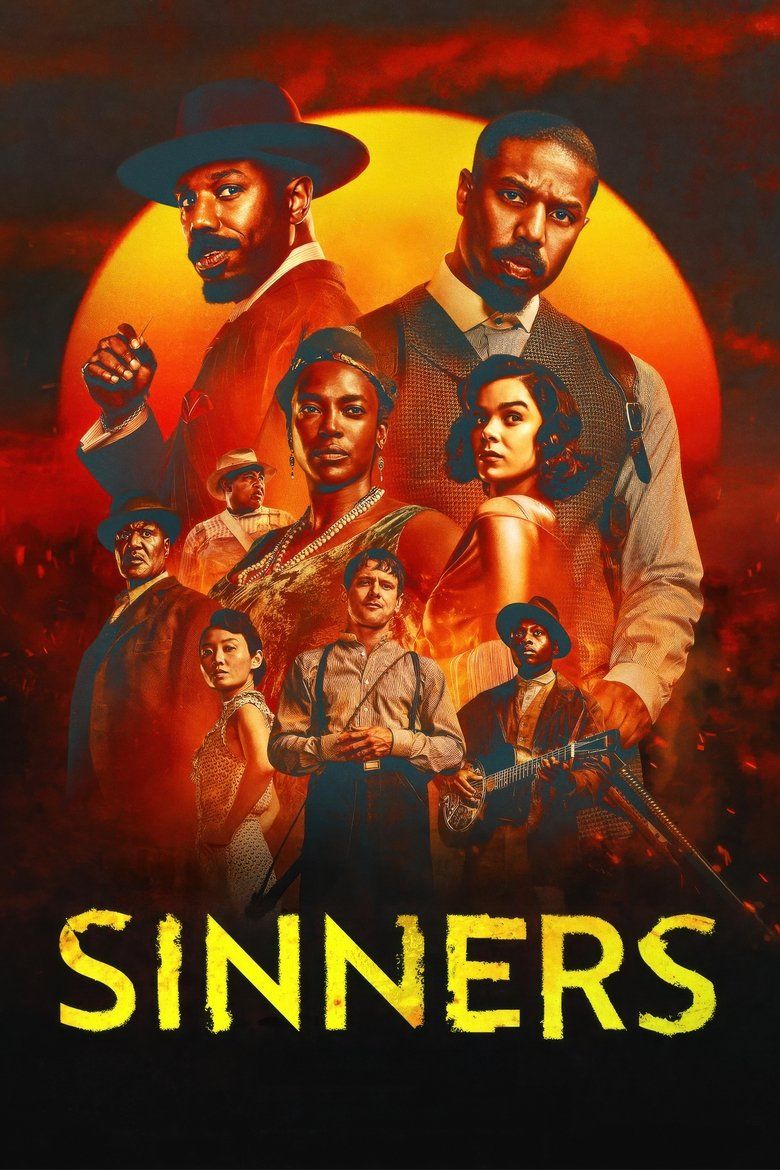
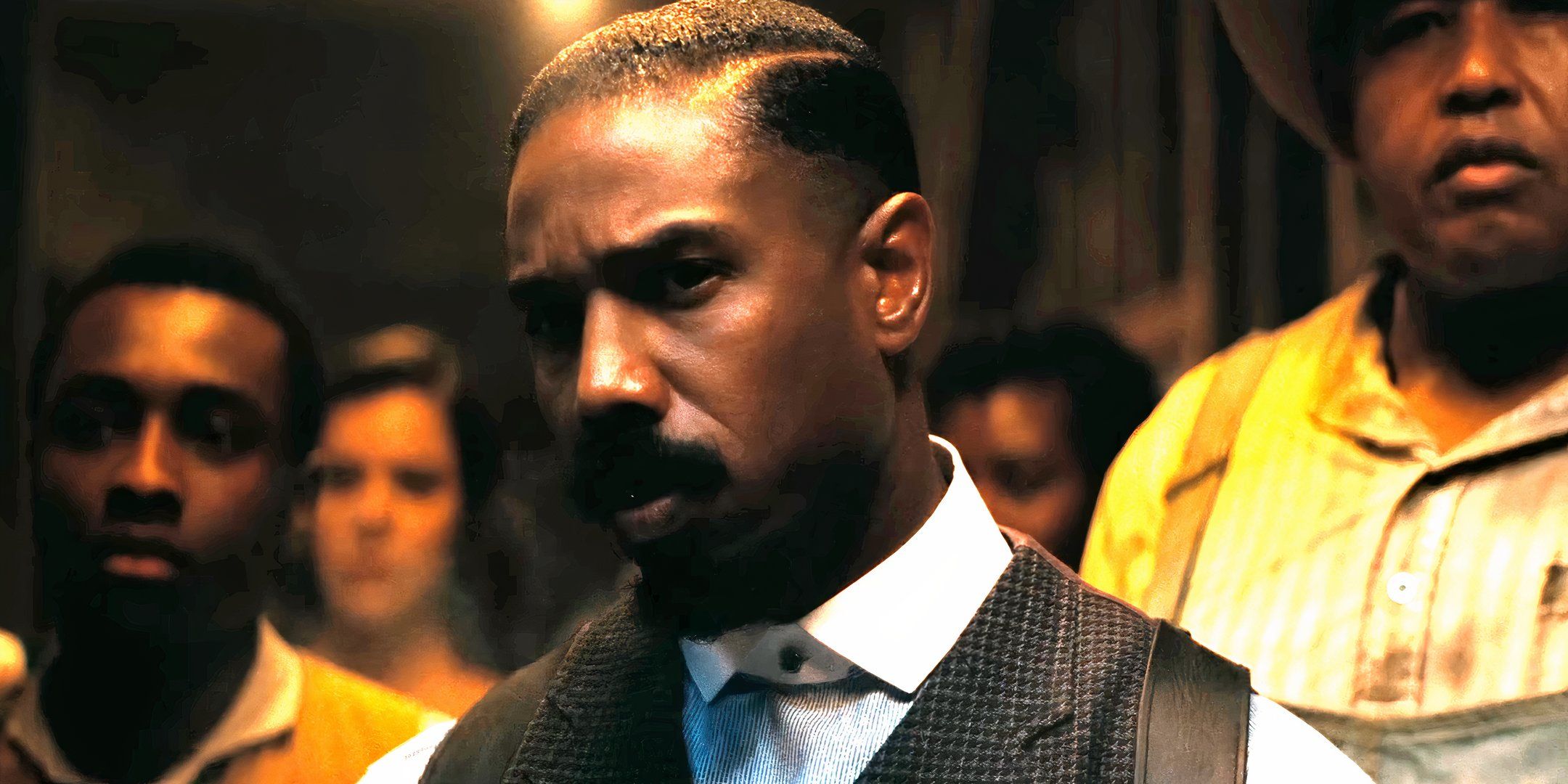
Released this year, the recent premiere of Sinners might lead some viewers to hesitate before labeling it a “masterpiece.” However, Ryan Coogler’s film showcases significant strengths that affirm its place among the best in the genre, featuring Michael B. Jordan in dual roles as twins who return to their hometown only to encounter sinister vampires.
Related
Every Sinners Box Office Record & Milestone
Ryan Coogler’s Sinners is one of the biggest horror hits of the year, breaking a number of box office records and clearing huge milestones.
Sinners pays homage to classic vampire tropes while also infusing fresh originality into its intriguing narrative. Coogler’s sharp direction, paired with the insightful social commentary woven into the film’s screenplay, enriches the supernatural framework. Accompanying the film’s achievements is a captivating soundtrack and standout performances, particularly from Jordan, a long-time collaborator of Coogler’s, making it a noteworthy addition to the vampire genre.
5
Only Lovers Left Alive (2013)
Vampires Struggle to Find Their Purpose in the Modern World
Only Lovers Left Alive diverts from the traditional focus on bloodshed, jump scares, and violence. Instead, Jim Jarmusch’s film immerses viewers in a distinctive atmosphere, centering on its main characters’ existential struggles as they navigate life in the modern world. The film follows the lives of Adam (Tom Hiddleston) and Eve (Tilda Swinton), a married couple of vampires who have shared their lives for centuries.
As they reflect on their past, Adam and Eve experience feelings of disconnection and aimlessness in contemporary society —even opting to abstain from consuming 21st-century blood due to concerns over its contamination. Few vampire films authentically address themes of existential dread through the lens of supernatural beings, and it is this unique premise, along with the inspired performances of Swinton and Hiddleston, that positions Only Lovers Left Alive as a cinematic masterpiece.
4
What We Do in the Shadows (2014)
A Documentary Crew Follows the Lives of Vampire Roommates
Inspiring the FX series of the same name, What We Do in the Shadows humorously explores the lives of vampires living together in Wellington, New Zealand. Written and directed by Jemaine Clement and Taika Waititi, What We Do in the Shadows adopts a mockumentary style, chronicling the everyday adventures and challenges of its vampire roommates.
Their mundane experiences are made remarkable by their supernatural abilities, creating an entertaining juxtaposition between the ordinary and the extraordinary. Clement and Waititi’s genuine appreciation for vampire films and the tropes associated with them allow What We Do in the Shadows to pay homage to the genre while simultaneously providing a fresh, comedic perspective.
3
Dracula (1931)
A Quintessential Vampire Film
Dracula
- Release Date
-
February 12, 1931
- Runtime
-
74 Minutes
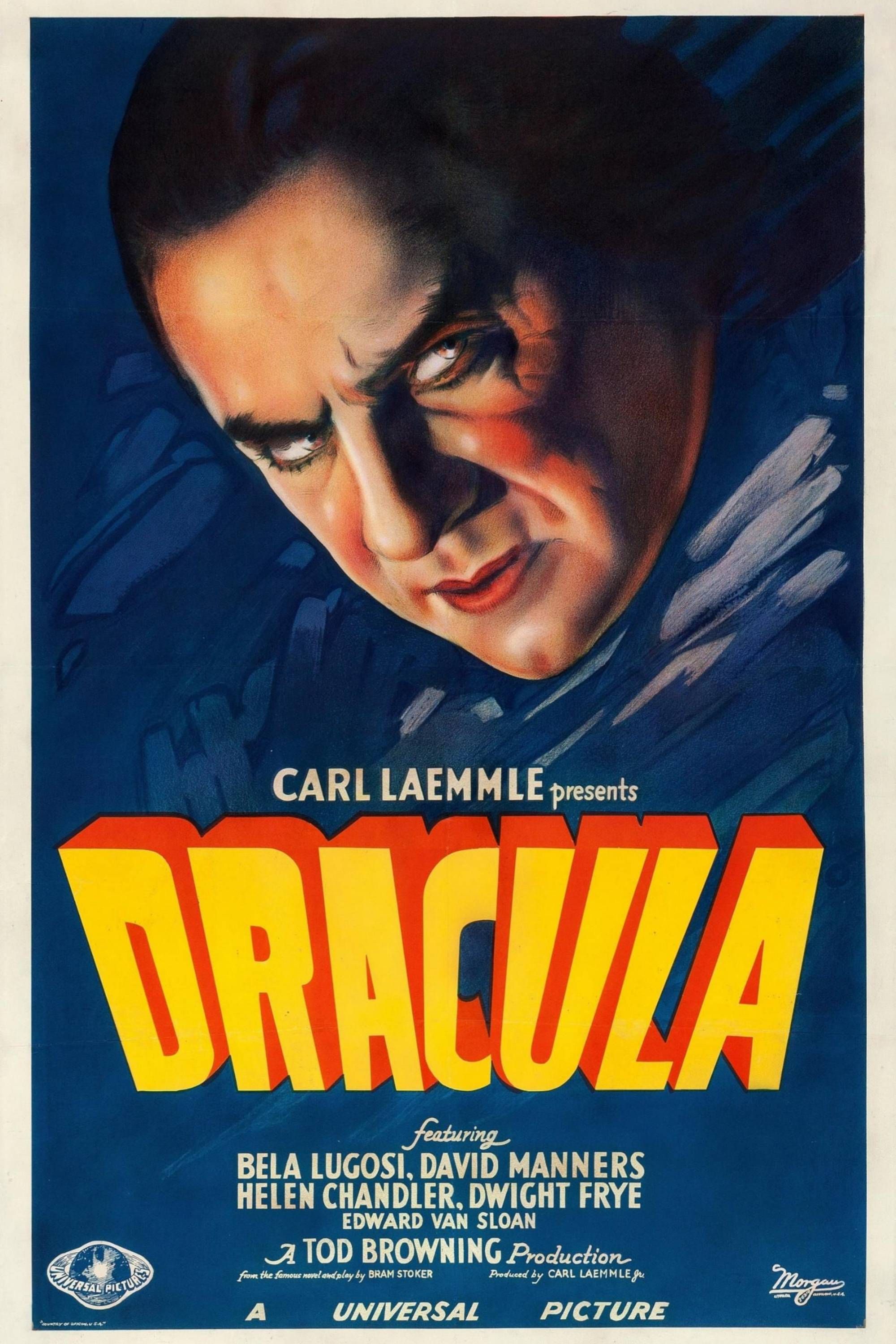
When envisioning Count Dracula, many conjure the iconic image of Bela Lugosi’s portrayal. There is little dispute regarding Dracula‘s status as a “masterpiece”; if not for the film’s genuinely eerie atmosphere and Lugosi’s captivating performance, then certainly for Dracula‘s enduring legacy as a benchmark for vampire films.
This film is based on a stage play adapted from Bram Stoker’s novel, Dracula. Lugosi’s performance, simultaneously charming and menacing, redefined the character and established a template for countless iterations of Dracula in cinema. His portrayal remains a pivotal part of Lugosi’s legacy as a horror icon and has influenced all subsequent vampire films featuring the character.