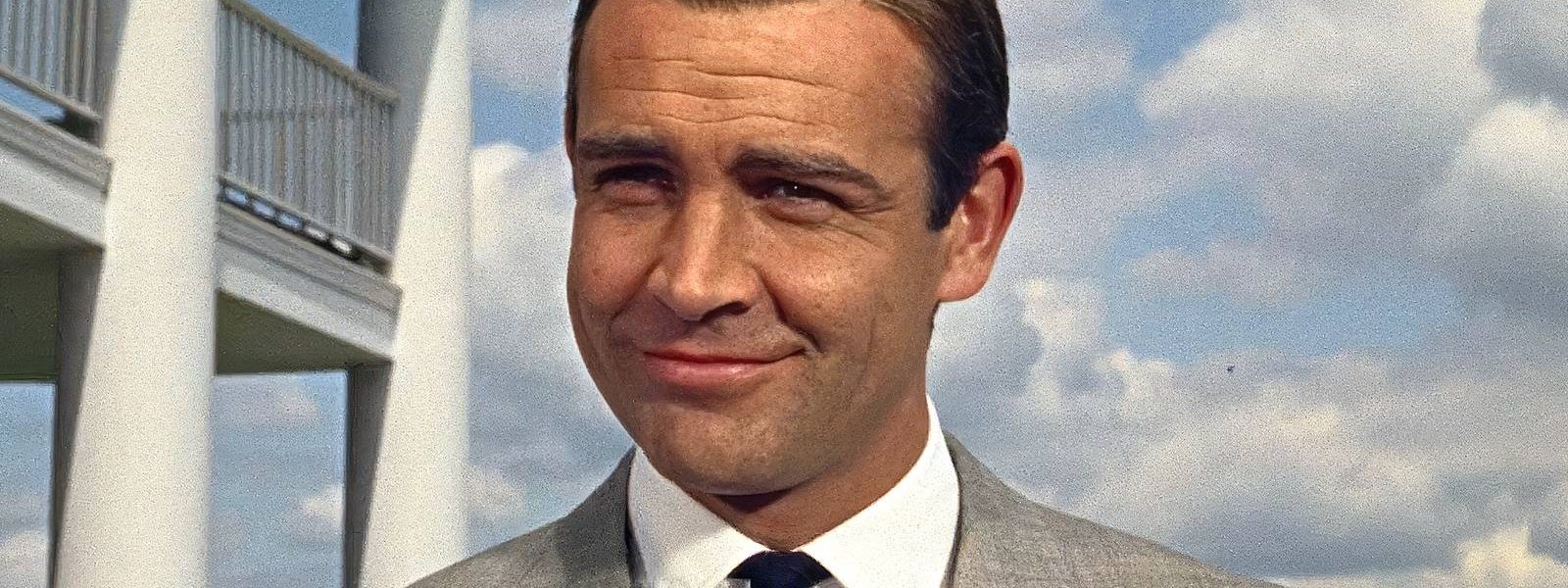
By the late 1960s, Sean Connery didn’t need an introduction. He had blazed across the screen as James Bond in Dr. No and its sequels, and audiences expected him to bring that self-assured swagger to his other roles. That assurance matches the broader screen mood of the era. Steve McQueen moves through Bullitt with the same singular focus. Clint Eastwood’s westerns, such as his Man with No Name trilogy, reduce authority to a glance and a pause. Even television leans into it, with shows like The Saint and The Avengers built around men whose confidence never seems to waver. This version of masculinity presents itself as self-contained and unquestioned, with no need to prove itself.
Shalako premiered in 1968, and at first glance, it seems like another attempt to transport Connery’s Bond image into a different genre: the western. However, the film resists such an easy translation. Connery doesn’t import Bond’s control into the desert. Instead, he plays Shalako as someone who rarely feels in control of the situation, even when he understands it better than everyone else. Staying alive depends on avoiding notice, letting other people overplay their confidence, and knowing when not to assert himself at all.
Bond Without the Safety Net
Bond always operates with invisible protection. Even when he’s captured or outgunned, his predicaments always seem temporary. The audience knows he will regain control and escape. But Shalako doesn’t offer such assurances. Connery’s character has skills and experience, but neither guarantees his success.
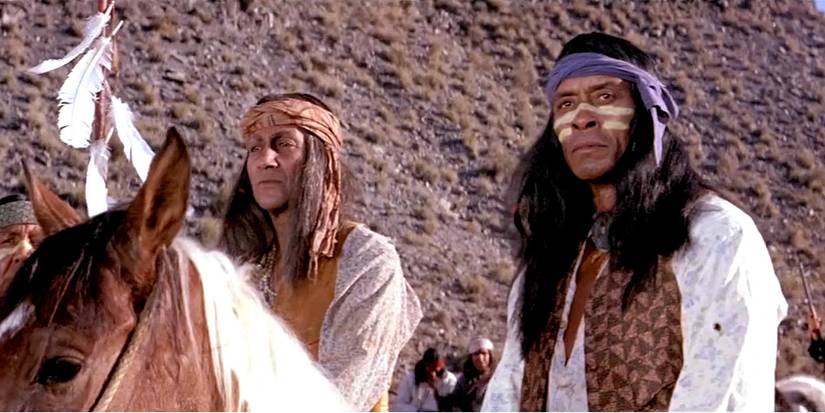
In the film, which is based on a story by famed western author Louis L’Amour, Shalako rescues Irina Lazaar (Brigitte Bardot) from some angry Apaches. She turns out to be a French countess who was part of a group of wealthy European aristocrats on a big game hunting trip in New Mexico that goes horribly wrong. Their guide, Fulton (Stephen Boyd), double-crosses the novice adventurers by robbing them and leaving them in Apache territory. Despite not hiding his disdain for most of the group, Shalako agrees to protect them and develops a connection with Irina.
Connery keeps his performance tight and guarded, not in a brooding sense, but in a practical one. Shalako is a man of few words, only speaking when he deems it necessary. He prefers to let everyone else talk themselves into trouble. Where Bond bends situations to his will, Shalako tries to anticipate which ones will collapse regardless of what he does. The difference is striking because Connery doesn’t play Shalako as wounded or resentful. He plays him as realistic. Shalako moves like someone who’s learned the hard way that showing off gets you noticed and being noticed gets you killed. Connery never plays to the image people bring with them, and the film is better for it, even if it means denying the familiar derring-do of an iconic hero.
8 Movie Threequels That Are the Greatest Film in Their Franchise
Turns out, third time is the charm.
A Western Built on Unease, Not Triumph
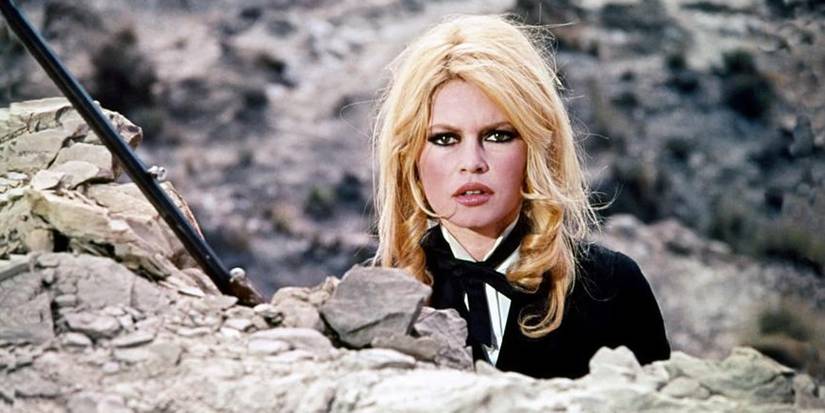
Director Edward Dmytryk, who made 51 films between 1935 and 1976, including The Caine Mutiny and Walk on the Wild Side, treats Shalako as a western that’s uneasy by design. The landscapes are wide open, but they don’t feel welcoming or grand so much as exposed. Characters are frequently placed in open spaces where there’s nowhere to hide, and the film uses that vulnerability rather than softening it with heroic staging. Violence ensues abruptly and rarely feels satisfying.
Connery fits neatly into that rhythm by refusing to turn Shalako into the driving force of the film. He doesn’t push the events forward so much as react to other people’s mistakes. The aristocrats push deeper into dangerous territory out of pride and curiosity, not necessity, and Shalako becomes a witness to their poor judgment as much as a participant in their fate. His competence is practical, not cinematic. He survives because he anticipates problems early and avoids escalation whenever possible.
That approach stands apart from many Western films of the era, where authority is asserted through confrontation. Shalako’s power lies in withdrawal, a restraint born of survival rather than principle. Connery makes the character’s restraint feel earned, not symbolic. It’s the behavior of someone who has learned, likely through loss, that heroics invite consequences.
A Career Pivot Hiding in Plain Sight
Viewed today, Shalako plays like an early sign of Connery’s willingness to push against his Bond image. This isn’t a clean break, but it is a refusal to let that persona define every role he takes next.
That instinct becomes clearer later in his career when he gravitates toward characters marked by age, regret, or moral ambiguity. Films like The Man Who Would Be King and The Offence work because Connery allows authority to feel fragile. Shalako plants that seed.
Here, he isn’t elevated above the ensemble or protected from failure. Instead, he shrinks his presence, suggesting an actor already thinking beyond the limits of his stardom.
Reputation, Restoration, and Reappraisal
Shalako has always been an awkward film to revisit because of a few tense scenes. On television, especially in the UK, some of the film’s hardest moments are often missing, including scenes involving Honor Blackman’s character, Lady Daggett. Her character is assaulted and murdered, and according to IMDB, those scenes were heavily cut in the UK, although they were restored in later video releases.
Without those scenes, Shalako doesn’t hold together the same way. It comes across as a kind of half-formed film and seems like sloppy filmmaking. When those missing pieces are put back in on home video, the film takes on a very different weight. The violence isn’t there for effect or metaphor. It underlines how little the frontier cares about whom these people are or what they think should protect them. The scenes are difficult to watch and invite criticism but they also clarify that Shalako isn’t trying to cushion its world or shield its characters from consequences.
Seen today, Shalakofeels less like a misstep than a deliberate shift. Connery steps out from under Bond trading authority for caution and revealing what remains when charisma no longer guarantees safety.

Here you can find the original article;[nospin]