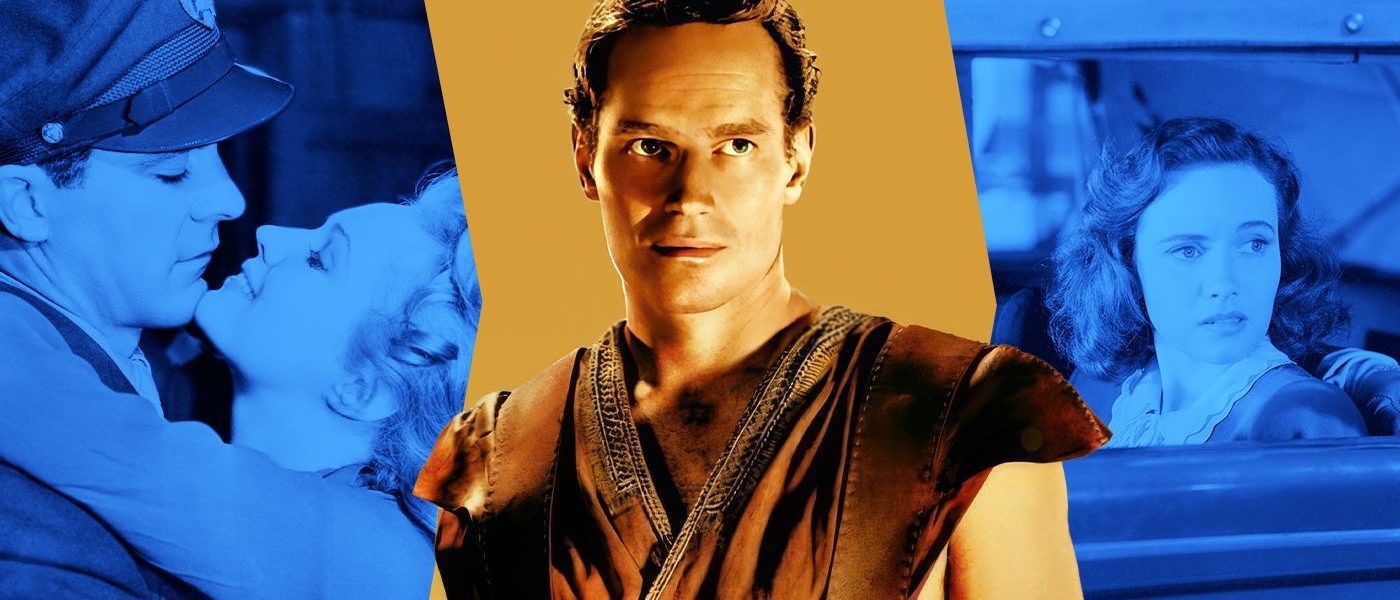
William Wyler is undeniably recognized as one of the most influential and talented directors from the Golden Age of Hollywood, particularly noted for his remarkable films produced during the 1940s, 1950s, and 1960s. Among his impressive body of work, several films not only garnered critical acclaim but also earned him prestigious Oscars, including the coveted Best Picture awards for some of them. Noteworthy is his iconic film, Roman Holiday, which, despite not winning him an Oscar, secured accolades for Dalton Trumbo for Best Story (a category that has since been discontinued), Audrey Hepburn for Best Actress, and Edith Head for Best Costume Design in Black-and-White. Furthermore, Wyler received nominations for his directorial prowess in notable films such as Detective Story, The Heiress, and Friendly Persuasion.
Focusing on the films that rightfully earned Wyler both Best Director and Best Picture accolades, we find three exceptional titles. Among these, two are poignant war films released during or shortly after World War II, while the third represents one of the most significant cinematic achievements of its era, an epic that has left a lasting impact on film history. This collection of films showcases Wyler’s remarkable storytelling abilities, and while one may inevitably rank lower than the others, it certainly shouldn’t be dismissed as insignificant, especially for those who cherish the rich legacy of Hollywood’s Golden Age.
3
‘Mrs. Miniver’ (1942) – A Pivotal War Drama
Starring: Greer Garson, Walter Pidgeon, Teresa Wright
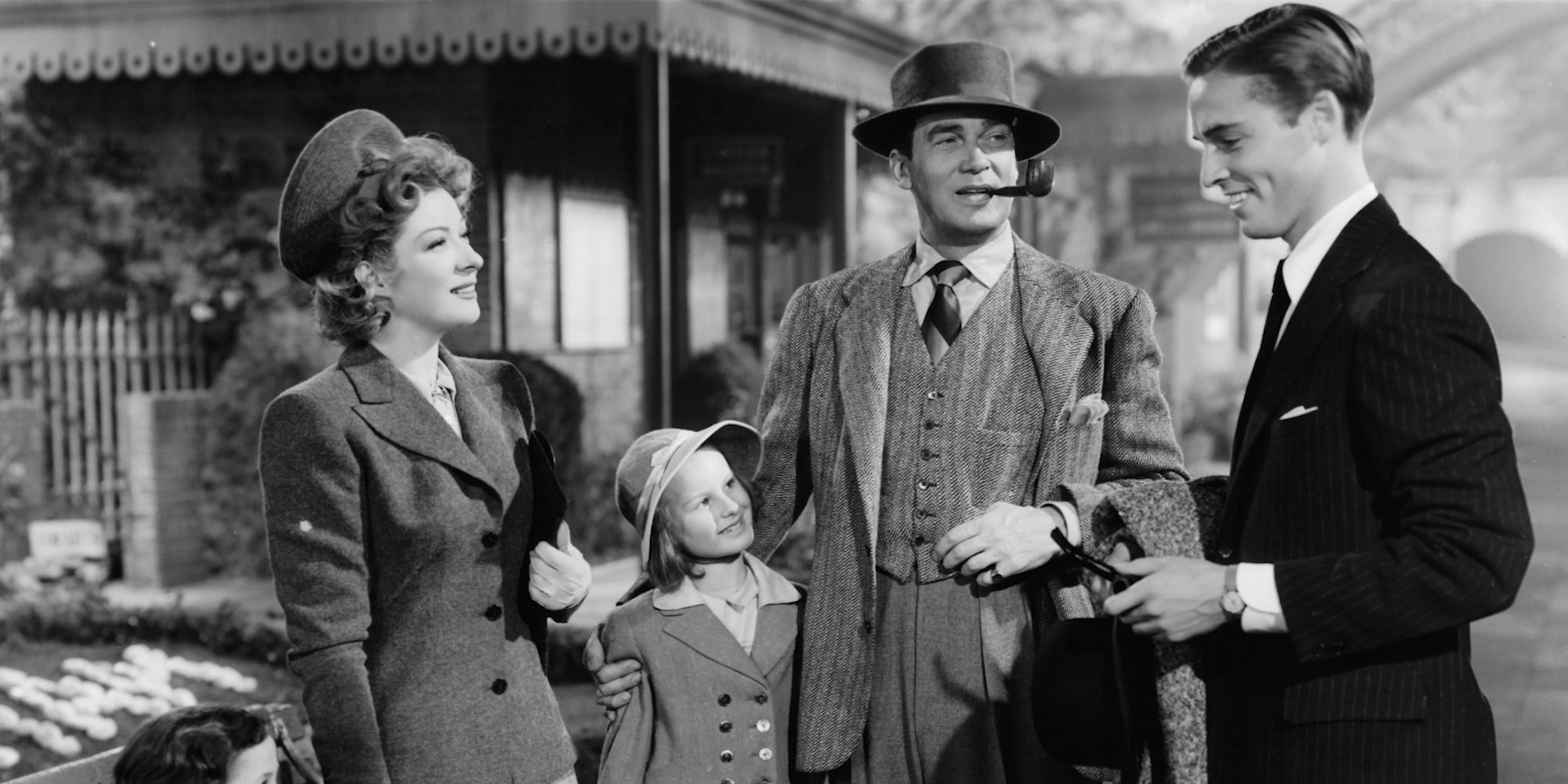
Mrs. Miniver holds the distinction of being the earliest film directed by William Wyler to win both Best Director and Best Picture, and it is arguably the most underappreciated among the trio of films in this category. This powerful narrative explores the effects of World War II during a time when the conflict was still ongoing, paralleling another iconic film from 1942, Casablanca, which also won Best Picture but did so in the 1944 ceremony—its eligibility stemming from a wide release in 1943. Mrs. Miniver, however, was released widely in 1942 and won its accolades in 1943. Unlike Casablanca, which operates more as a romantic drama with the war serving as a backdrop, Mrs. Miniver focuses intently on the war’s direct impact on civilian life, making it a more explicit commentary on the struggles faced during wartime.
This positioning places Mrs. Miniver among nearly two dozen Best Picture winners that can be classified as war films. While it may not stand out as the absolute best in this category, it certainly does not rank among the worst. The film aims to inspire hope and offer reasons for perseverance in the face of adversity during an ongoing war. The timing of its release, situated almost at the midpoint of World War II, lends it an intriguing quality as a cinematic time capsule. Judged purely as a film, it is strong, featuring compelling performances, a well-crafted screenplay, and Wyler’s confident direction, which avoids being overly flashy. Mrs. Miniver maintains a grounded approach, only occasionally veering into idealism, a tendency that can be understood within the context of its release and the desire to uplift spirits during a challenging historical moment.
2
‘The Best Years of Our Lives’ (1946) – A Touching Post-War Narrative
Starring: Myrna Loy, Fredric March, Dana Andrews
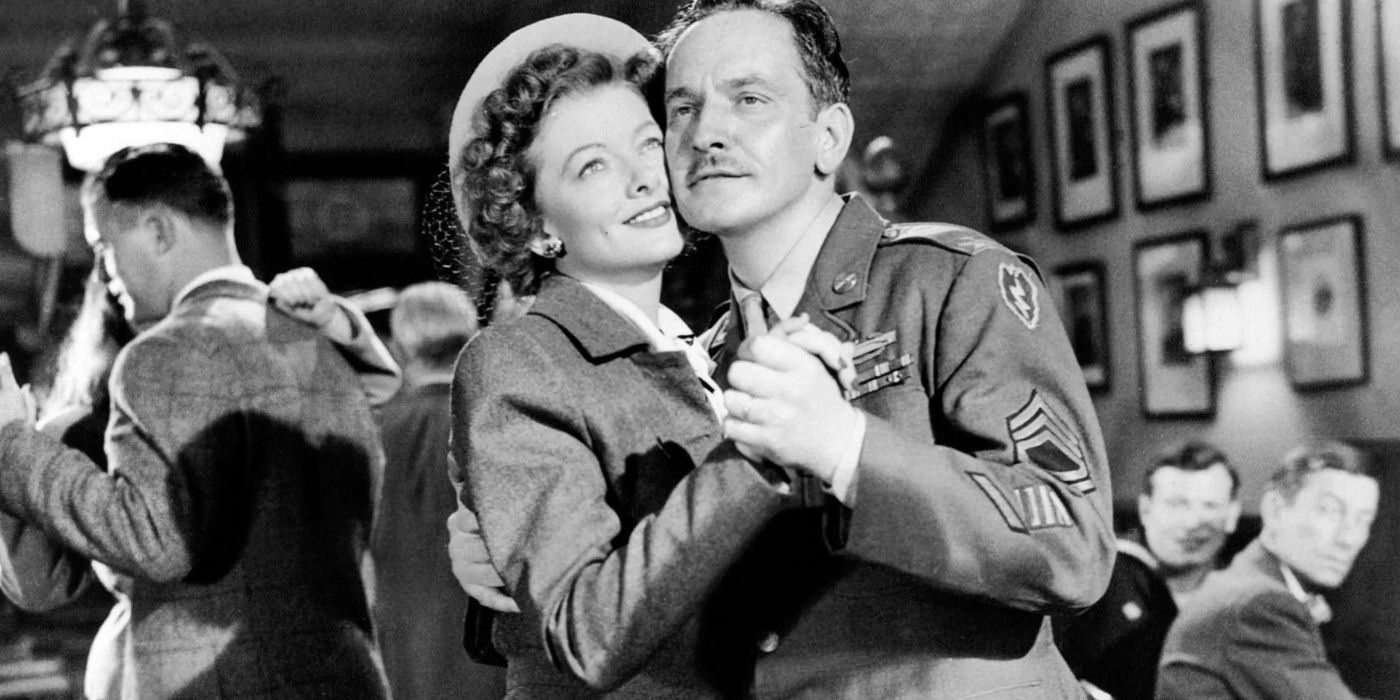
While Mrs. Miniver poignantly depicts the struggles of life during wartime, The Best Years of Our Lives focuses entirely on the challenges faced in the aftermath of the war. This distinction makes it less of a traditional war film compared to its predecessor, as it delves into the complex emotional landscape of returning veterans adjusting to civilian life following the most extensive conflict in human history. The film’s extended runtime masterfully captures the emotional peaks and valleys that these individuals experience as they navigate their new reality. Like Mrs. Miniver, this film carries an underlying message of hope, serving as a cathartic experience for audiences in the 1940s.
As a result, The Best Years of Our Lives can be appreciated not only for its cinematic artistry but also as a significant cultural artifact that reflects the era. It stands out as one of the finest dramatic films of its time, characterized by its sensitivity and empathy towards the plight of returning soldiers. The narrative remains engaging, despite being relatively restrained in terms of plot development and character arcs. This film serves as a form of therapy through cinema, especially during an era when issues like post-traumatic stress disorder were just beginning to emerge in public discourse. While some may view it as dated, the film’s specific focus on the post-war American experience provides a timeless exploration of resilience, showcasing that there is a path forward for those who survived the harrowing experiences of war.
1
‘Ben-Hur’ (1959) – The Epic Masterpiece of Revenge and Redemption
Starring: Charlton Heston, Jack Hawkins, Haya Harareet
The third film directed by William Wyler to receive both the Best Picture and Best Director awards is the monumental Ben-Hur, which is widely regarded as the pinnacle of his cinematic achievements. This film is not only a defining epic of its time but also stands as one of the greatest films in cinematic history. Its extensive runtime, approaching four hours, is justified by the rich narrative and intricate character development that unfolds throughout. The story centers on the titular character, who lives during the time of Jesus Christ, although his journey primarily focuses on personal conflicts, including betrayal and the quest for vengeance against a former friend who sold him into slavery.
One cannot discuss Ben-Hur without mentioning the iconic chariot race scene, renowned for its breathtaking stunt work and regarded as one of the most exhilarating sequences in film history. While this extraordinary scene risks overshadowing the rest of the film, everything beyond that moment continues to deliver a compelling narrative filled with spectacle, impressive production design, and profound emotional depth. As such, Ben-Hur may well be considered one of the best films across all genres. It takes a uniquely talented filmmaker like Wyler to bring such a grand vision to life while maintaining a cohesive and engaging story. Following Ben-Hur, Wyler did not attempt any projects of this magnitude, though he continued to create noteworthy films in the 1960s, including The Children’s Hour and Funny Girl. However, it is clear that achieving a scale comparable to Ben-Hur is an extraordinary challenge.
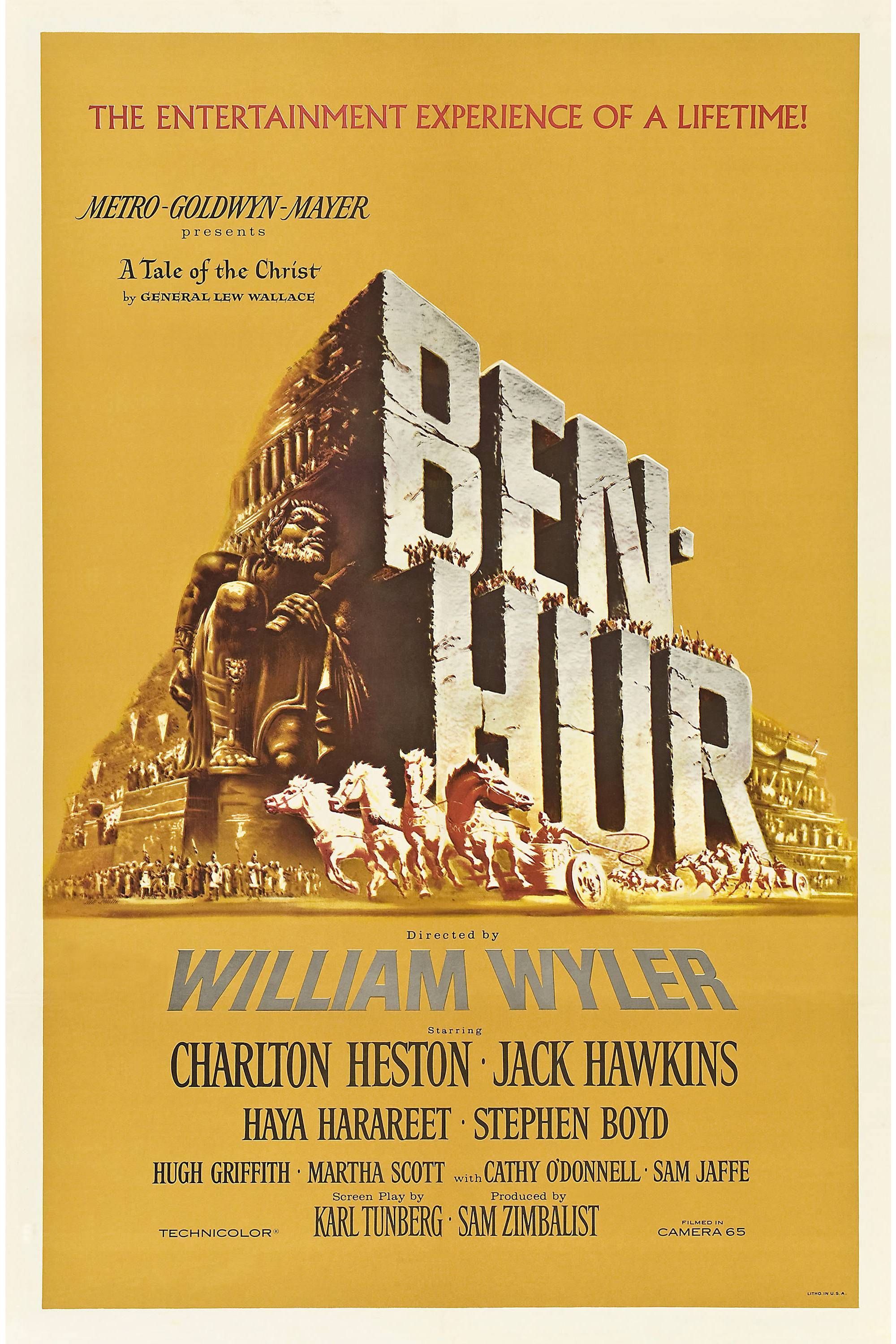
Ben-Hur
- Release Date
-
November 18, 1959
- Runtime
-
222 Minutes
-

-
-
Hugh Griffith
Scheich Ildirim
-
Jack Hawkins
Quintus Arrius