
Key Takeaways
- Withdrawal Announcement: Pepsi has officially withdrawn its sponsorship of the Wireless Festival.
- Backlash Reason: The decision follows criticism over Ye being booked as the headliner.
- Political Condemnation: British Prime Minister Keir Starmer and London Mayor Sadiq Khan have publicly condemned the booking.
- Antisemitism Concerns: The festival’s decision has raised significant concerns regarding antisemitism in the UK.
Pepsi is withdrawing its sponsorship of London’s Wireless Festival following criticism over the event’s decision to book Ye.
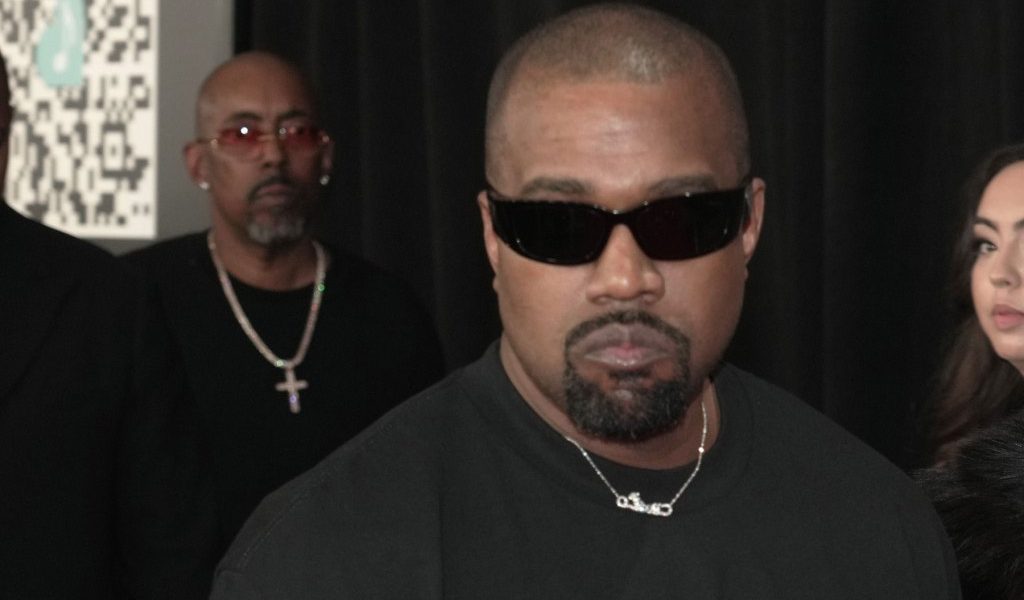
The food and beverage giant had served as the festival’s main sponsor for a decade but is now stepping away amid backlash over Ye (formerly known as Kanye West) being announced as the headliner for all three nights.
“Pepsi has decided to withdraw its sponsorship of Wireless Festival,” a Pepsi spokesperson told Billboard on Sunday (April 5).
The London festival had been branded “Pepsi MAX Presents Wireless” as part of a partnership in place since 2015.
This year’s Wireless is scheduled for July 10–12 at Finsbury Park in London. West previously headlined the event in 2014.
Pepsi’s withdrawal came hours after British Prime Minister Keir Starmer condemned organizers for booking the embattled rap star.
“It is deeply concerning that Kanye West has been booked to perform at Wireless despite his previous antisemitic remarks and celebration of Nazism,” Starmer said, according to The Guardian.
“Antisemitism in any form is abhorrent and must be confronted clearly and firmly wherever it appears. Everyone has a responsibility to ensure Britain is a place where Jewish people feel safe and secure.”
Ye has faced repeated criticism in recent years for antisemitic statements and actions, including releasing a song titled “Heil Hitler,” selling T-shirts bearing swastikas and publicly expressing admiration for Nazi ideology. In January, he took out a full-page ad in the Wall Street Journal apologizing for his repeated incidents of hate speech, claiming that his 2022 car crash caused brain damage that led to mental health issues.
Starmer was not the only political figure to speak out. London Mayor Sadiq Khan said in a statement to Complex, “We are clear that the past comments and actions of this artist are offensive and wrong, and are simply not reflective of London’s values. This was a decision taken by the festival organizers and not one that City Hall is involved in.”
The Jewish Leadership Council also issued a statement condemning the festival’s decision to book Ye.
“It is deeply irresponsible for Wireless festival to be headlining Kanye West,” a spokesperson for the Council told The Guardian. “The UK Jewish community is facing record levels of antisemitism, including a terrorist attack in Manchester, the attack on ambulances in Golders Green and foiled plots which would have killed many more.”
The Chicago native released his 12th studio album, Bully, on March 28, marking his first solo project since 2022’s Donda 2. Ye recently returned to the stage in the U.S. in support of the album, performing a pair of shows at SoFi Stadium in Los Angeles after opening 2026 with a performance in Mexico City.
West is next scheduled to perform at RCF Arena in Reggio Emilia, Italy, on July 18, shortly after his planned Wireless Festival appearance.









