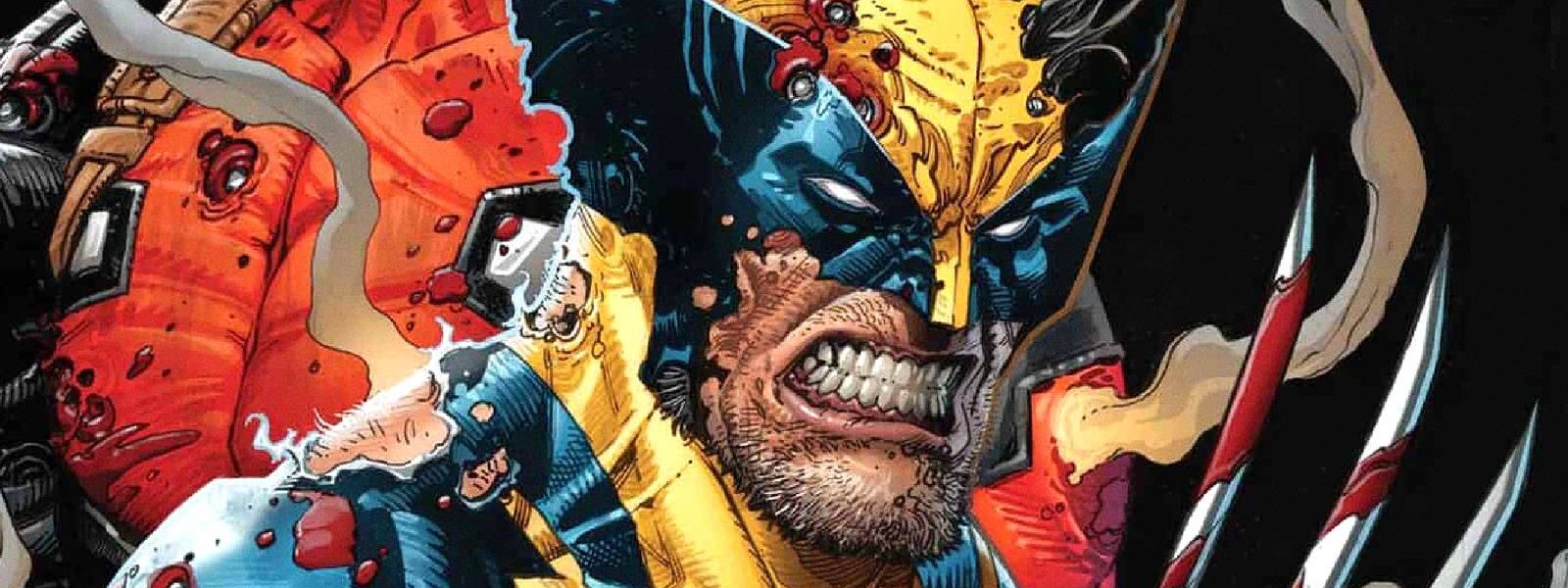
Marvel has a history of enforcing and banning certain practices in their stories, and one of the most bizarre bans they ever implemented involved a key element of Wolverine’s character design. Thankfully, this ban is no longer in effect, but the fact that it was implemented in the first place is wild.
…a freshly waxed Wolverine now feels blasphemous…
Marvel Once Banned Wolverine from Having Arm Hair in Comics
The Surprising ‘70s Rule That Stripped Logan of His Now Legendary Design
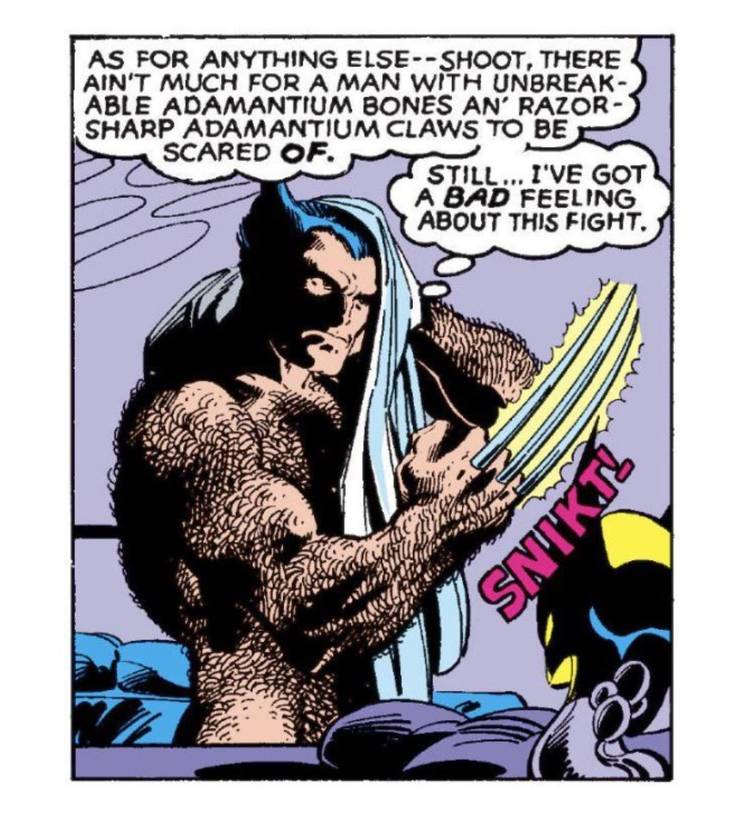
If you were asked to use three adjectives to describe Wolverine physically, what would they be? Answers may vary, but most would agree that stocky, rugged, and likely hairy fit the bill, given Logan’s iconic facial and body hair. Therefore, some fans may be surprised to learn that in the ‘70s, Marvel actually had a rule preventing Wolverine from having arm hair while in costume.
Picture Wolverine in your mind, and you likely see a stocky figure with thick mutton chop sideburns and forearms lined with dark hair. So learning that his masculine arm hair was once banned seems ridiculous. Yet this bizarre rule was just one of many editorial restrictions that shaped how artists and writers could portray characters in early Marvel comics.
The Strange Rules That Once Controlled Every Detail of Comic Heroes
From the Bat-Bible to Wolverine’s Arm Hair, How Editors Strictly Shaped Iconic Characters
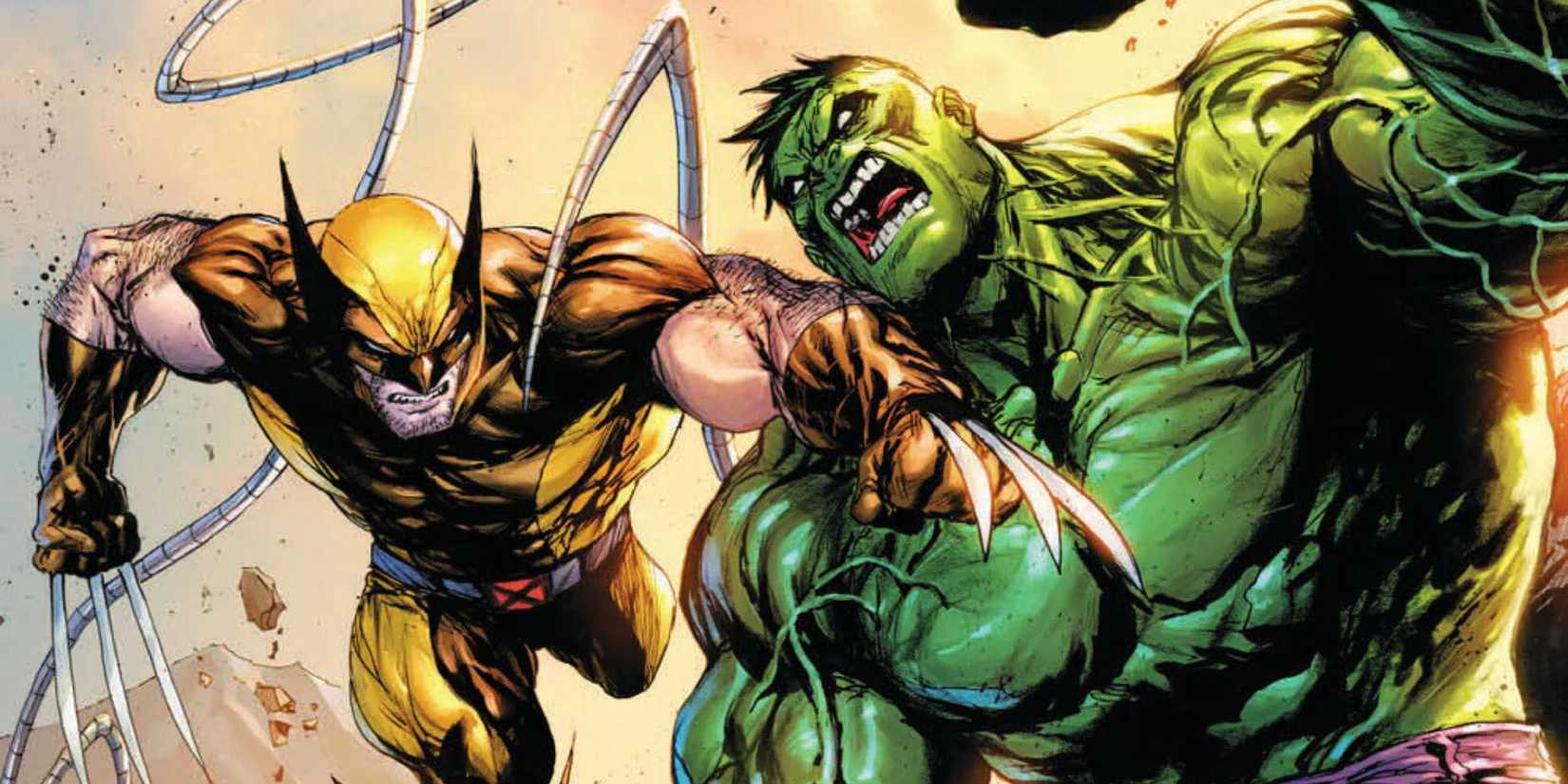
Comic books have a surprisingly strict editorial history, with even some guidelines earning nicknames. For instance, Dennis O’Neil’s “Bat-Bible” served as a blueprint for writers and artists working on Batman, dictating almost every aspect of his stories. Rules like these ensured consistency but often limited creativity, showing just how much control editors had over character portrayal.
It wasn’t only DC characters who had strict rules. Former Marvel editor-in-chief Mark Gruenwald, for example, wrote an extensive list of time travel rules for all writers to follow. Other niche rules were equally strict, including the fact that Peter Parker was never allowed to drink beer. These guidelines shaped storytelling in ways fans might not even realize, extending to even the smallest details.
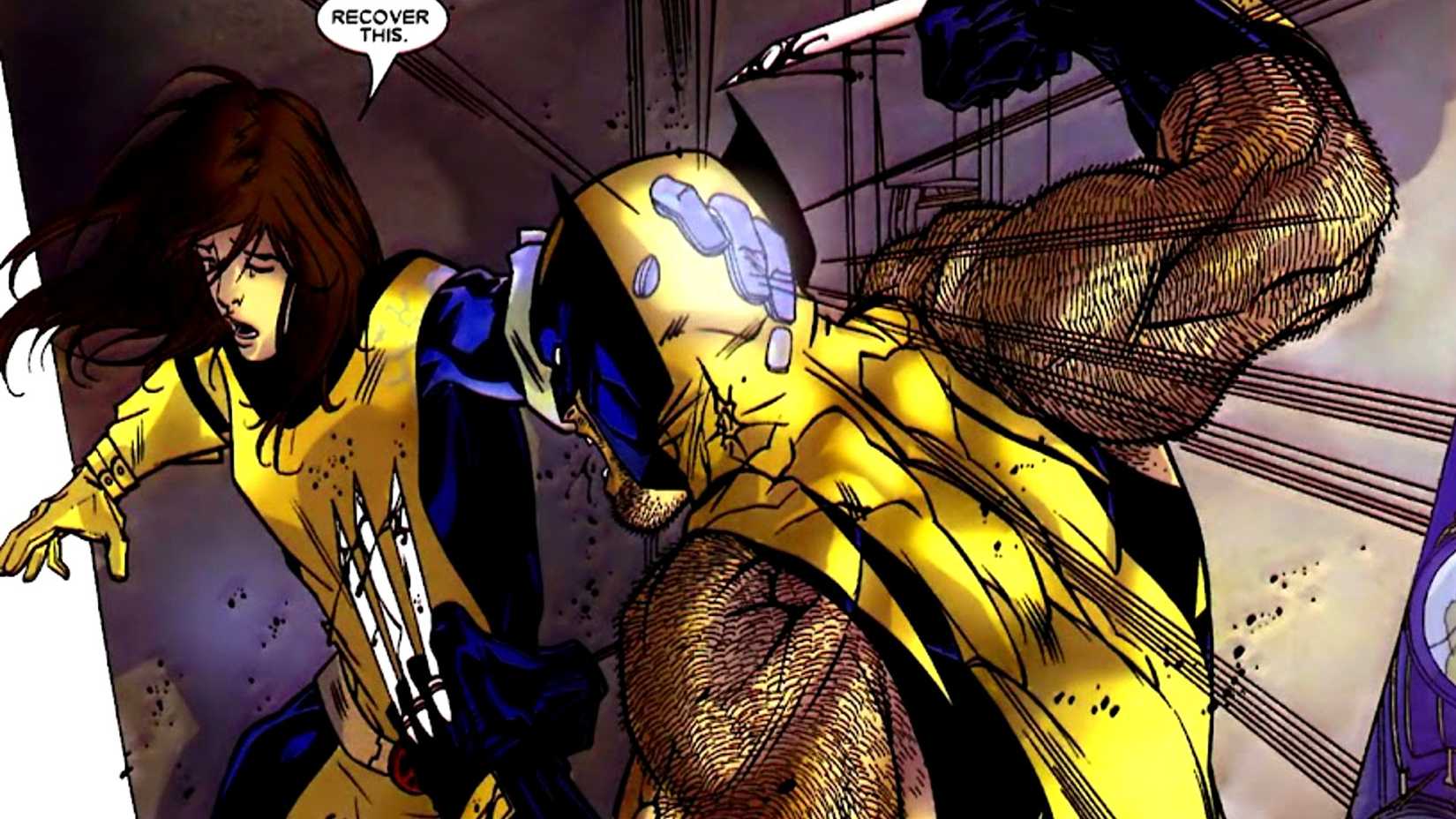
Wolverine was also affected by these niche editorial rules. In his early days, artists were told he could have arm hair, but only when he was out of costume. Later, when George Perez and John Byrne took over the X-Men books, Wolverine’s now-iconic arm hair began returning, appearing both in and out of costume. The change helped solidify Logan’s rugged, masculine design.
Imagining a freshly waxed Wolverine now feels almost blasphemous, as fans expect his hairy, muscular arms as much as his adamantium claws. Even Hugh Jackman’s live-action portrayal preserves the actor’s natural body hair, cementing this minor detail as essential. Thankfully, the odd rules of the ‘70s are long gone, allowing <em>Wolverine</em> to remain the rugged, unmistakable figure fans know and love.
Source: Mental Floss