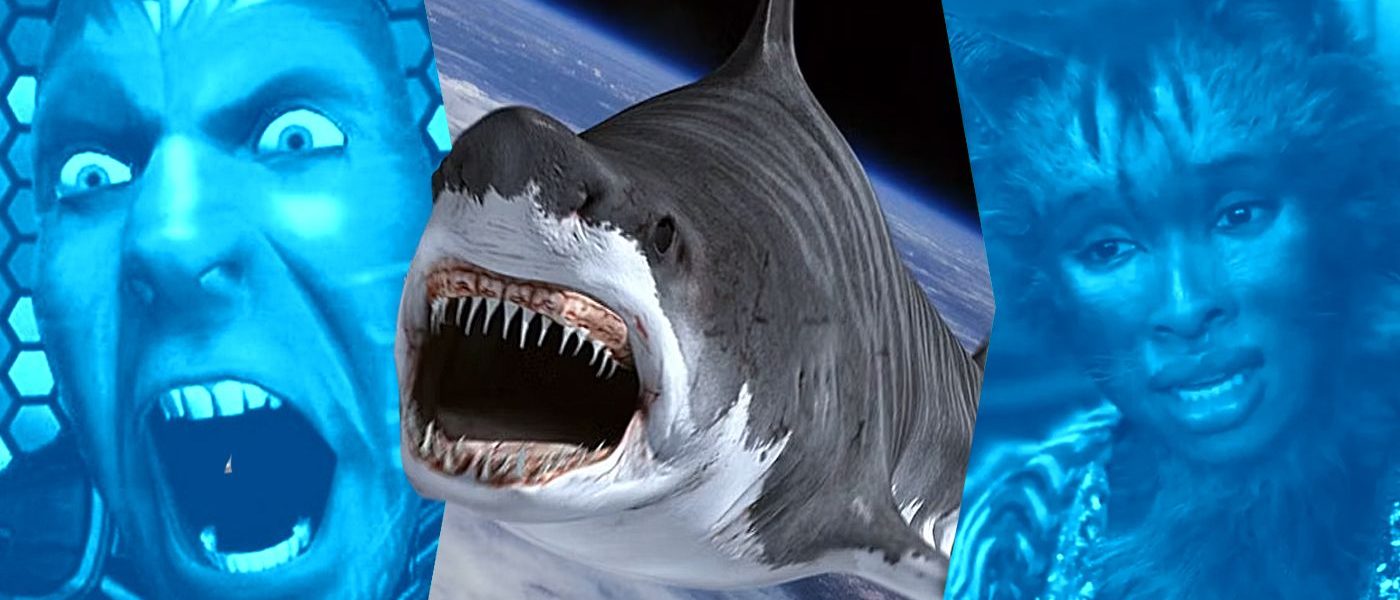
Since the dawn of cinema, starting with visionary filmmakers like Georges Méliès, the significance of visual effects has steadily grown. These effects empower directors to unleash their creativity, transforming imaginative concepts into tangible experiences for audiences. Numerous advancements that have transformed the visual effects industry exist, yet none has become more synonymous with this realm than Computer-Generated Imagery, commonly known as CGI.
While some films showcase CGI that is so convincing and refined that it elevates the viewing experience to unimaginable heights, others fall short, exhibiting visual effects of inferior quality. Furthermore, there are movies featuring CGI so dreadful and unconvincing that they inadvertently become sources of amusement for cinephiles, leaving audiences to chuckle over them for years.
15
‘The Adventures of Sharkboy and Lavagirl’ (2005)
Directed by Robert Rodríguez
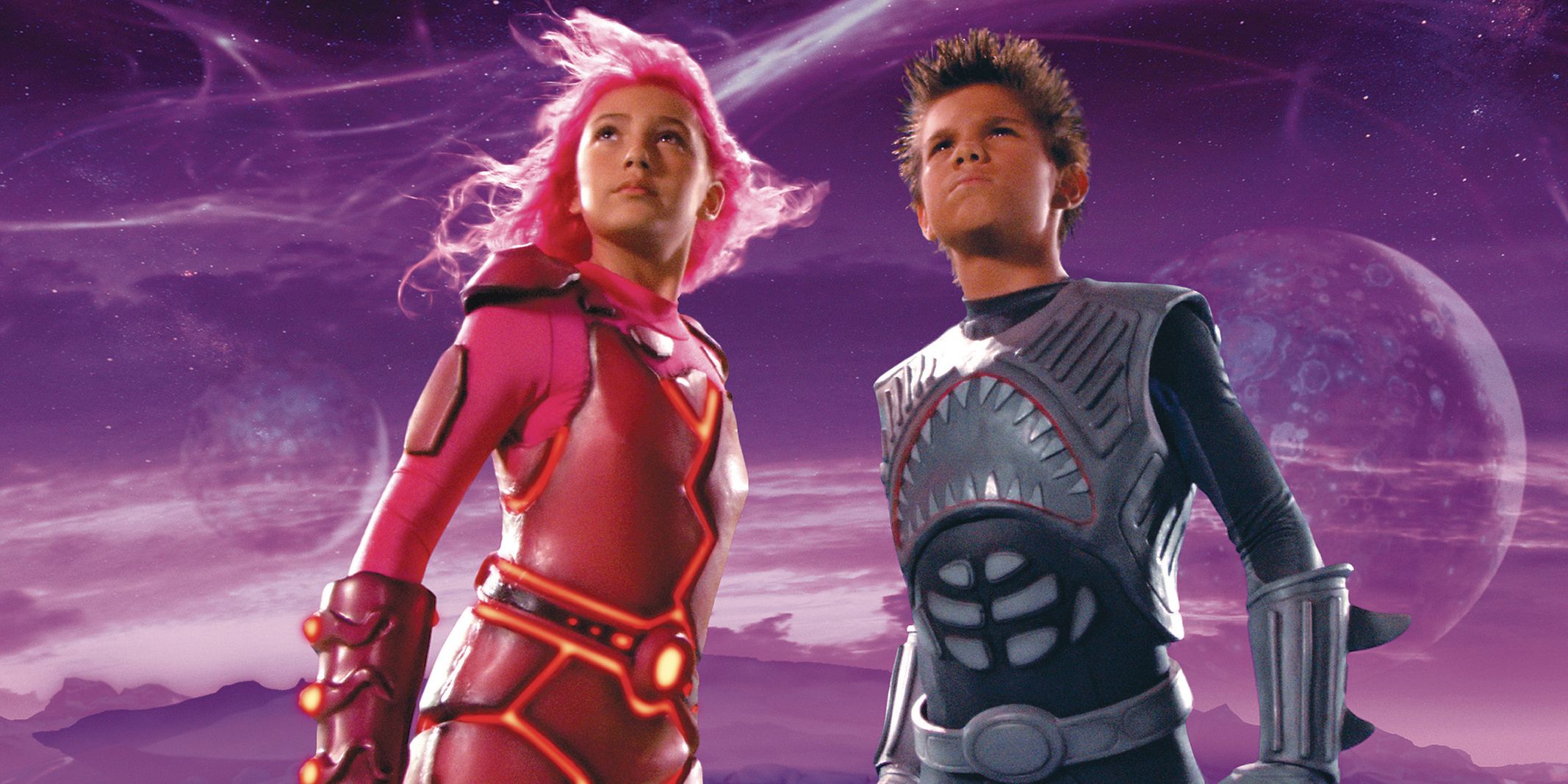
Robert Rodríguez is undoubtedly a filmmaker whose style is an acquired taste. His family-oriented films can be quite polarizing, yet one particular movie stands out as almost universally acknowledged to be poorly received, despite the nostalgia it may evoke for some viewers: The Adventures of Sharkboy and Lavagirl. This film is clearly aimed at a youthful audience, yet it ultimately becomes a canvas for a creative misfire with questionable execution.
Originally crafted to be viewed in 3-D, Sharkboy and Lavagirl is a barrage of visually unappealing gimmicks, each one coming at the audience in classic early 2000s style. Overall, it ranks as one of the most poorly executed superhero films ever, featuring enough cringe-worthy CGI to leave children enthralled but adults grappling with a lingering headache long after the credits roll.
14
‘Justice League’ (2017)
Directed by Joss Whedon
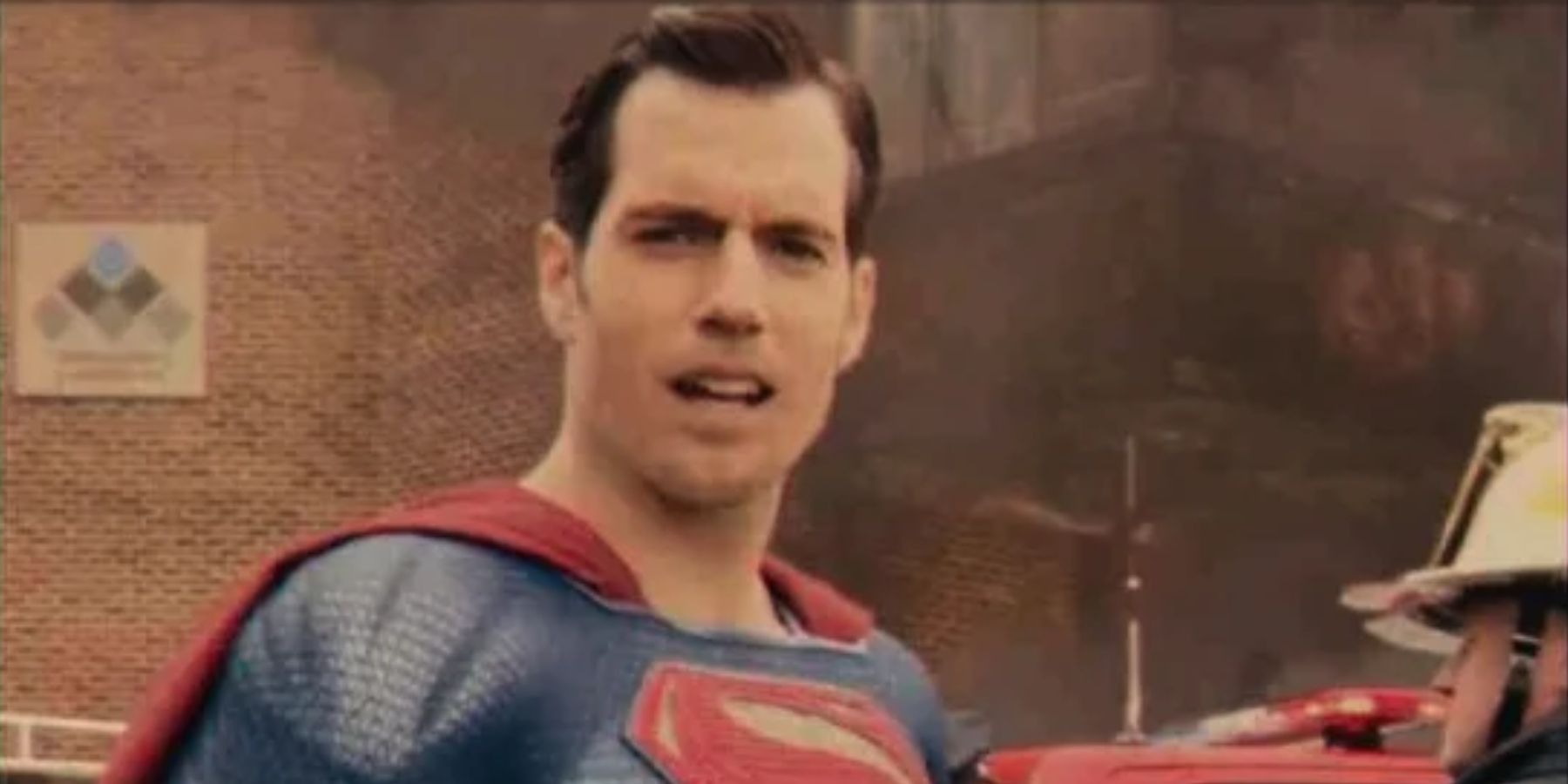
The unfortunate saga of the DCEU’s Justice League and the abrupt removal of Zack Snyder from the project at a critical moment is well-documented. Thankfully, Zack Snyder’s Justice League later emerged to satisfy fans’ curiosity regarding his vision for these iconic characters. However, Joss Whedon‘s version still lingers, haunting all who encounter it with Henry Cavill’s unnerving digitally altered mustache.
In retrospect, the 2017 version of Justice League stands out as one of the most disappointing DC Comics films ever produced, a disheartening portrayal of the world’s most legendary superhero team. Numerous aspects fail to resonate, with its visual effects being particularly egregious. It’s not just about Cavill’s mustache; the appearance of Steppenwolf (Ciarán Hinds) is lackluster, the green screen in reshot scenes is even more dismal, and the action sequences often come off as comical instead of heroic due to their artificial and video game-like quality.
13
‘Mama’ (2013)
Directed by Andy Muschietti
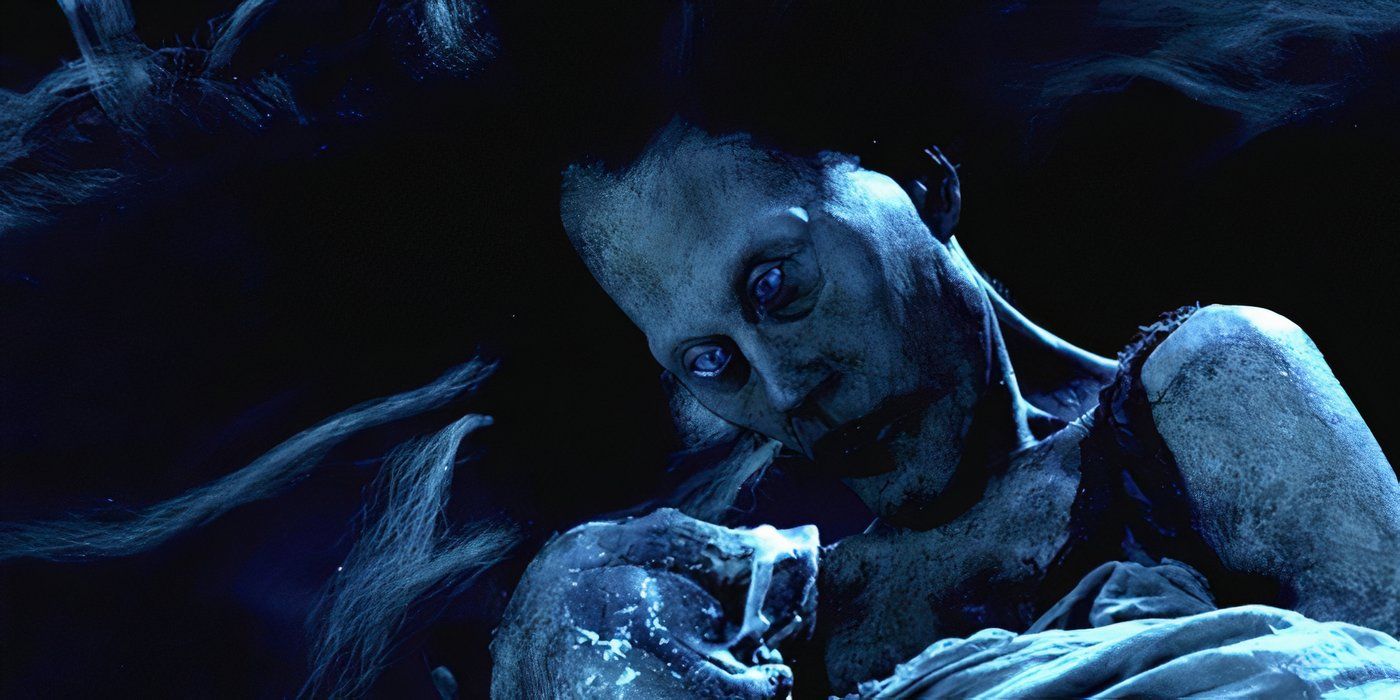
Andy Muschietti‘s <em>Mama</em> can be described as a fairly standard, sometimes frustratingly contrived ghost story. However, when viewed in totality, it still serves as a decent horror film for those who appreciate genuine scares, featuring a surprisingly strong performance by Jessica Chastain. The film begins with a strong premise, but gradually succumbs to predictability and clichés as it progresses, although the initial setup is compelling enough to warrant some attention.
However, a significant issue that arises, which seems to contribute to the general consensus that Mama declines in quality as the runtime extends, is the visually unconvincing monster design. The blend of practical effects and CGI results in a creature that appears too absurd and campy to invoke genuine terror, even though it seems that Muschietti did not aim for this outcome. This mismatch in tone ultimately detracts from Mama, rendering it a less impactful experience overall.
12
‘Son of the Mask’ (2005)
Directed by Lawrence Guterman
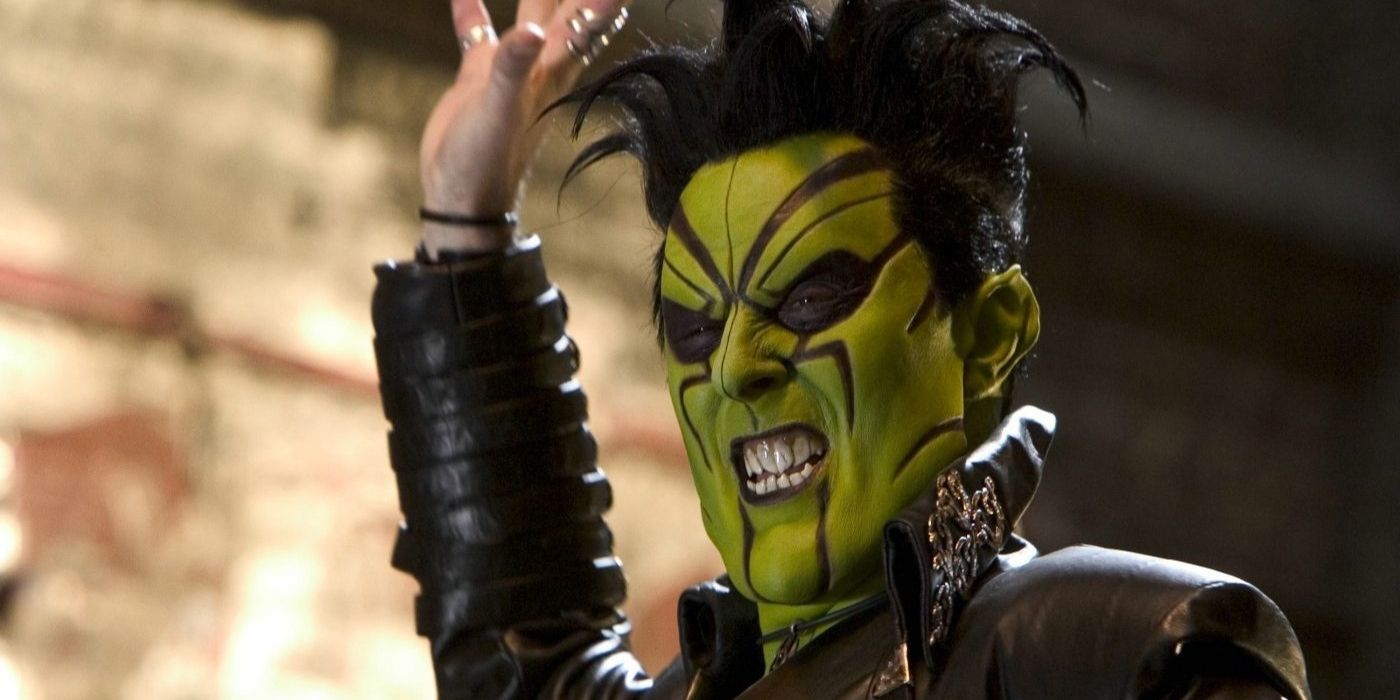
While the original 1994 film The Mask remains a classic and one of the most unique superhero comedies ever created, its sequel, Son of the Mask, is widely regarded as one of the most disappointing family movies of the 2000s. Lacking the iconic Jim Carrey‘s exuberant charm, clever writing, and that signature over-the-top cartoonishness, the sequel instead presents a mindless cacophony that is neither appropriate for children nor tolerable for adults.
There are numerous elements that contribute to Son of the Mask‘s reputation as a notorious example of cinematic failures, and the CGI is undoubtedly one of the primary culprits. The special effects of the original film, although somewhat dated, still hold enough personality and self-awareness to remain memorable. In contrast, the visual effects in the sequel are so horrendous that nothing positive can be said about them. They are unattractive, poorly executed, and somehow even more lackluster than those of its 11-year-old predecessor, marking them as some of the most atrocious VFX ever witnessed in film.
11
‘Mortal Kombat: Annihilation’ (1997)
Directed by John R. Leonetti
<source media="(min-width: 0px)" data-srcset="https://static1.colliderimages.com/wordpress/wp-content/uploads/2022/06/3691397-mkdek-Cropped.jpg?q=49&fit=crop&w=500&dpr=2" srcset="https://static1.colliderimages.com/wordpress/wp-content/uploads/2022/06/3691397-mkdek-Cropped.jpg?q=49&fit=crop&w=500&dpr=