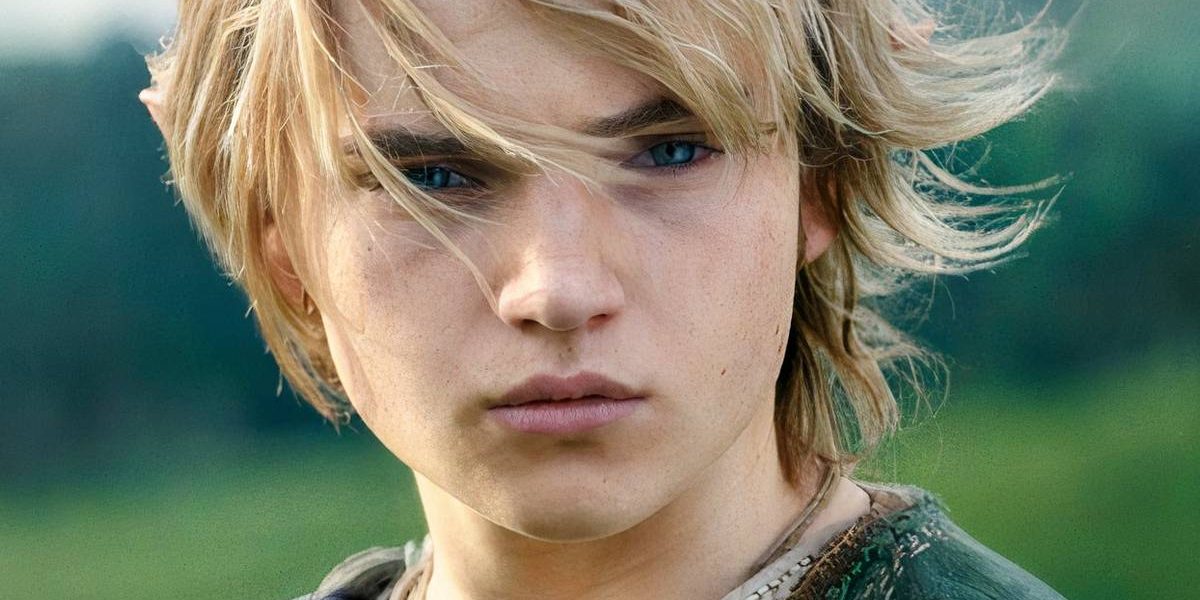
When the leads for the upcoming The Legend of Zelda movie were announced, their ages all but proved Nintendo’s intention of building a Zelda franchise on the big screen. Bo Bragason, who plays Princess Zelda, will be 23 when it comes out, while Benjamin Evan Ainsworth, who plays Link, will be 19. With such young actors, the potential for sequels is obvious, but should Zelda really become a movie franchise, Nintendo should consider something else: the fact that the games don’t tell a linear story. Instead of a single storyline, Zelda‘s continuity follows branched-off timelines with each new game, and that’s what the movies should do, too, in a lasting franchise.
The ‘Zelda’ Games Are About a Never-Ending Cycle of Good Versus Evil
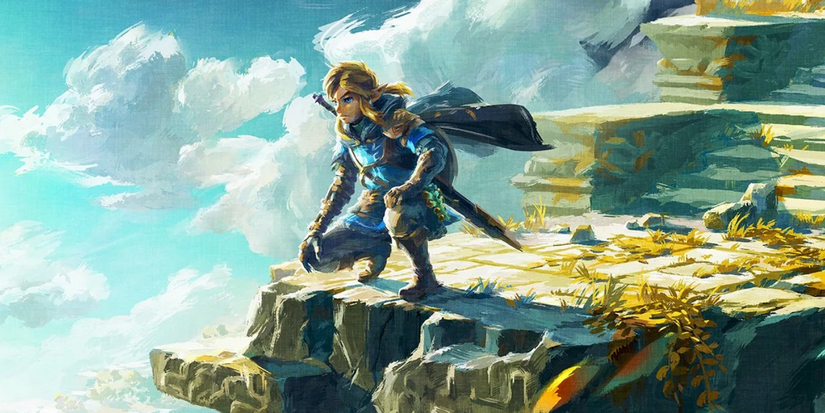
Image via Nintendo of America
Out of over 30 Zelda games, only two are sequels — Majora’s Mask and Tears of the Kingdom. That’s because each game traditionally reboots the series, telling new original stories with different versions of the heroes Link and Zelda. This used to confuse fans, who tried on their own to organize every entry into a cohesive timeline until the 2011 official Hyrule Historia reference book explained the canon: yes, each game is an entirely separate story, but they are all part of the same cycle, a never-ending struggle of good versus evil.
Skyward Sword is the chronological starting point where the cycle begins. The following games are The Minish Cap and Four Swords, and then, from Ocarina of Time on, there are three separate timelines. Classics like A Link to the Past, The Wind Waker, and Majora’s Mask, for example, are all in different branches. Finally, games that came after Hyrule Historia‘s publication, like 2017’s Breath of the Wild, come at the very end of the chronology, with fans usually placing them after a unifying event that ties the three branched timelines together.
This overarching cycle is restarted with every new game, always involving three key elements: a brave warrior, a wise sage-like maiden, and a powerful hateful threat. The first two are iterations of Link and Zelda, respectively, who always start the games playing different roles where they live and, sometimes, don’t even know each other at the start. Meanwhile, the last has had many names over the ages — Demise, Vaati, Ganondorf, the Calamity, etc. — but its eternal purpose is to conquer and destroy.
The Games’ Branched Timeline Favors Reboots for Every New Film
What all these different timelines mean is that no two Zelda games are the same; The Wind Waker has an animated style and lighthearted humor, while Twilight Princess is darker and grittier, for example. When it comes to the movies, though, this could actually be the key to building a lasting franchise, with Nintendo potentially expanding it and having multiple projects with different styles and tones. There is enough room for live-action movies, animated series, and other kinds of projects without the risk of one interfering with the other.
The timeline itself isn’t what’s important, really, nor where the upcoming movie fits, but all these different branches and the cyclical nature of the franchise allow it to continuously reboot itself with every new game without making it confusing. This same principle should be applied to the movies when mapping out the future of Zelda on the big screen. The upcoming movie may indeed get a sequel as implied by the actors’ ages and this sometimes happens in the games as well but each movie should really feel like a stand-alone like the games do.
One of the best things about Zelda is that newcomers can start with any game without needing to follow a specific chronological story and still have fun as they make their way through. Every player has a different Zelda experience since we all started from different points. The movie industry works in its own way of course but in the long run, this feeling from the games should also translate into the movies, as the actors inevitably age and newer audiences are introduced to Zelda on the big screen. If the goal is to have a lasting franchise that’s the way to go.
Frequent Reboots Could Be Ideal for Building a Zelda Franchise in Theaters
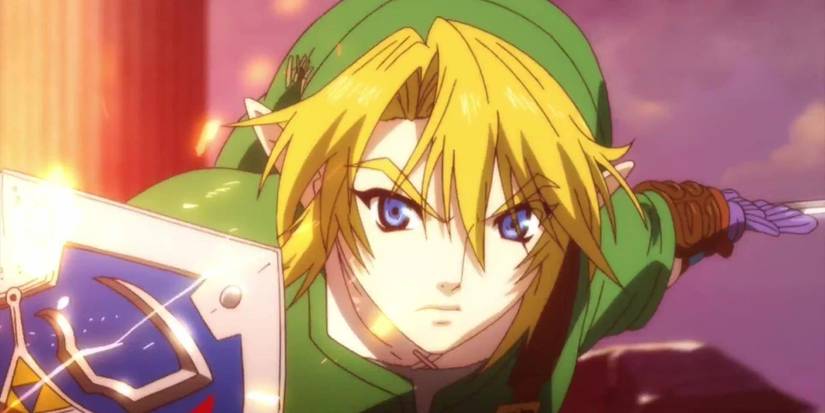
An adaptation of Zelda for any screen size is something that fans have always wanted but could never quite figure out. Some fans wanted a live-action film indeed but many others wanted an anime series while others believed only a Studio Ghibli-inspired project could pull it off for example. The old animated series was so weird too that a few fans even thought another adaptation shouldn’t even be attempted — there are too many possibilities each with its own strengths and pitfalls. The first images of the upcoming live-action are starting to sway everyone however as it seems they are on the right track.
Yet, the cyclical nature of the games also favors this aspect of a potential movie franchise: there is no need to stick just to live-action. Like the games,Zelda should entertain multiple audiences by telling stories in different genres, from live-action movies to anime. Nintendo is clearly taking a different approach with The Super Mario Movie, making it the starting point of an animated franchise and focusing on sequels but it doesn’t mean it should follow this same pattern with Zelda. Those two are clearly meant for different audiences meaning they should be developed differently. For Zelda, though, the way — or better yet — many ways — are clear.
The Legend of Zelda premieres on May 7, 2027.