

The number 10 is often linked to a classical numerical metric for perfection, representing both subjective quality and various objective applications as an integer. In some cultures, particularly in East Asia, this number and its close associates carry additional meanings, being regarded not only as a “perfect” number but also as God’s number and a symbol of the completion of a cycle. This fascination with numbers, known as arithmomania, is evident in one of South Korea’s notable masterpieces from the past decade, Guardian: The Lonely and Great God, commonly referred to as Goblin.
The iconic K-drama aired from December 2016 to January 2017, featuring Gong Yoo, Kim Go-eun, Lee Dong-wook, and Yoo In-na in a slow-burn 16-episode narrative about the intertwining lives of immortal and mortal beings. As the series approaches its 10th anniversary in 2026, Rakuten Viki serves as the primary streaming platform for North American and international viewers eager to watch it. It is set to premiere at 9:10 KST (8:10 AM ET), after which Viki subscribers can enjoy it on demand, along with availability on Viu in select markets across Asia, Africa, the Middle East, and Oceania.
Beyond the playful choice of release time for its reunion special, Goblin is widely regarded as a gold-standard masterpiece among K-dramas. It is considered a 10/10 not merely based on strict definitions of perfection but more so for how it innovatively advanced the fantasy genre, achieving multiple remarkable milestones. It is a must-watch for any fan of the genre, even during its most heart-wrenching moments.
Goblin Is The 10/10 Gold Standard Of Fantasy K-Dramas
In Goblin, Gong Yoo portrays the titular character, a once-great general from the Goryeo Dynasty named Kim Shin who was betrayed by his king and cursed to live as an immortal goblin. His eternal existence is tied to the world until his destined bride removes the sword that once pierced him from his chest. This premise sets the stage for Goblin, where the main character endures a charmed yet sorrowful life until he intervenes to save a mother and her unborn child from death. This act leads him to confront other divine forces in the series, where bureaucratic Grim Reapers clash with his actions.
The series presents this premise in an accessible way. The melodramatic introduction set in Goryeo serves as a prologue, detailing Shin’s 939 years of isolated suffering as a Goblin before transitioning into modern times filled with affluent chaebol elites—ideal for a K-drama from 2016 that features both elegant and somewhat intrusive product placements. However, beyond flashy Maseratis and exaggerated claims about Subway sandwiches’ mental healing properties, Shin’s immortality forces him to witness the deaths of those he loves while denying him peace. Despite his cynicism, his life gains new significance when Ji Eun-tak, the daughter of the woman he saved, enters his life.
15 Greatest Time Travel K-Dramas Ever Made, Ranked
Time travel is a common trope used in K-dramas to solve mysteries, add intrigue and propel love stories. Here are the best time travel K-dramas.
Much of Goblin revolves around Shin’s evolving roles as his unchanging adult appearance allows him to transition from protector to friend to platonic soulmate to lover. While Shin meets Eun-tak as a 939-year-old immortal Goblin, her significant moments occur at pivotal ages: nine when she loses her mother, nineteen when she meets Shin and learns she can alter his fate, and twenty-nine when they reunite once more. Eun-tak’s life unfolds against destiny’s odds; one Grim Reaper (Lee Dong-wook) initially pursues her as a “missing soul” meant to have died decades earlier while grappling with secrets about his own identity.
Goblin’s fascination with numbers helps distinguish it in simple yet profound ways while tapping into an obsession with multiples of ten. Each depiction of Eun-tak occurs at critical junctures in her life where her guardian Goblin plays significant roles—such as when she turns twenty and her story with Shin progresses meaningfully. The narrative weaves in elements from the past and deities operating behind the scenes to create pathways for characters while maintaining cycles of renewal and causality. The episode also carefully establishes how the Reaper gradually begins breaking rules he once strictly adhered to.
This theme extends beyond Eun-tak’s relationship; the Reaper becomes entangled with Sunny (Yoo In-na), a chicken restaurant owner with her own captivating backstory that adds depth to their romance. This relationship pulls the Reaper into thrilling yet perilous new experiences as his past actions lead to unforeseen consequences. However, beneath its romanticism and high-concept fantasy elements, Goblin showcases excellence through other unique qualities.
K-Drama Bromances Don’t Get Better Than In Goblin
“And They Were Roommates”
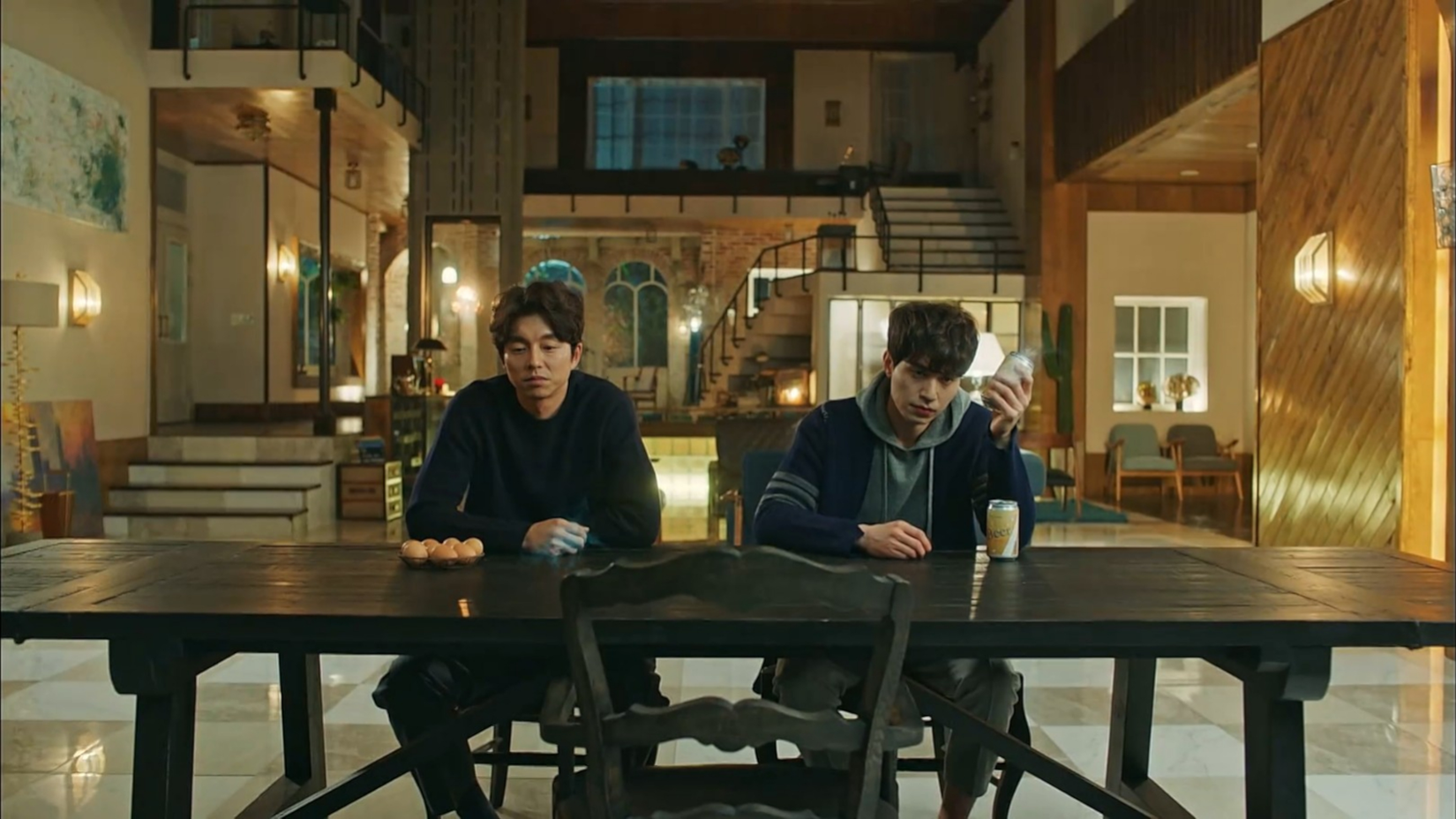
While Goblin is deeply entrenched in modern fantasy storytelling with occasional glimpses into past and future events, its emphasis on human connection remains a steadfast element—a hallmark of classic K-dramas. This results in profoundly beautiful emotional ties like that between the Reaper and Sunny sparked by mere attraction but also allows platonic relationships to shine through, even if Shin and the Reaper’s chemistry borders on BL territory. Brought together by chance, Shin soon finds himself sharing living quarters with the Reaper in a home provided by his wealthy chaebol benefactors.
The outcome is priceless. While Shin’s past is relatively transparent, the Reaper’s history remains frustratingly concealed—a captivating secret for viewers to unravel. Initially resentful toward each other, the Reaper jokingly wishes Eun-tak would free Shin from his curse so he could finally die. Out of context, this dynamic seems harsh but is portrayed humorously through Lee’s performance alongside Gong’s youthful charm.
Before long, they discover common ground as the Reaper becomes increasingly humanized through his budding friendship with Eun-tak and his desire to connect with Sunny despite his evident social awkwardness. This leads to charming moments of quiet camaraderie or amusing scenes featuring Shin boiling an egg using flames only he can conjure while the Reaper chills beer in his hand—both working together seamlessly.
Their bickering intensifies once Eun-tak moves into their home but ultimately evolves into mutual support during their most challenging moments by the conclusion—each wishing for the other’s happiness. Regardless of opinions on Goblin’s romantic elements, its bromance remains unassailable.
Goblin Is A Perfectly Imperfect K-Drama (And That’s A Great Thing)
Aiming for absolute perfection in K-dramas or any televised content is an unattainable goal. Tastes evolve over time—no matter how long masterpieces like Breaking Bad’s “Ozymandias” dominate IMDb ratings charts—they eventually face differing opinions for various reasons, not always grounded in good faith. In terms of Goblin, it showcases stunning cinematography across its Korean filming locations along with Shin and Eun-tak’s beloved getaway in Quebec City—an embodiment of their infatuation with romantic-era culture centered around “sad love”.
The excellence extends beyond casting or visuals that range from warm tones to haunting imagery as key characters emerge before becoming desolate later on. Goblin features some of the most enchanting songs accompanying pivotal moments—one notable scene between the Reaper and Sunny underscored by Sam Kim’s “Who Are You”, illustrating that these tracks are not merely catchy but tailored specifically for their context. These elements combined with a slow-burn narrative contribute significantly to making Goblin an enriching experience within and beyond its fantasy genre.

10 K-Dramas That I Guarantee You Will Watch More Than Once
Everything in K-dramas works to make them incredibly compelling so much so that the best will have you wanting to rewatch them repeatedly.
However, there are valid critiques regarding the series’ pacing—it deliberately builds toward larger revelations through seemingly minor moments—which may disengage viewers unwilling to commit over an hour-long runtime across sixteen episodes. Additionally, concerns arise regarding age gaps when Shin forms an initial bond with Eun-tak at nineteen despite no significant romantic development at this stage. The ending features some truly heartbreaking developments that are well-executed but may be hard to recommend for those seeking conventional happy endings.
The reason why Goblin is regarded as such a benchmark-setting 10/10 fantasy K-drama lies not only in its flaws identified nearly ten years later but also in audiences’ continued recognition of its legendary status within modern media. The series shaped its cast members’ careers significantly—many extras like a young Kim Hye-yoon have risen to become contemporary K-drama stars recently headlining folklore-inspired dramas themselves. This reception speaks not just about perfection but rather about its crucial role within Korean pop culture history—a reliable yet profound viewing recommendation that never disappoints when selecting Studio Dragon productions.
Goblin’s legacy resonates through its ability to be both approachable yet challenging within fantasy genres—from accessible narratives like Tale of the Nine Tailed, contrasting against more esoteric excellence found within Alchemy of Souls. As it nears nearly ten years at the forefront of television shows within this medium—the upcoming commemorative reunion special signifies celebration rather than mourning—a new cycle begins after ten years at its peak accompanied by one pressing question: where does it go from here?
Goblin, a.k.a. Guardian: The Lonely and Great God, is available for streaming on Rakuten Viki with its 10th Anniversary reunion special releasing on this platform following its Korean tvN broadcast at 9:10 PM KST (8:10 AM ET).


[nospin]Here you can find the original article; photos used in our article come from this source solely for informational purposes with proper attribution.[nospin]