
Key Takeaways
- Viewing Experience: Many fantasy films require multiple viewings to fully appreciate their depth and artistry.
- Film Variations: Different versions of films can lead to varied audience receptions and interpretations.
- Character Dynamics: The characters in fantasy films often serve archetypal roles rather than complex arcs.
- Visual Mastery: The stunning visuals in these films may initially overwhelm viewers, necessitating a second viewing for deeper understanding.
Movies change, even when they don’t. Films are, for the most part, static entertainment. Regardless of filmmakers’ abilities now to endlessly tinker with the final product, the original version remains the same. Sometimes viewers don’t respond to that original version on first viewing. Sometimes it takes a second viewing to really appreciate a film for what it is. The movie hasn’t changed, but their expectations for it have. When it comes to fantasy movies, there’s a lot that can get in the way of that appreciation.
Fantasy movies often come filled with fantastical settings and characters, sometimes so much so that a first viewing can be overwhelming. There’s so much magic in the air that it becomes almost impossible to see the enchanted forest for the trees. That’s why so many fantasy films require more than just one viewing to really enjoy, whether it’s because of expectations, too much magic on screen, or a simple case of audiences not appreciating what they had at the time.
‘Legend’ (1985)
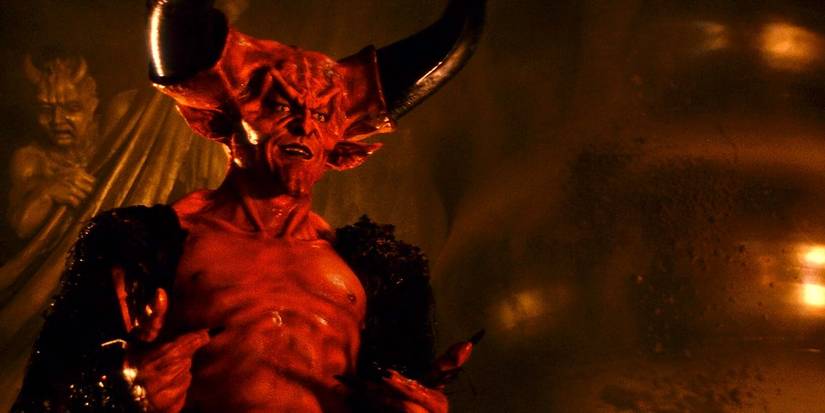
Image via Universal Pictures
Ridley Scott‘s Legend has, like many of his films, a complicated legacy. Depending on where you grew up, you saw a vastly different version of the film. Europeans were treated to a longer, more methodically paced fantasy movie with a luxurious Jerry Goldsmith score, while Americans got a faster-paced film backed by synth-heavy Tangerine Dream music. Whichever version it was, both received generally tepid responses, and it’s only in more recent years that the film has gained a more positive reception and cult following.
The film follows a fairly straightforward fantasy plot involving a Princess (Mia Sara), who’s abducted by evil lord Darkness (Tim Curry) and has to be rescued by a hero in shining armor, Jack (Tom Cruise). It’s a deliberate throwback to classic fairytales, and thus the characters offer little in the way of compelling arcs and are, more than anything, archetypes. Curry stands out most thanks to his deliciously theatrical performance, but the leads are slight. That leaves the visuals, immaculately created entirely on soundstages, which can be jarring on first watch but helps the film take on a reality of its own on a rewatch.
‘The Princess Bride’ (1987)
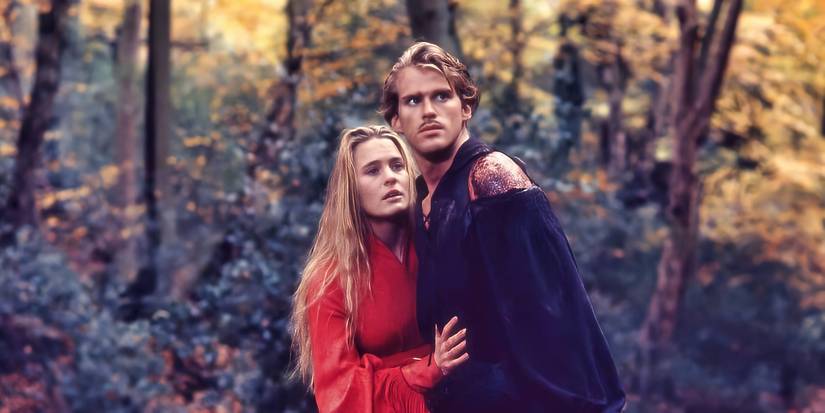 Image via 20th Century Studios
Rob Reiner‘s The Princess Bride is an essential cult classic that generally inspires two kinds of reactions: utter affection or general disinterest. It’s a film that most people generally love, or it's simply not for them. Whether you love it or don’t have any interest in it, it’s without a doubt a film that gets better on second viewing. For those who love it, there’s even more to appreciate in all the rapid-fire wit, with so many iconic lines and comedic moments that overlap that it’s impossible to catch them all at first.
The adventures of Westley (Cary Elwes) to save Buttercup (Robin Wright) still follow the basic fairytale structure but are undercut by writer William Goldman‘s satirical edge, adapting his own novel, and director Reiner. Reiner’s sensibilities are most readily apparent in scenes like that featuring Miracle Max (Billy Crystal). The Princess Bride is a movie that you can’t force anyone to enjoy, and it almost seems impossible for those who do to love it any more. But give it a second go, and it might just surprise you.
‘Who Framed Roger Rabbit’ (1988)
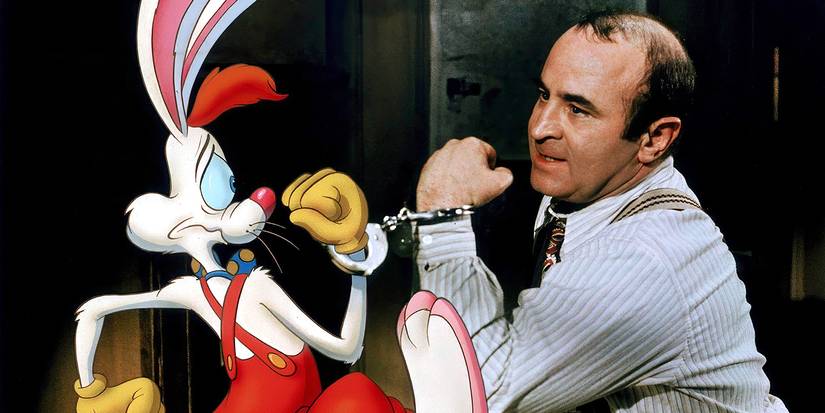 Image via Walt Disney Studios Motion Pictures
Who Framed Roger Rabbit is another fantastic fantasy film that has few true detractors. And why should it? It’s an absolute miracle that couldn’t have been made only a few years prior and absolutely can never be replicated. It’s a testament to where Disney and Warner Bros. were at the time of the film’s production, the producing power of Steven Spielberg, and the technical skills of director Robert Zemeckis. There’s so much to appreciate that there’s simply no way to enjoy it all in the first watch.
As a love letter to both 1940s noir and the Golden Age of animation, the movie delivers on both fronts. That technical aspect, in particular, is a big part of what makes it such a delight to rewatch. It’s one thing to be engrossed in the interactions between detective Eddie Valiant (Bob Hoskins) and Roger Rabbit (Charles Fleischer), but it’s something else entirely to marvel at the mix of artistry and acting prowess that truly makes you believe in it. Who Framed Roger Rabbit is pretty damn perfect, but it’s even better the second time around when you can really appreciate how damn hard a movie it must’ve been to make.
‘Hook’ (1991)
Hook, Steven Spielberg’s grown-up take on Peter Pan, is very strange. Despite having a strong visual aesthetic, impressive production design, and a truly magical John Williams score, it’s also a bizarre tonal balance, being ostensibly a film for kids focused entirely on an adult protagonist with very adult problems. It’s that dichotomy that many critics took issue with, essentially calling it a baby boomer fantasy film but which now has a legion of fans who grew up with the film and love it for all its weird charms.
Peter Banning (Robin Williams) is a successful lawyer whose work has left him estranged from his wife and children. Before he can find a way to reconnect with them, the children are abducted by the legendary Captain Hook (Dustin Hoffman), and Peter is whisked away to Neverland by Tinker Bell (Julia Roberts), where he has to remember his past as the boy who never wanted to grow up. There’s undeniable artistry here, but much of it is buried beneath the story’s bloat, which fails to marry Spielberg’s sense of wonder with its more cynical aspects. The second time, it’s a lot easier to forgive the film’s inconsistencies and just experience it.
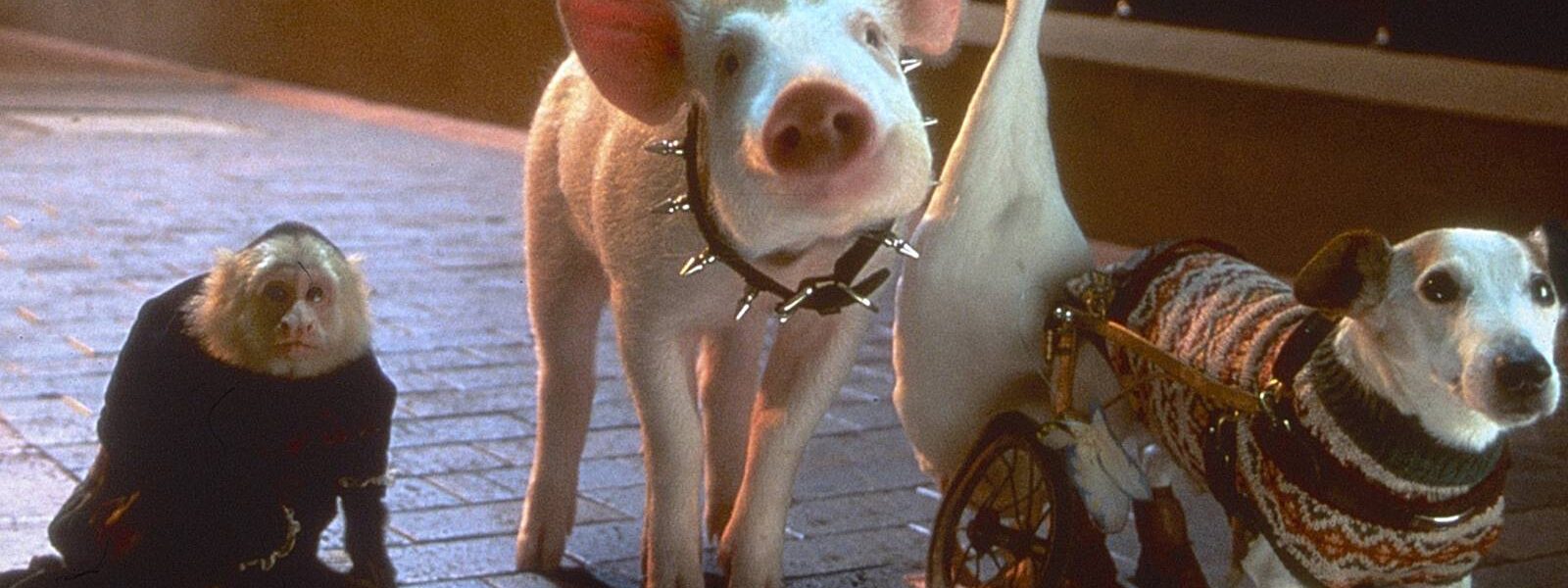
‘Babe: Pig in the City’ (1998)
<figcaption style display:noneFlealick Jack Russell Terrier Adam Goldberg Ferdinand Duck Danny Mann Babe E G Daily Tug Capuchin Mann standing together in Babe Pig in Cityfigcaption smallclass bodyimgcaptionImage via Universal Pictures
<pSpeaking of strange choices they don't get much stranger than those made by <bGeorge Miller </band his creative team for the sequel toBabe </bThe original film featuring talking pig who finds he has talent for herding sheep has certain level whimsy to it but is otherwise grounded recognizable reality The sequelBabe Pig in City leaves reality dust for dark surreal journey through urban landscape amalgamated from every major metropolis into something wholly fantastical
The film follows Babe(E G Daily)</b as he and Mrs Hoggett(<bMagda Szubanski)</b travel Metropolis earn money save farm In city piglet finds himself continually pulled into different schemes including clown act involving conniving chimps jailbreak from animal control facility<bIt's very chaotic wild adventure<bespecially comparison quieter charms first film but every bit equal It can<bcause some serious tonal whiplash<bif you watch close proximity first film but taken its own second time around can wicked fun
‘The Lord of the Rings: The Fellowship of the Ring’ (2001)
<figcaption style display:noneFrodo Gandalf cart Shire Lord Rings Fellowship Ring2001figcaption smallclass bodyimgcaptionImage via New Line Cinema
If ever there was fantasy film or films only needed single viewing completely immerse you into their world it’sThe Lord of Rings. <bPeter Jackson's monumental trilogy adapted from novels by<bJ R R Tolkien set new standard truly hasn't been bettered Hollywood since Every frame franchise filled gorgeous landscapes courtesy New Zealand immaculate production design often seamless blend invisible practical digital effects It's what made films stand test time what makes watching them second time so much better
The Fellowship Ring has unfavorable task setting entire backstory building entire world It requires some heavy-duty exposition but<strongmakes remarkably entertaining enthralling There are so many minute details within Middle-earth creatures inhabit nigh impossible register all first watch especially when there some dense lore large cast keep track It cannot overstated how impressive is<strongthe film never feels laborious confusing true testament filmmakers brought Tolkien's world life incredible fidelity detail
<p<spanclasscq-type-icon/span/p>
<p<spanclasscq-type-icon/span/p>
<p<spanclasscq-type-icon/span/p>
<p<spanclasscq-type-icon/span/p>
<p<spanclasscq-type-icon/span/p>
<p<spanclasscq-type-icon/span/p>
<p<spanclasscq-type-icon/span/p>
<p<spanclasscq-type-icon/span/p>
BEGIN YOUR QUEST → /label >
/section >
/section >
/section >
/section >
/section >
/section >
/section >
/section >
/section >
/section >
/section >
/section >
‘Spirited Away’ (2001)
<pSame asThe Lord of Ringsfilms Hayao Miyazakiare filled infinite details beautiful flourishes none more so thanhis fantasy masterpieceSpirited AwayIt's film steeped Japanese folklore operates dream logic making first viewings bit beguiling experience Like many films Miyazaki's easy fall love appreciate first time around perhaps little harder put themes simple terms<strongHis films demand rewatchbut they're such enchanting experiences you'll likely love do so
<pSpirited Awayfollows young Chihiro(<bRumi Hiiragi)</band becomes trapped literal ghost town after parents transformed pigs It's wild ride down proverbial rabbit hole but all distinct Studio Ghibli charm alternately creepy dazzling imaginative more fantastic visuals single frames than some other fantasy films manage entire runtimes There's so much take you absolutely need watch film second time capture all its magic.
‘Shrek 2’ (2004)
/>
<p indisputable best main franchise entriesShrek does have deep worldbuilding asSpirited AwayorThe Lord Ringsbut is so chock-full sight gags quotable lines clever satire they just easy miss first time around Where first film certainly lacking jokes made expense numerous fairytales Disneyfied tropes sequel amplifies nth degree losing sight character-driven stakes humor It also benefits introduction several characters would become fan favorites mainly Zorro-codedPuss Boots(<bAntonio Banderas)</band.
<pAfter marrying Fiona(<bCameron Diaz)</band finds himself most unenviable quest all meeting in-laws More just fairytale versionGuess Who's Coming Dinner family meeting becomes complicated thanks villainous Fairy Godmother(<bJennifer Saunders)</band kitty cat assassin Puss plot isn't hard track animators clearly having ball fillingBeverly Hills-esque land Far Far Awayall manner comedic twists fairytale puns It's fun fantasy from start even better second time when can really appreciate all gags.
‘Pirates of Caribbean Dead Man’s Chest’ (2006)
/>
<pPirates Caribbean Curse Black Pearlwas surprising swashbuckling fantasy adventure turned decades-old theme park attraction blockbuster franchise sequelPirates Caribbean Dead Man's Chestwas darkerwith denser mythology even dynamic villainbut also began show signs franchise bloat Those weaknesses were what most critics took aim at when first released indeed there no denying many felt more waterlogged adventure than light breezy first film.
<pThe convolutes backstory Captain Jack Sparrow(<bJohnny Depp)</band considerably introducing debt owed squid-faced Davy Jones(<bBill Nighy)</band whose monstrous crew happens also include father Will Turner(<bOrlando Bloom)</band There's also subplot involving East India Trading Company voodoo priestess course Kraken It's lot movie perhaps too much especially first watch The second time around though barnacles plot tend fall away you're left extravagant fantasy adventurefeaturing some incredible setpieces unparalleled visual effects.
‘Where Wild Things Are’ (2009)
/>
<pIt's hard say what audiences were expecting fromSpike Jonze'sbig-screen adaptation beloved children's bookWhere Wild Things ArebyMaurice Sendakbut doubtful any were prepared solemn contemplative film released Far from family-friendly adventure veinDisney PixarJonze'sfilm more aboutbig emotions define childhood how express lending certain dark even depressive quality some quieter moments.
<pLike bookfilm slight narrative follows wild child Max(<bMax Records)</band transported fantasy world inhabited giant Wild Things brought life byJim Henson Creature Company With monsters Max begins understand consequences actions develops self-awareness empathy It's not exactly blockbuster entertainment there's quieter kind joy definitely deeper emotions you're ready engage with It true beauty wonder beneath anxiety anger which many audiences may been too bewildered consider when watching film first time.