

Crime drama in the 20th century captivated audiences with its diverse genres, from the screwball comedies of the ’30s to the intense realism of the ’70s and the action-packed films of the ’80s. Among these, crime drama stands out for its enduring popularity, critical acclaim, and significant cultural impact throughout the century.
Through innovative direction, bold storytelling, thematic depth, and a gritty portrayal of violence, crime has solidified its position as one of cinema’s most engaging and thought-provoking genres. From classic noir films of the ’30s and ’40s to intricate psychological thrillers of the ’90s, these crime films are exemplary, with their legendary status reflecting their exceptional quality.
‘Heat’ (1995)
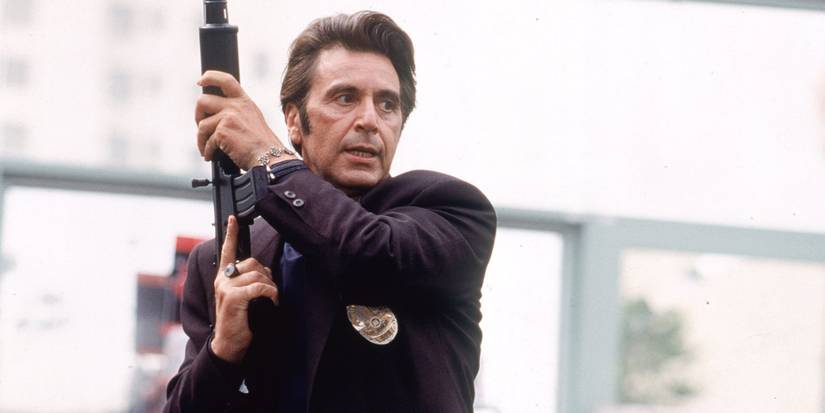
At 170 minutes, Heat is an epic film that sees Michael Mann blend character-driven drama with gripping action sequences. The film explores both cops and criminals as deeply flawed individuals driven by obsessive professionalism, creating a compelling dichotomy between principles and sacrifices as it follows bank robber Neil McCauley (Robert De Niro) and Lt. Vincent Hanna (Al Pacino), the cop pursuing him.
The mere presence of De Niro and Pacino made Heat an instant classic. Beyond star power, the film’s qualities of grand spectacle, striking realism, and captivating drama have captivated audiences. Mann’s storytelling is masterful, with both the high-tension shootout scene and the quiet diner conversation between McCauley and Hanna standing out as two of crime cinema’s most memorable sequences. It is not just a perfect crime-action film but also one of the most timeless achievements of ’90s cinema.
‘The Maltese Falcon’ (1941)
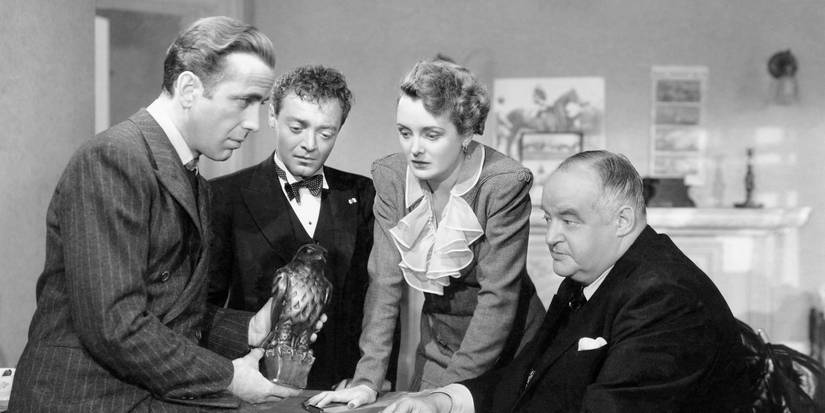
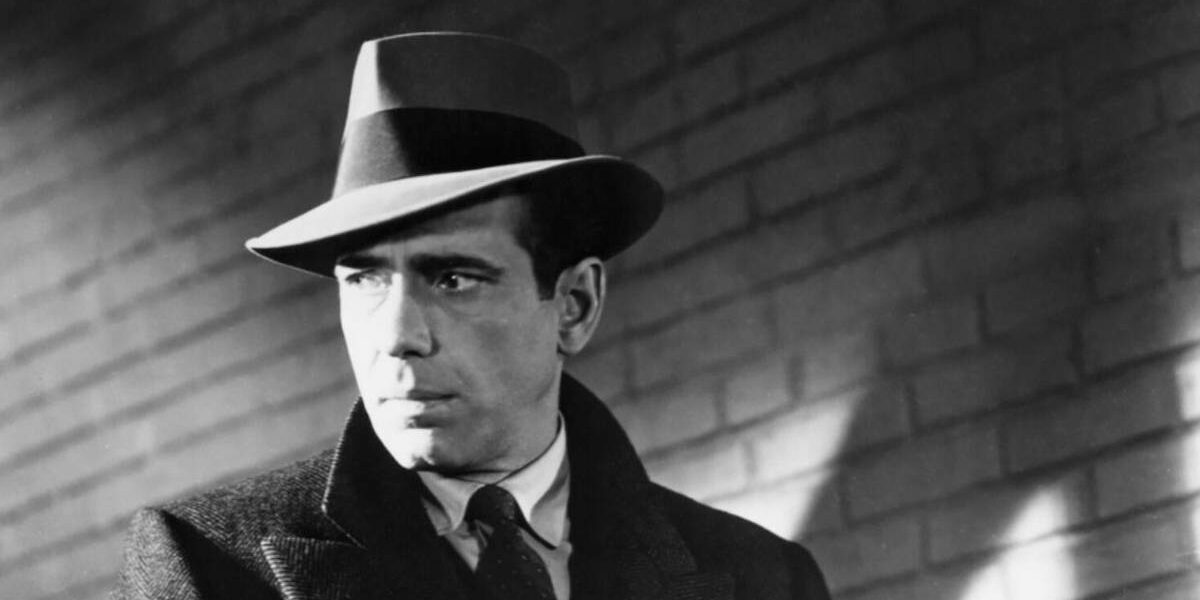
The Maltese Falcon ignited a wave of film noir classics that dominated Hollywood in the ’40s, and while it has inspired many imitators, it remains unmatched in both spectacle and style. Its aesthetic is characterized by shadowy visuals and cynicism, with elegantly dressed characters concealing dark secrets as they attempt to outsmart each other for personal gain.
Based on Dashiell Hammett‘s novel, it follows private investigator Sam Spade (Humphrey Bogart) as he becomes embroiled in a web of deceit surrounding the search for the priceless statuette known as the Maltese Falcon after his partner is murdered. A tale of greed and desperation supported by captivating performances, stunning visuals, and intricate plotting, The Maltese Falcon is one of Hollywood’s most iconic classics and a cornerstone of crime cinema mystique. It is remarkable to note that it was John Huston‘s directorial debut.
‘Pulp Fiction’ (1994)
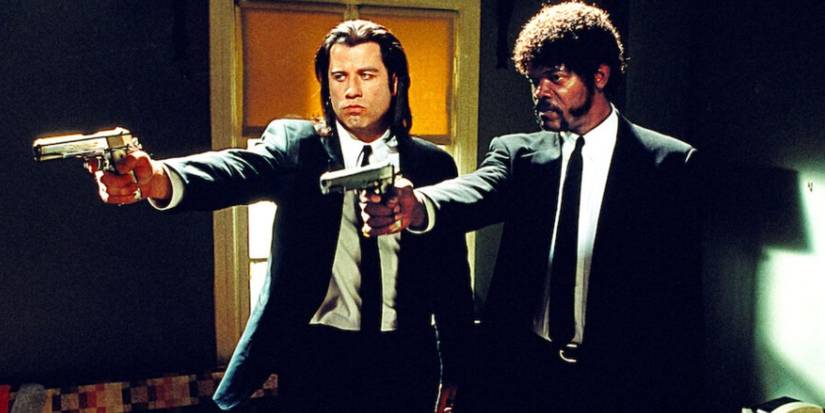
The quintessential film by Quentin Tarantino, Pulp Fiction, combines iconic dialogue that is both rhythmic and humorous with bursts of ultra violence typical of the ’90s indie counterculture movement. Absurdly entertaining, this sprawling non-linear narrative follows several criminals in L.A. whose chaotic lives intersect through a series of wild and often deadly encounters.
The film’s impact on pop culture and cinematic trends is undeniable, making it one of the most significant films of its decade. Today, Pulp Fiction continues to be regarded as one of the most entertaining films ever made—a magnetic blend of witty lines, unforgettable scenes, memorable characters, and exceptional music. It fills every moment of its 149-minute runtime with compelling drama, intensity, and humor. Pulp Fiction epitomizes style and excess in crime cinema, serving as Tarantino’s magnum opus and a landmark achievement of ’90s film.
‘Se7en’ (1995)
The palpable atmospheric intensity often serves as a key asset to crime mystery thrillers—Se7en, directed by David Fincher, exemplifies this beautifully. The film is a masterclass in technical excellence that employs every tool available—the rain-soaked setting, muted greens and shadows, even an oppressive urban environment—to create a sense of moral decay.
The story itself follows two detectives investigating a serial killer who uses the seven deadly sins as inspiration for his murders. Incorporating traditional neo-noir elements along with horror influences, Se7en simmers throughout its runtime with tension building until its unforgettable finale. Disturbing yet captivating, it represents crime cinema at its most unflinching best—standing out as one of the genre’s most iconic titles.
‘M’ (1931)
A pioneering German film ahead of its time,M, is one of the earliest classics in crime cinema that revolutionized sound usage in storytelling. It creates an eerie atmosphere through expressionistic visuals alongside Edvard Grieg’s “In the Hall of the Mountain King,” which heralds the central villain—a child murderer named Hans Beckert (Peter Lorre). The movie examines morality on both sides of law enforcement through public panic over Beckert’s reign of terror.
The police flood the streets seeking to apprehend him while organized crime attempts to capture him themselves to resume their operations. This timeless examination delves into responsibility versus self-interest while presenting Lorre’s captivating yet oddly sympathetic antagonist.
‘Double Indemnity’ (1944)
Double Indemnity, co-written and directed byBilly Wilder, highlights noir cinema’s allure while establishing it as an influential subgenre moving forward. It follows an insurance clerk seduced into a scheme by a married woman wanting to kill her husband for life insurance money. As they plot extensively, pressure mounts when an investigator becomes interested in their case.
This film revels in noir’s complexity with themes of greed, lust, murder—remaining utterly engrossing today—supported by stellar performances alongside a screenplay rich with tension-filled twists.