The 1990s were an incredibly creative period for the film industry, with artistic ambition and mainstream success colliding in ways they hadn’t since the height of New Hollywood. Independent filmmakers broke into the cultural conversation, while blockbusters became smarter and more technically daring. The result was an impressive slate of classics.
This list will celebrate the finest gems from that decade, the '90s movies that are truly flawless from the first scene to the last. The titles below redefined entire genres, setting standards that countless later movies would struggle to match. They remain beloved classics that made a profound impact on the medium as a whole, marking a true before and after in filmmaking.
‘Heat’ (1995)
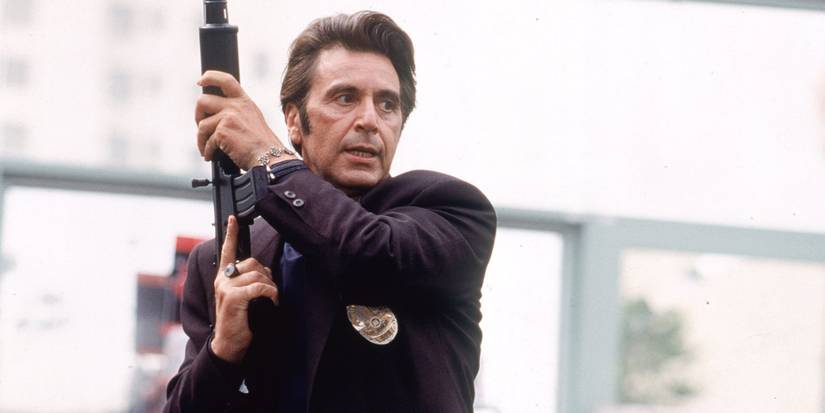
“Don’t let yourself get attached to anything you are not willing to walk out on in thirty seconds flat…” One of the most confident crime thrillers ever. Heat boasts the mythic pairing of Robert De Niro and Al Pacino, the former playing master thief Neil McCauley, the latter obsessive LAPD detective Vincent Hanna. Their lives gradually orbit toward inevitable collision in a heightened, noirish Los Angeles. Michael Mann gives both men equal psychological weight, allowing the audience to understand why each is drawn toward the life destroying him.
Both stars rise to the occasion with flawless performances. De Niro is icily restrained here, believable as someone who has sacrificed any chance at a normal life, while Pacino turns Hanna into a barely controlled explosion of intensity, somehow larger-than-life and yet surprisingly vulnerable. Their parallel arcs culminate in one of the greatest shootouts ever filmed.
‘Se7en’ (1995)
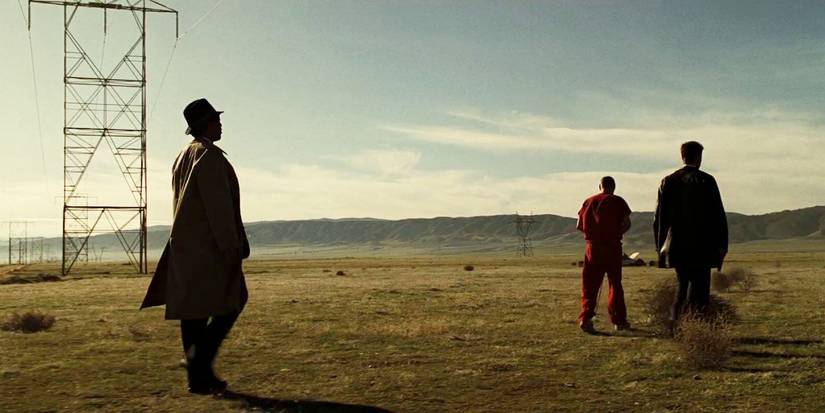
Image via New Line Cinema
“Ernest Hemingway once wrote, ‘The world is a fine place and worth fighting for.’ I agree with the second part.” Dark, rain-soaked, and morally suffocating, Se7en is a bleak philosophical statement disguised as a thriller. We follow veteran detective Somerset (Morgan Freeman) and impulsive younger cop Mills (Brad Pitt) as they investigate a serial killer who murders victims according to the seven deadly sins. Their search takes them to the darkest reaches of the human psyche.
The themes are ambitious, going way deeper than your average murder mystery, yet David Fincher also keeps the plot tight and the storytelling engaging; there are no wasted scenes, no unnecessary subplots, and no false notes. Fincher is also just the right amount of restrained when he needs to be. While the murders are horrifying, Fincher wisely allows the audience’s imagination to do a lot of the heavy lifting.
‘Terminator 2: Judgment Day’ (1991)

-800 in a leather jacket and sunglasses in Terminator 2: Judgment Day.
“No fate but what we make.” What’s the opposite of the sophomore slump? Terminator 2: Judgment Day doubled down on everything that made its predecessor great while also taking the story in fresh directions. The key innovation was transforming the once terrifying machine from the first movie (Arnold Schwarzenegger) into an unexpectedly sympathetic protector. He attempts to protect John Connor (Edward Furlong) from the shape-shifting T -1000 (Robert Patrick), a special effects marvel for the era.
The action kicks butt too. The canal chase, hospital escape, helicopter pursuit, and final battle in the steel mill all rank among the decade’s most entertaining movie moments. Yet beneath the explosions and chases lies a genuinely compelling story about fate, free will, and the possibility of change, very much rooted in the characters and their development. Through them, T2 offers a sense of hope rarely found in dystopian sci-fi.
‘Fight Club’ (1999)
20th Century Studios
“It’s only after we’ve lost everything that we’re free to do anything.” Fight Club is one of the definitive Gen X classics, arguably capturing late 20th-century alienation better than any other movie. Edward Norton leads the cast as an unnamed office worker trapped in a numbing cycle of consumerism and insomnia who meets charismatic anarchist Tyler Durden (Brad Pitt) and becomes drawn into an underground world of bare-knuckle fighting and anti-corporate rebellion.
Norton gives a brilliantly anxious performance as a man desperate to feel something real, while Pitt’s Tyler radiates chaotic confidence and seductive nihilism. The raucous tale that follows is simultaneously satire, psychological horror, social commentary, and existential howl. The script provides a sturdy foundation for it all, packed with memorable dialogue, recurring motifs, and subtle clues that reward repeat viewings, perfectly realized by Fincher’s steady hand.
‘Before Sunrise’ (1995)
<div class="
responsive
–
img image
–
expandable img
–
article
–
item"
style="
padding-bottom:50%"
data-img-url="
https:
//
static0.colliderimages.com/wor…
…
…
…
…
…
…
…
…
…
…
…
…
…
…
…
…
…
…
…
…
…
…
…
…
…
…
…
…
…
…
…
…
…
…
…
…
…
…
…
…
…
…
…
…
…
…