In America, there is a long-standing cultural tendency to treat a woman’s hair as public property; a canvas for societal expectations rather than personal expression.
As noted by sociologist Rose Weitz in her research on the politics of hair, “Women’s hair is never just hair.” In her work, she explores how hair serves as a constant site of social control, noting that because hair is visible and alterable, it remains one of the primary ways society enforces gender norms and judges a woman’s professionalism, morality, and even her character.
When a woman chooses a style that defies the conventional ideal, she often faces more than just a bad hair day; she faces a chorus of unsolicited critiques. Here are 14 of the most infamous styles, backed by the stylists who witnessed the fallout and the cultural pressure that keeps these critiques alive.
The Graduated Bob With Blunt Fringe

Stylists Luna Viola and Sandra Petrut, both consulted by Glam, single out the sharply angled bob paired with a straight-cut fringe as one of the fastest ways to add years to a face. The severe lines create a symmetry that highlights fine lines and asymmetry rather than softening them, Viola explains, since the cut offers the face nothing to work with.
Petrut adds that the style falls flat on aging features, especially once paired with dark, uniform color. Sharp geometry photographs beautifully under studio lighting and less kindly under fluorescent office bulbs or a phone’s front camera.
The fix stylists recommend most often involves swapping hard edges for texture that moves with natural bone structure, softening the exact lines that made the cut feel severe in the first place.
Heavy Layering
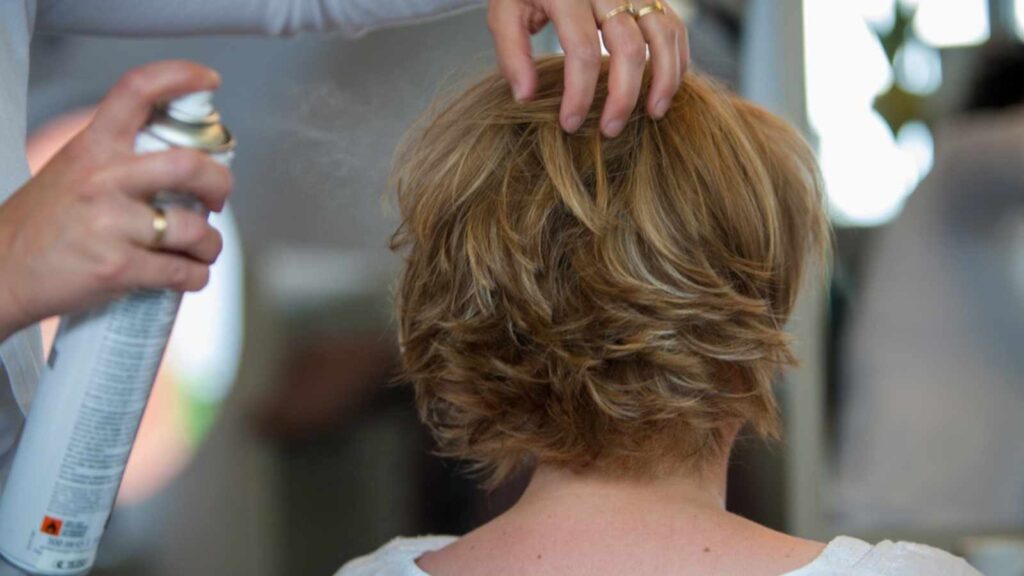
Stacking layers past a certain point stops adding volume and starts stripping it away, leaving fine hair looking thinner and more lifeless than before the cut. A shag depends on restraint. Push the texturizing too far, and the silhouette drifts into the same unbalanced shape that made mullets famous for the wrong reasons.
The line between a covetable shag and an accidental mullet often comes down to inches removed at the crown rather than the overall length of the cut. Working with a natural texture, rather than fighting to manufacture volume through over-cutting, tends to hold up better between salon visits and survives humidity with far less frizz to manage on a daily basis.
The Bowl Cut
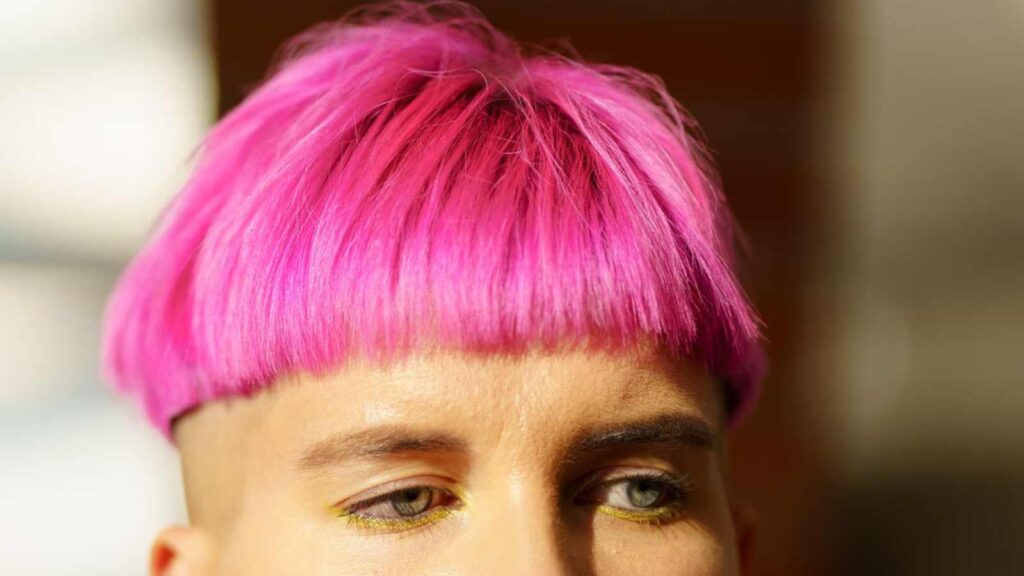
Few cuts trigger a stronger reaction than the bowl. The style dates back to home haircuts and school photo mishaps long before it became shorthand for a cut gone wrong, and that cultural memory has never fully faded.
Its silhouette leaves almost no room for individual face shape to influence the outcome, which is part of why so many versions of it look nearly identical regardless of who is wearing one. Modern versions with soft, textured layers around a pixie base manage to borrow the cropped convenience without the same visual weight sitting flush against the skull.
Precision without room for movement is precisely what keeps this one on regret lists decade after decade.
The Stacked Karen Bob