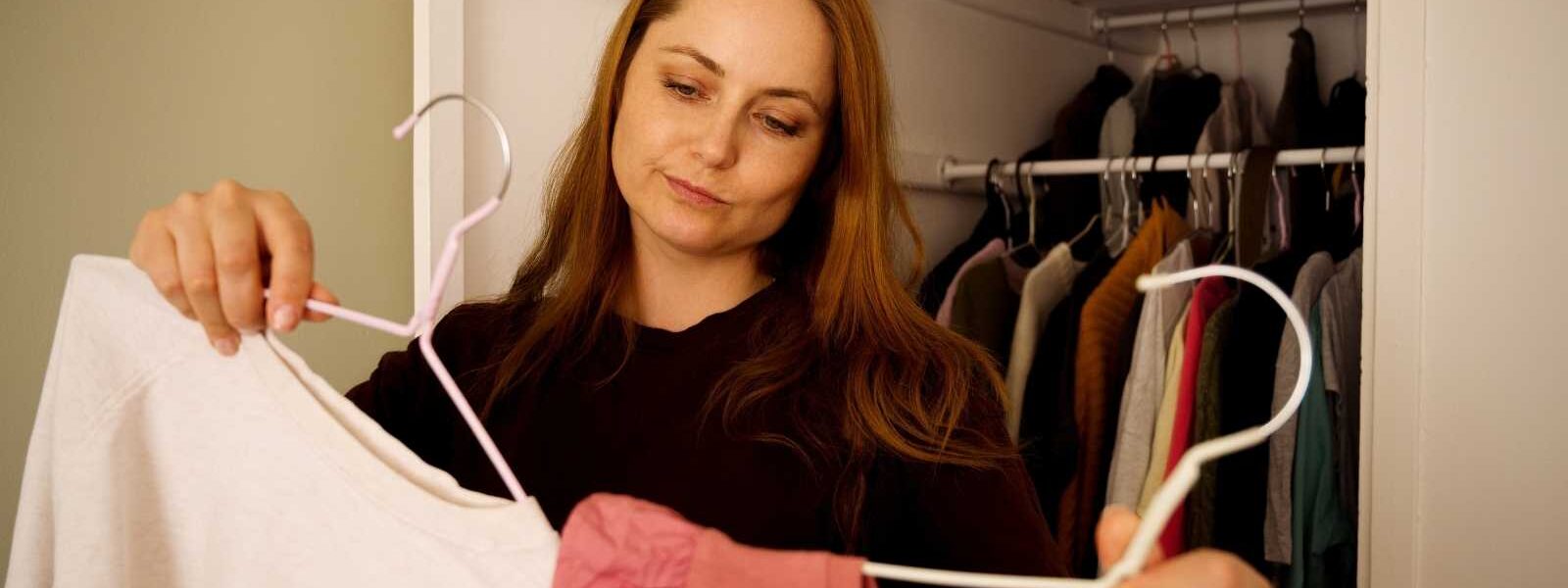
A study by Trunk Club, a personal styling service, found that the average person experiences “wardrobe panic” 36 times yearly (roughly 2,800 times in a lifetime) because they feel they have nothing to wear. Nearly 61% of Americans even admitted they regularly struggle to find something to wear, even with their wardrobes overflowing.
Most wardrobes are filled with pieces that looked like great ideas at the time but somehow never make it into regular outfit rotations. They quietly take up space while your favorite staples keep doing all the heavy lifting.
That can be frustrating, especially when clothing is such a meaningful investment. According to the U.S. Bureau of Labor Statistics, U.S. households spent an average of $655 on women’s apparel and $208 on women’s footwear in 2023, making it even more worthwhile to understand which pieces earn their place in your closet and which collect dust.
Here are 15 pieces many women still own but rarely, if ever, wear.
The “Someday” Dress
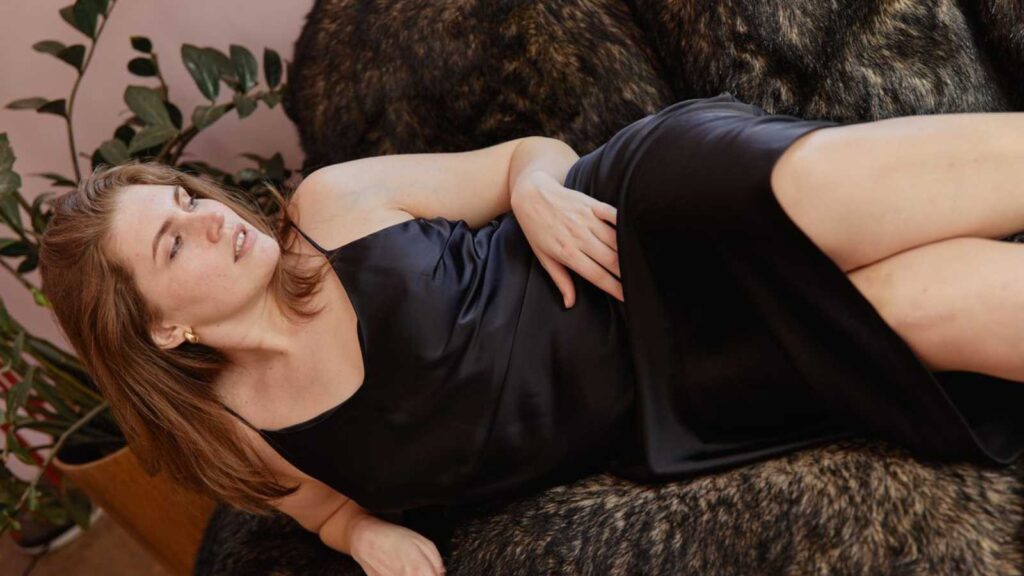
Almost every woman has a dress she’s saving for that perfect occasion. It might have been bought for a wedding, vacation, or celebration that never happened, leaving it untouched while everyday favorites get all the wear.
Often, the occasion isn’t the problem. Life changes, personal style evolves, and what once felt exciting tends to no longer feel like you. Instead of waiting for the “right moment,” the dress becomes part of the closet scenery.
If you still love it, look for ways to style it differently. Pair it with sneakers, a denim jacket, or flats. If you wouldn’t buy it again today, it may be time to let someone else enjoy it.
Jeans That No Longer Fit
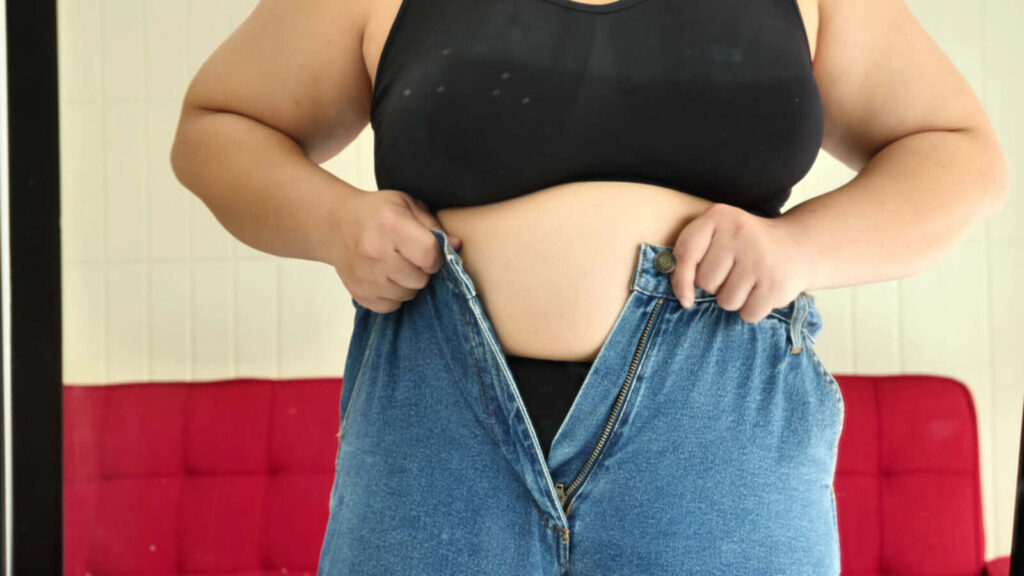
Many women keep at least one pair of jeans with the hope they’ll fit again someday. While the intention is understandable, those jeans often become a reminder of the past instead of a useful part of today’s wardrobe.
That habit is more common than many people realize. A study cited by The Guardian found that 85% of women had clothes in their wardrobes that didn’t fit, showing just how emotionally attached we can become to certain pieces.
A closet should support your current life, not constantly remind you of an old version of yourself or one you look forward to. Clothes that fit today usually get worn far more often than clothes waiting for tomorrow.
Sky-High Heels
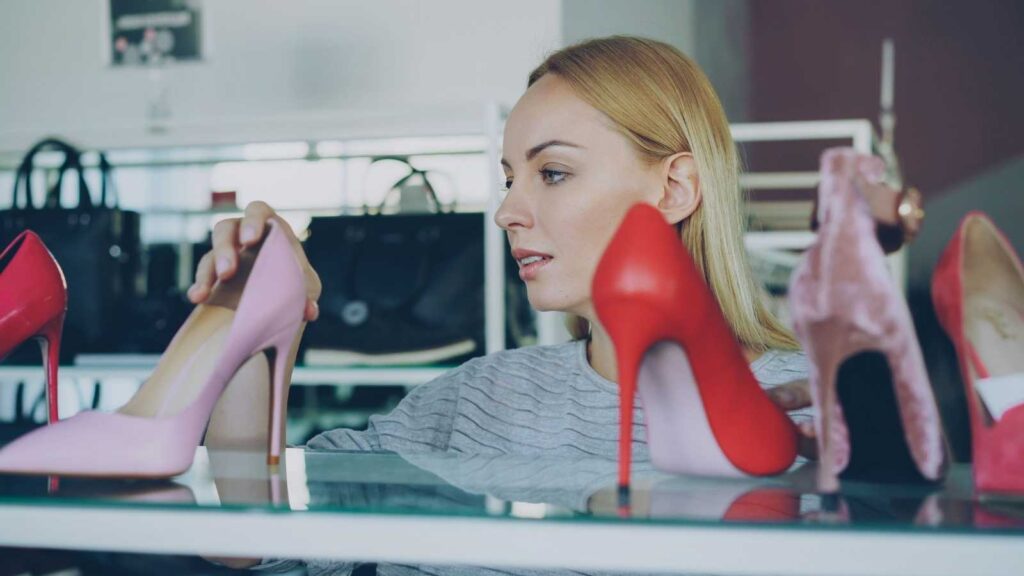
Those stunning heels looked amazing in the store, and maybe you’ve worn them once for a wedding or special event. Since then, they’ve mostly been sitting in their box while comfortable shoes get all the attention.
There’s nothing wrong with owning a couple of statement heels, but keeping several pairs you’ll never comfortably wear again only creates unnecessary clutter in your closet. Fashion should feel just as good as it looks.
If they’re too uncomfortable to survive dinner, they probably don’t deserve permanent closet space in your home. A stylish lower heel often gets far more mileage.
Impulse Trend Pieces