What makes Snowpiercer’s world stand out?
- Train society: Snowpiercer uses passenger cars to represent social classes, with the least privileged people confined to the tail.
- Survival systems: The series explores how agriculture, recycling and resource management sustain life aboard the train.
- TV and film: The 40-episode series expands the world of Bong Joon Ho’s film rather than simply repeating its story.
- Critical reception: The film has a Rotten Tomatoes score of 94%, while the series has a score of 75% after four seasons.
This overview explains how Snowpiercer builds its post-apocalyptic sci-fi world and compares the TV series with Bong Joon Ho’s film.
Snowpiercer’s worldbuilding turns a frozen Earth and a moving train into a setting for stories about survival, class and political power.
Post-apocalyptic sci-fi shows often portray people trying to survive as nature reclaims decaying cities and societies attempt to rebuild after collapse. Snowpiercer uses a different central setting: a train crossing a completely frozen world.
Each passenger car on the Snowpiercer train represents a social class, and the tail is occupied by people with the least privilege. This confined setting makes the train’s layout a visible expression of inequality.
The Snowpiercer TV series expands the world of Bong Joon Ho’s film while drawing on its foundational story elements. Across 40 episodes, the series develops its own setting and survival systems.
How does Snowpiercer build its post-apocalyptic world?
Snowpiercer builds its post-apocalyptic world by showing how social classes, food production and recycling work inside a moving train. The series turns the film’s central allegory into a broader setting for procedural and political drama.
The Snowpiercer train’s resource systems connect social hierarchy with the practical demands of survival.
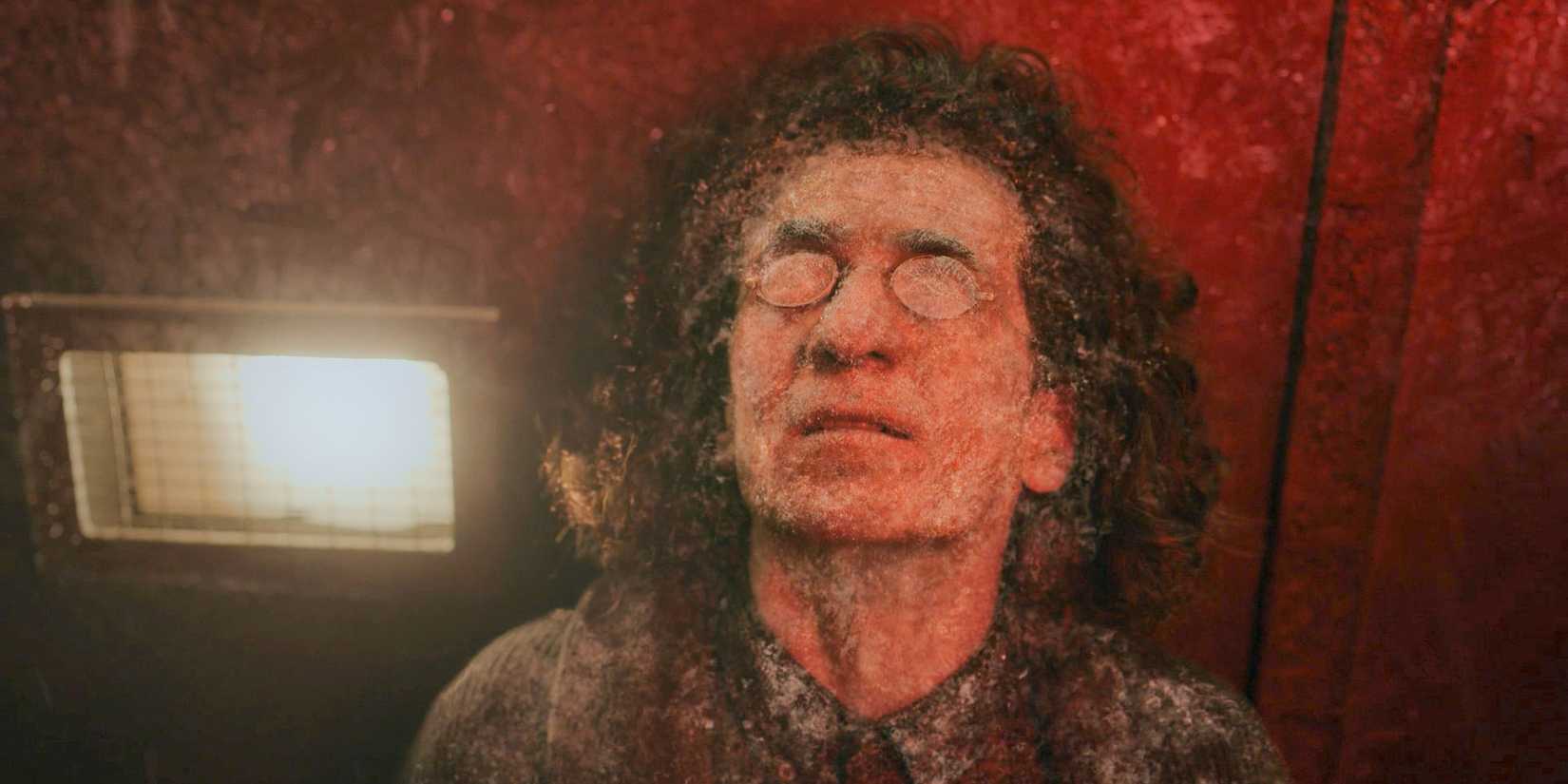 Image via amc+
Bong Joon Ho’s Snowpiercer establishes the different classes and the high stakes of survival in its two-hour runtime. The series moves at a less consistently fast pace, but it has more time to develop the world behind the film’s central idea.
Rather than focusing only on class warfare, the series combines procedural storytelling with political drama. It shows how distinct cultural environments exist in different train cars and examines the logistics of preserving and reusing resources inside the train.
Agriculture cars produce food for the train, so even small losses can lead to famine across classes. Because space is limited and the dead cannot be buried aboard, the bodies are recycled into compost, linking resource use to the series’ depiction of survival.
Bong Joon Ho’s Snowpiercer is also based on Le Transperceneige, a French graphic novel series written by Jacques Lob.
The series treats the train as a deity: passengers across social classes follow a religion that has gradually formed beneath its steel roof. The story also moves beyond the train, exploring whether survival is possible outside it.
How does the Snowpiercer series compare with Bong Joon Ho’s film?
The Snowpiercer film is a fast-paced action story, while the TV series gives more space to the train’s systems and expands the setting. Their Rotten Tomatoes scores are 94% for the film and 75% for the series after four seasons.
The film emphasizes momentum and twists, while the series broadens the story world across 40 episodes.
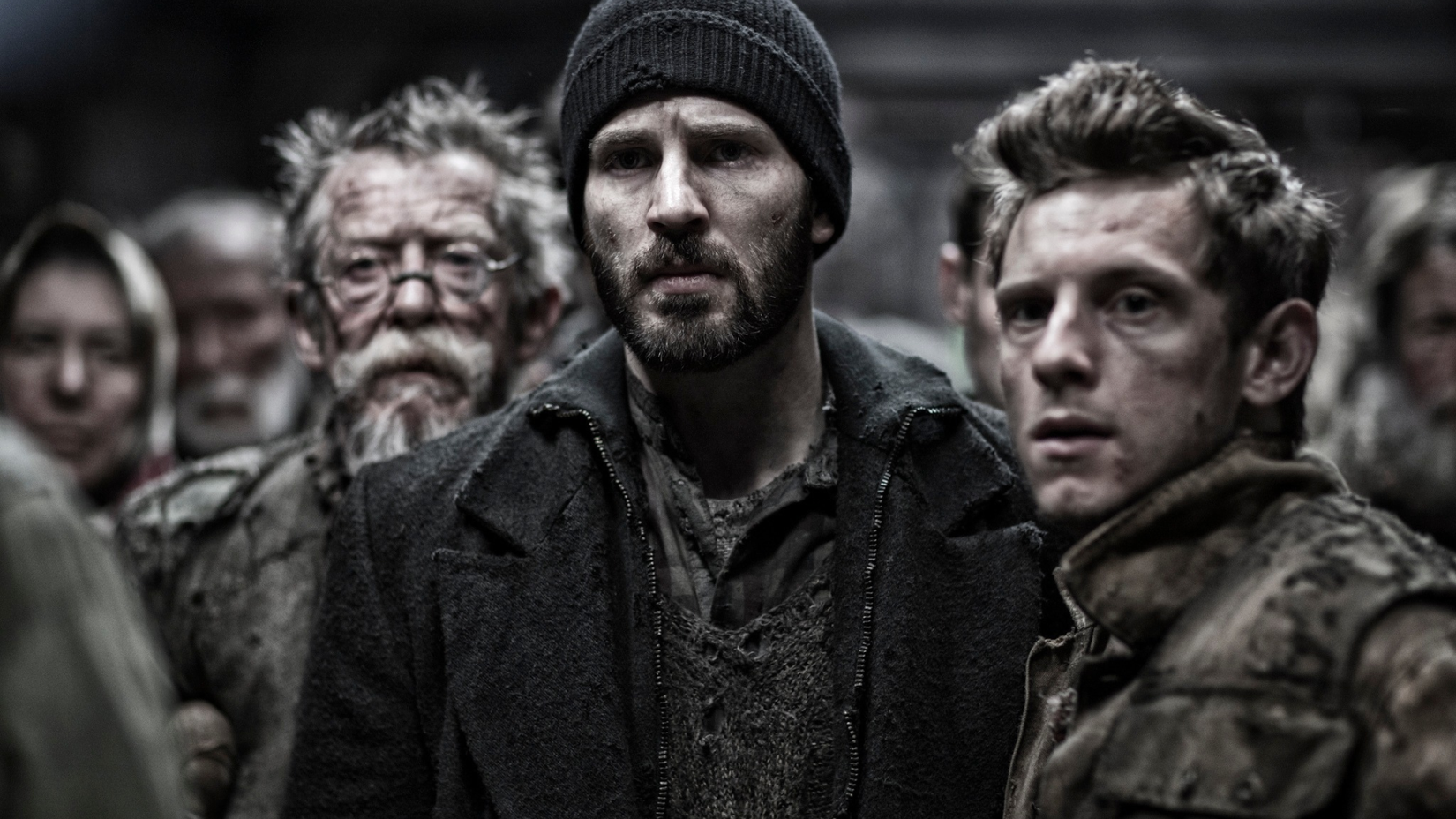
Bong Joon Ho’s Snowpiercer moves at a breakneck pace, with successive action sequences, well-timed twists and notable performances. The film has a Rotten Tomatoes score of 94%, while the series received a more mixed response.
After four seasons, the series has a Rotten Tomatoes score of 75%. Compared with the film, it received less praise for narrative highs and emotional stakes, and the class-divide allegory is not the main driver of many storylines. At times, the series leans toward mystery-box thriller rather than political apocalyptic drama.
The Snowpiercer TV series does not simply imitate the film: it shifts the tone and expands the world. Its 40-episode runtime gives the story room to explore the train’s society and survival systems, making the series an extension of Bong Joon Ho’s film.
What should viewers know about Snowpiercer?
Snowpiercer is a post-apocalyptic story set aboard a train crossing a frozen world. The film and series share a foundational premise but differ in pace and scope.
Snowpiercer combines a frozen setting with a class-divided train society.
- How many episodes does the Snowpiercer series have? The series has a total of 40 episodes.
- How does the train represent social class? Each passenger car represents a class, with the least privileged people in the tail.
- What is the series based on? The series expands the world of Bong Joon Ho’s film, which is based on the graphic novel series Le Transperceneige by Jacques Lob.
- How do the film and series differ? The film is faster-paced and action-focused, while the series develops the train’s world across a longer story.