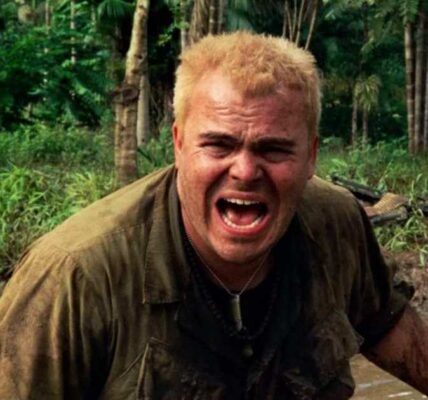


What makes these five movie sequels stand out?
- Sequel storytelling: These five films built on their originals with major changes to story, tone, or character.
- Franchise impact: The Empire Strikes Back and The Wrath of Khan helped establish new benchmarks for their series.
- Genre shifts: Aliens moved from science-fiction horror toward action, while retaining a personal story for Ellen Ripley.
- Character changes: Terminator 2: Judgment Day transformed the T-800 from villain to hero.
Can a sequel outdo a great original? This look at five movie sequels that outdid the original considers how Godzilla Minus Zero is building anticipation with rave reviews and a projected opening weekend more than double that of Godzilla Minus One, then revisits five follow-ups that raised expectations in their own eras. From The Empire Strikes Back to The Dark Knight, each sequel expanded on its predecessor in a distinct way.
How did The Empire Strikes Back set a new standard for sequels?
The Empire Strikes Back raised the stakes for Star Wars by deepening its central relationships, delivering a landmark reveal, and ending on a somber note. The film is often regarded as a benchmark for franchise sequels.
The Empire Strikes Back expanded the original Star Wars story through character development and a dramatic ending.
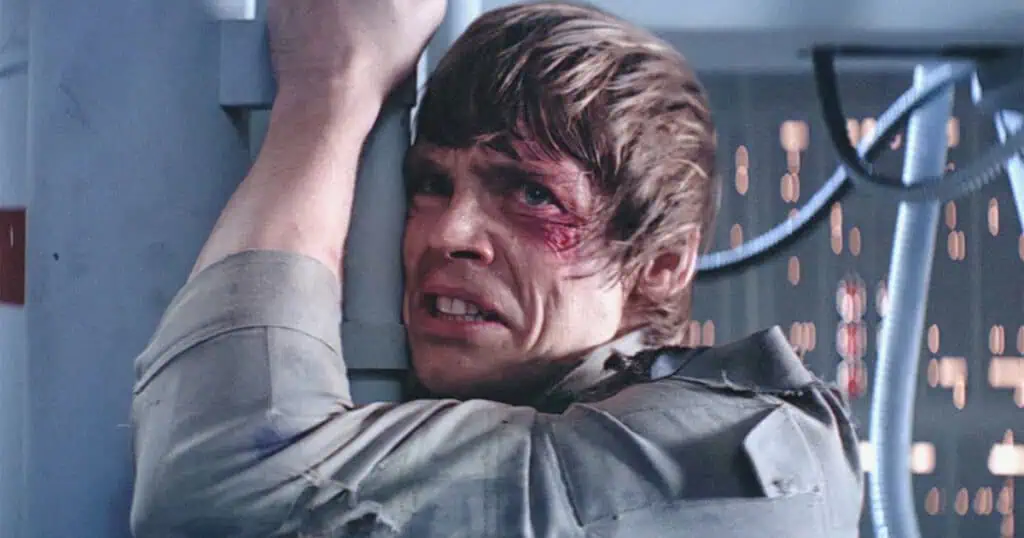
The original Star Wars, later retitled A New Hope, was an industry-changing hit, but confidence in a sequel was far from universal. At the time, follow-ups were often treated as cash-ins, and the 1980 release Smokey and the Bandit II reflected the sequel model that critics often dismissed. For The Empire Strikes Back, creator George Lucas, director Irvin Kershner, and the writing team raised the stakes and focused more closely on the relationship between Han Solo and Princess Leia.
The film’s reveal that Darth Vader is Luke Skywalker’s father and its unresolved, downbeat ending distinguished it from the original. Those choices helped make The Empire Strikes Back a lasting standard for sequel storytelling.
Why did Star Trek II: The Wrath of Khan revive the franchise?
Star Trek II: The Wrath of Khan followed a costly first film with a low-budget production approach and became a hit that revitalized the franchise. The sequel combined Khan, played by Ricardo Montalbán, with a dramatic ending centered on Spock.
The Wrath of Khan revitalized Star Trek through a lower-budget sequel and a consequential story.
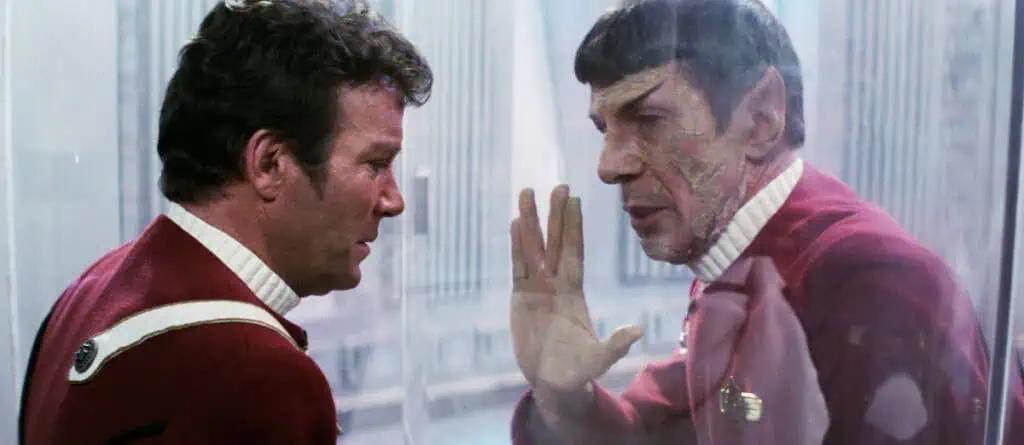
Star Trek: The Motion Picture made money, but its high cost left Paramount with limited profits, and some viewers nicknamed it “The Motionless Picture.” For the follow-up, Paramount’s television division made The Wrath of Khan as a low-budget project that could have been released on television if it had not worked theatrically.
Instead, The Wrath of Khan became a hit and gave the franchise new momentum. Ricardo Montalbán makes a strong impression as Khan, while the ending, in which Spock is temporarily killed, became one of the film’s defining moments.
How did Aliens reinvent the Alien sequel?
Aliens changed the series’ approach by shifting from the original’s science-fiction horror toward action. Director James Cameron also gave Ellen Ripley, played by Sigourney Weaver, a personal storyline that earned Weaver an Academy Award nomination.
Aliens reimagined the Alien sequel as an action film with a character-centered story.

Some viewers doubted the follow-up after Ridley Scott, director of Alien, chose not to return and James Cameron took over. Rather than copying the original, Cameron shifted the series from science-fiction horror to action and built the story around Ellen Ripley.
Sigourney Weaver received an Academy Award nomination for her performance. The comparison between Alien and Aliens remains a matter of preference, but Aliens became a prominent example of a sequel reinventing its series.
What changed in Terminator 2: Judgment Day?
Terminator 2: Judgment Day turned the T-800 from a villain into a hero and expanded the scale of the first film. Its story also made Sarah Connor, played by Linda Hamilton, a central action figure.
Terminator 2: Judgment Day reworked the original’s character dynamics and expanded its action-film scope.

The original The Terminator was a lean, hard-edged independent film. For the sequel, James Cameron received a reported $100 million budget, the biggest at the time, with Arnold Schwarzenegger’s stardom and Cameron’s experience directing Aliens contributing to the project.
The sequel subverted expectations by recasting Arnold Schwarzenegger’s T-800 as a hero rather than a villain. It also established Linda Hamilton’s Sarah Connor as a defining action heroine and grounded the spectacle in emotional storytelling.
How did The Dark Knight exceed expectations?
The Dark Knight followed Batman Begins with an acclaimed story and a widely praised interpretation of the Joker by Heath Ledger. The sequel’s reception overturned doubts about Ledger’s casting.
The Dark Knight built on Batman Begins with a distinctive Joker performance and strong critical acclaim.

The IMAX prologue for The Dark Knight screened before I Am Legend in 2007, ahead of the sequel’s release. Many viewers expected a strong follow-up to Batman Begins, but the casting of Heath Ledger as the Joker prompted doubts because audiences knew him from A Knight’s Tale and Brokeback Mountain.
The prologue introduced Ledger’s interpretation of the Joker, and the completed film was widely hailed as a masterpiece. Chris considers The Dark Knight the greatest superhero movie of all time.
Which of these movie sequels is your favorite, and which other follow-ups would you add? Share your picks in the comments.
The post 5 Movie Sequels That Outdid the Original appeared first on JoBlo.