
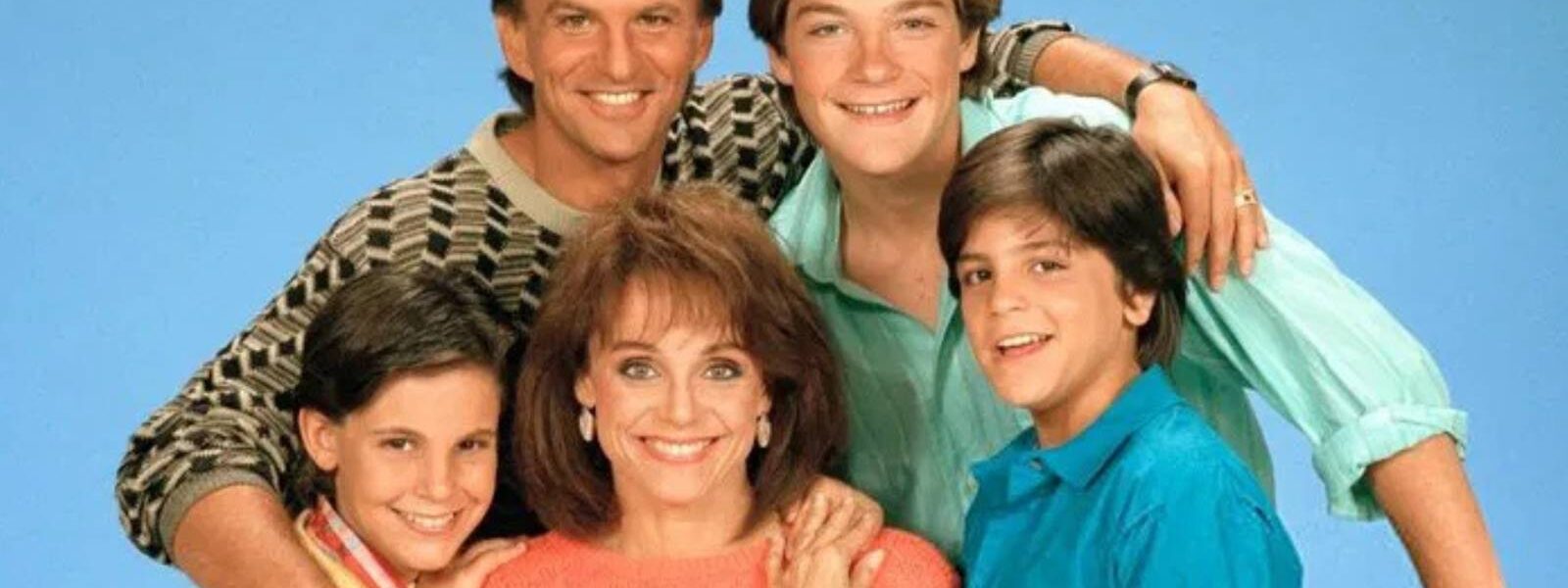
One of the greatest decades for sitcoms was the 1980s. From unconventional family comedies like Who’s the Boss, workplace classics like Cheers, and newfound stories about individuals who tend not to receive the spotlight like The Golden Girls, the ’80s set the blueprint for the type of comedies that audiences crave. Not every show aged well, like Bosom Buddies. But there are some shows that have aged like fine wine, which history seems to have forgotten.
While we fondly remember the hits of the decade, there are a handful of shows that deserve to be remembered for holding up well today. From sitcoms celebrating LGBTQ+ storylines to comedies that inspired a film franchise that we adore, these titles made their mark on the decade. Perhaps we forgot them because they aren’t accessible, or similar shows overshadowed them; this list is our chance to honor them once again.
‘Brothers’ (1984–1989)
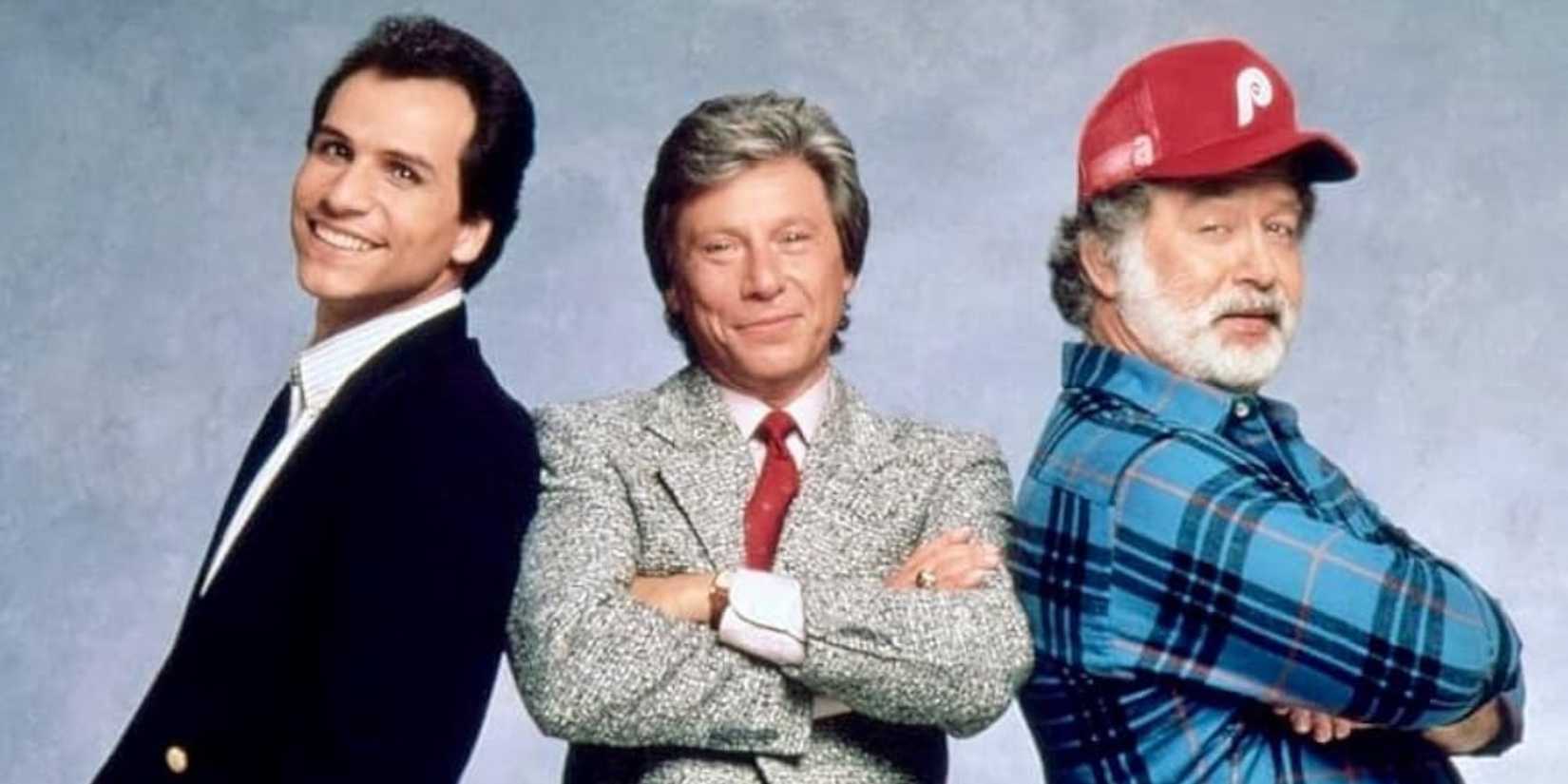 Image via Showtime
The title is timeless in the sense that it’s been used multiple times since the 1984 sitcom, but the show is timeless because the story was well ahead of its time. Created by David Lloyd, the Showtime series Brothers followed three working-class brothers in Philadelphia, dealing with family life. Lou Waters (Brandon Margaret) is a gruff, comically clueless construction foreman. Joe Waters (Robert Walden) is a retired professional football player who runs a bar called The Point After. Cliff Waters (Paul Regina), the youngest brother, leaves his fiancée at the altar in the first episode to come out as gay. With Lloyd at the helm, Brothers was in capable hands for important storytelling. Having experience with The Mary Tyler Moore Show, Taxi, and Cheers, he knew how to craft a family-centric story. It thrived on the relatable, often comedic clash of traditional, working-class Philadelphia mentalities across three perspectives.
Brothers was quite the progressive series as it tackled taboo subjects of the 1980s, namely gay rights, homophobia, and HIV/AIDS. It balanced its comedic sitcom format with meaningful social commentary as Joe and Lou alternately struggled to accept Cliff’s sexuality, attempted to understand his lifestyle, and ultimately supported him. Cliff was not presented as a niche gimmick; he was treated with nuance as a fully realized character beyond mere punchlines. Cliff wasn’t the only gay character; he was joined by out-and-proud new friend Donald Maltby (Phillip Charles MacKenzie), a successful writer/magazine editor whom Cliff sought out for advice and support in the time leading up to his coming out. An ’80s show with multiple queer characters? Groundbreaking! And yes, they would venture to a gay bar, The Velvet Spike, throughout its run.
Brothers was a trailblazer, putting social issues at the forefront. It was the first original series produced entirely for premium cable. Seeing how premium cable has dominated the airwaves and helped usher in the streamer era, Brothers was ahead of the curve in that respect as well. At the end of the day, the show’s five seasons thrived because of its unprecedented, honest, and often hilarious examination of narratives that network television avoided. With its uncensored freedom to play, Brothers was a sitcom blueprint that no longer receives the praise it deserves due to limited accessibility.
‘Domestic Life’ (1984)
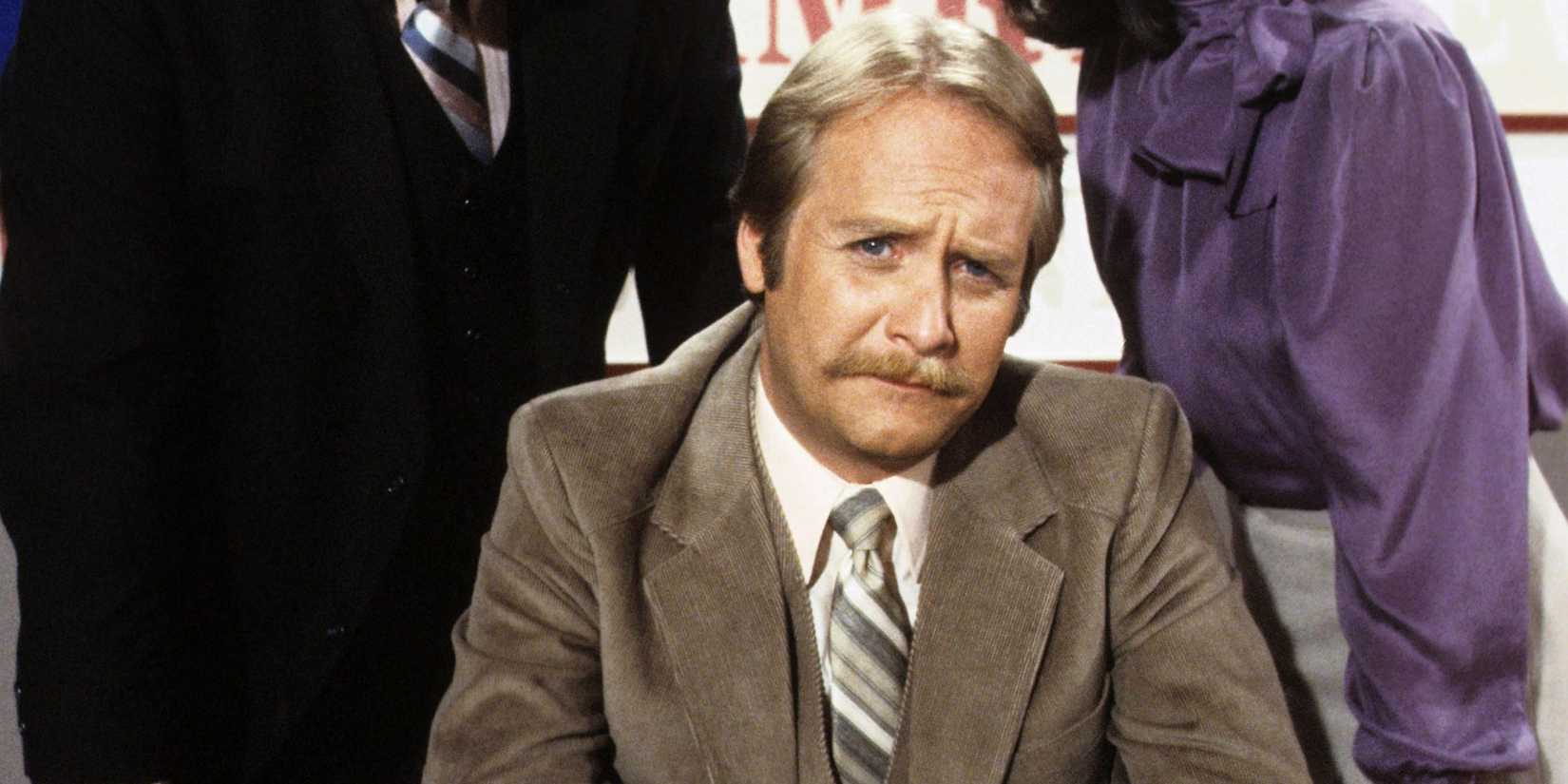 Image via Universal Television/Courtesy Everett Collection
Not every sitcom is going to have a long-lasting, prosperous life. But sometimes, with every flop, it is an invaluable lesson that you can take with you to your next project. So, in that respect, a single-season run of Domestic Life helped co-creator Steve Martin learn to develop a multi-season legacy with Only Murders in the Building. Co-created by Martin, Martin Mull, Howard Gerwirtz, and Ian Praiser, the CBS series followed Martin Crane (Mull), a Seattle television commentator whose professional life offering advice on a TV segment often clashed with the hilarious chaos of his own family at home. Domestic Life centers on Martin as he navigates the ups and downs alongside his wife, Candy (Judith-Marie Bergan), teenage daughter, Didi (Megan Follows), and young son, Harold (Christian Brackett-Zika). If the name, career, and plot feel oddly similar to Frasier, well, call it deliberate, as one of the show’s writers, David Angell, co-created the hit NBC series.
The comedy stemmed from Martin’s smooth, confident on-air persona and his struggles as a real-life dad and husband. In turn, it gently poked fun at the traditional family tropes of the time. The parents were imperfect, and the children were brilliantly subverted, including a deadpan-delivering son working a small business out of his bedroom as he perused The Wall Street Journal. With a TV commentator at the helm, it proved to be a unique meta-humor that spoke directly to the camera, opening the door to the conceit of future sitcoms. The style brought a highly dry, self-aware brand of observational humor to a format that usually relied on cheesy punchlines. Perhaps ahead of its time, Domestic Life earned cult classic status for its gentle approach to parody , Mull as lead , and its role as prototype for live-actionThe Simpsons -esque antics . It wasn’t an anti-sitcom , but it was unlike anything else.
‘Jennifer Slept Here’ (1983–1984)
}
else {
echo “No results found.”;
}
?>
// Add more code here if needed
// …
// …
// …
// …
// …
// …
// …
// …
// …
// …
// …
// …
// …
// …
// …
// …
// …
// …
// …
// …
// …
// …