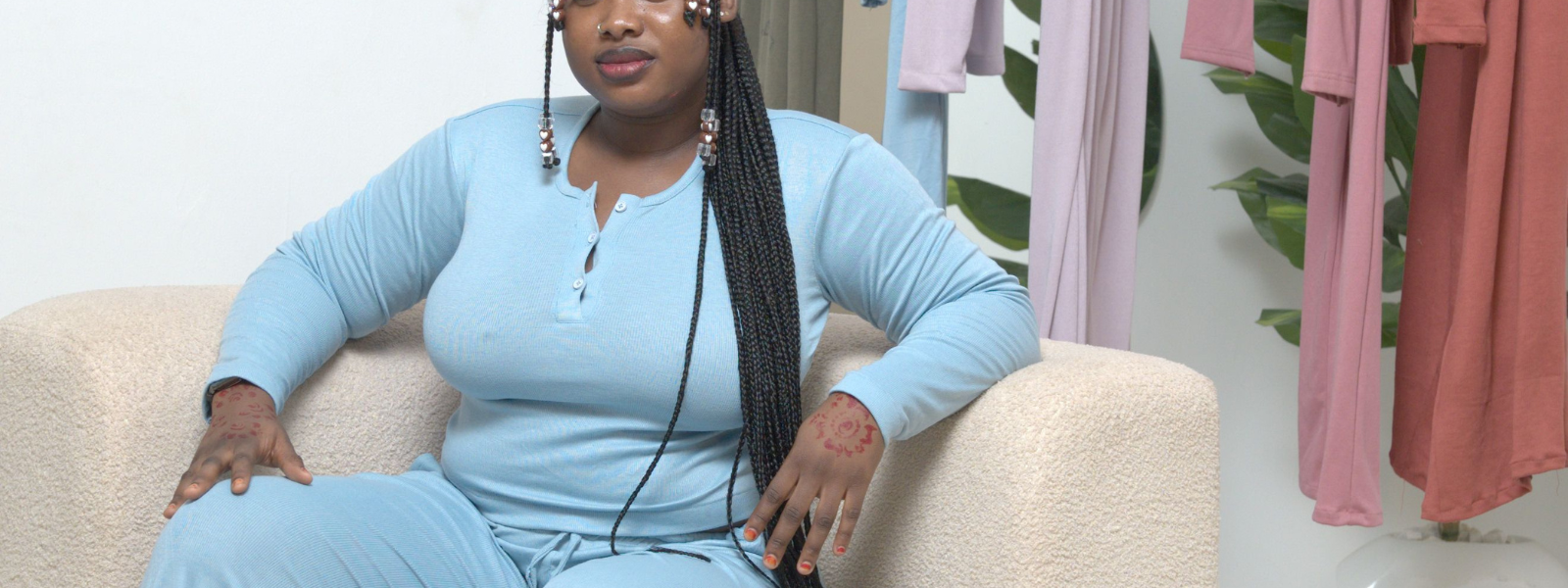
Luxury style no longer belongs exclusively to designer boutiques or four-figure price tags. American shoppers have become increasingly intentional about how they spend, choosing fewer, better-quality pieces that deliver versatility, durability, and timeless appeal.
McKinsey & Company’s State of Fashion reports that the affordable luxury segment has consistently outperformed much of the broader fashion market as consumers seek premium quality without premium prices.
At the same time, the global plus-size clothing market reached an estimated $311.4 billion in 2023 and is projected to exceed $412 billion by 2030, with North America representing the largest regional market. Despite that impressive growth, finding polished plus-size clothing still requires strategy.
Many retailers have expanded their size ranges, yet shoppers continue to encounter inconsistent sizing, limited inventory, and garments that prioritize trends over construction. Those challenges make smart shopping even more valuable.
Luxury is no longer defined solely by a designer label; it also comes from exceptional fit, premium fabrics, thoughtful tailoring, and clothing that maintains its appearance after repeated wear. A carefully chosen wardrobe can simplify everyday dressing, reduce unnecessary purchases, and create a polished look that lasts for years.
Prioritize Fabric Before the Label
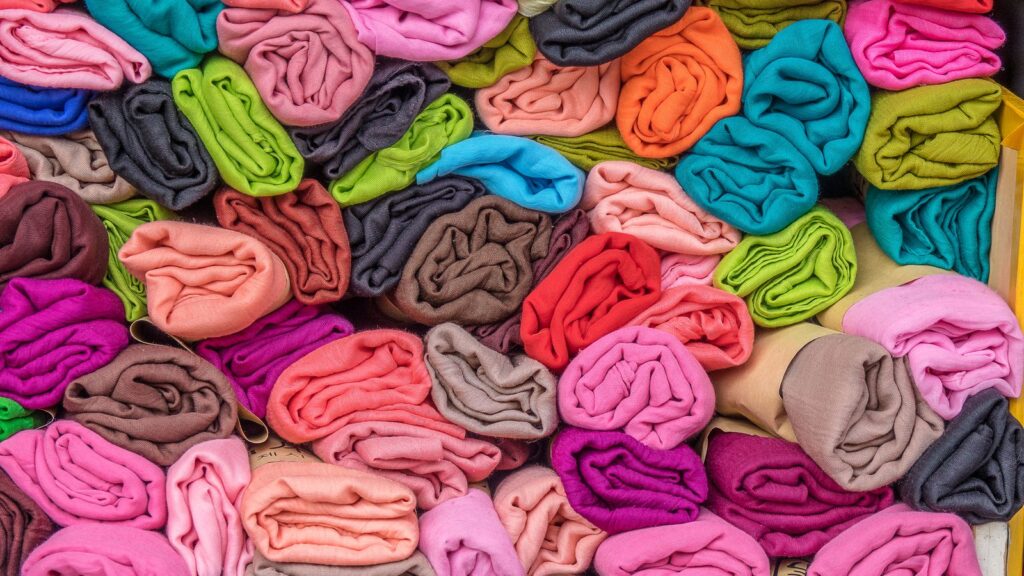
Many shoppers instinctively check the brand name first, but experienced buyers begin with the fabric composition. Material determines how clothing drapes, breathes, stretches, and ages over time. Natural fibers such as cotton, linen, wool, silk, and high-quality blends generally maintain their appearance longer than thin synthetic fabrics that pill or lose their shape after repeated washing.
A simple blazer made from a substantial cotton blend often appears more luxurious than a heavily branded garment produced with inexpensive materials. Reading garment labels also reveals details that photographs cannot communicate.
Dense knits, textured weaves, quality lining, reinforced seams, and smooth finishes contribute to an expensive appearance without dramatically increasing cost. Investing in better fabrics also lowers cost per wear because quality garments typically survive hundreds of wears while retaining their structure and color.
Learn the Difference Between Price and Value
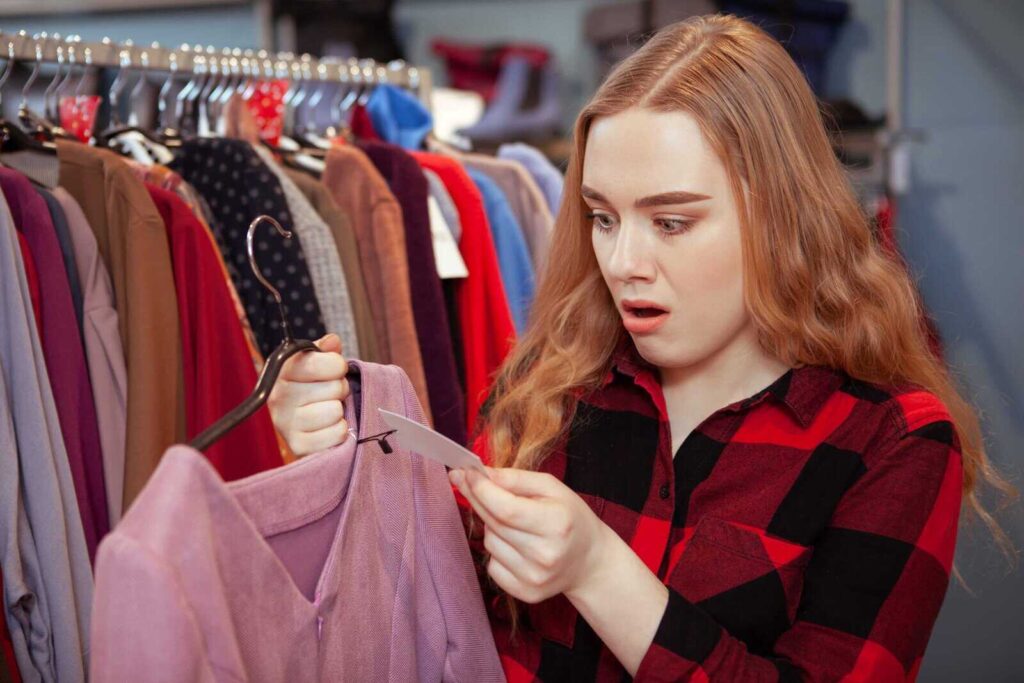
Expensive clothing does not automatically deliver luxury. Value comes from longevity, versatility, craftsmanship, and frequency of use rather than the number printed on a price tag. Spending $150 on a beautifully tailored coat worn several times each week often represents a better investment than purchasing three trendy jackets that lose their shape after one season.
McKinsey notes that consumers increasingly gravitate toward affordable luxury because they expect higher quality while remaining conscious of household budgets. Building a wardrobe around timeless essentials stretches every dollar further.
Neutral trousers, structured dresses, premium denim, elegant knitwear, and classic outerwear pair effortlessly across multiple outfits, reducing impulse purchases while increasing outfit possibilities.
Shop End-of-Season Sales Instead of Chasing Trends
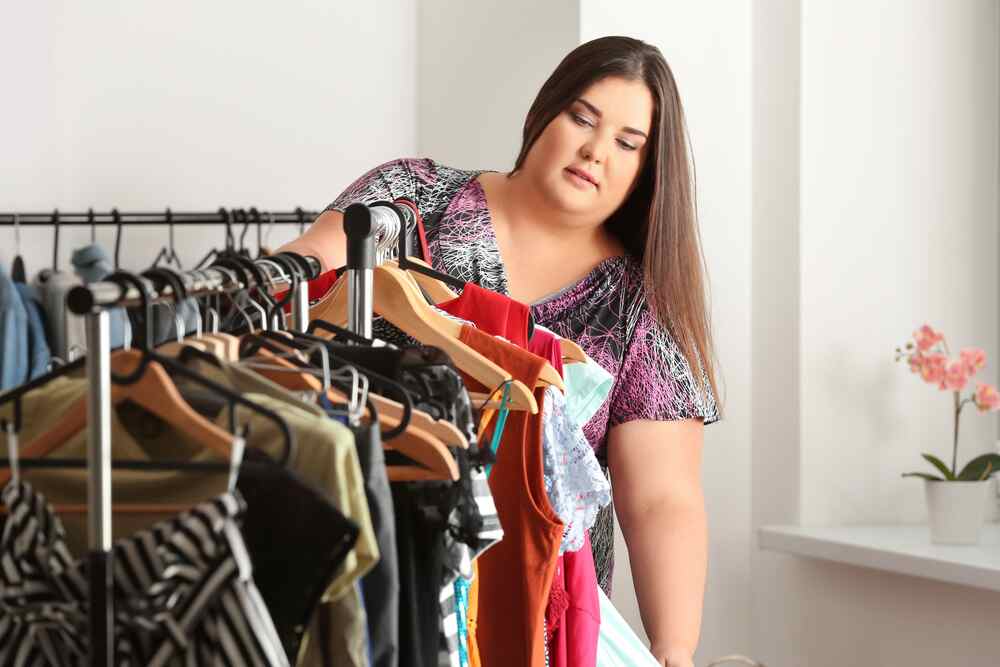
Luxury shoppers rarely pay full price for every purchase. Retail calendars follow predictable markdown cycles that reward patience. Winter coats often receive substantial discounts in late February and March while summer dresses, linen separates, and sandals typically become more affordable toward the end of August.
Buying one season ahead allows shoppers to secure higher-quality garments at significantly lower prices. Retailers frequently clear inventory to make room for new collections creating opportunities to purchase premium clothing for a fraction of its original cost.
This approach also shifts attention away from short-lived trends and toward timeless wardrobe staples that remain stylish year after year. Planning purchases around seasonal sales encourages thoughtful spending rather than impulse shopping.
Focus on Tailoring Instead of Size Numbers
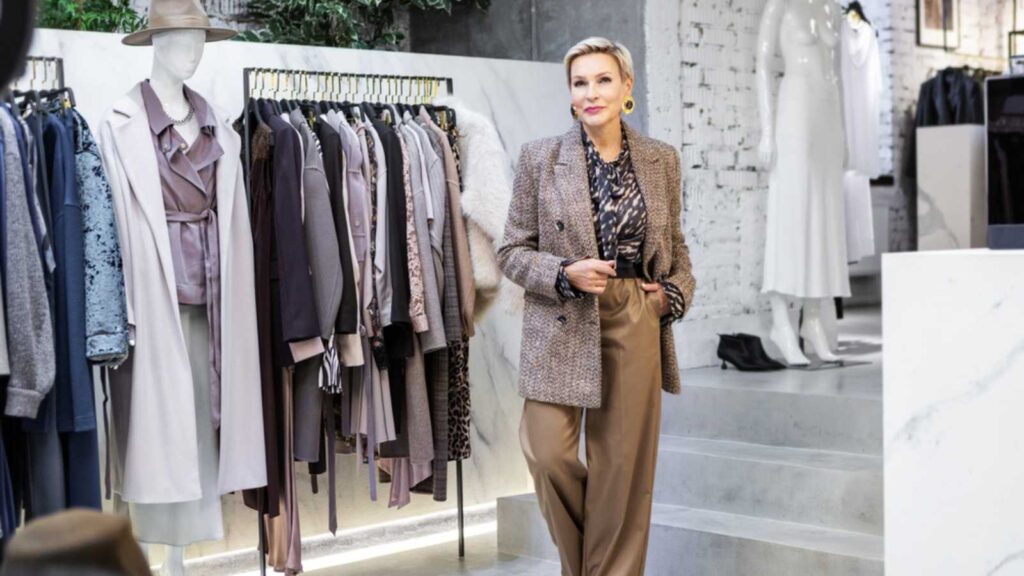
A garment’s size label tells only part of the story. Clothing manufacturers use different grading systems meaning the same shopper may wear multiple sizes across different retailers. Focusing on fit rather than the number on the label leads to better purchasing decisions and a more refined appearance.
Well-fitting clothing follows the body’s natural proportions without pulling across the bust hips or shoulders or hanging excessively loose. Simple alterations including shortening sleeves adjusting hems or refining a waistline can dramatically improve how affordable clothing looks.
Research on online apparel shopping also shows that poor fit remains one of the leading reasons consumers return clothing highlighting the importance of selecting garments that complement body shape rather than relying exclusively on size labels.
Explore Premium Resale and Consignment Markets

The resale market has become one of the smartest places to find affordable luxury especially for plus-size shoppers looking for high-quality pieces that are no longer widely available. According to the 2025 Resale Report by ThredUp the U.S secondhand apparel market continues to grow faster than the broader retail clothing market as consumers seek better value and more sustainable shopping options.
Luxury garments that originally retailed for several hundred dollars often become available for a fraction of their original price while remaining in excellent condition. Shopping resale also opens the door to discontinued collections that featured superior tailoring or fabrics.
Before purchasing review measurements instead of relying solely on the size tag inspect photos closely for signs of wear and read product descriptions carefully. A well-maintained wool coat or leather handbag purchased secondhand can deliver years of use while costing significantly less than buying new.
Learn to Recognize Quality Construction