Key Takeaways
- Innovations in Australia: Australia has made significant contributions to technology, including Wi-Fi and the electronic pacemaker.
- Social Media Ban: In December 2025, Australia became the first country to prohibit social media access for children under 16.
- AI Copyright Protections: Prime Minister Anthony Albanese announced new copyright protections for artists in the age of AI.
- Local Music Initiatives: Spotify’s Turn Up Aus Live events aim to promote Australian artists and enhance local music visibility.
Australia, despite its reputation as a nation obsessed with rough-and-tumble sports, has produced its share of inventions and leading-edge initiatives in the digital age.
Wi-fi technology, the electronic pacemaker, and the black box flight recorder were all developed in the Great Southern Land. Boxed wine — colloquially known in these parts as “goon” — is one of ours, too. In December 2025, Australia became the world’s first country to ban social media for children, implementing groundbreaking laws that block under-16 from such platforms as TikTok, Instagram, Facebook, and YouTube. Other countries have followed suit.
Related

And just last month, Australia’s prime minister Anthony Albanese committed to strict copyright protections in the AI age, and gave the strongest of assurances that tech companies would not have the right to copyright-protected content, including music, to train AI “without the artist’s control.”
With that announcement, the PM also unveiled a new Office of AI, which would design the new Australian standards — essentially a functioning licensing framework built on consent and payment.
Those high-level pledges weren’t lost on Sam Duboff, Spotify’s global head of artists, marketing & policy, the executive who leads the streaming giant’s work on artist policy, streaming transparency and responsible AI, making him one of the business’ most senior voices on the intersection of music, technology and public policy.

Courtesy Photo
Duboff recently visited Australia to talk with artists and partners in the domestic industry about its own AI protections and initiatives.
Albanese’s comments feel to be “very aligned with our approach,” he tells Billboard. “From what I’ve seen,” Duboff notes, “it feels like the (Australian) government positions are really similar to our approach, which is respect for copyright, and making sure this AI age is helping existing IP holders.”
One of the messages carried during those meetings down under were on Spotify’s AI music products that “we’ve announced and are planning to build with the industry,” Duboff explains. “The history of Spotify is all about respect for copyright. Spotify was born 20 years ago out of the plate of piracy and we were able to build a license experience that was, you know, making fans want to pay for music. We see a similar opportunity today where a lot of emerging AI tech platforms are, their focus on music products are competing with artists or trying to replace artists.”
Duboff continues, “we think we could build products that respect copyright in partnership with the industry that power existing artist careers.”
As Spotify works to increase transparency around AI usage in songs and on artist profiles, it recently announced partnerships with Universal Music Group (UMG) and Merlin to allow for AI remixing of songs effectively allowing users to create AI remixes and covers of songs by participating artists signed to labels under the UMG and Merlin umbrellas. Remixing capabilities will be made available as a paid add-on for premium subscribers.
Earlier this week, the tech business announced the creation of a new label that will be applied to AI-generated artists and begin rolling out in mid-september. Music from artists bearing the label called “AI Persona” will not be included in personalized recommendations on the platform.
Duboff points to Spotify’s four core “artist-first” AI principles coming soon off the back of an announcement that it was strengthening its policies on negative use cases of AI-generated music.
“We’re trying to bet big on human artistry. Our belief is in the AI era; the platform that’s gonna win is the one where listeners can trust what they’re listening to the most. And so in the same breath that we’re fighting spam and (AI) slop we’re building these new tools that let artists get verified for being authentic upload video share their song DNA and everything else.”
Based in New York Duboff also leads the teams responsible for many of the music streaming leader’s biggest initiatives for artists including Spotify for Artists Loud & Clear Wrapped for Artists Countdown Pages Clips Campaign Kit and Spotify Charts.
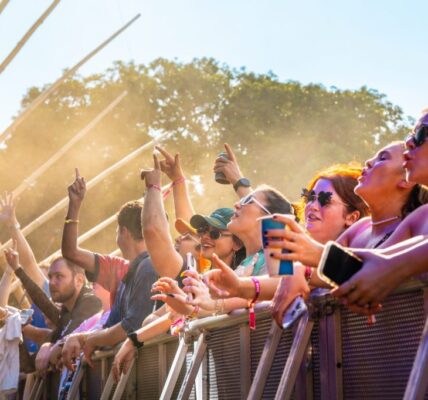
One Australia-specific initiative that caught his eye was Spotify’s Turn Up Aus Live event series presented in central Sydney. A throwback to the classic pub gig these fan-first events are meant to celebrate Aussie artists — and “share that local flair” — at a time when so many are struggling to be seen and heard above the 100-million-plus songs available online at the touch of a screen.
During the southern winter Hooligan Hefs and Genesis Owusu have performed under the Turn Up Aus Live banner at The Bat & Ball in Redfern. “The success of that is something we’d like to look at for different countries,” he explains. “Turn Up Aus is one of one.”
The live campaign is a phase of a so-called “local pride” stamp that began twelve months ago explains Spotify’s Australian and New Zealand head of music Ben Watts. During that time the streamer has worked with five hundred local artists produced more than one thousand billboards locally and abroad including Times Square and counted two thousand fans engaging in live events and activations.
In recent years Australian recording artists have been overpowered by North American and European artists in ARIA’s year-end charts and triple j’s Hottest 100 poll a situation that domestic industry and its partners have been trying to rectify. It won’t be an easy fix.
As previously reported by Spotify the Turn Up Aus program is making a difference by generating 223 million more streams of domestic music in Australia for twenty twenty-four twenty twenty-five. “We’re really happy with that in real numbers,” Watts tells Billboard, “and we see this as only the beginning. It’s not just about streams; it is really about helping the artist build that fandom and that will be ongoing.”