Andor is frequently described as “Star Wars without lightsabers,” but Disney and Lucasfilm have created a new show that is essentially Andor with lightsabers. The phrase “Star Wars without lightsabers” accurately describes Andor, as there are no Jedi, Sith, or lightsabers in either season, but it’s also often used to illustrate some of the best aspects of the show.
Lightsabers and other elements associated with them, like the Jedi, Sith, and the Force, represent the most fantastical aspects of Star Wars as a franchise. Andor is much more grounded, gritty, and realistic than the rest of Star Wars. It’s closer to hard science fiction than the blend of sci-fi and fantasy that the Star Wars movies embody. Thus, saying that it’s “Star Wars without lightsabers” highlights how different Andor feels and its more mature tone.
A significant reason Andor is often regarded as the best Star Wars show ever made is because it lacks the more outlandish and “childish” fantasy elements found in other Star Wars shows. However, this is not the main reason for Andor‘s critical success; Maul – Shadow Lord has demonstrated that Star Wars can be mature and gritty while also incorporating the franchise’s long history of fantasy elements.
Maul – Shadow Lord Combines Lightsabers & The Force With Andor’s Serious & Mature Tone
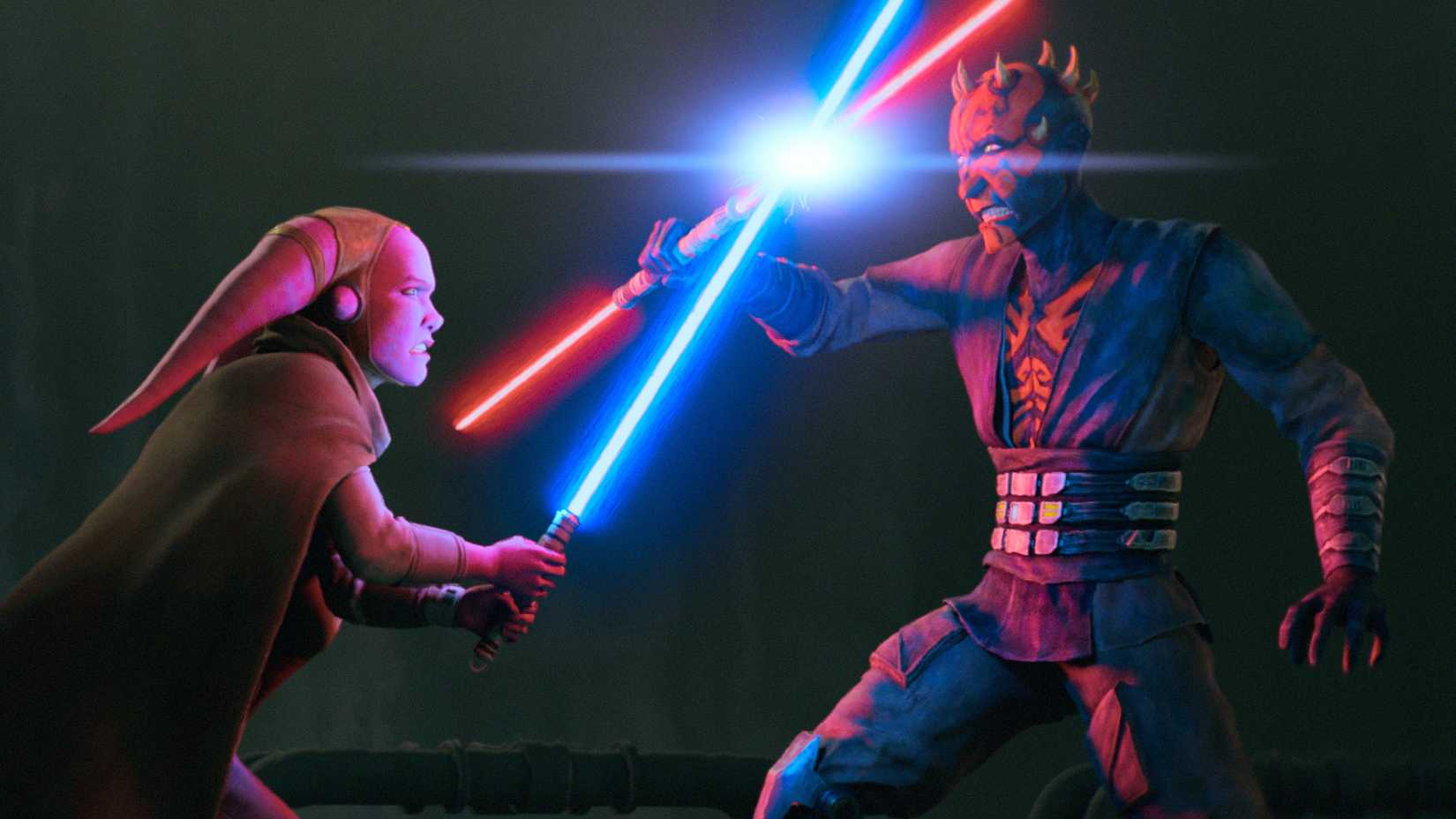
The best aspect of Maul – Shadow Lord is that it bridges the gap between Andor‘s gritty, dark, and mature take on rebellion, politics, and fascism and the fantasy elements of the Force, lightsabers, and the Jedi and Sith. While these are fantastical elements that couldn’t exist in reality, Maul – Shadow Lord proved that fantasy doesn’t have to be synonymous with childishness or immaturity.
Maul – Shadow Lord shares much of the narrative and emotional depth that Andor possesses but applies it to the fantasy elements of Star Wars. Where Andor delved deeply into the politics and ethics of a galaxy far, far away, Maul – Shadow Lord explores the philosophy of power that drives both the Jedi and the Sith. It questions whether a powerful force like the Force should be used to overthrow the Empire or whether succumbing to such power isn’t worth it.
Both shows also earnestly examine the personal costs of battles between good and evil. Andor illustrated how Luthen Rael “burned his life” for the rebellion, how it cost Cassian, Brasso, and countless others their lives, how fascism destroyed individuals like Dedra Meero, and how fighting it devastated people like Kleya. Meanwhile, Maul – Shadow Lord depicted how Devon Izara’s desire to combat the Empire exposed her to Maul’s corruption and how Maul himself was consumed by hatred and revenge.
Despite featuring lightsabers and the Force, there is nothing childish about Maul – Shadow Lord. Although it may not explore intricate issues such as fascism or grim topics like sexual abuse or political infighting, it still addresses the fantastical side of Star Wars through an adult lens. It is filled with philosophical dilemmas, mature themes like grief, hatred, and revenge, presenting them as expertly as Andor.
Maul – Shadow Lord Is Proof That Star Wars Has More To Offer After Andor
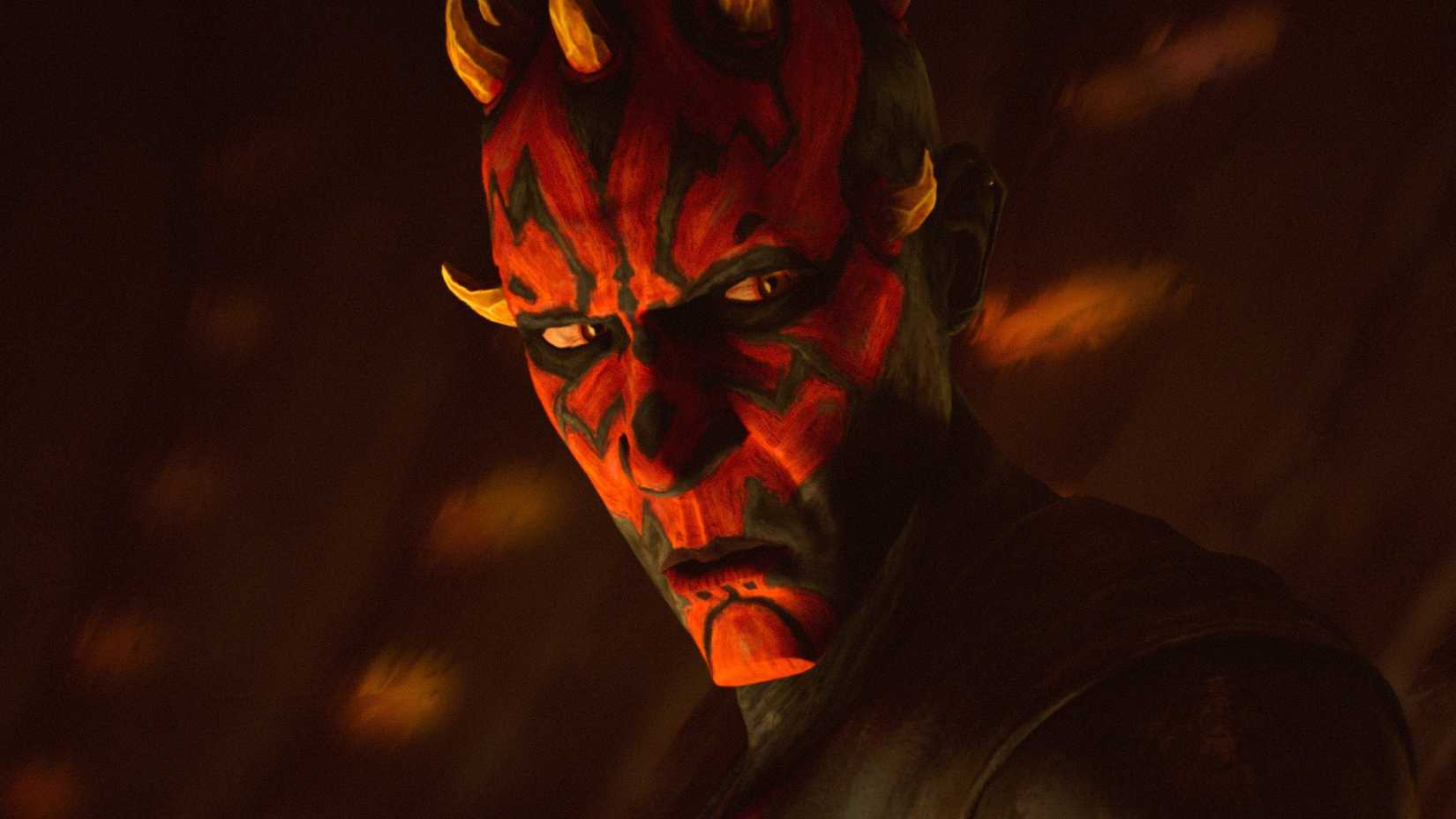
An additional fantastic aspect of Maul – Shadow Lord is its contribution to the overall narrative of Star Wars. After season 2 of Andor, many fans believed that Star Wars had reached its peak. It seemed almost impossible to envision another story within the franchise that was as complicated, mature, nuanced, and utterly engaging as Andor. It felt like Disney and Lucasfilm had captured lightning in a bottle that would never be replicated again.
Maul – Shadow Lord, however, proves that there is still more to offer after Andor. This franchise can still produce gritty and mature stories effectively. The itch that Andor‘s narrative scratched can still be addressed by other shows and films. There remains a place for more family-friendly narratives like The Mandalorian & Grogu, but there is also room for harrowing stories aimed exclusively at adults.
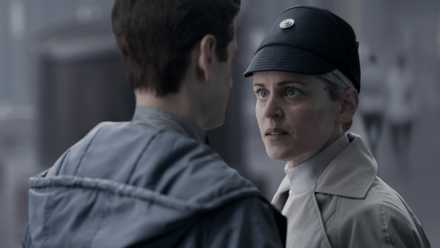
Star Wars’ New Show Is ‘Andor Meets Rebels’
Maul – Shadow Lord combines Andor’s complex analysis with Rebels’ exploration of the Force to create a fascinating show.
Certainly, in some ways, Maul – Shadow Lord, may have been even better for Star Wars than Andor. Everyone recognized that a show like Andor, in theory, could succeed. The framework of the Galactic Civil War—an exemplary representation of fascism embedded within the Empire—seemed fertile ground for a gritty narrative about politics and rebellion. However, far fewer believed that such a mature approach could work with magical elements like the Force, yet Maul – Shadow Lord‘s success proved otherwise.
The mature side of <i>Star Wars</i>, thanks to Maul – Shadow Lord, no longer needs to be confined solely to regular characters like Cassian Andor. Now even a character like Maul—a horned red-and-black alien capable of telekinetically crushing objects—can be portrayed as a profoundly tragic and endlessly complex figure. Thanks toMaul – Shadow Lord ,<i> Star Wars </i>doesn’t have to focus exclusively on realism while avoiding fundamental aspects of its narrative to tell adult stories.