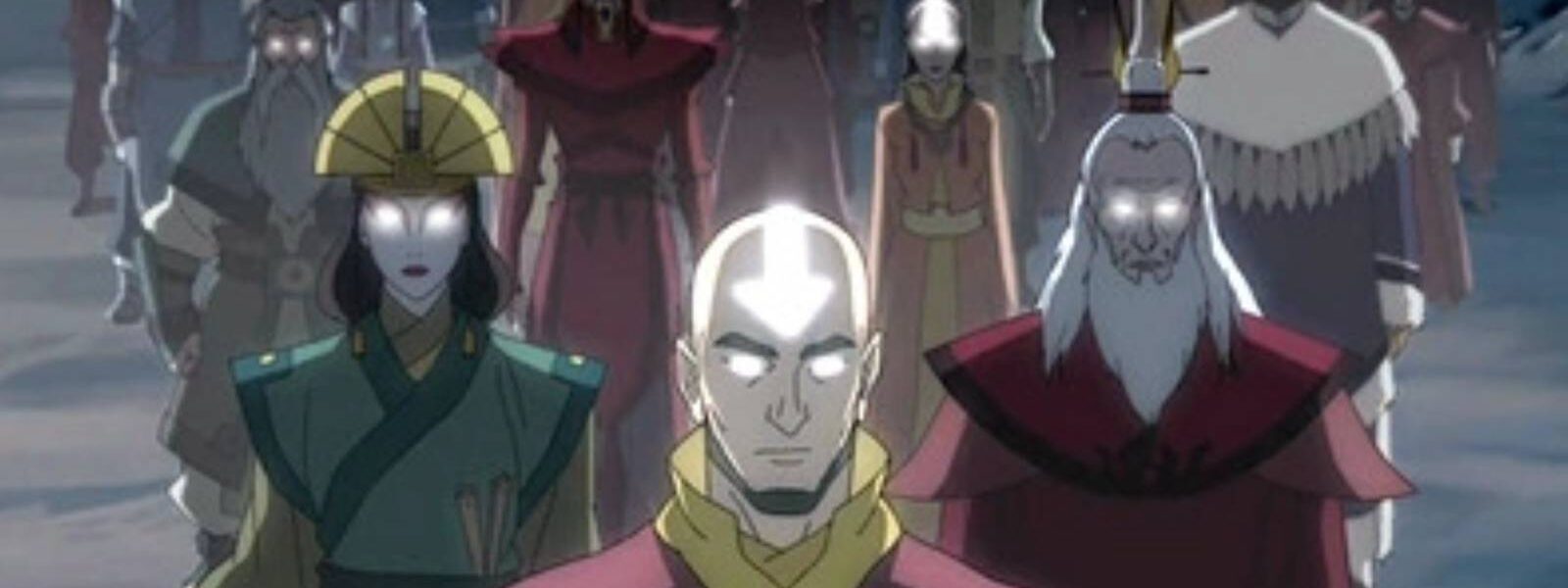
When Avatar Yangchen (Tress MacNeille) appears before Aang (Zach Tyler Eisen) in Avatar: The Last Airbender, she gives him perhaps the harshest piece of advice any of his past lives have ever offered. While Aang desperately searches for a way to defeat Fire Lord Ozai (Mark Hamill) without compromising his Air Nomad beliefs, Yangchen tells him that “selfless duty calls you to sacrifice your own spiritual needs and do whatever it takes to protect the world.” It’s one of the defining moments of the original series, but for years, it also raised an obvious question: What kind of Avatar becomes willing to say something like that?
F.C. Yee’s The Dawn of Yangchen and its sequel, The Legacy of Yangchen, finally provide the answer. In addition, this is by far the best Avatar storyline since The Last Airbender. Yee goes off and creates a completely new Avatar story, this time using the Four Nations as a setting for an extraordinary political thriller that shows that intelligence can be as great an influence in bending as physical ability.
The Dawn of Yangchen Takes the Avatar Franchise Somewhere New
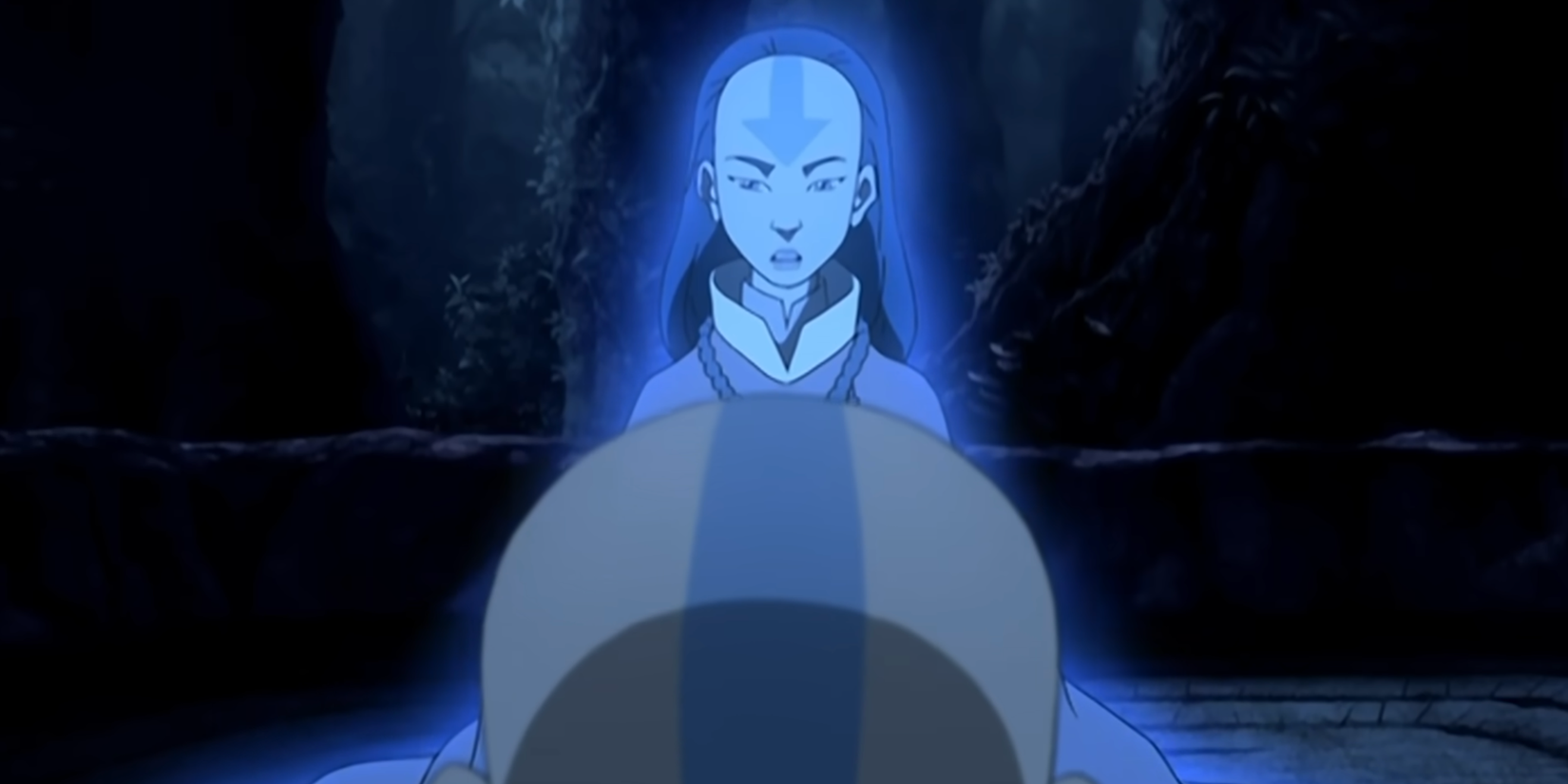 Image via Nickelodeon
A tremendous aspect of Avatar: The Last Airbender is world-building. It was possible to see many other stories beyond Aang’s journey, as we could picture the Four Nations within this universe through the way Yee has portrayed them together in this story. The novels include examples of Yangchen’s Avatar journey early in her career, before she is recognized by future generations as a leading historical figure.
In this story, rather than encountering one overall tyrant trying to conquer the land, Yangchen faces many different groups based upon many different factors, such as numerous powerful families running businesses, political agreements about the world created during this time, multiple espionage networks attempting to make money, and other governments that have differing interests. Peace isn’t maintained by winning a decisive battle; it’s negotiated, manipulated, and constantly in danger of falling apart.
That shift fundamentally changes what an Avatar story can look like. Yee leans into diplomacy, intelligence gathering, undercover operations, and impossible negotiations without ever losing sight of the fantasy elements that define the franchise. The result feels like a sweeping geopolitical drama that simply happens to feature elemental bending. It’s a risk that pays off because the Four Nations suddenly feel much larger than they ever did on television.
Yangchen Becomes One of the Franchise’s Most Fascinating Heroes
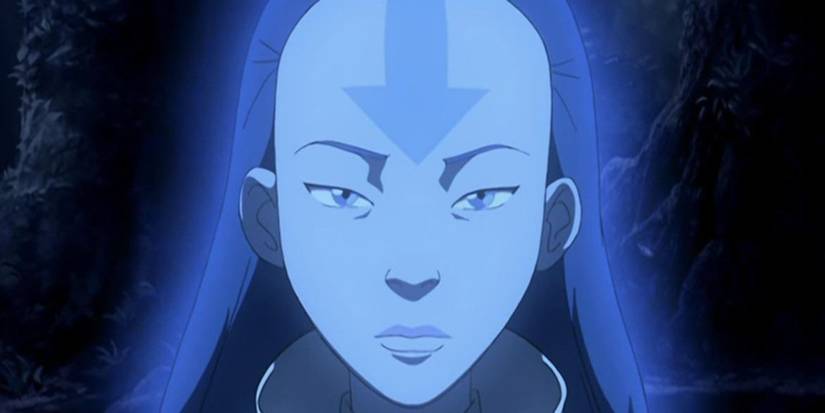 Image via Nickelodeon Animation Studio
Yee’s greatest accomplishment is transforming Yangchen from a beloved piece of lore into one of Avatar’s richest protagonists. Yangchen already understands the weight of being the Avatar. Her challenge isn’t discovering who she’s supposed to become — it’s deciding how much of herself she’s willing to sacrifice in order to fulfill that responsibility.
Raised by the Air Nomads, she still believes deeply in compassion, mercy, and the preservation of life. Yet every crisis pushes her further toward deception, espionage, political manipulation, and compromises that would make most Air Nomads deeply uncomfortable. Rather than presenting those choices as triumphant victories, Yee constantly asks whether maintaining peace is worth the personal cost.
The novels also introduce one of the franchise’s most compelling ideas: Yangchen’s connection to her past lives is so powerful that their memories bleed into her own. Previous Avatars are an ever-present burden that leaves her struggling to separate her own identity from generations of inherited trauma, failures, and impossible expectations. It recontextualizes everything fans already knew about Yangchen. The serene, wise Avatar who counseled Aang wasn’t born with perfect clarity. She earned it through impossible decisions that slowly reshaped the person she wanted to be. By the time she tells Aang to put the world before himself, readers understand exactly why she believes it.
These Novels Deserve the Same Treatment as Avatar’s Best Stories
 Image via Nickelodeon Animation Studio
The Yangchen novels are also remarkably easy to picture as an animated series. Yee writes action sequences with the same kinetic energy that made the original show unforgettable, but it’s the quieter moments that truly stand out. Political negotiations become as tense as bending duels, conversations double as battles of strategy, every alliance feels temporary, and every victory creates another difficult choice waiting around the corner.
Visually, the material practically storyboards itself: Air Nomad temples, bustling trade cities, hidden compounds, Spirit World encounters, explosive bending techniques, and globe-spanning conspiracies all unfold with the cinematic scope fans expect from Avatar. Even the novels’ structure resembles that of prestige television, with each revelation naturally leading into a larger mystery rather than wrapping everything up in a single conflict.
With Avatar Studios continuing to expand the franchise, Yangchen’s story feels like one of the most obvious candidates for adaptation. It broadens the mythology without depending on nostalgia and explores an era that has barely been touched outside the books. Until that happens, though, the novels remain one of the franchise’s best-kept secrets.