
The Legacy of Superman in Cinema: A Journey of Nearly 50 Years The iconic figure of Superman, often referred to as the big blue Boy Scout, has graced our screens for almost half a century. Throughout this time, numerous actors have taken on the role, each infusing their unique interpretations into the live-action portrayal of this beloved character. From the charming and nostalgic performance by Christopher Reeve to the more serious and introspective rendition by Zack Snyder and Henry Cavill—the first non-American actor to don the cape—this character has undergone a remarkable evolution. The irony of a British actor portraying an emblem of American ideals adds an intriguing layer to the narrative.
Today, we’re diving into one of the most heated discussions of the summer, comparing James Gunn’s critically acclaimed Superman film to the cult classic Man of Steel. This analysis will dissect the intricate details of the plot, character development, world-building, and overall tone of each film. We’ll explore the distinctions, identify the commonalities, and ultimately celebrate both the strengths and weaknesses inherent in each cinematic offering.
As we embark on this discussion, I want to acknowledge that depending on your personal preference for either film, some of my observations may spark disagreement. However, my goal is to approach this comparison as objectively as possible, focusing on a thorough analysis of the films while minimizing subjective commentary. Please be aware that there will be spoilers for these films and potentially others from the Superman franchise, so consider this your official spoiler warning. By now, if you haven’t viewed these films, chances are you may have already encountered their major plot points.
Let’s begin our exploration by examining the plots of both films to understand how they compare and contrast.
Examining the Plots: How Do They Compare?
Man of Steel offers a reimagined version of Superman’s origin story, infused with a darker thematic twist. The narrative begins with two Kryptonian scientists sending their newborn son, Kal-El, in a rocket pod to Earth to escape the impending doom of their home planet. Upon arrival, he is adopted by Kansas farmers Jonathan and Martha Kent, who raise him to blend into human society, despite his extraordinary abilities, including flight, super strength, invulnerability, X-ray vision, heat vision, and freeze breath.
In this retelling, Clark’s adoptive parents are depicted differently. Instead of encouraging him to embrace his powers for the greater good, his father, influenced by a protective instinct, wishes to suppress his abilities and keep them hidden. This conflict culminates in a tragic event that drives Clark to realize he cannot stand idly by while innocents suffer. As the narrative unfolds, a now-adult Clark begins his journey as a boat hand, living quietly until he discovers the Fortress of Solitude, where he embraces his destiny as Earth’s guardian—Superman.
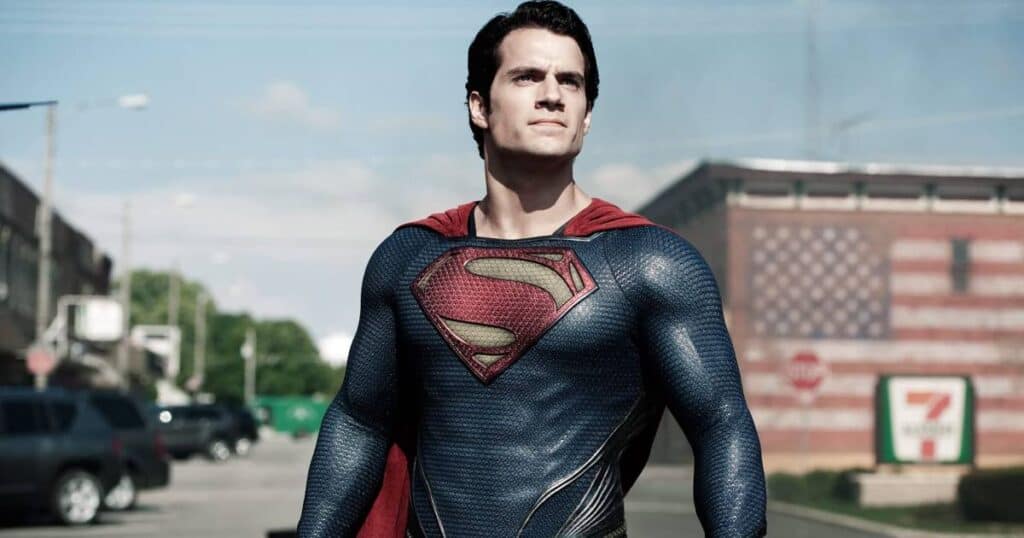
This narrative remains largely faithful to comic book continuity, drawing upon numerous Superman comics that have paved the way for varied interpretations. The film’s plot feels quintessentially Superman, especially when General Zod, a Kryptonian antagonist, arrives on Earth with plans for domination. Superman must confront this threat, collaborating with the U.S. military to strategize and ultimately save humanity. The film culminates in an epic showdown, showcasing Superman’s heroism as he flies off into a somber sunset.
On the flip side, Superman (2025) diverges from the traditional origin story framework, opting instead to chronicle a week in the life of a Superman who has already been active for three years. This narrative immerses viewers in a world where metahumans coexist with regular citizens, creating a vibrant reality where the extraordinary is commonplace. The focus shifts away from establishing origin myths to exploring the dynamics of a superhero navigating a bustling metropolis.
In this film, Lex Luthor hatches a scheme to tarnish Superman’s reputation, seeking government authorization to eliminate him via a specialized task force composed of other metahumans. To combat this threat, Clark assembles a diverse team of allies to defend Metropolis against Luthor’s malicious plans, reinforcing the message that Superman embodies hope even in the darkest times. This plot is simpler and leaves many narrative threads open for future explorations in the cinematic universe.
Both films grapple with the concept of Superman’s public image. In the Snyder-verse, Superman stands as a singular figure, shrouded in mystery and surrounded by controversy. His public perception is complicated, often viewed with suspicion by the public.
In contrast, the portrayal in Superman (2025) presents a different take. This Superman is depicted as a cheerful and relatable hero who exists harmoniously among other superheroes. However, when revelations about his Kryptonian heritage surface, the public responds with skepticism and fear, complicating his efforts to protect those he loves. Both Cavill and David Corenswet face the challenge of restoring public faith in Superman’s mission to secure safety and unity rather than instill fear. Ultimately, both portrayals resonate with the essence of classic Superman.
Character Development: A Closer Look
When discussing Man of Steel, it’s impossible to overlook Henry Cavill’s striking embodiment of Superman’s physical presence. He possesses the size and strength that visually represent the character, lending authenticity to the role. While Cavill’s portrayal is commendable, the surrounding characters seem less developed. The dynamics and relationships in this film are sparse, primarily revolving around a few intimate moments shared between Lois Lane and Clark Kent.
Amy Adams, portraying Lois Lane, feels somewhat misaligned in her role, with on-screen chemistry with Cavill appearing flat and lacking depth. Other supporting characters, including Jimmy Olsen, Perry White, and the Kents, are underutilized, failing to contribute meaningfully to the narrative. The focus remains heavily on Kal-El and Zod, which diminishes the richness of the film’s character interactions. Much of the dialogue consists of monologues from Russell Crowe and Zod, leaving Superman with minimal lines, thereby obscuring his character’s complexity.
The character development in Man of Steel is, unfortunately, a weak point, as it limits the emotional engagement of the audience.

Conversely, Superman (2025) introduces a plethora of new characters, allowing each to shine in their own right. This film creates a sense of a “lived-in” world where every character feels integral to the story. The narratives of characters like Mr. Terrific, Green Lantern, Metamorpho, and others are hinted at, suggesting rich backstories and motivations that could stand alone in future films. The interactions among characters feel genuine and relatable, even when set against the backdrop of superheroics.
The chemistry between Rachael Brosnahan and David Corenswet mirrors the iconic dynamic of Reeve and Margot Kidder in the original series, offering a tender and authentic portrayal of Lois and Clark’s relationship. The development of their romance provides a satisfying depth that was somewhat lacking in previous interpretations.
World-Building: The Cinematic Landscape
Now, let’s delve into the world-building aspects of these films, where the narratives diverge significantly.
In Man of Steel, world-building is almost nonexistent, with the narrative focusing more on destruction than creation. This film acts as the catalyst for the Snyder-Verse, which eventually expands into a rich universe filled with heroes and lore. While Zack Snyder’s Justice League showcases a world populated with Green Lanterns and Amazons, Man of Steel fails to set up any of this context, relying instead on glimpses provided in sequels. The film hints at the proximity of Gotham City, but fails to develop this connection or the existence of other metahumans.
In contrast, the new Superman film embraces a more dynamic approach to world-building. It drops viewers directly into a vibrant universe teeming with heroes like Hawkgirl, Mr. Terrific, and others actively engaged in battle. This film eschews lengthy exposition, allowing the audience to immerse themselves in this flourishing reality. However, one could argue that it introduces too many elements too quickly, with mentions of Gotham, Supergirl, and the Justice League in a manner that could overwhelm viewers. The inclusion of characters like Ultra-Man feels excessive, akin to a feast when one is already full.
While Man of Steel lacks world-building, the new film’s approach might risk diluting the narrative with its ambitious scope. Snyder’s methodical approach to world-building allows for gradual immersion, which contrasts sharply with Gunn’s more frenetic style. Each filmmaker possesses a distinct vision for how to craft a compelling universe, making for an intriguing comparison.
Tone: A Study of Contrast
When it comes to tone, Man of Steel presents a darker, more grounded portrayal of Superman. It challenges audiences to reconsider the character’s moral complexity, illustrating how he could wield immense power for destruction if he chose not to do good. Although Snyder’s film delves into darker themes, it also highlights Superman’s enduring hope and goodness amid adversity. This nuanced approach showcases Snyder’s understanding and respect for the character, which can be polarizing among fans.
However, the film’s overall tone can be perceived as somewhat bleak, lacking the inspiration that often characterizes Superman’s legacy. It’s a narrative that might evoke feelings of despair rather than optimism.

Conversely, Superman (2025) adopts a more vibrant and optimistic tone reminiscent of the golden age of comic books. The film features a bright color palette, sunny cinematography, and costumes that evoke a sense of wonder and excitement. This aesthetic creates an uplifting atmosphere, making the film feel like a joyful celebration of heroism. The tone reflects hope and positivity, presenting Superman as a beacon of light against the backdrop of a world filled with challenges.
I personally favor a lighter tone for Superman, as it emphasizes the contrast between him and darker characters like Batman. If every superhero narrative delved into profound tragedy, the genre would risk becoming monotonous and uninspired.
Beyond the analysis of plot, characters, world-building, and tone, we uncover two filmmakers with different yet similar intentions. Both James Gunn and Zack Snyder are friends, so let’s refrain from engaging in divisive debates over their respective visions.
Ultimately, the pivotal question remains: which iteration of Superman resonates more with you? I encourage respectful dialogue in the comments; after all, this is a discussion about films, not a political arena.