Like dead bodies, classic detective novels didn’t just pop out of nowhere. With its earliest origins in Edgar Allan Poe‘s tales of ratiocination (logical reasoning) in the mid-1800s, the genre steadily gained popularity throughout the 19th century before exploding into the mainstream. From there, classic detective fiction flourished into the Golden Age of detective writing in the 1920s.
While these novels remained rooted in logical deduction and the pursuit of truth, they also explored the complexities of human nature, reflecting the tumultuous effects of industrialization and the chaos of the Great Wars. From an author who broke the rules of mystery writing to the writer who laid the foundation for noir fiction, here are the classic detective books that are perfect from the first page to the last.
‘The Murder of Roger Ackroyd’ (1926)
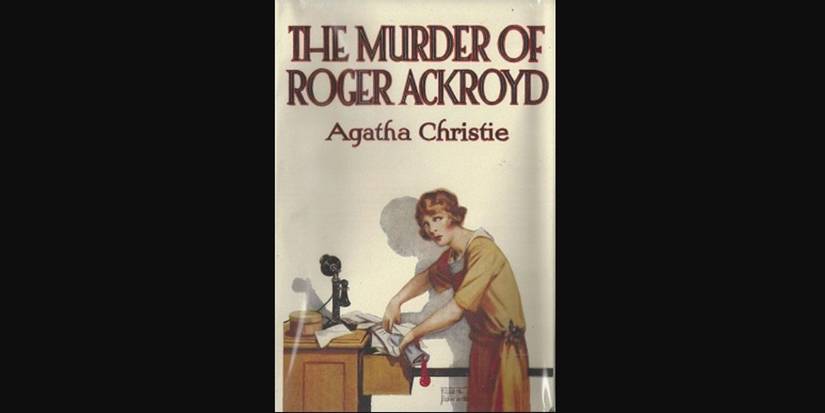 Image via William Collins, Sons
The Murder of Roger Ackroyd is not for the gullible. After the sudden suicide of a wealthy widow, respected country doctor James Sheppard is drawn into a disturbing mystery when her close friend, Roger Ackroyd, is found murdered only hours after revealing he had learned a devastating secret. With the victim’s stepson missing and several family members, guests, and servants hiding personal motives, suspicion spreads throughout the serene village of King’s Abbot. At the request of Ackroyd’s niece, the recently retired detective Hercule Poirot reluctantly takes on the case. As he interviews suspects and reconstructs the night’s events, Poirot finds critical inconsistencies that challenge every assumption surrounding Ackroyd’s murder.
Suspicion is nothing new in the classic detective genre, but back in 1926, Agatha Christie delivered a plot twist that many considered literary blasphemy. Readers will have to pay extra attention not just to how the mystery unfurls, but to how the case is written and described. The clues aren’t just hidden in the suspects’ alibis or the physical evidence—they’re literally tucked between the lines. By the time readers reach the final page, they’ll realize just how thoroughly Christie has bamboozled them with her cunning tricks. Some will feel cheated by the author, while others will admire her sheer ingenuity.
‘The Hound of the Baskervilles’ (1902)
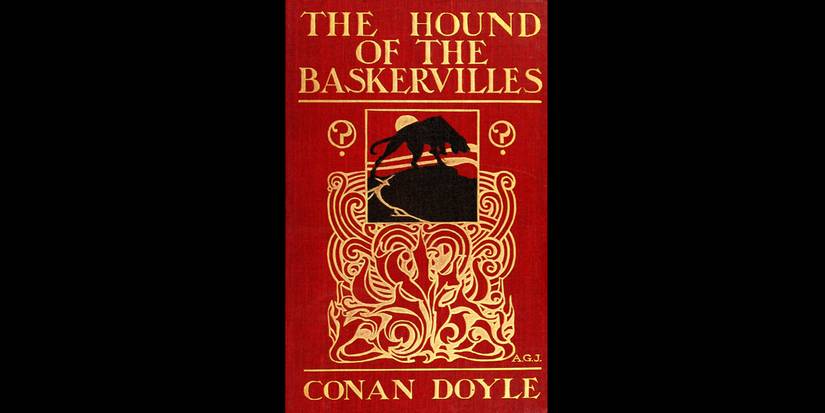 Image via George Newnes Ltd
Sir Arthur Conan Doyle wrote many Sherlock Holmes novels, but out of the four main novels, The Hound of the Baskervilles remains the most favored. A monstrous hound has haunted the Baskervilles for generations, claiming the lives of those who inherit the family’s vast estate. When Sir Charles Baskerville is found dead under mysterious circumstances, fears of the curse intensify as his heir, Sir Henry Baskerville, arrives from Canada to take possession of Baskerville Hall. While Sherlock Holmes remains in London to crack the case from afar, Dr. John Watson travels to the eerie Devonshire moor, where escaped convicts, suspicious neighbors, and unsettling encounters complicate the investigation.
Holmes is the last person to sacrifice logic for the mystical, but The Hound of the Baskervilles makes it surprisingly difficult to separate folklore from cold, hard fact. The novel cleverly toys with readers, making it seem as though something genuinely supernatural may be behind the mysterious deaths. With the atmosphere of a classic Gothic tale and the slightest echoes of Poe’s works, readers are drawn into a creeping sense of paranoia through the bleak, fog-covered Dartmoor and the isolated Baskerville Hall. It’s also one of the few Holmes novels where Dr. Watson proves he’s far more than the detective’s sidekick—he’s a capable investigator in his own right.
‘Gaudy Night’ (1935)
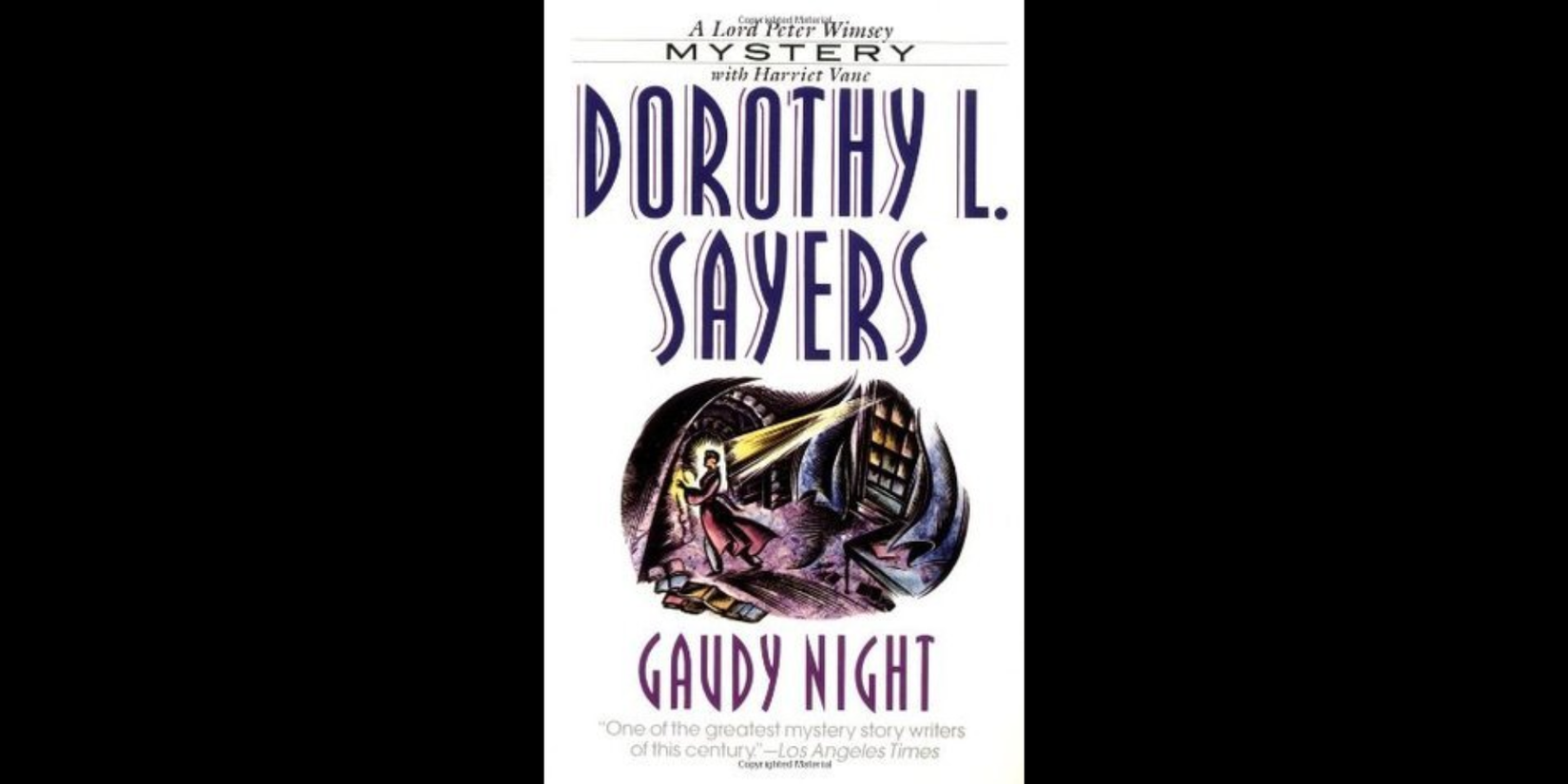 Image via HarperTorch
No other classic detective setup is more salacious than academia, as in Gaudy Night. Returning to her alma mater for a reunion celebration, mystery writer Harriet Vane hopes to reconnect with the more peaceful days of academic life. Instead, she finds Oxford’s Shrewsbury College plagued by anonymous threats, malicious graffiti, and increasingly disturbing acts of vandalism. Because the college wants to avoid a public scandal, Harriet agrees to investigate discreetly, drawing on her own experience as the target of public suspicion. Of course, the faculty and students aren’t too pleased with the sudden intrusion. If the mystery isn’t bad enough, there are also the personal grudges everyone carries within the college community.
Unlike your typical classic detective novel, Gaudy Night doesn’t begin with a dead body. Instead, the mystery revolves around finding a saboteur, which proves just as tricky. Part of the novel’s genius lies in its academic setting. Readers naturally assume that these highly intellectual individuals also possess strong-willed integrity, but that isn’t necessarily the case. As Harriet interrogates the academics one by one, Sayers demystifies the air of superiority surrounding them, offering insightful reflections that you wouldn’t typically get from solving a conventional murder case. Rather than focusing solely on who committed the crime, Gaudy Night explores ethics, truth, and the responsibilities that come with scholarship and human relationships.