The Spring Summer 2025 runways in New York, London, Milan, and Paris showcased plus-size models in only 0.8% of looks, while straight sizes dominated with 94.9%, according to a Vogue Business report on size inclusivity. Meanwhile, the plus-size clothing market exceeded 300 billion dollars and continues to grow.
The real story of summer 2026 lies between these two figures, and it has nothing to do with the catwalk.
The industry that overlooked the majority body on stage has spent the last two years quietly rebuilding for it backstage, in fabric mills and pattern rooms, and analyzing return rates. Compression is being replaced with recovery. Underwire is being replaced with power mesh. Shapewear is being repositioned as a daily layer instead of an occasional fix. None of this made it to the runway. All of it has changed what is actually hanging in a plus-size closet this July.
Shapewear Stopped Selling Transformation and Started Selling Comfort
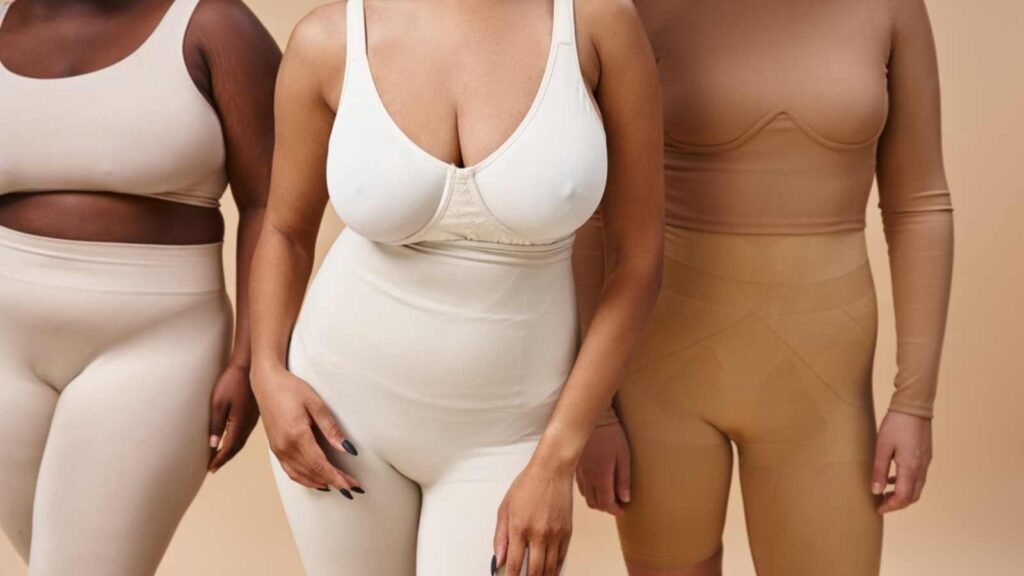
Marks & Spencer launched a 300-piece lingerie collection this spring focused on all-day comfort rather than occasion wear. Spanx introduced breathable compression fabrics for everyday use, and Victoria’s Secret added comfort-oriented designs aimed at younger, athleisure-focused shoppers. The category itself is being rebuilt around a different logic.
Analysts observing this shift note that shapewear’s older model—rigid, corrective, occasion-specific, and sized for a narrow body range—is no longer where the growth lies. A special occasion garment is worn once a season, while a comfort-first base layer is worn weekly, which alters everything from fabric sourcing to sizing strategy.
The shapewear market is projected to grow from approximately 2.95 billion dollars to 5.45 billion dollars by 2033, driven by comfort, inclusivity, and supply chain investment rather than corrective positioning. Compression did not disappear; it simply stopped being the sole focus.
The Market Now Worth Over 300 Billion Dollars Refuses to Stay Quiet
Global plus-size clothing is estimated at 333 billion dollars in 2025 and is projected to grow to 532 billion dollars by 2035; separate forecasts place the figure for 2026 between 317 billion and 349 billion dollars depending on the methodology used.
In the United States specifically, plus-size women’s clothing stores are expected to generate $12.9 billion in revenue in 2026 across more than 55,000 businesses. This scale reshapes incentives; a brand chasing a rounding error does not fund fit research.
A brand chasing hundreds of billions does invest in fit research, and the sector has transitioned from a niche retail category to a central pillar of modern apparel strategy. Comfort became a design priority because the audience purchasing it was no longer treated as an afterthought.
Runways Still Lag Even as the Body Driving Demand Keeps Growing
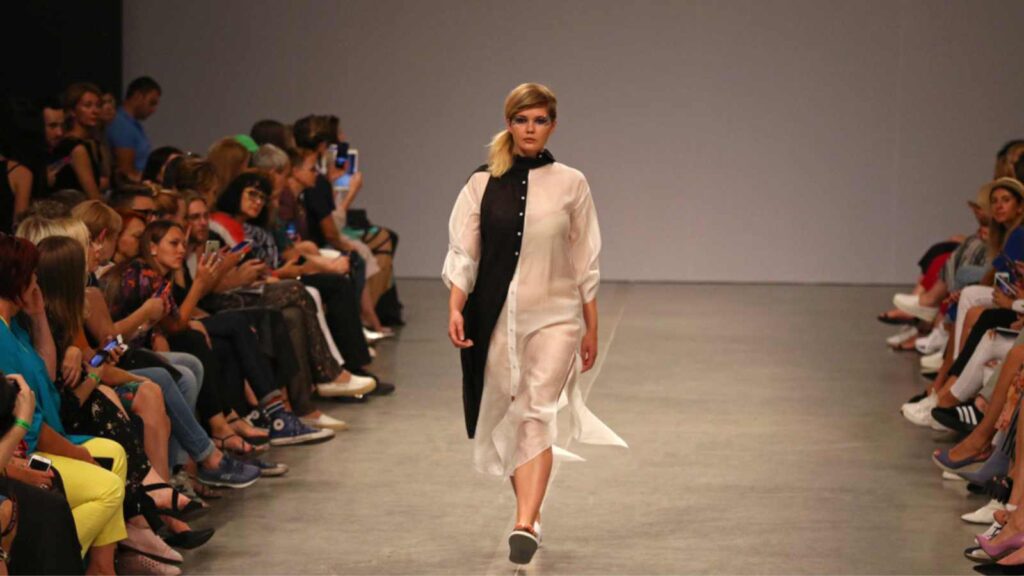
The disconnect becomes more apparent when looking beyond the SS25 numbers already mentioned. By Spring Summer 2026, straight-size looks reportedly accounted for over 97% of runway shows across the four major fashion weeks, indicating an increase rather than a correction in representation despite population trends moving in the opposite direction.
CDC data indicates that adult obesity prevalence in the United States was at 40.3% during the period from 2021 to 2023, which means that runways are shrinking their size range at the exact moment when the American body they claim to dress is not shrinking at all.
Casting directors are not responding to demographic realities; they are reacting to a Y2K nostalgia cycle and an Ozempic-driven aesthetic trend that has little connection to what most women actually wear home from stores.
Stretch Fabric Engineering Rewrote the Pattern
 ImageCredit: NewAfrica/Shutterstock
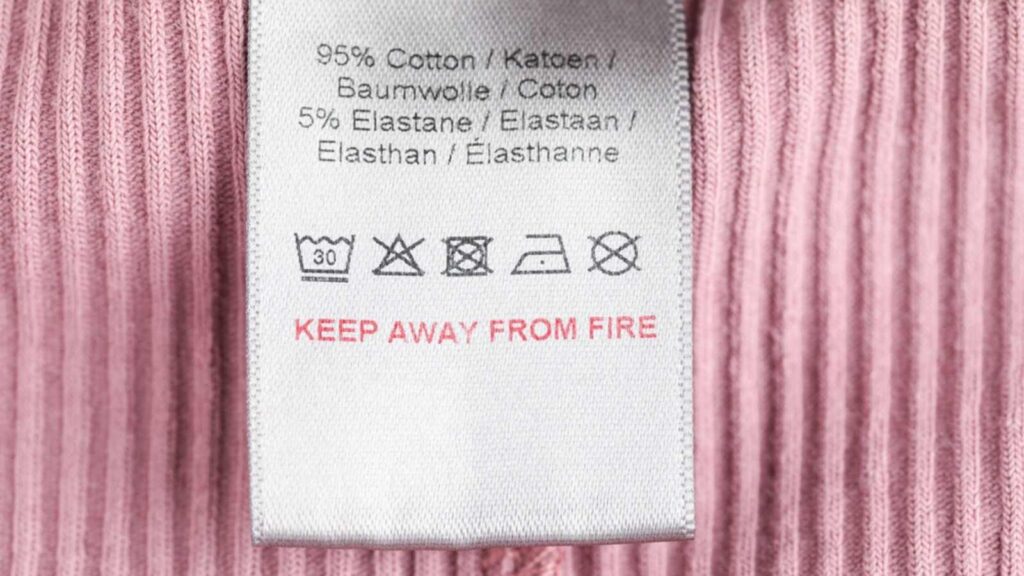
Comfort dressing did not begin with a marketing campaign; it started in the pattern room.Four-way stretch fabric built by knitting spandex or Lycra directly into the yarn stretches both crosswise and lengthwise rather than just one direction.
Patternmakers describe its practical effect this way: The fabric’s elasticity and stretch memory determine how a garment recovers its shape after a full day of wear without sagging by evening.
For plus-size construction this matters more than for straight sizing because the fabric must accommodate a wider range of proportions without pulling at seams or losing recovery capabilities.Once that technical problem was solved, the silhouette followed suit.
Loose blazers, wrap dresses,and soft tailoring became possible with fabrics that previously required rigid structured cuts just to maintain their shape.
The Wireless Bra Is Quietly Restructuring the Entire Lingerie Industry
ImageCredit: Chay_Tee/Shutterstock
The wireless bra segment is expanding at an approximate rate of8 .4% annually,outpacing wired bras.Analysis by Intel Market Research found that sales of seamless wireless bras grew22% year over year as consumers shifted toward hybrid work-from-home wardrobes.
An underwire that fits a smaller cup often digs into a fuller one while wide-set straps combined with wireless construction distribute weight instead of concentrating it at two points.
Aerie built an entire growth story on this exact bet,revealing record quarterly revenue on soft fabric wireless collections rather than push-up structures.
Swimwear Proves Support and Softness Were Never Opposites
ImageCredit: oneinchpunch/Shutterstock
Swimwear used to force consumers to choose between structure and comfort especially for fuller busts and hips.That trade-off is disappearing.
Fit experts now describe plus-size swimwear as its own engineering category rather than merely scaled-up versions of smaller patterns noting it is constructed using entirely different base patterns designed to accommodate fuller busts wider hips and more defined waist-to hip ratios.
This year support is becoming a visible part of the overall garment’s design rather than something hidden with underwire molded cups and reinforced straps now integrated seamlessly into the overall look.Power mesh lining wider straps and reinforced seams perform structural work that boning and rigid underwire previously handled alone without pinning wearers into stillness for shape’s sake.
Denim Finally Admits That Stiff Was Never The Point
ImageCredit: LightField Studios/Shutterstock
Rigid denim built for single body types has been quietly abandoned.Trend forecasting for upcoming seasons points toward looser more relaxed silhouettes across categories with slouchy baggy jeans barrel legs and flares dominating instead of tight structured cuts from past decades.This direction holds greater significance for plus-size bodies than trend reports typically acknowledge.
Rigid low-stretch denim built around single body types resists movement at hips and thighs forcing compromises in rise and seam placement that stretch-woven denim simply does not require.Blended fabrics with recovery built into weaves allow wide-leg or barrel cuts to maintain their shape without old-school stiffness making denim one of least forgiving categories in plus-size closets.
Athleisure Boundaries Dissolved Into an Everyday Uniform This Summer
ImageCredit: Inside Creative House/Shutterstock
The line between activewear and daily dressing has essentially closed.
Pinterest’s trend data for summer frames direction as comfort with bite meaning sport references baggy fits and hands-on details make casual looks considered rather than lazy with jerseys cargos positioned as everyday uniforms instead of gym-specific pieces.For plus-size dressing this represents a larger shift than mere trend cycles.
Performance fabric brings moisture-wicking four-way recovery features into pieces previously purely aesthetic meaning wide-leg trousers oversized shirts can now carry same comfort engineering as leggings.
The result is fewer wardrobe categories since one well-built piece transitions seamlessly from errands dinner without requiring costume changes in between.
Return Rates Are Forcing Brands To Treat Fit As Infrastructure
ImageCredit: Markus Photo and video/Shutterstock
Comfort represents not only a design decision but also supply chain issue making costs associated with errors apparent through numbers presented above.
Historically extended sizing treated as afterthought resulted from brands scaling up straight-size patterns instead of drafting genuinely different proportions from start leading poor fit higher returns across categories.
Newer entrants treat pattern as product requirement rather customer service issue building extended sizing into original draft instead grading up post-factum.That single change drafting body rather scaling towards it quietly resolves comfort complaints more effectively than any fabric innovation alone could achieve.
Color And Print Refuse To Shrink For Anyone Anymore
ImageCredit: dotshock/Shutterstock
Bold colors used carry whispered warnings plus-size shoppers treating visibility itself as risk.This advice publicly retired now.
Fashion historian Kimberly Jenkins links instinct minimize larger bodies much older pattern visual control arguing style always site resistance bodies told take up less space.
Designers back argument product rather sentiment Christian Siriano bluntly shifts away rulebook dressing telling Vogue there are no fixed rules anymore only real standard how wearer feels piece.
Loud prints saturated colors structured tailoring appear across plus-size collections not rebellion but default because old rationing color never about proportion; it was about visibility.
Body Neutrality Is Replacing Body Positivity As The Summer Mood
Voyagerix/Shutterstock
Body neutrality shifts emphasis away how body looks toward what can do framing summarized reducing importance aesthetic component entirely forcing constant celebration features person might love given day.
Lingerie journalist Cora Harrington applies same logic specifically intimate wear arguing shapewear should choice not prerequisite wearing clothes.
Practical result clothing chosen how feels against skin July heat rather how effectively disguises anything genuinely different design brief industry worked decade ago.
Comfort Is Really Just Capitalism Catching Up To The Majority Body
New Africa/Shutterstock
- Plus-size clothing now represents over $300 billion global market yet runway representation has fallen below3 percent looks major fashion weeks.
- Shapewear brands shifting from occasion-based compression daily comfort layers led launches Marks & Spencer Spanx Victoria’s Secret.
- Four-way stretch fabric engineering not marketing language made looser forgiving silhouettes possible.
- Swimwear lingerie proving structural support softness can coexist same garment.
- Bold color print reclaimed plus-size designers form self-expression rather risk manage.
Disclaimer:This list solely author’s opinion based research publicly available information intended professional advice.
Like our content? Be sure follow us