With the second trailer release for Christopher Nolan’s new movie <em>The Odyssey</em>, the tone for this summer’s biggest blockbuster epic has been well and truly set. The story of Odysseus’ homecoming journey to Ithaca following the Trojan War will be a death-defying struggle against the odds and the elements.
Unquestionably the grandest of all Nolan’s movies in terms of visual scale and artistic scope, The Odyssey is going to be a cinematic event of historic proportions. From the trailers alone, we get a feel for the sheer enormity of the journey the director is taking us on to bring his central protagonist home.
However, despite its obvious credentials to be an epic of humongous proportions, Christopher Nolan’s adaptation of The Odyssey lacks a key feature of the original work of Ancient Greek literature on which it’s based. Like the director’s other big-budget blockbusters, the movie appears to be deadly serious about its story, with an undercurrent of tragedy.
Although Homer’s Odyssey is far from a comedic tale, it’s tonally more complex than the typical Christopher Nolan homecoming story, with elements of humor and satire, as well as the subversion of the archetypal tragic heroism more commonly found in Ancient Greek myth cycles. Two trailers in, it seems that Nolan has left these elements out of his adaptation altogether.
Christopher Nolan’s Odyssey Lacks The Humor Of Homer’s Story

The Odyssey’s trailers were always going to divide fans both of ancient epics and of Christopher Nolan’s oeuvre, as the director has undertaken a project unlike anything he’s done before. It’s also important to stress that trailers are made by advertisers with the sole aim of maximizing a movie’s audience, and aren’t always representative of the work as a whole.
At the same time, these previews of The Odyssey tell us something about the movie that’s beyond doubt. Nolan’s adaptation is going to lean into the high-stakes action, perilous danger and emotional trauma involved in Odysseus’ return home to Ithaca. In doing so, it ostensibly forsakes other aspects of his characterization, and of Homer’s original epic poem.
Odysseus is a hero directly counterposed to the archetype represented by Achilles, the “swift-footed” and “lion-hearted” protagonist of Homer’s other legendary Trojan epic The Iliad. The character played by Matt Damon in Christopher Nolan’s Odyssey is portrayed as a wily and resourceful trickster capable of outsmarting anyone bigger and stronger than him.
In this sense, he subverts the age-old stereotype of masculine heroism as embodied by proud, hot-blooded warriors whose physical prowess is their greatest asset. What’s more, his knack for deceiving those he meets on his journey with various disguises and misleading stories furnishes various episodes of the story with a humorous bent.
Whenever Odysseus gets one over on an unsuspecting host or adversary, there tends to be a metaphorical wink to the poem’s intended audience. Many Ancient Greeks coming across The Odyssey for the first time would have already been familiar with the myth cycle to which its story belongs.
The poem is stacked with layers of dramatic irony, in relation to its plot and to Ancient Greek mythology more generally, which serve to satirize the nature of a hero’s journey, and even the essence of storytelling itself. In what we’ve seen of the movie so far, Christopher Nolan’s rendering of The Odyssey contains next to none of these layers.
This Odyssey Movie Will Focus On Homecoming Rather Than Adventure
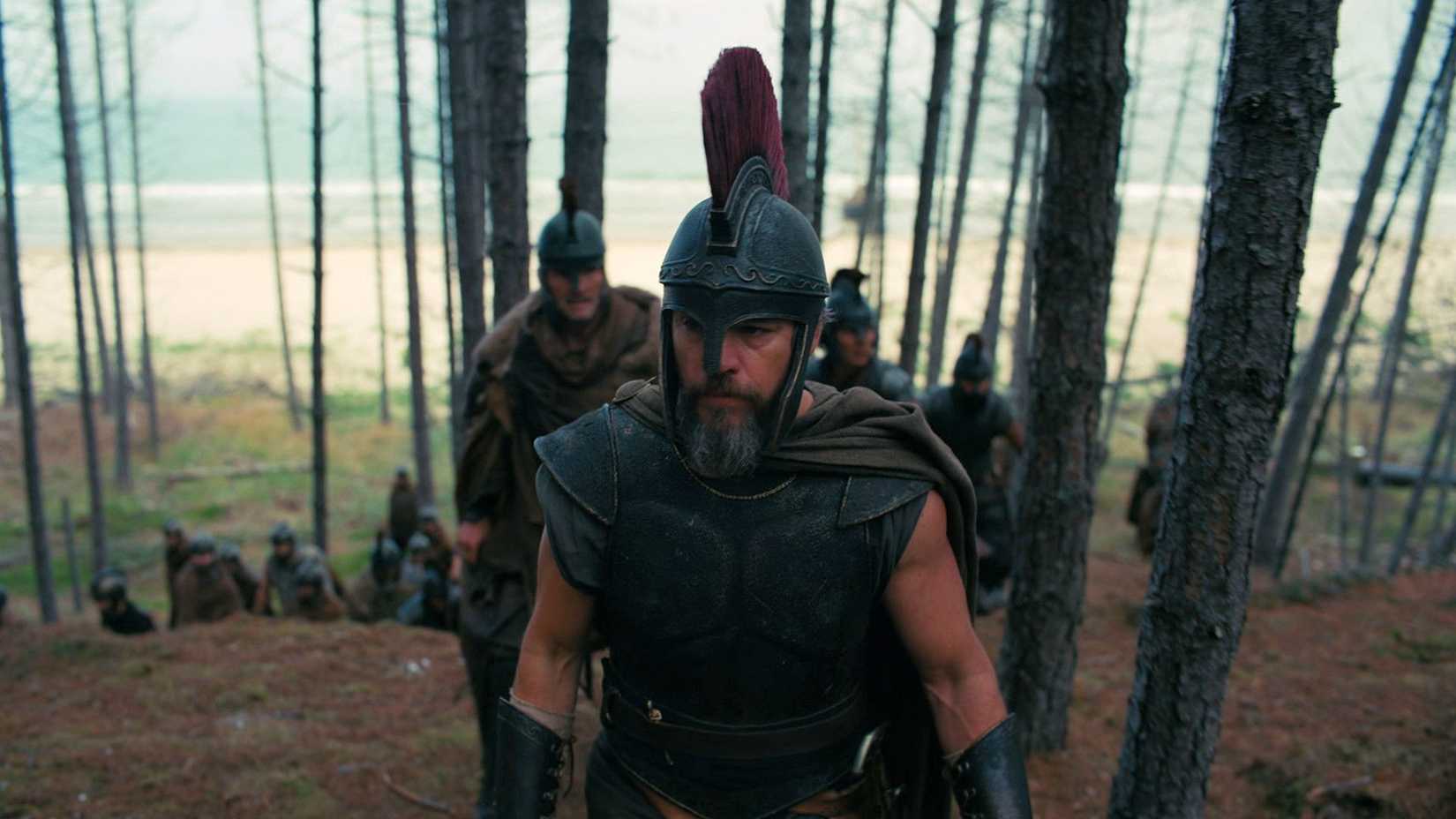
Instead, this big-screen epic strikes the tone of a straightforward drama, which is essentially concerned with the theme of home that Nolan returns to again and again in his films. The characterization of Odysseus as a master of cunning living on his wits lends itself to a spirit of adventure that the movie appears to lack.
The Odyssey’s trailers present us with a journey weighed down by the gravitas of what awaits at the end of it and hamstrung by the emotional scars of prolonged warfare. These aspects of Odysseus’ return home are certainly important parts of Homer’s story but they’re counterbalanced by the thrilling escapades and eye-opening encounters that happen along the way.
Homer doesn’t portray these things as further episodes of trauma for Odysseus. Indeed, there’s a positive side to his experiences on the way home, as evidenced by his tendency to recount them to awestruck acquaintances further down the path to home.
Nolan’s Odyssey Is A Serious Character Study Instead Of A Hero’s Journey
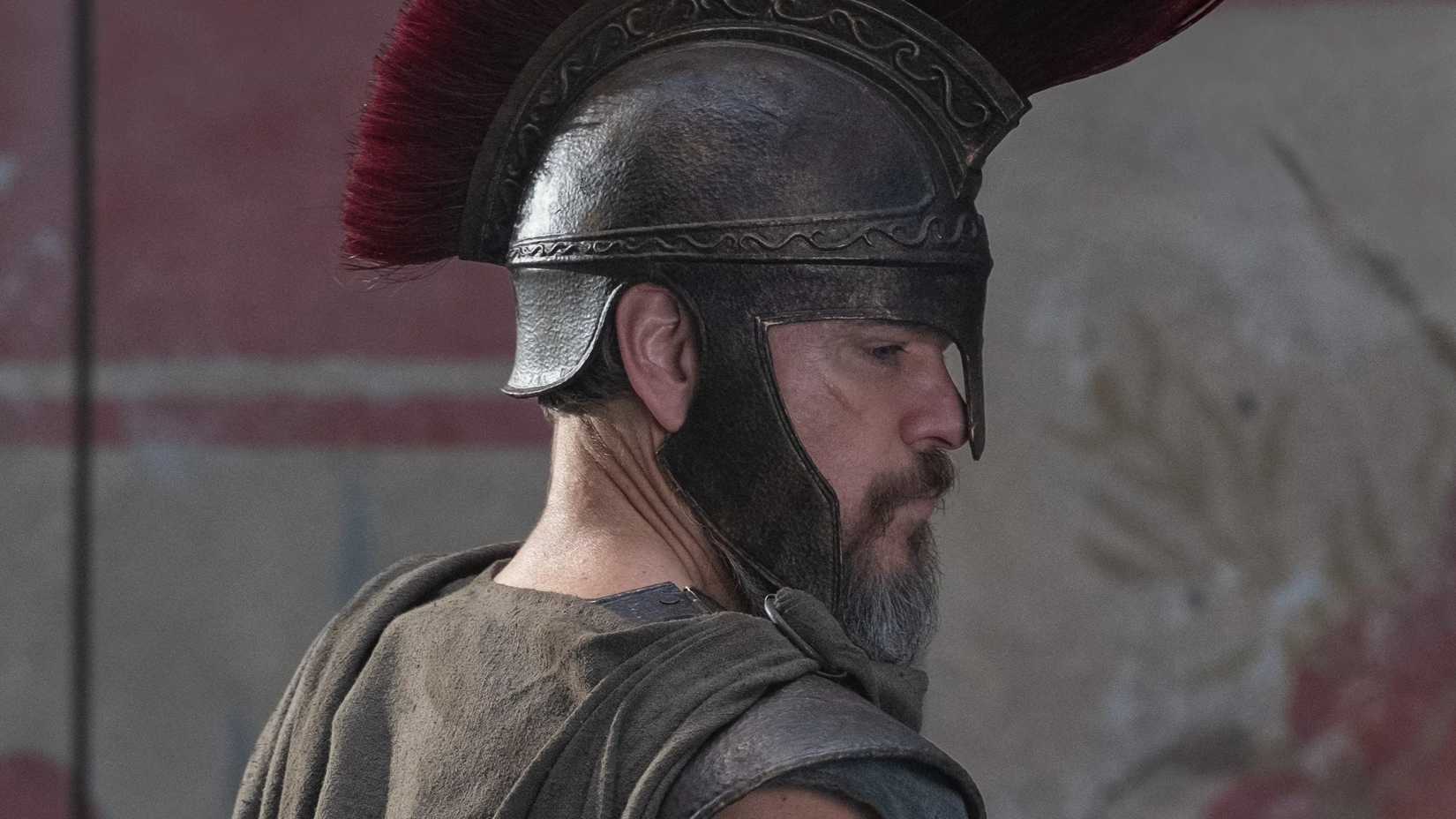
Christopher Nolan appears to have made a conscious decision to focus on the darker, grittier aspects of Odysseus’ story in his version of The Odyssey. His central hero is someone still nursing the psychological wounds of war who feels the dual pressures of leading his soldiers to safety and returning to the family he longs for with extreme intensity.
In this interpretation of Odysseus, there’s little room for a hero’s journey characterized by exotic wonders and acts of daring ingenuity. But then it was always going to be difficult to reconcile Homer’s hero with a modern cinematic blockbuster. Ancient Greek expert Gregory Nagy told Screen Rant last year that this challenge would be Nolan’s biggest while making the movie.
There are limits to what can be portrayed onscreen even with a lead actor as accomplished as Matt Damon. The director’s decision to tell his version of the story this way also allows him to concentrate on other high-concept themes within the story.
The Odyssey Continues Christopher Nolan’s Exploration Of Time
The Odyssey just wouldn’t be a Christopher Nolan movie if it weren’t obsessed with time, and it’s already clear this theme is going to be key to his adaptation of Homer’s epic. The director has adopted the original poem’s non-linear timeline wholesale and may well have included parts of its meta, story-within-a-story narrative structure too.
Meanwhile, Matt Damon’s Odysseus has been disoriented by the passage of time since he was last in Ithaca, and his memory has apparently been fragmented by post-traumatic stress disorder he suffers from in the wake of the Trojan War. He and Penelope are an aging king and queen whose extended separation only adds to their distorted perception of time.
Perhaps Nolan’s screen rendering of The Odyssey won’t be humorous, satirical or in any way ironic. It’s unlikely to convey the extent of Odysseus’ resourcefulness or his talent for deception. But it will play with time in a way Homer would certainly have appreciated while telling the original homecoming story of Western literature.