


Star Trek: Enterprise faced cancellation two decades ago, but this pivotal moment ultimately paved the way for a revival of the Star Trek franchise in subsequent years. The show’s cancellation at the conclusion of its fourth season stemmed from various factors, including disappointing ratings and a strategic shift for the United Paramount Network (UPN). The premature end of Enterprise not only marked it as the first Star Trek series since Star Trek: The Original Series to fall short of seven seasons but also signified the conclusion of executive producer Rick Berman’s 18-year tenure overseeing the Star Trek universe.
Regrettably, Star Trek: Enterprise concluded with a finale that failed to resonate positively. The executive producers, Rick Berman and Brannon Braga, opted to utilize the series finale as a farewell to Berman’s era in the Star Trek legacy. Featuring guest appearances from Jonathan Frakes as Commander Will Riker and Marina Sirtis as Counselor Deanna Troi, the final episode, “These Are The Voyages…”, effectively turned out to be an episode of Star Trek: The Next Generation, relegating Captain Jonathan Archer (played by Scott Bakula) and the ensemble cast of Star Trek: Enterprise to mere holographic representations in their own concluding episode.
Both fans and the cast of Star Trek: Enterprise expressed strong disapproval of “These Are The Voyages…,” and this dissatisfaction has persisted for twenty years. The series concluded in 2005, leaving no clear prospects or assurances for the future of Star Trek. Ultimately, while Star Trek did make a comeback, it took a considerable amount of time. The revival began in 2009 when J.J. Abrams rebooted the Star Trek film series. Following this, it took another twelve years for Star Trek to return to television, with the launch of Star Trek: Discovery in 2017. The assertion that Star Trek: Enterprise had “killed” the franchise was conclusively disproven.
Analyzing the Downward Trend of Star Trek Before the Cancellation of Enterprise
Understanding Franchise Fatigue and its Impact on Star Trek
Star Trek: Enterprise never reached the same level of popularity as Star Trek: The Next Generation. However, it is essential to note that by 2002, Star Trek: The Next Generation was also experiencing a decline in popularity compared to its peak in the early 1990s. The release of Star Trek: Nemesis, the fourth feature film in the Star Trek: The Next Generation series, in 2002 was poorly received, marking it as the lowest-grossing film in the Star Trek franchise and one of the most critically panned entries.
Related
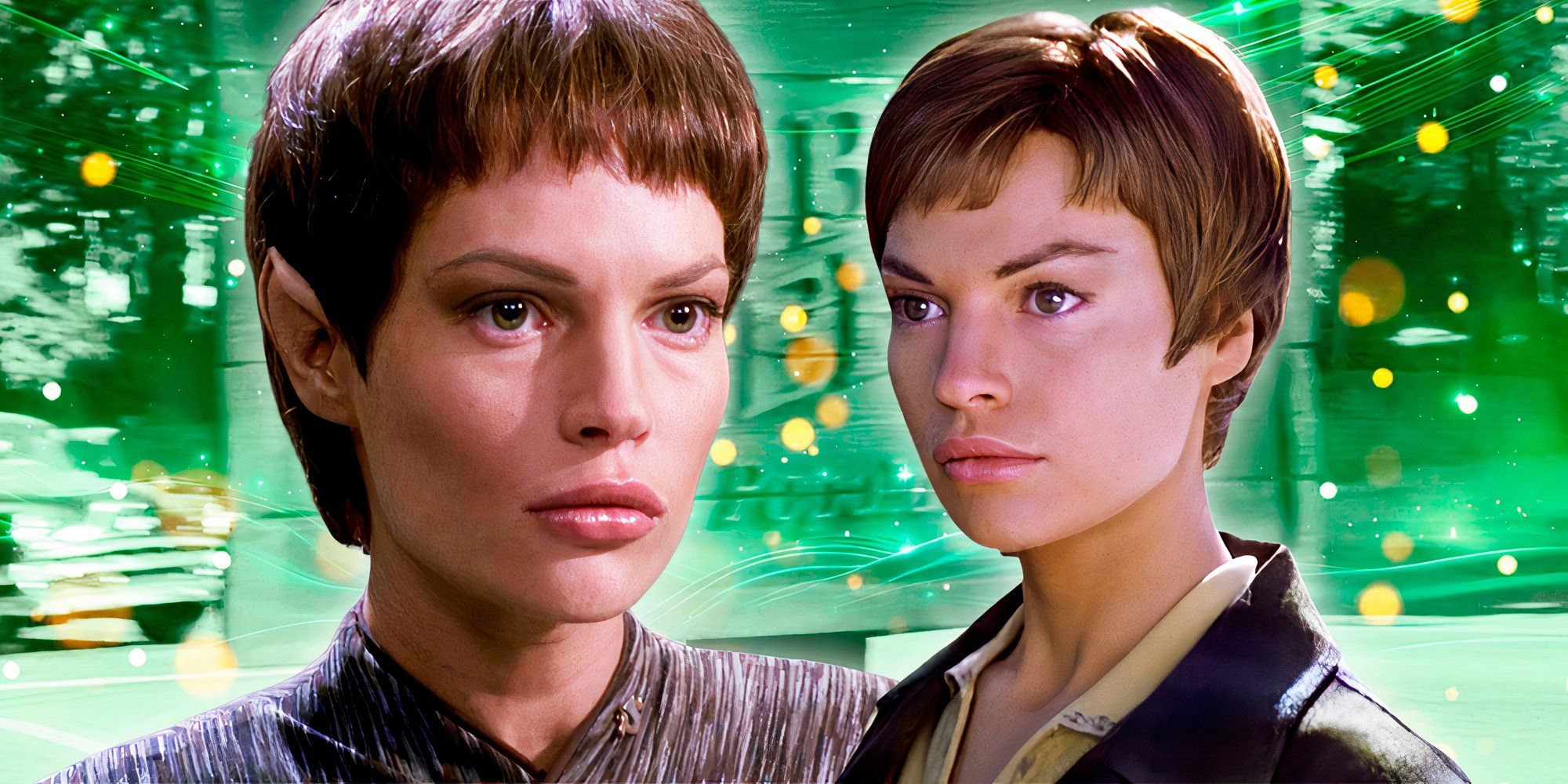
My Favorite Enterprise Episode Broke Star Trek Canon & I Don’t Care
Star Trek: Enterprise’s “Carbon Creek” upended how history records Vulcans came to Earth on April 5, 2063, but does it matter? The episode is great.
The films from Star Trek: The Next Generation, along with Star Trek: Deep Space Nine and Star Trek: Voyager, contributed to an oversaturation of the franchise that ultimately fractured Star Trek‘s core audience. Neither Deep Space Nine nor Voyager achieved the same level of viewership as The Next Generation and neither transitioned into feature films. Defying Rick Berman’s desires, UPN mandated the creation of a new Star Trek series to succeed Voyager without delay, leading to the decision to create a prequel to rejuvenate the Star Trek brand. Nevertheless, the audience for Star Trek did not embrace Enterprise, resulting in a loss of viewers, even as the series improved in its later seasons.
How the Cancellation of Star Trek: Enterprise Sparked a Rebirth for the Franchise
The Impact of Time Away on Fostering a Renewed Desire for Star Trek
When Star Trek: Enterprise concluded its run on UPN in 2005, the majority of the Star Trek fanbase had already moved on to other interests. During the streaming era, Enterprise started to gain recognition as ‘real Star Trek‘, as new Star Trek series emerged on Paramount+, leading to a reevaluation of Enterprise by both new and returning viewers who discovered Scott Bakula’s prequel. The series was unfairly burdened with the accusation of being the ‘final nail in Star Trek‘s coffin,’ a claim that was neither deserved nor accurate.
Related
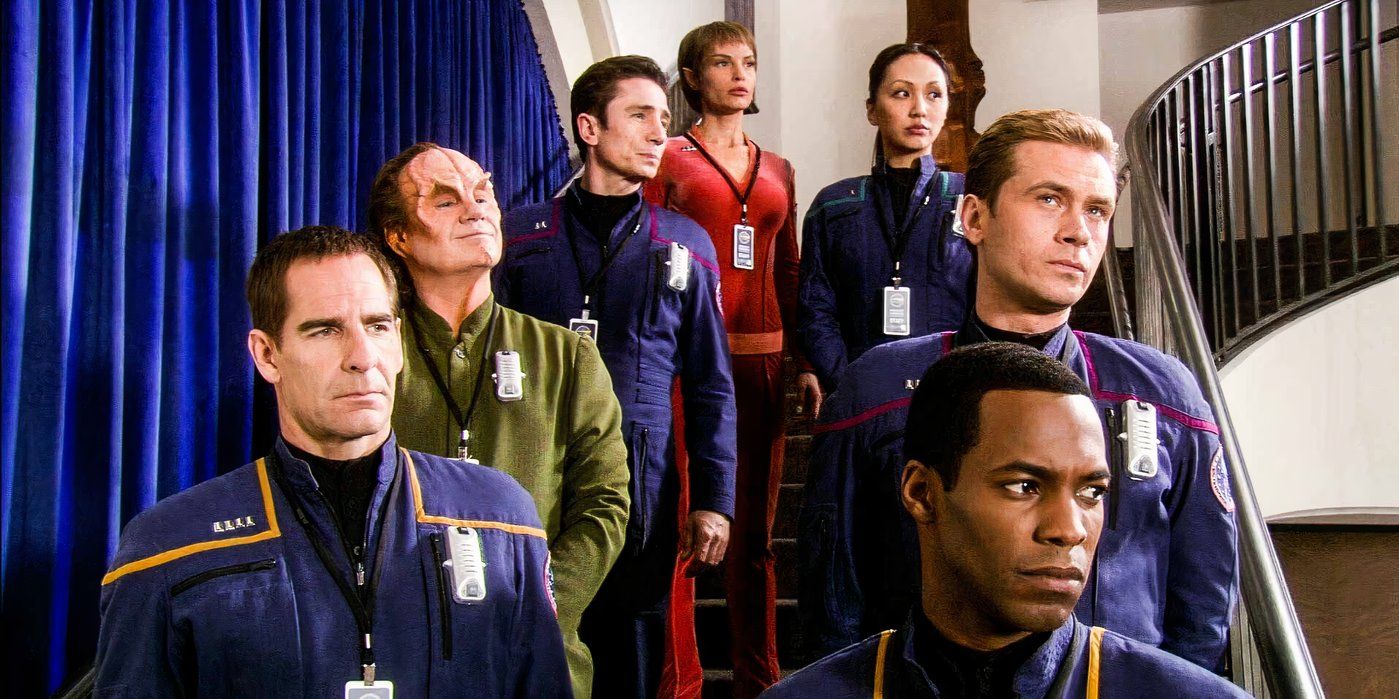
20 Years Later, I’m Even Sadder That Star Trek: Enterprise Season 5 Didn’t Happen Because Of These 3 Planned Stories
Star Trek: Enterprise ending with season 4 robbed fans of major storylines that would have deepened the 22nd century story of Star Trek.
In retrospect, Star Trek definitely required a hiatus, as did its audience. The storytelling approach of Star Trek: The Next Generation, which was echoed in Deep Space Nine, Voyager, and Enterprise, resulted in over 500 hours of television content, accompanied by four feature films. For even the most ardent Trekkers, the intricate Star Trek universe had become excessively convoluted, making it daunting for new viewers to engage, especially prior to the advent of streaming services that facilitated binge-watching.
What Star Trek truly needed was a revitalization and a comprehensive overhaul that television could not provide.
Star Trek maintained its presence in pop culture, and the absence of new Star Trek content only intensified the longing among Trekkers. However, during the late 2000s, the craving for new Star Trek had less to do with a desire to revisit Captain Jean-Luc Picard (portrayed by Patrick Stewart) and the Star Trek: The Next Generation era—at least, not immediately. The franchise needed a revitalization and a sweeping transformation that could not occur through television alone, even with a series as well-crafted as Star Trek: Enterprise.
J.J. Abrams’ Star Trek Movie Reboot: A Transformational Moment for the Franchise
The Irreversible Changes Brought by Abrams to Star Trek
The fresh chapter of Star Trek commenced just four years after the conclusion of Star Trek: Enterprise. Director J.J. Abrams injected a blockbuster film aesthetic and approach into Star Trek with his reboot of Star Trek: The Original Series. Star Trek (2009) revitalized the franchise, introducing a new vibrancy and visual allure that it desperately required to captivate both veteran and new audiences. Abrams cleverly cast actors like Chris Pine as Captain James T. Kirk and Zachary Quinto as Spock, demonstrating that the iconic crew of the USS Enterprise could be recast in a way that was believable and appealing to viewers.
Related
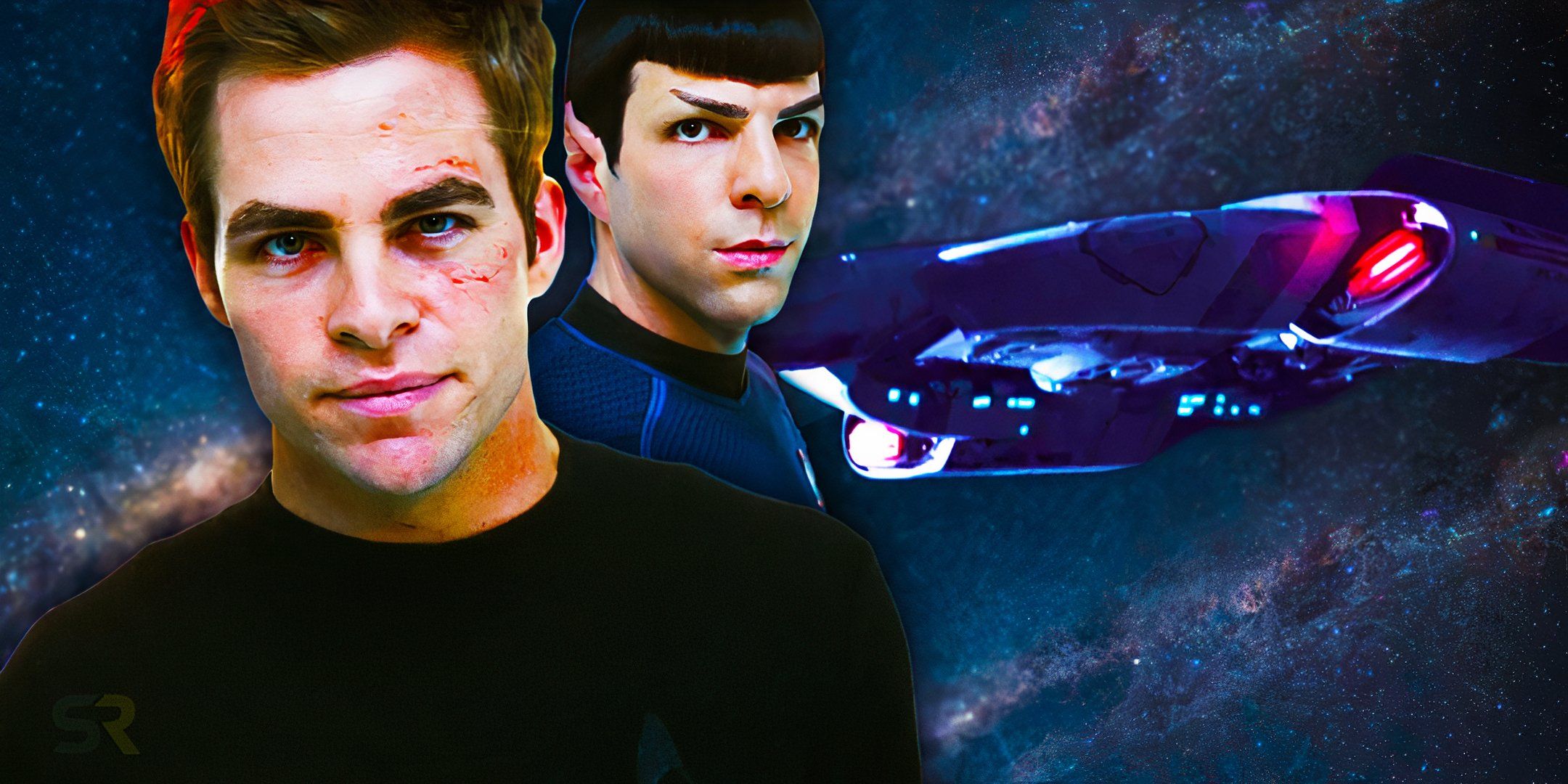
J.J. Abrams’ Star Trek Movie Enterprise Did What A Controversial DS9 Team Failed To Do
Star Trek (2009) saw Starfleet Cadets take command of the USS Enterprise and save Earth, a feat the best Cadets in the Prime Universe couldn’t do.
Star Trek (2009) is set in an alternate timeline yet pays homage to the franchise’s rich legacy. Leonard Nimoy’s return as Spock added a layer of credibility to Star Trek (2009), while an unexpected delight was J.J. Abrams’ film acknowledging the significance of Star Trek: Enterprise. References like Scotty (played by Simon Pegg) mentioning “Admiral Archer’s prized beagle” confirmed that the 22nd-century timeline of Star Trek: Enterprise exists as a shared history within both the Prime Timeline and Abrams’ alternate Kelvin Timeline. Furthermore, 2016’s Star Trek Beyond included even more nods to the 22nd-century period established by Enterprise.
The Role of Star Trek: Discovery in Redefining Star Trek on Television
Celebrating the New Golden Age of Star Trek in 2022 & 2023
In 2017, Star Trek made its triumphant return to television, effectively debunking the myth that Star Trek had perished due to Enterprise. The revival of Star Trek on television was initiated by executive producer Bryan Fuller, who was tasked with developing a new anthology series for the CBS All Access streaming platform. Although Fuller departed from Star Trek: Discovery, Alex Kurtzman took charge and ultimately spearheaded a renaissance for Star Trek. Despite a rocky launch, Star Trek: Discovery achieved enough success to elevate CBS All Access, which later rebranded as Paramount+, into a prominent streaming service.
Related
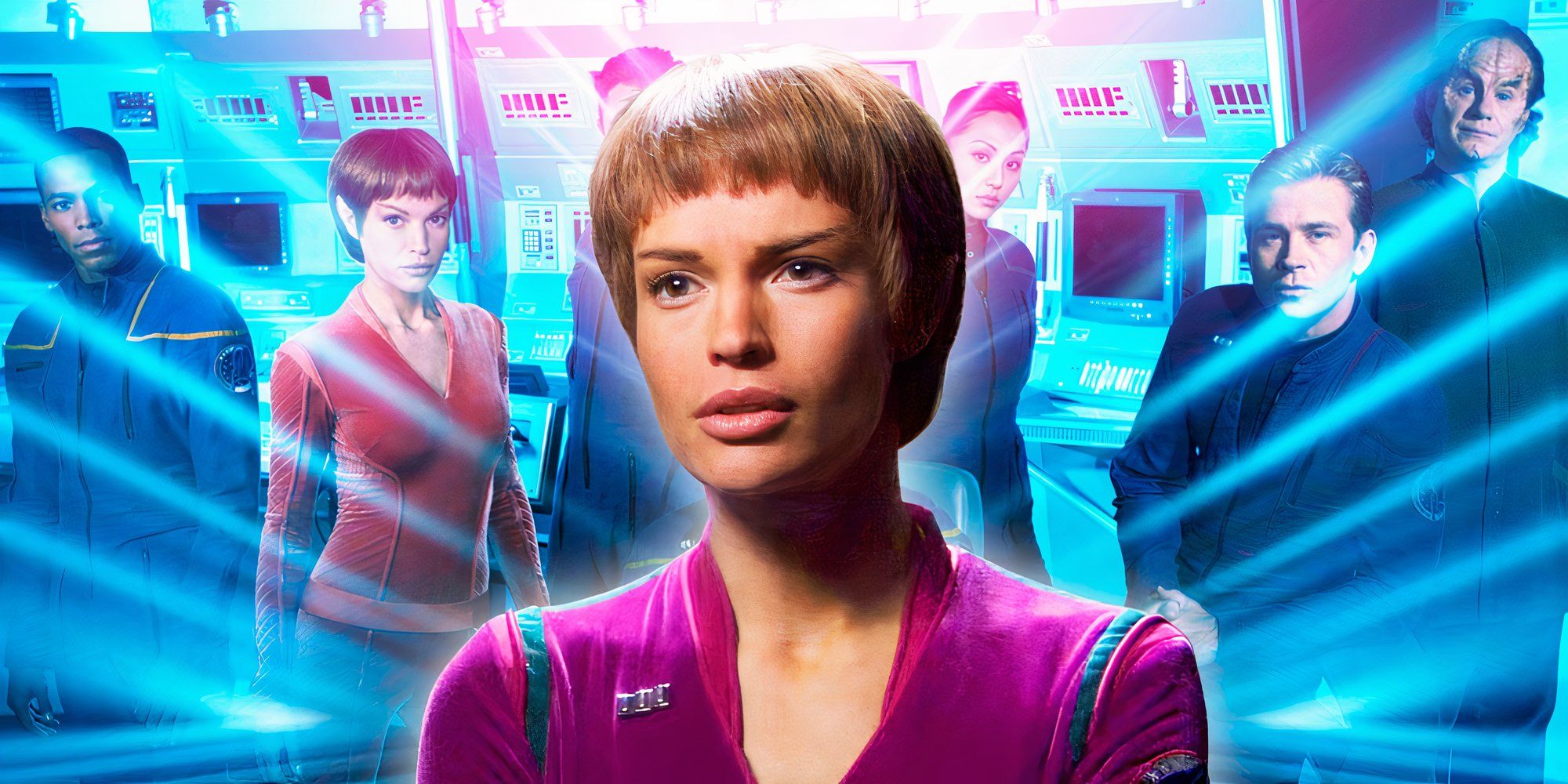
Only 1 Star Trek: Enterprise Actor Made An Official Comeback In Canon (& It Was A Big Shock)
Star Trek: Enterprise has been referenced in Star Trek on Paramount+’s shows, but the lone actor to return in canon was a massive surprise.
Alex Kurtzman recognized the factors that led to the decline of Star Trek in 2005, which included a monotonous approach to storytelling. In response, Kurtzman empowered a diverse group of new creators to explore different styles of Star Trek, ranging from the nostalgia-driven Star Trek: Picard to the comedic Star Trek: Lower Decks, aimed at younger audiences and their Trekkie parents, as well as Star Trek: Prodigy, which captivated kids, and Star Trek: Strange New Worlds, which recaptured the pioneering spirit of 1960s Star Trek with a fresh perspective and daring storytelling.
The conclusion of Star Trek: Enterprise allowed Star Trek to regroup and embark on a revitalized journey.
The peak of Star Trek on Paramount+ occurred in 2022 and 2023, marked by a new episode of Star Trek released every Thursday, with Star Trek: Picard season 3 and Star Trek: Strange New Worlds season 2 achieving remarkable success with audiences. Despite Paramount+ reducing its Star Trek content, the franchise remains robust and holds greater promise for the future than it did when Star Trek: Enterprise concluded its run 20 years ago. The ending of Star Trek: Enterprise facilitated Star Trek in regrouping and embarking on a new chapter, solidifying Enterprise’s legacy as a significant part of Star Trek‘s history.
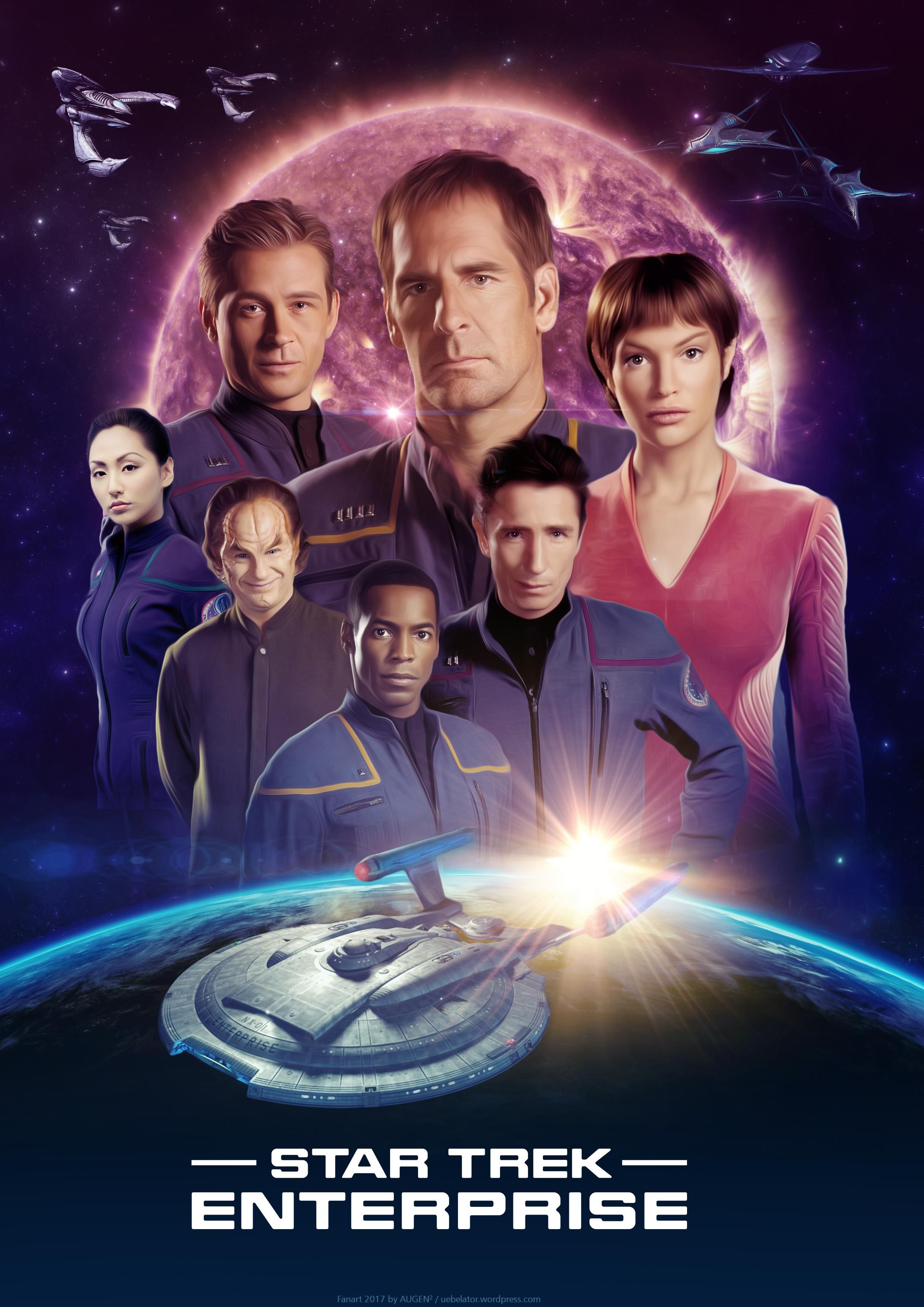
Star Trek: Enterprise

6/10
- Release Date
-
2005 – 2005-00-00
- Showrunner
-
Brannon Braga
- Directors
-
Brannon Braga
- Writers
-
Brannon Braga