What Makes These Fantasy Finales Work?
- Complete endings: Several series on this list reached a planned conclusion that brought their main storylines to a close.
- Strong finales: Avatar: The Last Airbender and Arcane are among the shows praised for delivering satisfying final seasons.
- Unfinished stories: Shadow and Bone and The Wheel of Time ended without fully resolving their stories.
- Different styles: These fantasy series range from animated adventures and supernatural comedy to historical horror and anthology storytelling.

Game of Thrones is widely regarded as one of the biggest television and cultural phenomena of the 21st century, but its final season divided viewers. Some fans defend the ending, while others criticize it as rushed, illogical, and unsatisfying. This list highlights fantasy shows whose final seasons made a stronger impression, whether they delivered a complete ending or left viewers wanting more.
Fantasy series do not always end on a high note, but many do deliver finales that satisfy long-time viewers. The shows below offer different kinds of endings, from carefully completed adaptations to celebrated final seasons and unresolved stories that still made a mark.
10
‘Star Wars: The Clone Wars’ (2008–2020)
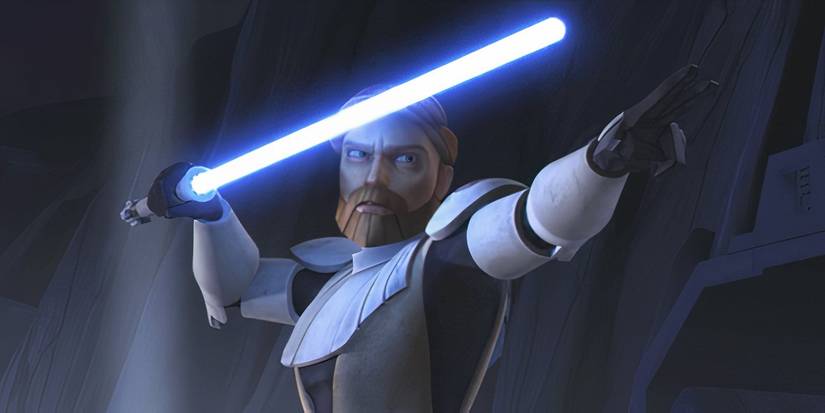 Image via Cartoon Network
Star Wars: The Clone Wars is an animated fantasy adventure set between the second and third prequel films. The seven-season series follows Jedi, Sith, bounty hunters, politicians, and clone troopers as the Republic fights the Separatists across the galaxy. George Lucas has described Star Wars as closer to fantasy than science fiction.
The sixth season aired well before the seventh after Disney acquired the franchise. Disney later released the final season during the COVID pandemic, and its climactic confrontation leads smoothly into the third prequel film. The final season gives the story a compelling close and ranks among the strongest Star Wars productions under Disney.
9
‘The Dragon Prince’ (2018–2024)
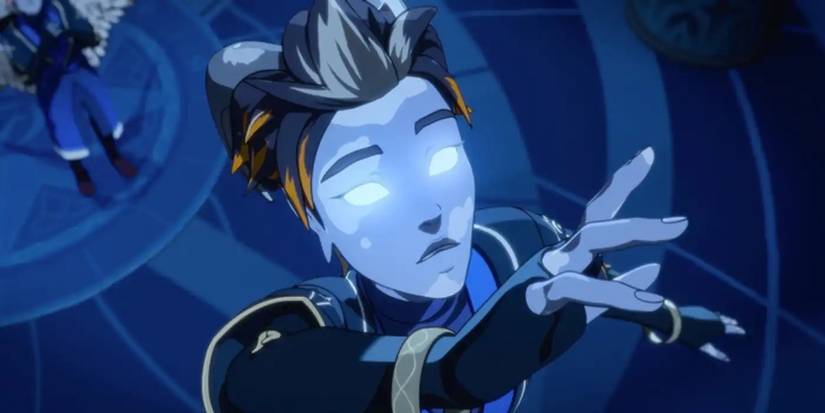 Image via Netflix
The Dragon Prince takes place on the magical continent of Xadia, divided between humans in the West and elves in the East after a devastating conflict. When humans use dark magic to kill the dragon king and apparently destroy his egg, the two realms descend into turmoil. Two human princes and an elf discover the egg survived and set out to return it to the elves and the remaining dragons.
The series combines vibrant animation, detailed environments, an accessible magic system, and an adventurous story. Its seventh season brings the narrative to a satisfying close, preserving the emotional stakes and expansive world that define The Dragon Prince.
8
‘His Dark Materials’ (2019–2022)
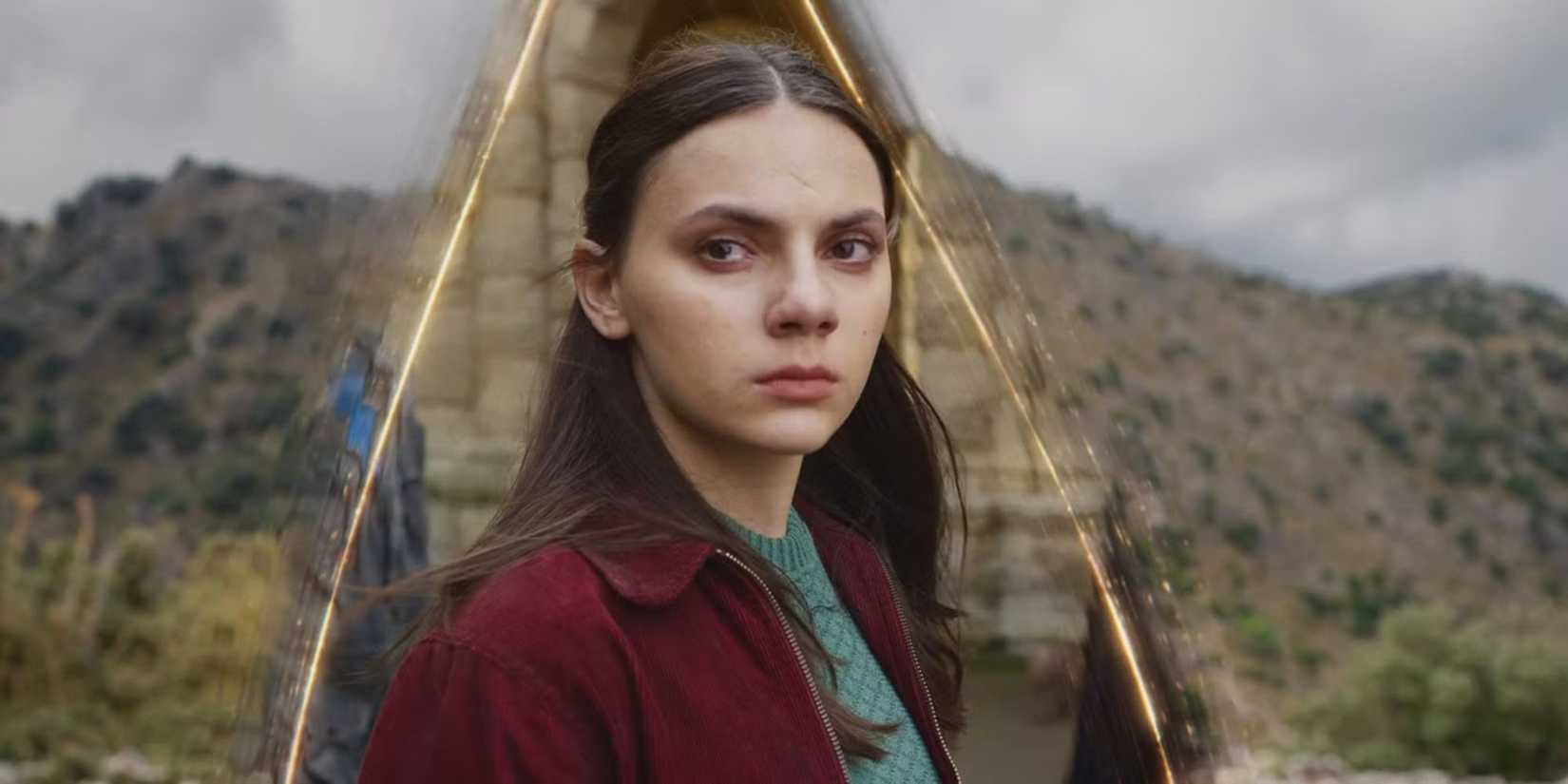 Image via HBO
His Dark Materials is HBO’s adaptation of the trilogy by Philip Pullman, following an earlier film version that did not continue as a series. The television adaptation follows the books more closely and explores parallel worlds, magic, and mythological creatures.
The story follows Lyra, a girl in an alternate England whose actions could undermine a powerful organization. Her dæmon, a shape-shifting animal companion, travels with her. The series adapts all three novels, so its ending completes the source material rather than stopping because of cancellation. That gives His Dark Materials a rounded conclusion, enriched by details that readers of the books may recognize.
7
‘Shadow and Bone’ (2021–2023)
 Image via Netflix
Shadow and Bone adapts the novels by Leigh Bardugo, which have a substantial readership. Netflix cancelled the series after two seasons, leaving its story on a cliffhanger. Viewers who appreciated its atmosphere and humor found the cancellation disappointing.
Rather than relying on a conventional medieval setting, Shadow and Bone draws on steampunk and Victorian-era aesthetics to establish a distinct identity. The show combines witty dialogue, emotional scenes, and a detailed world rooted in young-adult fantasy. Its final season raises the stakes, but the cliffhanger means the series does not provide a complete ending.
6
‘Avatar: The Last Airbender’ (2005–2008)
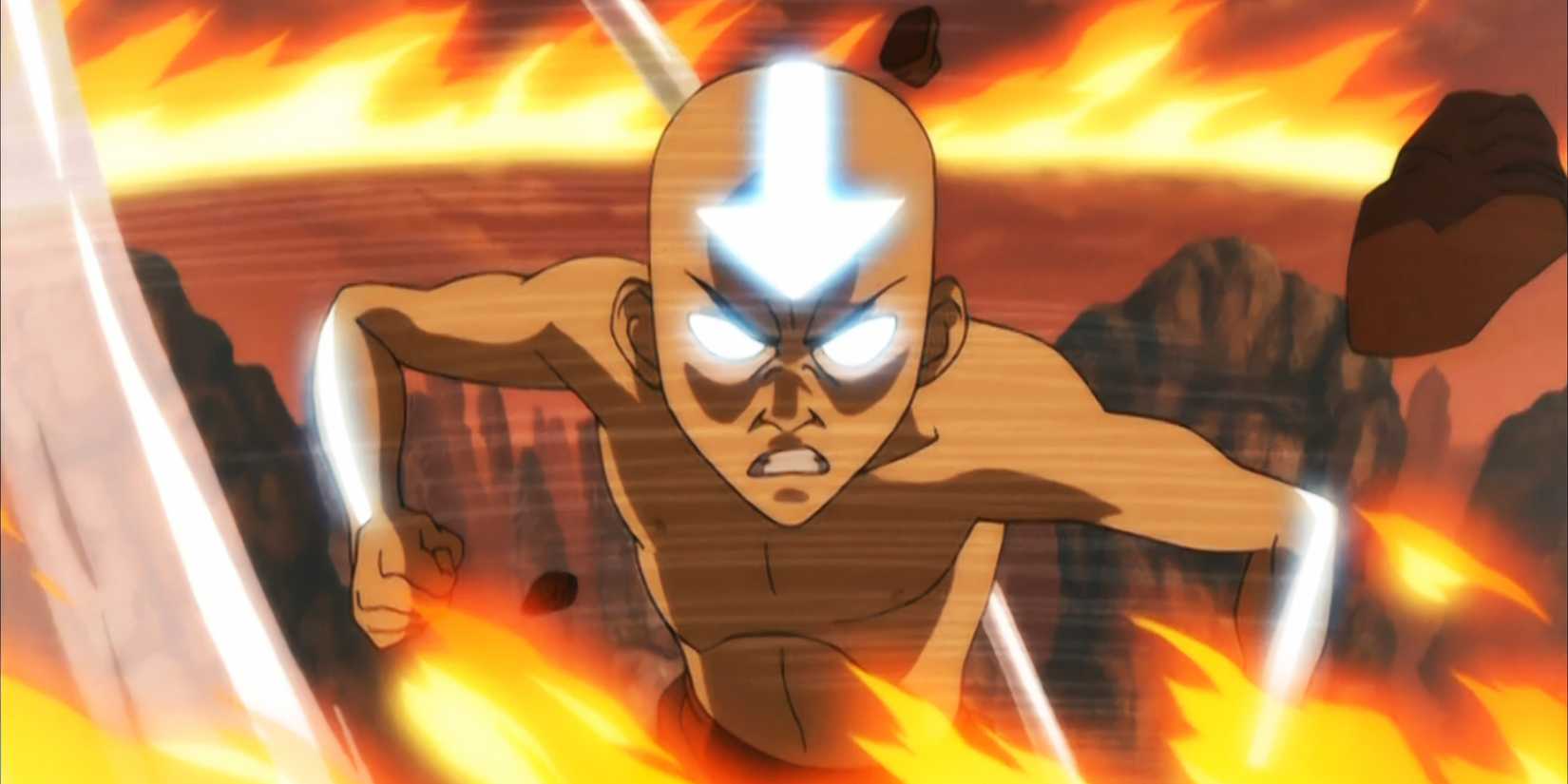 Image via Nickelodeon
Avatar: The Last Airbender is an animated adventure built as a continuous story rather than a collection of disconnected comedies. Its world contains four nations associated with air, fire, earth, and water, and the Fire Nation’s invasion has thrown them into conflict.
Aang, the prophesied Avatar, must learn to master all four elements and restore balance. The series combines anime-inspired visuals, moral questions, humor, and action, culminating in a finale that brings its central conflict to a memorable resolution.
5
‘Arcane’ (2021–2024)
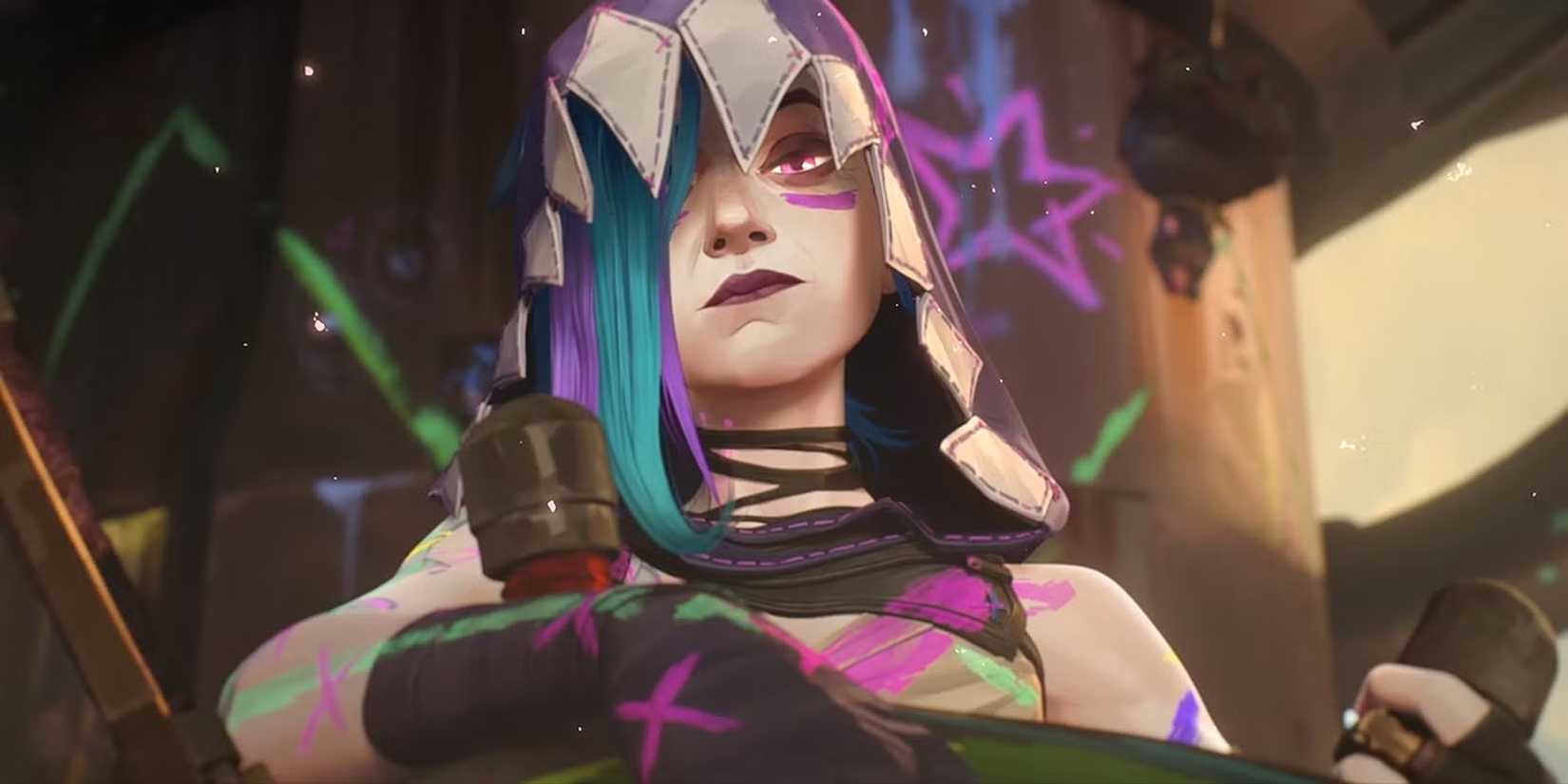 Image via Netflix
Arcane is an animated series based on the popular multiplayer online battle arena game League of Legends. Like the game, the show blends science fiction, fantasy, and steampunk. Developed with involvement from the game’s creators, Arcane received multiple Emmy Awards, distinguishing it from many video-game adaptations.
The series runs for two seasons and was brought to a deliberate conclusion rather than cancelled. Its final season maintains the careful approach of the first, combining action with emotional storytelling instead of rushing toward an ending.
4
‘What We Do in the Shadows’ (2019–2024)
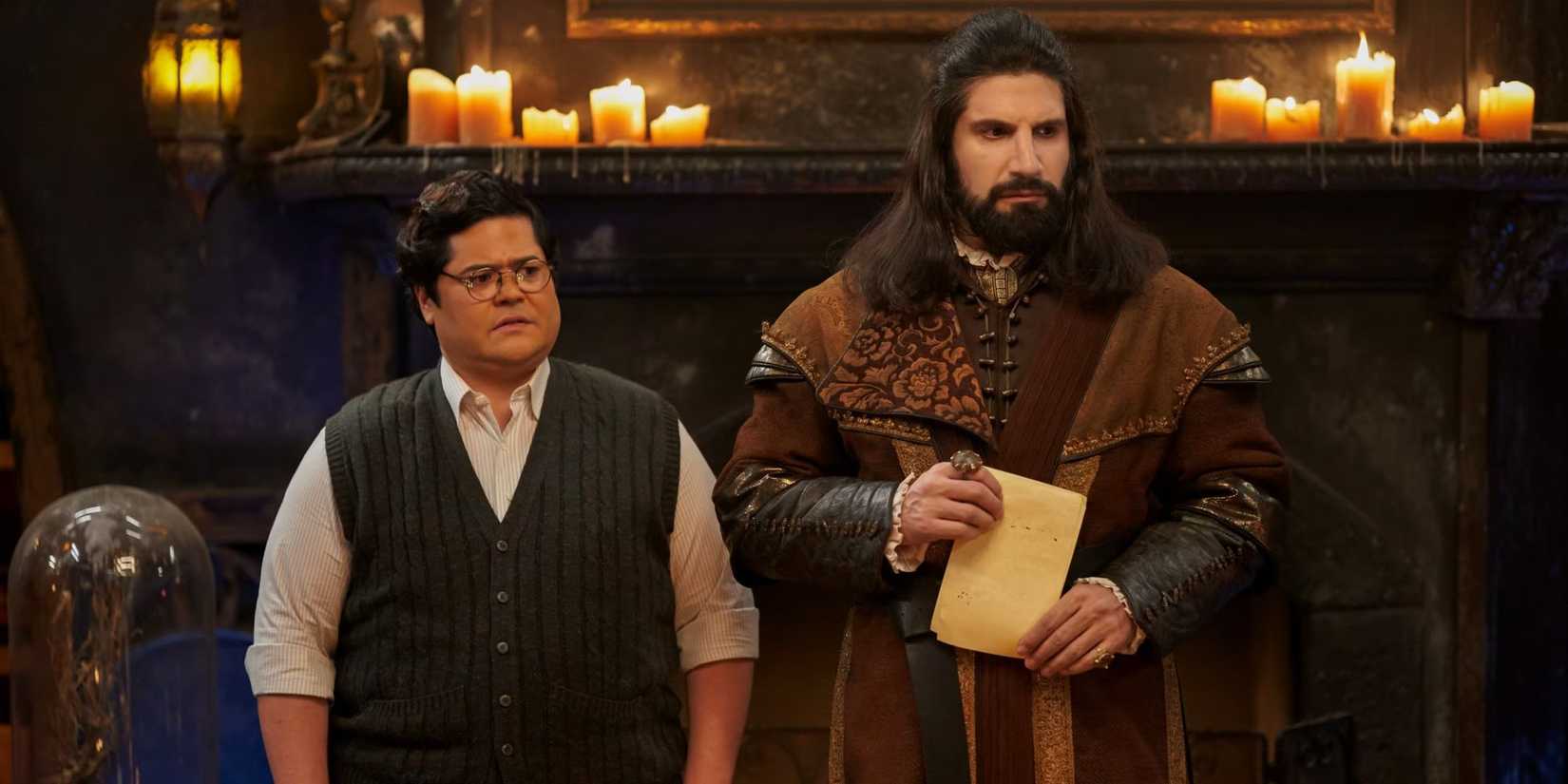 Image via FX
What We Do in the Shadows is a mockumentary created by Taika Waititi, based on his 2014 film of the same name. The series imagines classic Gothic vampires adjusting to life in 21st-century New York City, combining supernatural horror with absurd comedy.
The series ends after six seasons with few loose ends. Its final season retains the quirky humor and style that shaped the show from the start, bringing the vampires’ story to a fitting conclusion.
3
‘The Twilight Zone’ (1959–1964)
 Image via CBS
The Twilight Zone is an influential anthology created by Rod Serling. Its stories place ordinary people in extraordinary situations, crossing into science fiction, fantasy, and horror. Each episode features its own characters, premise, plot twist, and self-contained story.
The series ended after five seasons while maintaining a consistent identity across its run. Because episodes tell independent stories, the final season remains an accessible part of the anthology rather than a single concluding chapter.
2
‘Kingdom’ (2019–2021)
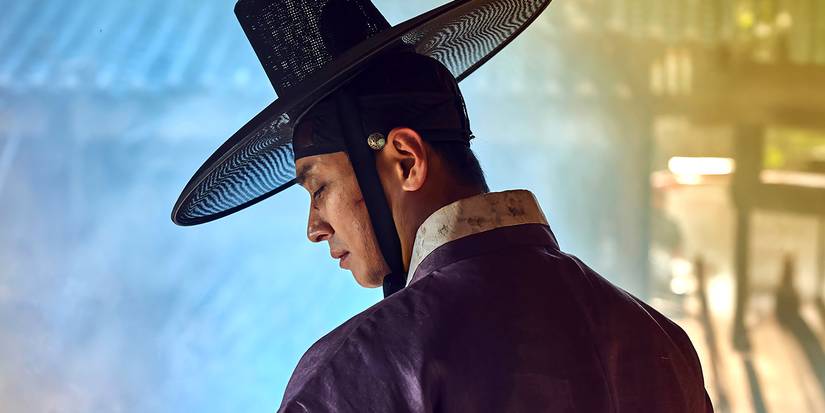 Image via Netflix
Kingdom is a South Korean Netflix series based on a webtoon that became a graphic novel. Set in the historical kingdom of Joseon at the end of the Middle Ages, the story follows a succession crisis involving the powerful Haewon Cho clan. The clan uses a mythical resurrection plant, unleashing a zombie outbreak as the royal family faces its rivals and the undead.
Kingdom consists of two seasons and a feature-length special episode, but its story ends on a cliffhanger. Although the series did not receive a complete conclusion, its distinctive blend of historical fantasy and horror sustains its atmosphere and central conflict throughout.
1
‘The Wheel of Time’ (2021–2025)
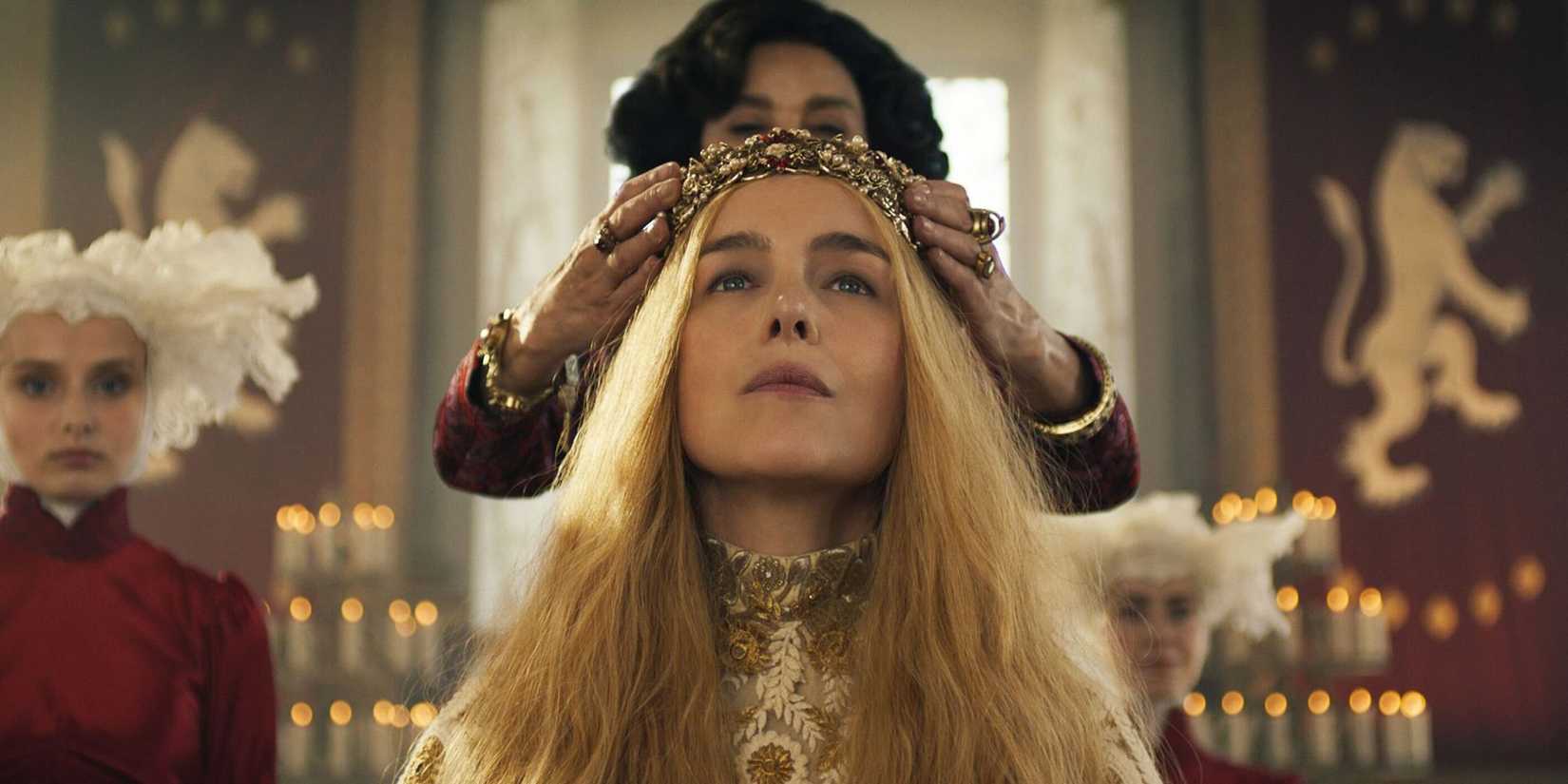
Image via Amazon/MGM Studios/ Courtesy Everett Collection
Based on the novels by Robert Jordan, The Wheel of Time was cancelled after its third season, just as the series had gained momentum. The first season received a mixed response, the second improved, and the third was widely praised. Its cancellation prompted an online campaign by fans seeking to save the show.
The fantasy story follows the Dragon Reborn, a prophesied figure destined either to save the world or destroy it. The adaptation brought Jordan’s expansive world to television and established its own identity, but its cancellation meant it did not reach a full conclusion. The third season nevertheless offers a strong final chapter for the series as it stands.
Common Questions About Fantasy Series Endings
Which fantasy series on this list has a complete ending? His Dark Materials adapts all three novels in Philip Pullman’s trilogy, while Arcane was deliberately brought to a close after two seasons.
Which fantasy shows ended on cliffhangers? Shadow and Bone and Kingdom both conclude without fully resolving their stories.
Which series is an anthology rather than one continuous story? The Twilight Zone is an anthology in which episodes generally tell separate, self-contained stories.