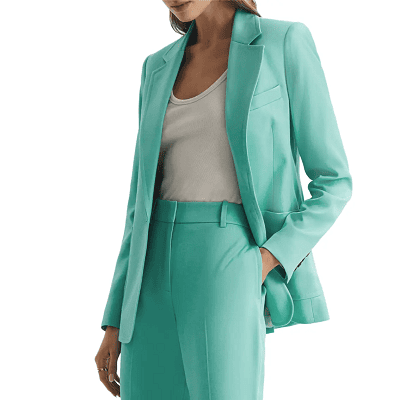

Entering a typical clothing store can feel like hitting a brick wall if you wear anything above a size fourteen. The racks are filled with beautiful pieces, yet the larger sizes are either tucked away in a dark corner or completely missing. It is incredibly frustrating to see mannequins showcasing stunning outfits that simply do not exist for most shoppers.
The fashion industry has had decades to address this glaring issue, yet we are still having the same conversation. Women of all shapes want to spend their hard-earned money on clothes that make them feel fabulous and confident. It is time to break down exactly why these clothing companies are still missing the mark by a wide margin.
Key Insights
- Pattern Grading Costs: Proper grading of patterns is expensive but essential for fitting larger sizes correctly.
- Consumer Demand Myth: Claims of low demand for larger sizes ignore the reality that these sizes are often not produced.
- Lack of Training: Fashion education primarily focuses on thin models, leaving designers unprepared for curvier bodies.
- Outdated Standards: The industry clings to outdated beauty standards that alienate a significant portion of potential customers.
The Cost Of Grading Patterns Properly
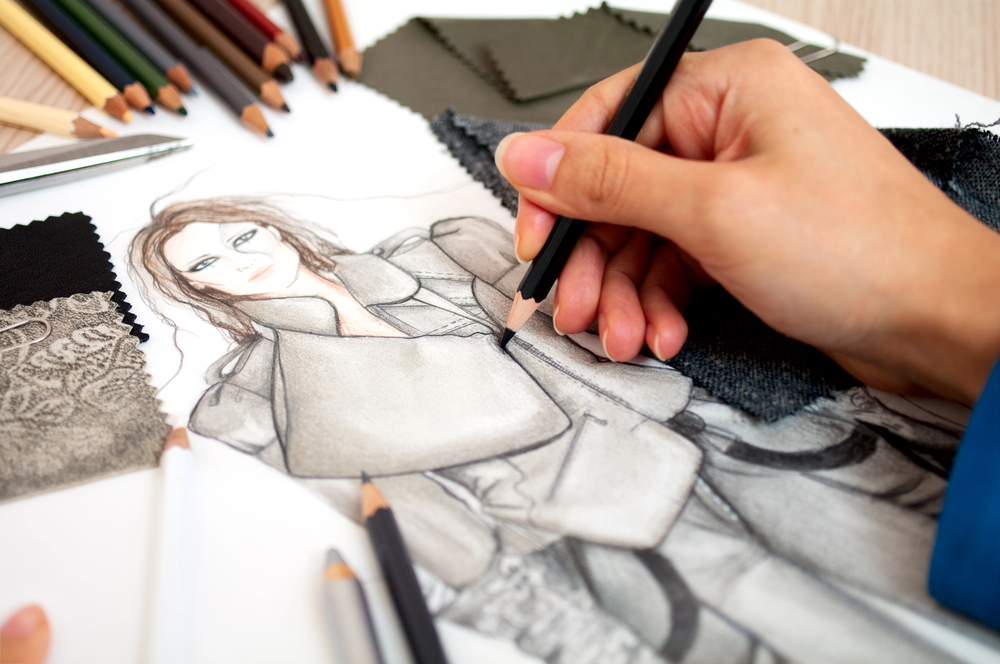
Scaling a garment up from a sample size requires much more than just adding an inch of fabric here and there. Designers must completely recalculate the proportions to ensure the item fits well on a curvier body. Many brands skip this costly step because they want to rush their products to market.
Instead of investing in proper pattern grading, they use cheap mathematical formulas that ruin the fit entirely. This lazy approach results in armholes that dig into your skin and waistbands that gap terribly in the back. According to recent data from Grand View Research, the global plus-size clothing market was valued at an impressive 311.4 billion dollars in 2023.
The Myth Of Low Consumer Demand
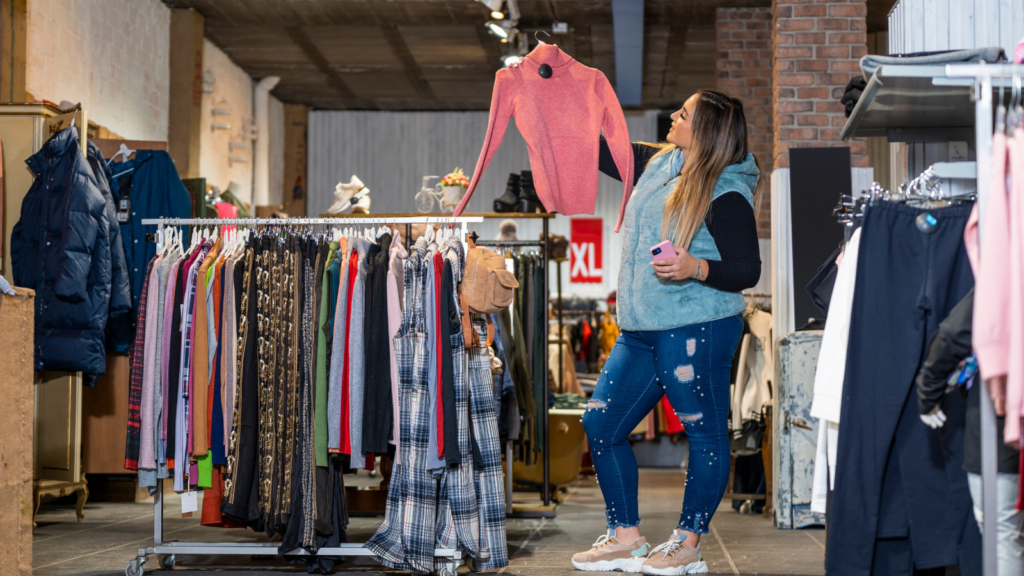
Retail executives often claim that larger sizes simply do not sell well enough to justify production costs. This argument falls flat when you realize women cannot buy inventory that was never produced in the first place. Shoppers are practically begging for stylish outfits but are met with a sea of shapeless tunics.
The reality is that brands stock limited runs of larger sizes and then act surprised when they sell out instantly or get returned for poor fit. Market Growth Reports indicate that over 68% of American women wear size 14 and above. Ignoring this massive customer base is simply poor business strategy disguised as a supply issue.
A Severe Lack Of Proper Training
Most fashion schools still focus almost entirely on drafting patterns for tall and exceptionally thin fit models. Students spend four years learning how to dress a very specific body type that represents a tiny fraction of the population. By the time these fresh designers enter the workforce, they have zero experience working with curves.
You cannot expect designers to create flattering clothes for larger bodies if they were never taught the basics of doing so. This educational blind spot trickles all the way up to major fashion houses and mass-market retailers. The industry needs a significant overhaul in how it teaches the next generation of garment creators.
Sticking To Outdated Beauty Standards

High fashion has always operated on an exclusive model that equates thinness with luxury and desirability. Many legacy brands fear that producing larger sizes will somehow cheapen their image and alienate their core audience. This snobby attitude creates a massive trickle-down effect that influences affordable retailers and fast fashion giants alike.
Clothes should fit the body; however, the industry expects the body to fit the clothes. The stubborn refusal to evolve keeps millions of potential customers feeling completely excluded from the fashion conversation. It is incredibly foolish to prioritize an outdated aesthetic over making real women feel beautiful and seen.
The Fear Of Holding Excess Inventory
Retailers are absolutely terrified of being left with racks of unsold clothing at the end of a season. They view producing larger sizes as a massive financial gamble rather than a solid investment in their customer base. Buyers play it safe by ordering most of their stock in straight sizes to minimize perceived risk.
This overly cautious approach creates a self-fulfilling prophecy where curvier shoppers stop visiting certain stores altogether. When customers know they will not find their size available, they take their wallets elsewhere. In fact, Mys Tyler’s insights from 2023 reveal that an astounding 54.4 percent of American women wear a size 14 or above.
Hiding Larger Sizes Exclusively Online

Countless retailers proudly announce their extended size ranges only to banish them entirely to their websites. Walking into a physical store and being told to shop online is an alienating experience for any consumer. It sends a loud and clear message that certain bodies are simply not welcome in public shopping spaces.
Shopping should be an enjoyable and tactile experience where you can try things on and feel the fabrics. Forcing curvier women to guess their size online and deal with return hassles is completely unfair. This digital segregation demonstrates that many brands care more about performative inclusion than actual customer service.
Misunderstanding Different Body Shapes

A size twenty body does not look identical on every person who wears it. Some women carry weight in their hips while others have broad shoulders or prominent midsections. Brands often attempt to create one-size-fits-all solutions for plus-size bodies which is mathematically impossible.
You end up with pants that fit at the waist but swallow the legs or tops that pull awkwardly across the chest. The industry treats plus-size women as if they were all identical instead of recognizing the beautiful diversity of human proportions. Until designers acknowledge these structural differences, clothes will continue to fit poorly across the board.
The Shrinking Middle Class Market
 Image Credit: Vitaly Gariev via Pexels
Creating quality garments with extra fabric and specialized pattern grading costs money which raises retail prices. Fast fashion companies strive to keep costs low which leads to poor fit and fabric quality. Conversely luxury brands charge thousands but refuse to expand sizing options.
This creates a significant gap in middle-tier markets for everyday women seeking well-made clothes without taking out loans. Interestingly North America accounted for nearly43.9 percent of global plus-size clothing market revenue in2023 accordingto Grand View Research. Brands are missing out on billions by ignoring this lucrative demographic.
Relying On Cheap And Clingy Fabrics
Photo Credit: Mike van Schoonderwalt / Pexels
In an attempt to make garments fit multiple body types manufacturers often rely on heavy spandex blends assuming stretch will accommodate any shape without issue.This shortcut results in clingy uncomfortable clothing lacking structure or style.
Curvier bodies look fantastic in structured materials such as crisp cotton heavy denim and beautiful wool blends.Unfortunately these fabrics require precise construction which brings us backto pattern grading issues.Women want clothes that maintain shape throughout the day not flimsy polyester that bags out by noon.
Treating Plus Size As A Passing Trend
Photo Credit: DedMityay / Deposit Photos
Every few years fashion industry celebrates putting curvier models on magazine covers launching capsule collections declaring inclusivity onlyto discontinue them quietly later.Treating body diversity as temporary marketing stunt is insultingto women who just want clothes.
Inclusivity requires permanent structural shiftsin how clothing is designed manufacturedand sold.Until brands fully commit this reality gap between what women needand what fashion offers will remain wide open.
Disclaimer:This list reflects solely author’s opinion based on researchand publicly available information.It is not intended as professional advice.