Fashion is constantly evolving, but not every trend deserves a second chance. While nostalgia often inspires designers to revisit past styles, some looks are remembered less for their creativity and more for how quickly they fell out of favor. Today’s shoppers are becoming more intentional, choosing pieces that offer versatility instead of chasing every passing craze.
According to the 2026 U.S. Fashion Consumer Outlook by Informa, 66% of U.S. consumers say value for money is their top priority when shopping for fashion, while only 10% consider trendiness their main focus. That shift suggests shoppers are increasingly building wardrobes around longevity rather than short-lived hype.
Of course, personal style is always subjective, and fashion should remain a form of self-expression. Still, a few trends feel better left as memories than making another trip back into our closets. Here are twelve styles that many fashion lovers would happily leave in the past.
Key Takeaways
- Consumer Priorities: A significant majority of shoppers prioritize value for money over trendiness in their fashion choices.
- Shifting Trends: Many trends are viewed negatively by consumers today, indicating a desire for more practical styles.
- Comfort Matters: Modern wardrobes lean towards comfort and versatility rather than extreme fashion statements.
- Personal Expression: Fashion should reflect individual style and identity rather than simply following fleeting trends.
Micro Mini Skirts That Prioritize Shock Value
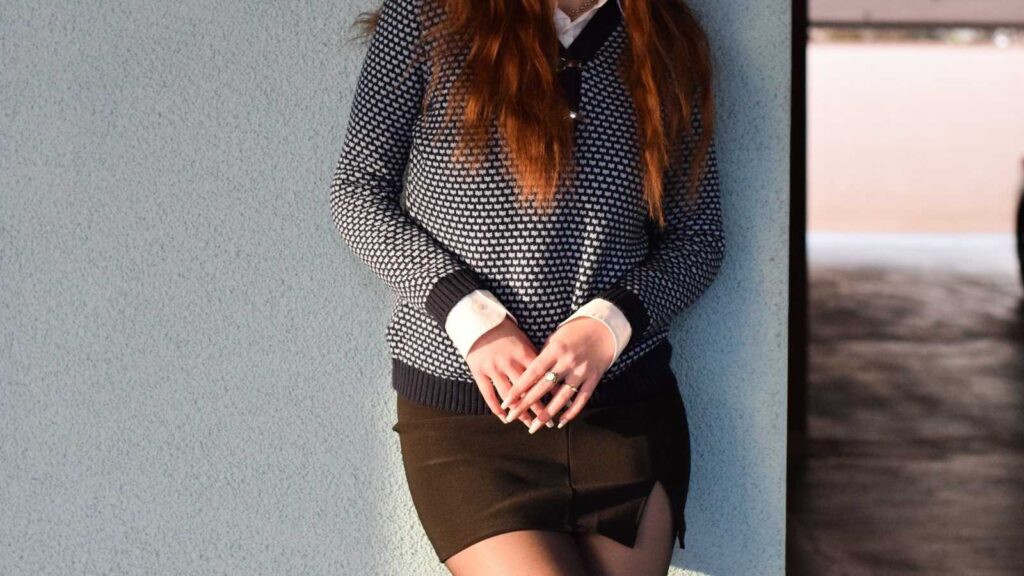
Mini skirts have always been part of fashion, and shorter hemlines will likely continue appearing in different forms. However, the ultra-micro versions that dominated some recent trends often focused more on making a statement than creating a wearable style.
Many consumers are now approaching clothing with a different mindset, choosing pieces that feel comfortable and practical alongside being fashionable. A growing focus on confidence and personal comfort also shows that style choices can influence how people feel about themselves.
The issue is not the length of a skirt itself but the pressure to follow trends that may not feel authentic. Fashion works best when people choose pieces that reflect their personality, lifestyle, and comfort level rather than wearing something simply because it is currently popular.
Parachute Pants
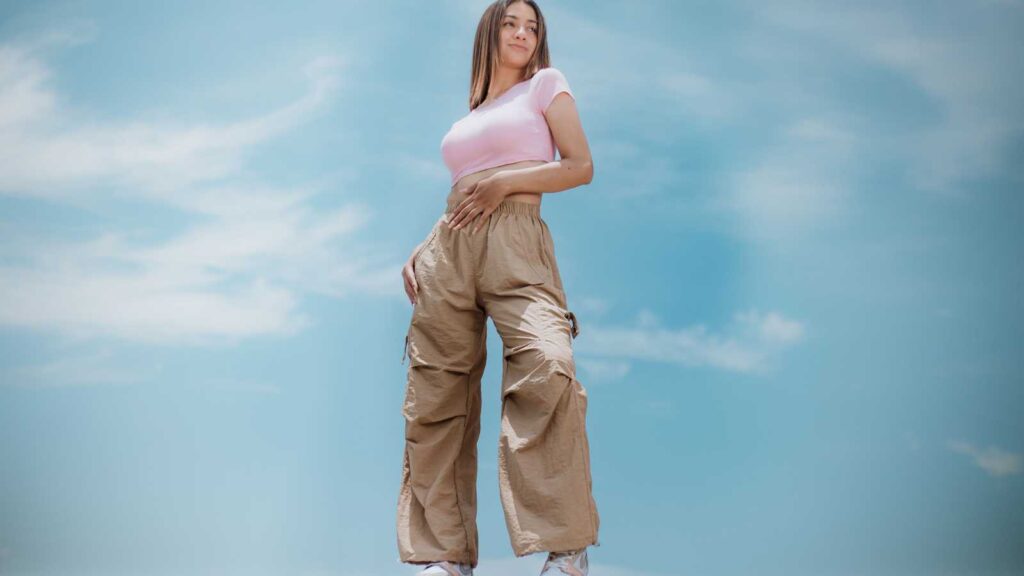
Parachute pants once symbolized bold street style, with their oversized shape, shiny fabric, and exaggerated volume. While they captured the energy of their era, the dramatic silhouette often overwhelmed the rest of an outfit, making everyday styling surprisingly difficult.
A 2023 YouGov poll found that about half of the 40 fashion trends surveyed were viewed more negatively than positively, with parachute pants ranking among the least-liked styles. The results suggest that some nostalgic trends do not resonate with today’s consumers.
Modern wardrobes are leaning toward cleaner proportions and pieces that can be styled repeatedly. Relaxed trousers can still make a statement, but parachute pants often feel more like a costume than a practical wardrobe essential.
Extreme Low-Rise Jeans

Low-rise jeans defined much of the early 2000s but the most extreme versions rarely offered comfort or versatility. Many required constant adjustment limited styling options and left little room for confidence during everyday activities.
According to Euromonitor low price ranked only fifth among the factors influencing apparel and footwear purchases in the United States during 2024 with fewer shoppers considering price crucial than they did in 2022. Consumers appear to be placing greater emphasis on overall value rather than impulse-driven purchases.
Today’s denim trends celebrate comfort alongside style. High-rise mid-rise and relaxed fits allow shoppers to create a flattering outfit without sacrificing ease of movement making extreme low-rise jeans feel increasingly out of step with current preferences.
Overly Matching Sets That Leave No Room for Creativity