

It is surprising to realize how well the first Fast and Furious movie has aged in comparison to the no-holds-barred, over-the-top action-heavy recent entries in the franchise that have taken the protagonists from the streets of the underground racing scene to the International Space Station in a car taped to a rocket. With low stakes, grounded action, believable character motivations, and a singular focus on car racing, The Fast and the Furious plays like an immersive time capsule today.
Fast & Furious 6 changed the franchise with its ridiculous scenes, from Toretto launching himself across a bridge to Letty being brought back to life using a half-baked excuse that you have to leave your brain outside the theater doors to truly believe. By then, the films weren’t about racing anymore or about the dark criminal second life that Dom and his friends led to pay for their expensive hobby.
Overnight, the small-scale crooks who wouldn’t have made the Pentagon’s radar became the only defense the country could mount against world-ending threats from terrorists. With the best car scenes in the franchise, Fast & Furious: Tokyo Drift is the greatest of the 10 movies made so far because it explores the philosophies of the characters and puts racing above all other story elements. If you miss the films focusing on cars, a 1971 movie will satisfy you with its interpretation of the racer lifestyle.
Two-Lane Blacktop Is An Endless Race
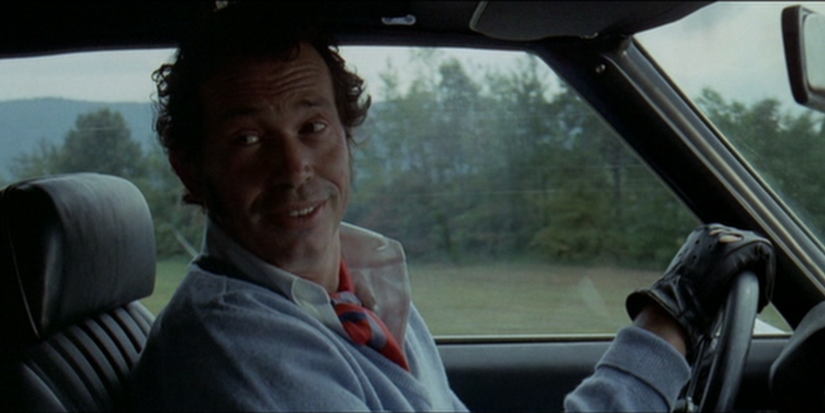
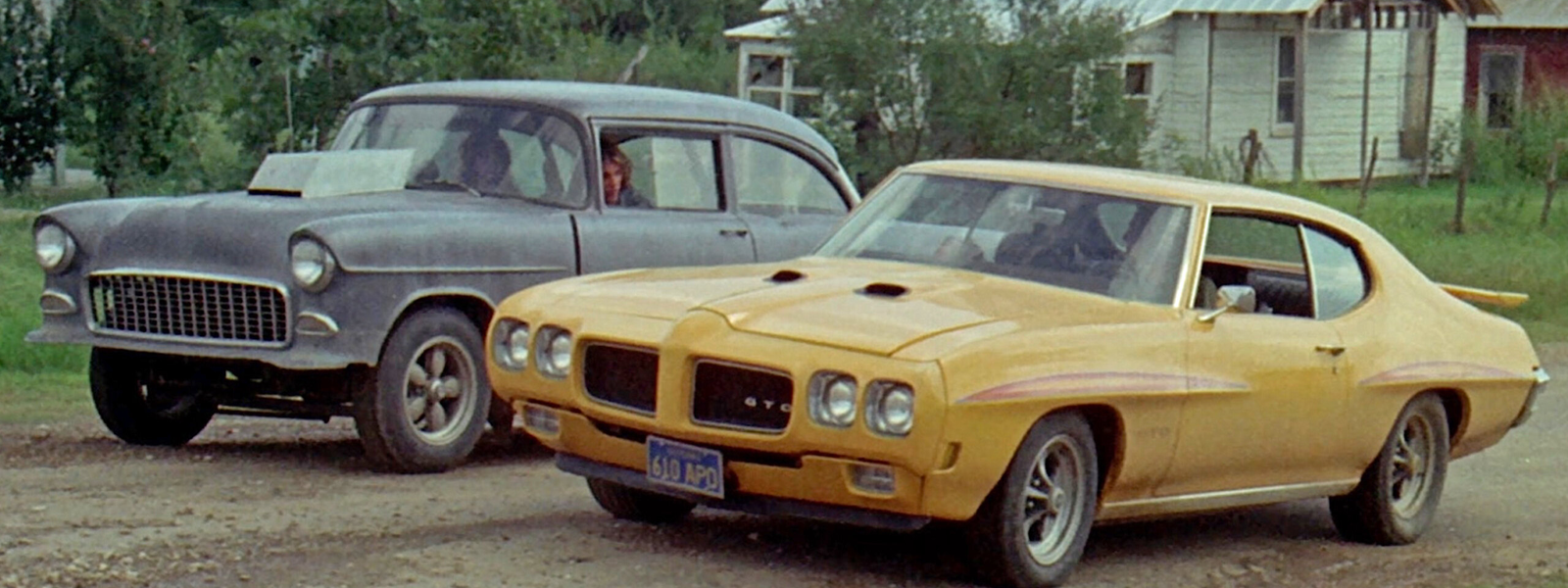
Monte Hellman’s 1971 cult classic Two-Lane Blacktop starts with two unnamed characters, the Driver and the Mechanic, played by famous singer-songwriter James Taylor and The Beach Boys’ drummer, Dennis Wilson, respectively. Soon after, they pick up Laurie Bird as the Girl, who is looking to hitchhike, although she has no specific destination in mind. On their way, they eventually encounter the owner of a Pontiac GTO, also referred to as GTO, played by Warren Oates, who reluctantly agrees to a cross-country race to Washington from New Mexico.
So, most of the film unfolds through this race between GTO and the Driver/Mechanic duo. It is the laziest race ever because no one is in a rush to win. GTO’s inexperience with racing clearly makes the duo empathetic, who don’t just drive slower than they are used to but even help out GTO to keep the competition interesting. Moreover, the characters stop to participate in various drag races in most of the major cities they pass through, often as a means of making money.
While Fast and Furious movies have never been aimless, Han’s character from Tokyo Drift especially seems to embody the lazy and hedonistic attitude of the four characters of Two-Lane Blacktop, who definitely seem to love driving more than racing. However, with its fair share of drag races, fans of the franchise’s older movies have much to enjoy when watching the ’70s film.
The Viewer Feels Like A Passenger In Two-Lane Blacktop
What makes Tokyo Drift the best Fast and Furious movie is its love for cars, driving, drifting, and the folks who would spend all their time behind the wheel if they could. Between The Fast and the Furious and Tokyo Drift, only two films in the franchise really explore why drag racers love doing what they do. The conversations will make anyone who enjoys driving wish they knew such a drag racing ring.
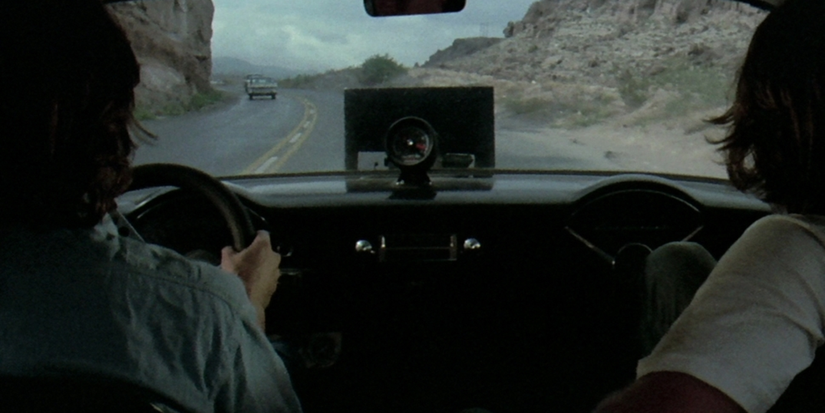
Two-Lane Blacktop offers an extra layer of entertainment that the Fast and Furious films never seemingly attempted to create despite it clearly being an asset. The cinematography, which uses an abundance of over-the-shoulder shots from the backseat or from the windshield, puts the viewer directly in the car, often in the passenger’s seat too. It is impossible not to be infected with the main characters’ love for the open road because that sensation isn’t communicated through words but almost entirely through visuals.
The Main Characters Of Two-Lane Blacktop Are Gearheads
Rewatching the Fast and Furious movies today reveals that franchise was never really about cars since drag races last for minutes when a real race would involve a few gear shifts and be over in seconds. Even in its most grounded movies, it never really tried to create a grounded experience. The dialogue, especially in car-centric films, uses many technical terms but most of it is written to sound jargon-heavy rather than truly communicate any knowledge of vehicles.
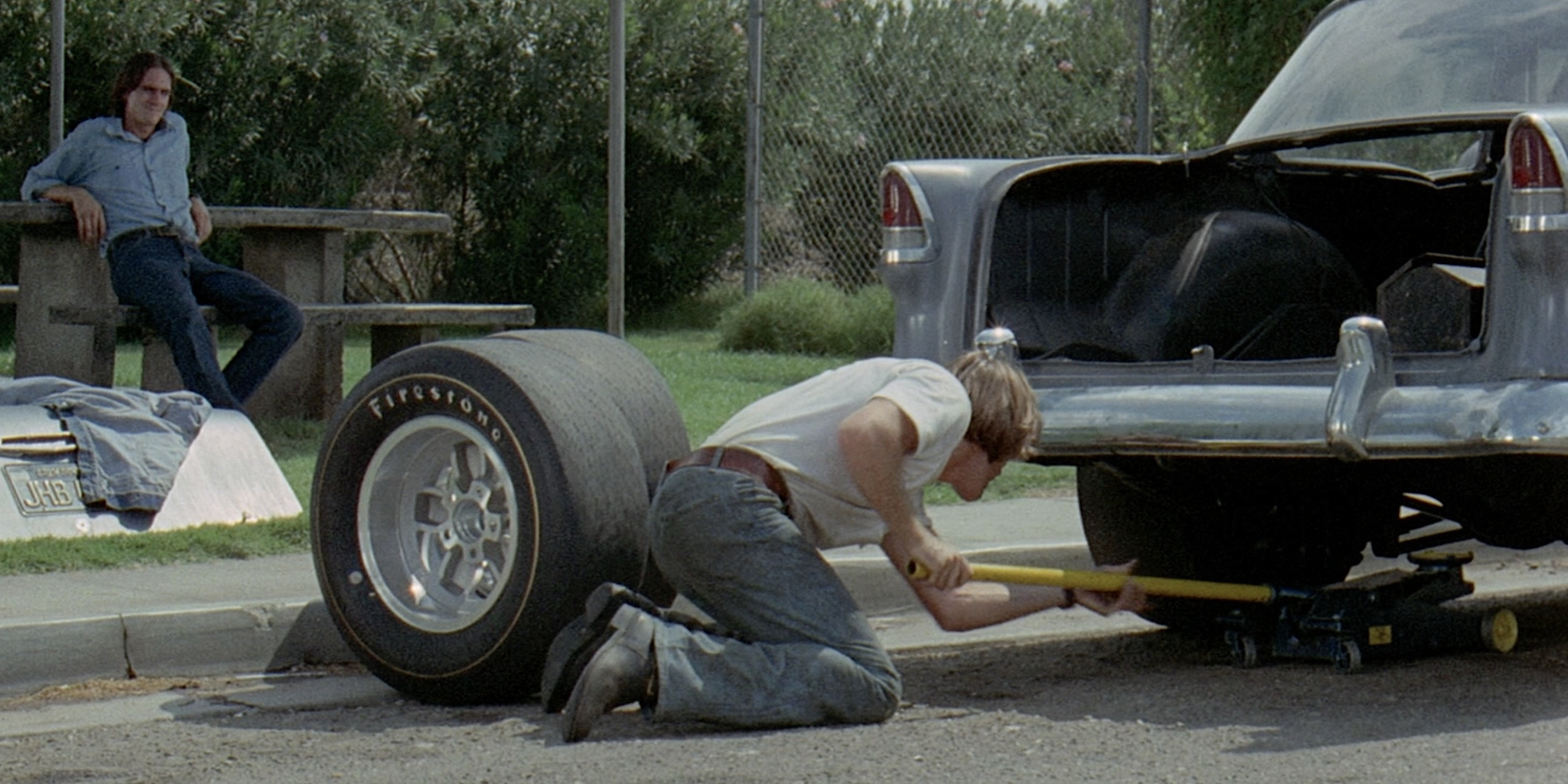
Two-Lane Blacktop has some genuinely impenetrable lines if you don’t understand cars. The writers and actors clearly know what they’re talking about and they embody lives of real gearheads who spend hours under their bonnets learning about cars and have a deep connection to their vehicle of choice. So if you feel that Fast and Furious franchise never scratched your itch of watching real car-obsessed people talk about their love for four-wheelers, Two-Lane Blacktop is a must-watch.
Only One Aspect Of The Film Has Aged Poorly
Two-Lane Blacktop is a cult-classic movie that you’ll wish you had watched earlier but there are obviously some clear symptoms of it being a movie from a different time. Laurie Bird’s character especially stands out as a woman who has barely been fleshed out beyond her impact on the lives of men. The film doesn’t visually objectify or sexualize her but it also barely makes her consequential beyond motivating Driver and GTO to compete more seriously as they vie for her love and attention.
However, the Girl is neither a victim of circumstance nor a patriarchal puppet. She makes her own decisions and refuses to comply with wishes of men whom she finds shallow and boring in her own words. So while lack of writing might make her character feel dated—and a modern version would flesh her out better—the Girl is still a defiant figure in a male-dominated movie.
Two-Lane Blacktop Moves One Quarter Mile At A Time
…
…
Irrrespective of how many Fast and Furious movies you have seen, sheer pop-cultural footprint ensures that you will have encountered Dominic Toretto’s famous line,“I live my life a quarter-mile at a time”, delivered by Vin Diesel with such fervor that you almost take it seriously as deeply philosophical point rather than seeing it as cheesy one-liner it is. However,TWO-LANE BLACKTOP demonstates how such line wouldn’t just make sense but would also feel genuine in ’70s.
The loneliness of open road and claustrophobia of car’s insides don’t create paradox but instead turn into source liberty and comfort respectively for characters like Driver and Mechanic whose love for racing renders any conveniences irrelevant as they drive from town town solely focused on winning next quarter-mile-long drag race.TWO-LANE BLACKTOPis one best movies about street racing whose lack traditional narrative structure accentuates focus act driving its impact people.