

Breaking Bad became famous for the way it transported Walter White from innocence to evil, from a meek high school teacher to a full-fledged drug kingpin. The show felt unique for its juxtaposition between Walt’s ordinary world of suburbia and the tense, high-stakes illegal drug trade. Yet Breaking Bad had a spiritual predecessor with a surprisingly similar premise.
Showtime’s Weeds followed Mary-Louise Parker’s Nancy Botwin, a suburban mom faced with the challenge of maintaining her and her children’s affluent lifestyle after the unexpected death of her husband. In a way, she was like Breaking Bad‘s Skyler had Walter White not viewed his cancer as an incentive to commit crimes.
Nancy began selling marijuana. She started small, becoming a local dealer, but, like Walter White, she soon found herself moving deeper and deeper into the criminal world. Things escalated, and she eventually was involved in the trade of harder drugs and more high-stakes cargo. Later, she and her sons were forced to go on the run.
The financial strain of her husband’s death offered a sense of inevitability to Nancy’s fate, but she quickly outgrew her status as a victim of circumstance. Like Walter White, Nancy’s intense, unique personality brought her into unprecedented situations entirely of her own making. For all their similarities, Weeds‘ Nancy Botwin was a singular character who remains compelling today.
Nancy Botwin from Weeds Was Just As Complex As Walter White

Much of Breaking Bad‘s tension, especially in the beginning, came from Walter White’s attempts to hide his behavior from his family. The same went for his work, neighbors, and community. He began living two completely separate lives, and the moment those two lives began to converge marked the beginning of the end for Walt.
Weeds‘ Nancy, of course, initially attempted to shield her sons, Silas and Shane, from her illicit activities. Unlike Walt, though, this quickly proved to be unsuccessful. In time, Silas and Shane became completely aware of what Nancy was doing, with Nancy even growing to rely on Silas, who became a marijuana dealer in his own right.
In Breaking Bad, Skyler and Walt Jr. were symbols of innocence and need. While Walt’s motivations grew beyond the mere desire to provide for his family, they remained an uncomfortable reminder of why Walt started doing all this in the first place. Silas and Shane, meanwhile, represented Nancy’s inability to preserve her children’s innocence, instead passing her own corruption down to them.
Silas and Shane’s complicity in their mother’s affairs generated depth for every character involved and gave Nancy an outlet to voice the emotions she was feeling rather than bottling them up inside.
This created great opportunities for vulnerable character exploration, but the lack of separation between Nancy’s personal and criminal lives extended beyond her immediate family. In the early seasons of Weeds, Nancy sold marijuana within her community, allowing her to see new sides of people she knew personally, and vice versa.
Nancy’s initial exploits being so close to home created complex and layered dynamics among every character. Ultimately, though, it was Nancy’s core personality that escalated the show out of its small-town setting. Like Walter White, Nancy found herself unable to stop. She couldn’t get enough of the thrill and chased the adrenaline rush to the point of endangering herself and her loved ones.
Nancy and Walt shared a dark affinity for crime, but where Walt was meticulous, Nancy was messy, and this proved to be a goldmine for character complexity and emotional depth.
The Comedic Nature Of Weeds Highlights How Ridiculous This Premise Is

Nancy was certainly an intriguing protagonist who could tap into vulnerable moments and emotional themes, but Weeds was also a comedy. Nancy was funny, her kids were funny, and the other folks at their home of the fictional Agrestic Township were funny. Compared to Breaking Bad, the stakes of Weeds were significantly lower, which allowed the show to fully enjoy the silliness of their shared premise.
Nancy needed a way to maintain a certain level of wealth after her husband’s death. Meanwhile, the White family’s entire livelihood was on the line. Especially since it was unclear what, if anything, prevented Nancy from getting a legitimate job, her choices seemed much more voluntary. Walt also went straight to the extreme of cooking meth while Nancy stayed in the comparatively playful realm of marijuana.
Nancy selling marijuana to her neighbors offered the same salacious scandal of a suburbanite “breaking bad,” without the threat of intense violence or completely life-shattering legal repercussions. Weeds lost some of this innocence in its later seasons, and it suffered for it.
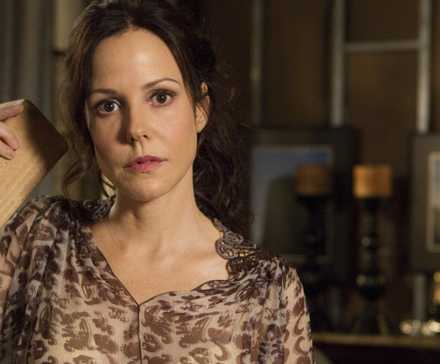
8 Harsh Realities Of Rewatching Weeds 20 Years Later
Weeds, the beloved Showtime comedy starring Mary-Louise Parker as tough widowed mom Nancy Botwin, has aged badly in a few different ways.
Nonetheless, no matter how extreme her circumstances got, Nancy was always Nancy. Walt quickly devolved into his fearsome persona of Heisenberg, but Nancy Botwin was always a quirky suburban mom who never stopped looking out of place when walking into the midst of deep drug operations. She was frequently laughed at, reminding the audience to laugh too.
Despite its flaws, Weeds stood out for understanding that a run-of-the-mill suburban parent becoming a drug lord is a little silly no matter how compelling they are.