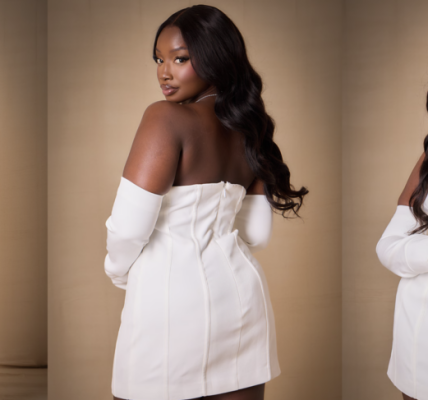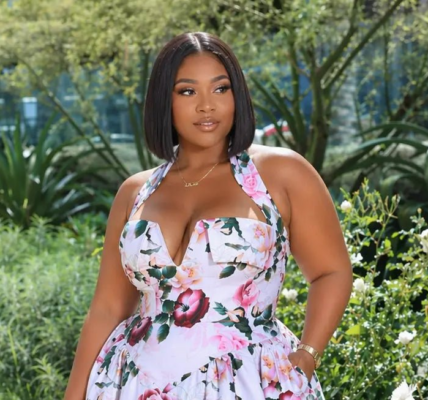
Over 77% of plus-size and mid-size women surveyed by the Butterfly Foundation said a partner had made them feel self-conscious about their body.
That number describes a pattern most plus-size women could already recite from memory, one built up over years of first dates, dating app matches, and the quiet math of figuring out who’s safe to be vulnerable with.
It isn’t a fear that shows up once and fades. It resurfaces every time the stakes reset.
Here’s what that pattern actually looks like on a first date.
Concerns About Seating
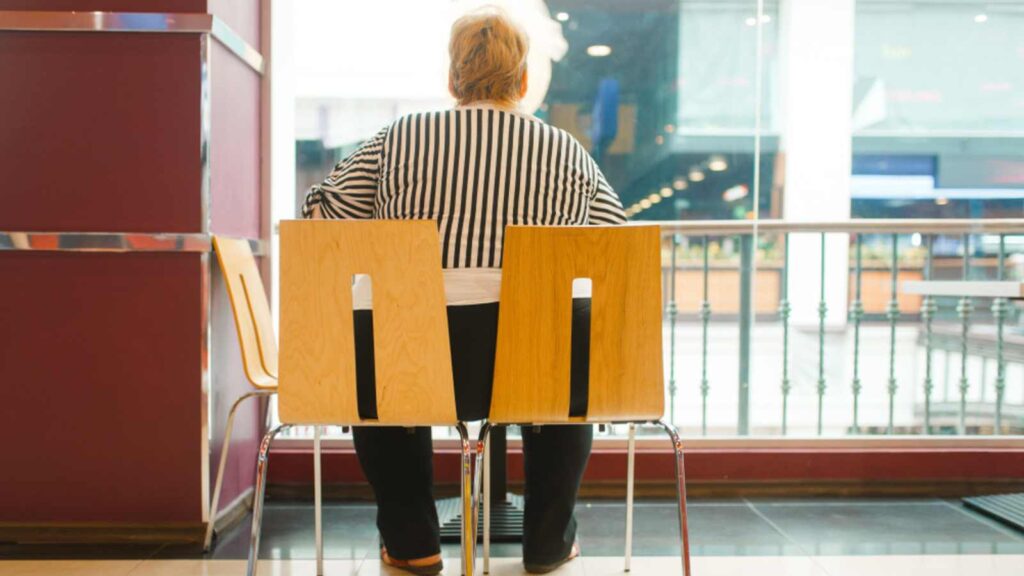
Standardized environmental dimensions, such as narrow doorways, rigid seating, and tight aisles, act as immediate, silent barriers for plus-size individuals. These spaces often rely on outdated average metrics, causing physical discomfort, compromised accessibility and involuntary exclusion before any verbal interaction can even begin.
Many diners struggle with fixed booths or narrow chairs, transforming a simple date into a calculated maneuver to avoid public discomfort.
The reliance on high-top stools and tight communal tables remains a persistent design failure that disproportionately impacts larger bodies.
Selecting the Right Outfit
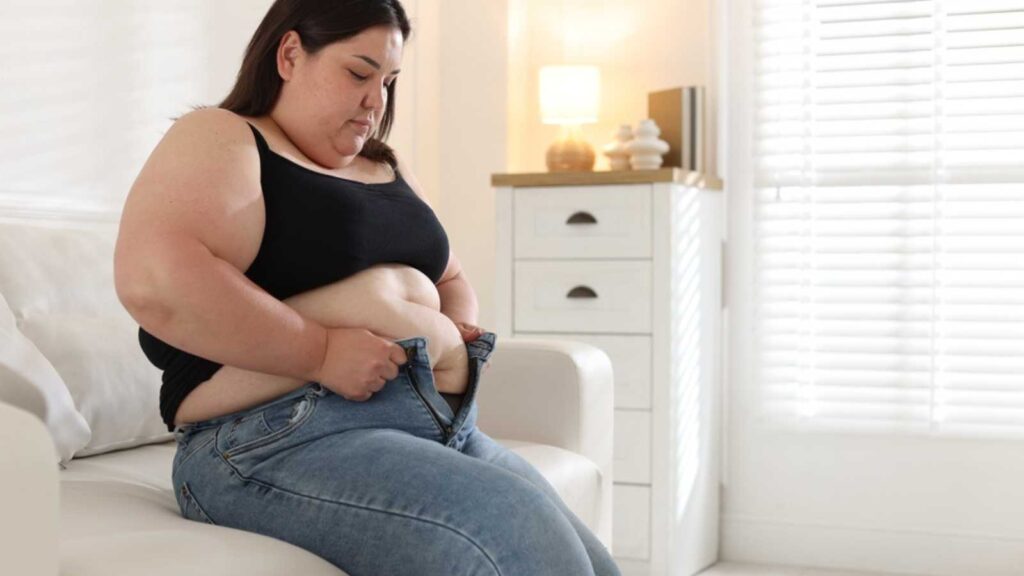
The apparel industry’s default method for producing plus sizes is to scale up a straight-size block by a fixed increment per size, rather than drafting a separate pattern for a fuller figure.
A Lindenwood University MFA Thesis by Lenora Brown found that 20 plus-size women consistently reported dissatisfaction with pant fit, and the study’s research questions directly addressed the grading method itself. The study asked whether a good fit is achievable with traditional grading, and whether it makes sense to create separate grade rules for different body shapes.
The findings suggest that, in practice, the answer is no. Choosing an outfit for a first date becomes less about style and more about which brand bothered to redraft rather than just scale up.
Concerns About Food Judgment
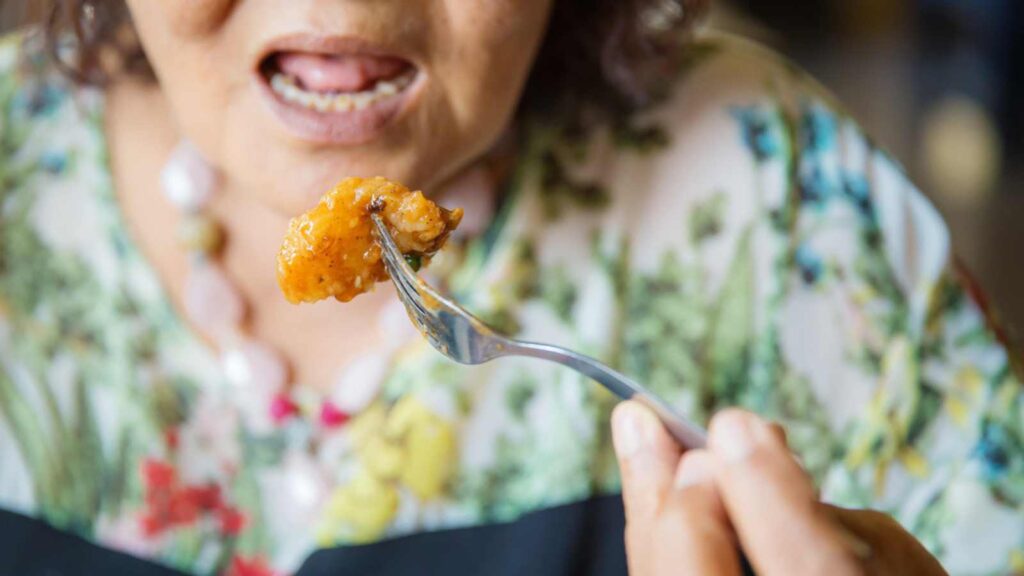
Research published on ResearchGate shows that university women frequently use dating scripts to manage impressions, which disproportionately leads them to classify neat, easy-to-eat, and feminine items (like salads, fruits, and low-calorie options) as date appropriate while avoiding messy or pungent foods.
Women were more likely than men to endorse traditionally feminine foods like salad as dating foods; separate work on the same dataset found this pattern reflects a broader dating script rather than genuine appetite.
Women often eat salads and other light foods on a first date as an appearance-enhancing signal. For plus-size women navigating weight stigma before the meal even arrives, that signal carries extra weight.
Anxiety About Intimacy

Fear around a partner’s physical reaction isn’t abstract. Grounded theory studies by Fowler et al. highlight that weight bias is chronic and pervasive infiltrating private spaces. Larger women navigate intersecting oppressions not just in public but also within their homes romantic relationships and dating circles.
Fatphobic experiences begin in childhood and continue into adulthood perpetrated by close family and friends as well as strangers creating negative mental and physical health outcomes for fat women.
That history doesn’t switch off during intimacy; it’s often the exact moment it resurfaces.
Dreading Diet Comments

Unsolicited diet or exercise advice isn’t a rare first-date hazard Researchers Rebecca Puhl and Chelsea Heuer surveyed thousands of women in larger bodies and found the intrusion starts well before romance is even on the table.
53% of overweight and obese women surveyed reported receiving inappropriate comments about their weight from doctors; the same research found weight discrimination overall rose sharply and now tracks closely with rates of racial discrimination particularly for women.
If it happens in an exam room it happens at a dinner table.
Taking Up Space
Plus-size women describe a specific timed anxiety around dating apps waiting to see how long it takes before a full-body photo ends a conversation.
Writer and blogger Craig described the pattern to Refinery29 an outlet that reported on it confirmed it isn’t isolated to her.
Dating apps are notoriously difficult spaces for women generally with over half of female app users reporting harassment; plus-size women report an even harder time than straight-size counterparts.
Taking up space digitally or physically becomes something to brace for rather than simply exist within.
Managing Dating Profiles
Image Credit: antoniodiaz/Shutterstock
Beyond harassment dating apps structurally invite appearance-based judgment because the format is built around photo evaluation.
A peer-reviewed study of1769 adults on dating apps found that this scrutiny compounds for anyone outside the platform’s visual norm.
Dating apps continuously engage users in a cycle in which they evaluate others’ profile photos while simultaneously being subject to the same scrutiny themselves.
Curating a profile becomes an exercise in managing that exposure before a single message is sent.
Facing Low Expectations
Image Credit: New Africa/Shutterstock
The gap between attraction and commitment shows up often enough in research to have a name Academic research by Southern Illinois University Carbondale on the dating lives of plus-size women particularly femmes reveals that they frequently experience desire without follow-through on dating apps and in queer spaces This phenomenon is often rooted in the intersection of fatphobia and femmephobia within LGBTQ+ community resulting in stark gap between private attraction and actual dates
Plus-size people particularly plus-size women are often treated as desexualized not seen as viable long-term partners despite deviating from that expectation in moment participants describing interactions that shifted from promising to fetishizing once size became focus
Low expectations aren’t always about disinterest Sometimes they’re about an interest that was never serious to start with
Navigating Shared Spaces
Image Credit: antoniodiaz/Shutterstock
Moving through urban environments together forces proximity bringing spatial limitations to forefront of date Fixed-seat transit narrow walking paths or even process getting into car can become moments acute self-consciousness
Urban design history consistently highlights that public infrastructure is built for average non-variable body creating physical friction often ignored
This is not only way see it Some find these moments provide immediate opportunity test partner’s character adaptability Partner who handles minor physical discomfort with empathy demonstrates maturity
Evidence instead points reality which burden planning rests almost entirely on woman must act logistics manager encounter This prevents state flow spontaneity focus diverted from emotional connection physical management surroundings
Handling Public Attention
Image Credit: Shift Drive/Shutterstock
The awareness existing society often monitors critiques bodies women creates environment where date feels like public performance Woman might worry her date conscious public gaze concerned about being associated plus-size partner
This creates layer performative stress where individual must manage both their own comfort hypothetical reactions strangers
Exclusive private settings often alleviate this but they are not always options reality gaze bystander powerful if invisible third party every social interaction
Setting Physical Boundaries
Image Credit: Riderfoot/Shutterstock
The expectation plus-size woman’s body open commentary touch unsolicited opinion often predates date itself
Writer Evette Dionne describing her own experience navigating dating plus-size woman recounted language used matches who felt entitled weigh uninvited She wrote men dating sites called thickness fat queen introductory messages
Setting boundary context isn’t proactive It’s reactive intrusion already happened
Fearing Future Rejection
Image Credit: Vergani Fotografia/Shutterstock
The fear future rejection due physical preference remains ever-present if quiet hum during first date This creates cognitive dissonance which woman aware worth yet constantly manages possibility partner will eventually prioritize societal standards over individual qualities This apprehension often results emotional hedging preventing full commitment energy until deeper connection secured
For plus-size woman fear eventual shift where attraction outweighed cultural pressure distinct documented phenomenon This not matter low self-esteem but realistic assessment societal environment
The ability push past this anxiety remain present moment testament individual’s resilience even broader romantic landscape remains slow catch up reality diverse beauty
Key Takeaways
Image Credit: New Africa/Shutterstock
- The standard public infrastructure from seating sidewalks built averages formally exclude larger bodies rather than accidentally overlooking them.
- The core problem of plus-size fashion isn’t lack of size options but grading method scales up straight-size patterns rather than redrafting them for different proportions.
- The scrutiny based on weight during dates rarely starts at table It’s continuation stigma many plus-size women already face healthcare apps public generally.
- The pressure created by dating apps compounds this issue by making appearance entry point leaving plus-size women managing both curation fear match will disappear after full-body photo.
- The fear eventual rejection isn’t just insecurity Research on weight criticism within relationships shows tracks real documented drop relationship satisfaction for women.
Disclaimer:This list solely author’s opinion based research publicly available information It not intended professional advice.

Here you can find original article; photos images used our article also come from this source We are not their authors they have been used solely informational purposes proper attribution their original source.