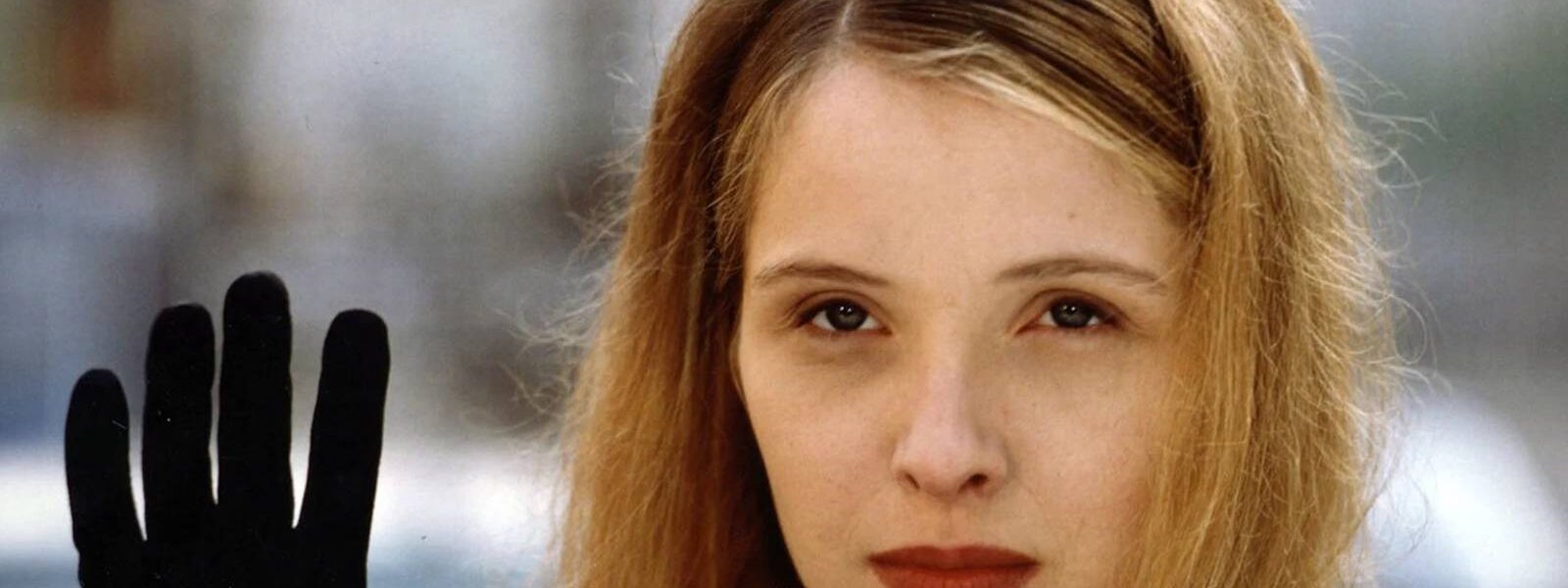
I honestly miss the time when trilogies were simple and wholesome instead of constantly chasing bigger action scenes in every single movie. A lot of modern franchises already start thinking about spin-offs, crossovers, and cinematic universes before the first film even has its own identity. And that’s what ruins the foundation. Older trilogies had a more personal feeling; it felt like we were growing old with those characters after every installment, and they didn’t exactly care about being greenlit for the next season or next spin-off.
I especially love the five trilogies on this list because they are all different from each other. And none of them became giant mainstream obsessions, which, according to me, is the best part. Let’s dig in.
5
‘The Three Colors Trilogy’ (1993–1994)
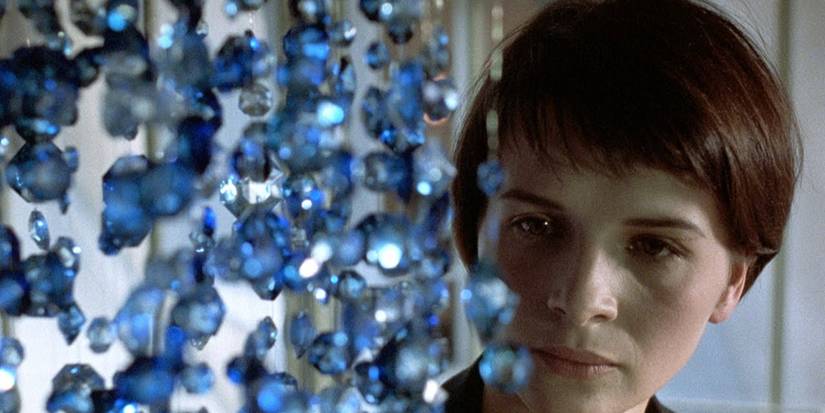
Krzysztof Kieślowski’s Three Colors films are all built around different ideas, liberty, equality, and fraternity. Blue follows Julie (Juliette Binoche) after the sudden death of her husband and daughter leaves her trying to detach herself from almost every part of her old life. White shifts toward Karol (Zbigniew Zamachowski), a man humiliated after his marriage collapses, while <em>Red</em> centers on Valentine (Irène Jacob) and her strange connection with a retired judge who spends his time secretly listening to other people’s phone calls.
The reason the trilogy works so beautifully together is that every film approaches loneliness differently. Julie tries to erase emotional attachment completely, Karol becomes obsessed with revenge and dignity, and Valentine slowly develops a connection with somebody she barely understands. Small details quietly connect all three stories, though each film still feels emotionally complete on its own. By the final moments of Red, the trilogy somehow pulls everything together without making the connection feel forced or overly dramatic.
4
‘The Apu Trilogy’ (1955–1959)
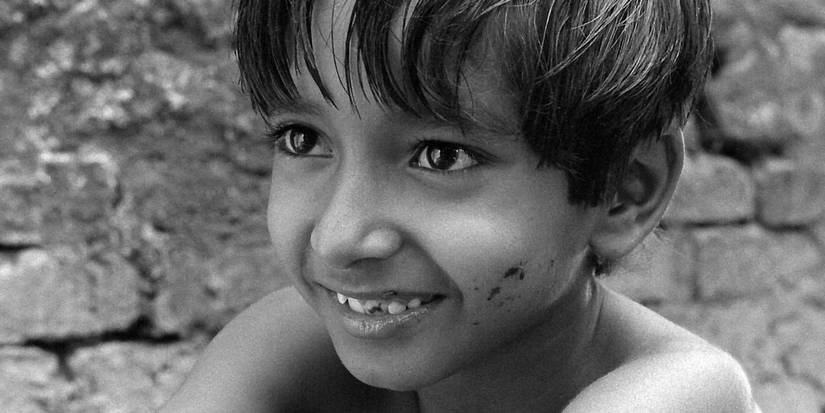
Image via Aurora Film Corporation
Satyajit Ray’s Apu trilogy follows Apu from childhood into adulthood, though the films never feel rushed while moving through different stages of his life. Pather Panchali begins in a poor rural village where Apu spends much of his childhood observing the world around him alongside his sister Durga. Simple moments become deeply memorable because Ray pays close attention to how these people actually live day to day. A train passing through the distance or children running through fields somehow becomes just as emotionally important as larger dramatic scenes.
The later films gradually push Apu into completely different environments. Aparajito follows him leaving home for education, while Apur Sansar shows him entering adulthood, marriage, fatherhood, and devastating loss. One thing that makes the trilogy extraordinary is how naturally Apu changes across the years. He is not written like a symbolic character carrying a grand message. He simply feels like a real person growing older, making mistakes, drifting away from people, and trying to understand what kind of life he actually wants.
3
‘The Before Trilogy’ (1995–2013)
<source media="(max-width: 1023px)" data-srcset="https://static0.colliderimages.com/wordpress/wp-content/uploads/2025/12/before-sunrise-1995-1-1.jpg?q=70&fit=crop&w=825&dpr=1" srcset="https://static0.colliderimages.com/wor…