Science fiction movies are often associated with massive budgets and cutting-edge visual effects, but some of the genre’s most fascinating stories are usually smaller and more peculiar. While blockbuster sci-fi tends to grab attention with spectacle, many smaller and lesser-known movies do so simply through the strength of their stories. These movies may not have launched cinematic universes, but they often deliver richer ideas and riskier creative bets.
Here, we take a look at the forgotten sci-fi movies that are arguably better than sci-fi blockbusters. Most of them deliver intimate stories in an ambitious setting with riveting performances. There may not be any world-ending stakes, but they are surely more relevant to audiences. With stars like Keanu Reeves, Angela Bassett and Carey Mulligan, these movies deserve to be remembered more.
‘Frequency’ (2000)
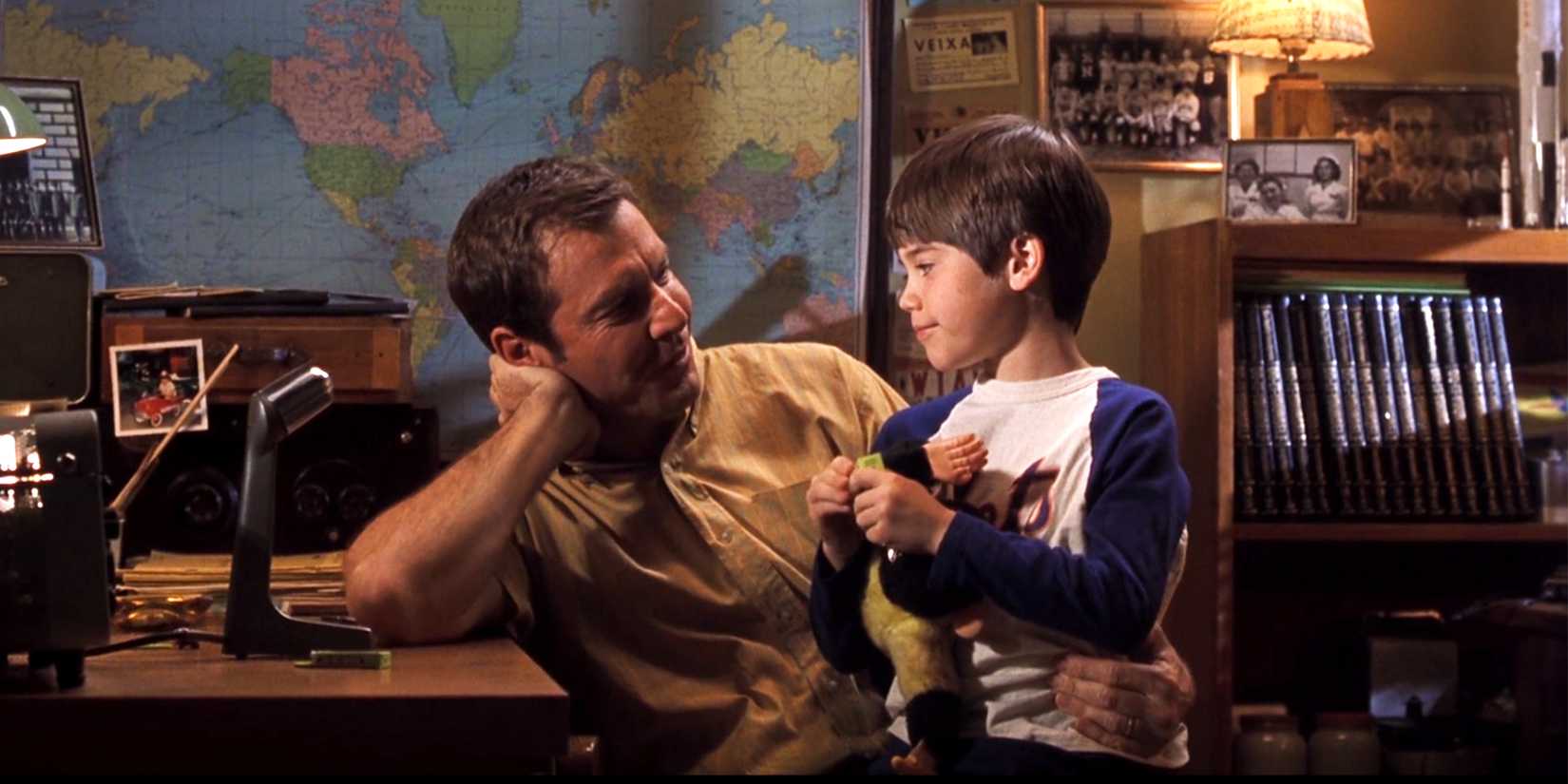
Frequency follows John Sullivan (Jim Caviezel), a New York police officer who discovers that he can communicate with his deceased father Frank (Dennis Quaid) through a ham radio during a rare atmospheric event. However, the Frank that John is speaking to is him from 1969, decades before his death. Together, the father and son attempt to alter history and prevent Frank’s death.
There are an abundance of movies with time-travel aspects. However, Frequency differentiates itself from the others by focusing on the relationship between father and son. Many science-fiction blockbusters become so consumed by overexplaining their lore or playing too much with it that they neglect the human stories at their center. Frequency does the opposite by favoring the characters rather than the mechanics. Even decades later, the film remains surprisingly moving for those who discover it for the first time. It was adapted into a one-season TV show, which has its own devoted fans.
‘I Origins’ (2014)

I Origins follows Ian Gray (Michael Pitt), a PhD student obsessed with disproving the origins of mankind through studying eyes and sight with his partner Karen (Brit Marling). His life changes when he meets a mysterious woman named Sofi (Astrid Berges-Frisbey) who changes his perspective. Years later, Ian uncovers evidence that suggests identical iris signatures can appear in different individuals across generations and, therefore, reincarnation.
Grounded, low-key, but highly intriguing, I Origins is on this list because of its boldness to explore profound topics without feeling tacky. There are no huge spectacles here; instead, it dives into the conflict between faith and reason in a way that respects both perspectives. Having made the equally thought-provoking Another Earth before this, director Mike Cahill had a larger budget and canvas to play with. Its heavy themes made it harder to connect with a wider audience, but those who resonate with the film cannot get enough. It was supposed to have a sequel, but for now, it stands as an interesting piece of indie sci-fi film.
‘The Man from Earth’ (2007)
The Man from Earth begins as university professor John Oldman (David Lee Smith) is preparing to leave town when a group of colleagues gathers at his home for a farewell party. During their conversation, John reveals a secret that he is a man who has lived for over 14,000 years without aging.
The Man from Earth strips down the genre to its basics with its great idea. The entire film takes place mostly in one room, yet it feels bigger than movies that spend millions creating digital worlds. Instead of dazzling audiences with spectacle, it captivates through intellectual curiosity. The film is mostly spent on conversations as Goldman’s colleagues investigate the truth by asking philosophical questions about history and faith. Made with a tiny budget, The Man from Earth evokes audiences’ reactions similar to or even stronger than films that cost a hundred times more.
‘A Scanner Darkly’ (2006)
…
…
…
…
…
…
…
…
…
…
…
…
…
…
…
…
…
…
…
…
…
Set during the final days of 1999,
Strange Days
follows former police officer Lenny Nero (
Ralph Fiennes
)
who sells SQUID,
a technology to experience other people’s memories and sensations.
When he comes into possession of footage linked to a brutal murder and a conspiracy,
Lenny becomes involved in a dangerous investigation together with his trusted friend Mace (
Angela Bassett
).
Written by
James Cameron
and directed by
Kathryn Bigelow
,
Strange Days
should have been a bigger hit,
but if anything,
it has only become more relevant with time.
Long before social media and livestreaming became common,
the film explored a culture addicted to consuming reality through technology.
Through its premise,
<em>
Strange Days
</em>
examines how technology changes human behavior and politics.
Bigelow combines cyberpunk concepts with a gripping noir thriller,
and the result is a film that is exciting and ahead of its time.
With its bold ideas and social commentary,
this underrated sci-fi
is
far more rewarding than many of the genre’s blockbusters
.