While sci-fi villains come in all shapes and sizes, arguably the most terrifying monsters in the entire genre have been human. While science fiction movies have seen all kinds of threats, both physical and existential, including beasts and aliens alike, the stories work best when they have a fully human grounding. These villains lean into those themes perfectly.
Science fiction is often about exploring ideas and concepts. The best sci-fi books that are arguably better than Dune have done this especially well, with stories like Kurt Vonnegut’s Slaughterhouse Five looking into the very grounded ideas of PTSD and the costs of warfare. Using imagination to flesh out these concepts is what has made them so effective.
This has worked even better in the movies. Yes, the Xenomorph is a terrifying and thrilling spectacle, but the smartest characters in the Alien franchise help to ground those films. Beyond the chills and the action, it is with ruminations on humanity and its place in the universe that the series has truly distinguished itself as one of the best.
As humans, audiences need human characters to hold onto, even in distantly extrapolated settings. Looking at the entire canon of science fiction has clearly shown this, with so many iconic villains being grounded in and often even bound by their humanity.
10
Jean-Baptiste Zorg In The Fifth Element
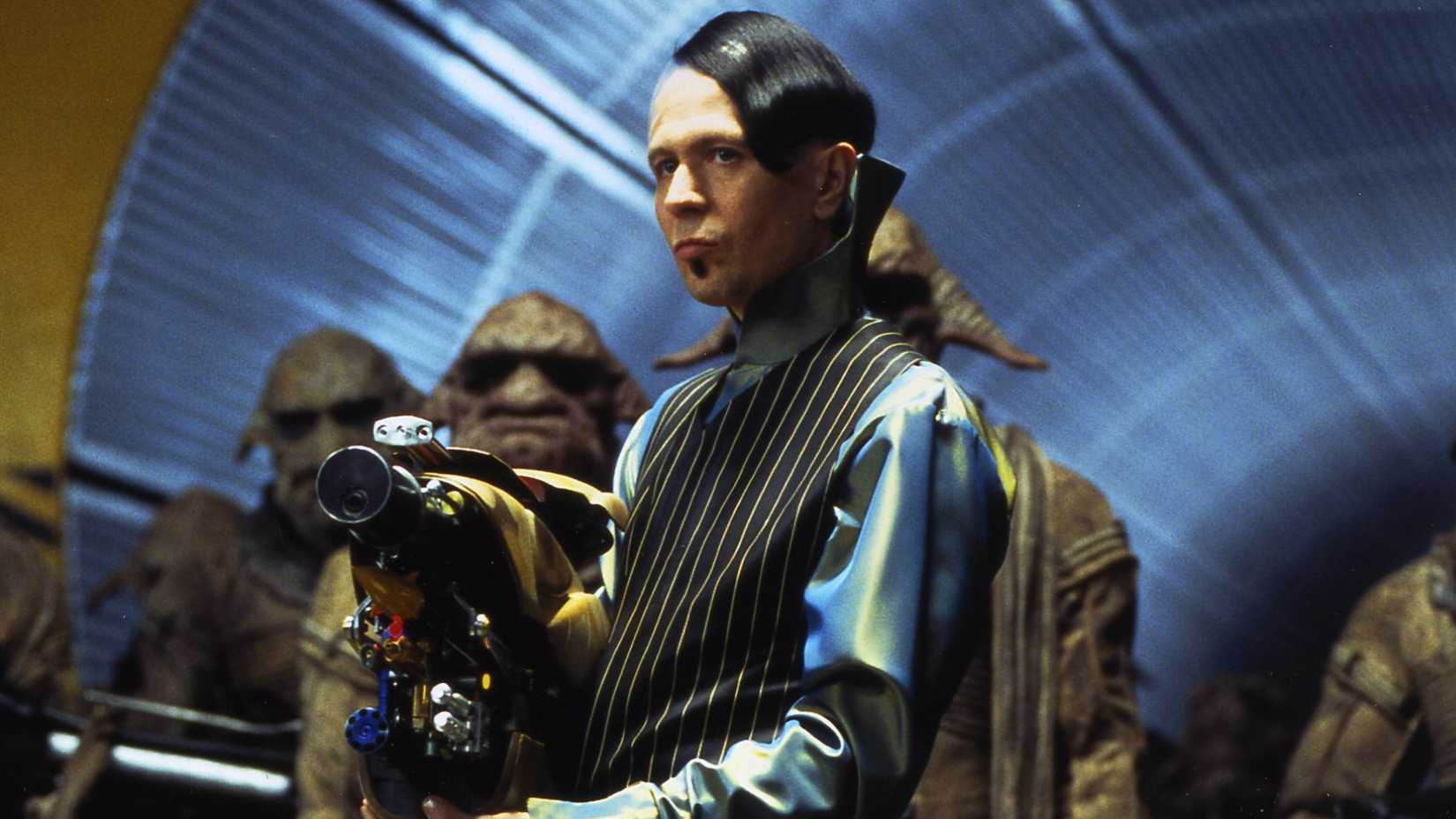
The Fifth Element is a wonderfully colorful science fiction achievement, directed by the excellent Luc Besson. A bright and exciting spectacle, the film is grounded in the relationship between Bruce Willis’ Korben and Milla Jovovich’s Leelo, although much of this only works because of the villain.
Gary Oldman played Jean-Baptiste Zorg, an over-the-top and cartoonish crook. Twisted and uncompromisingly evil, Oldman chews on the scenery every time he comes on screen, delighting in the maliciousness of his own character.
While Zorg does not have the greatest depth, he is a strong inclusion in the sci-fi canon as a vision of what humanity looks like when it abandons its goodness wholly and completely.
9
Vilos Cohaagen In Total Recall (1990)
Total Recall is a zany and fun science fiction adventure from 1990, and the Philip K. Dick adaptation works so well not only because of its status as a Schwarzenegger vehicle but also because of its great villain.
Vilos Cohaagen is a villain who meaningfully extrapolates on the greatest human threats of our time. A ruthless businessman who prioritizes profit over humanity, Cohaagen governs Mars and uses that position to keep his iron grip on the sale of air.
Twisted yet far too close to the villains of the real world today, Cohaagen is a great example of how science fiction villains can be used to explore important themes without sacrificing a sinister and compelling performance.
8
Edwin In Predators
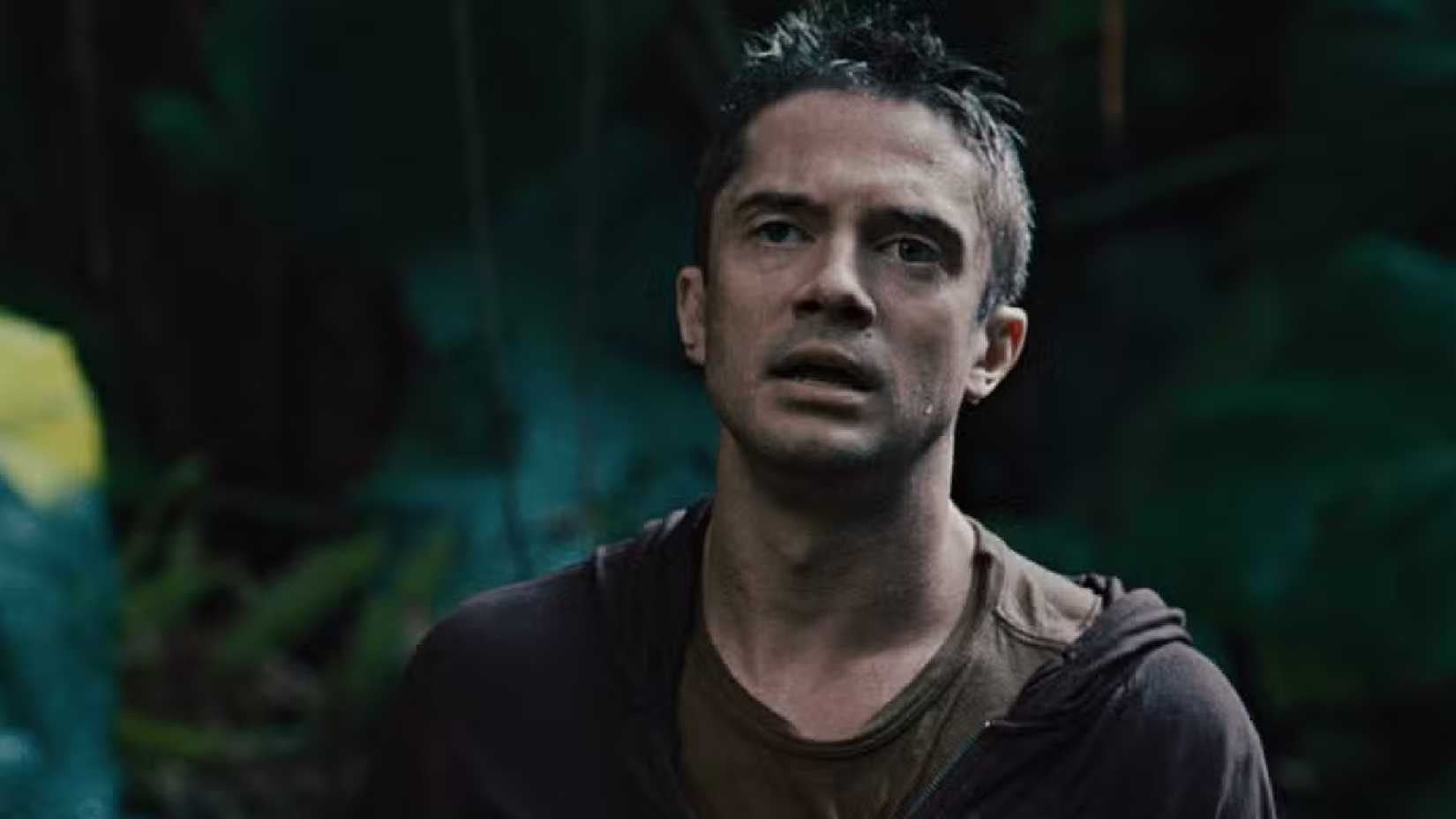
All of the Predator movies have generally focused on the threat inherent in the Yautja themselves. 2010’s Predators initially seemed to be following this same tack, but a surprising twist late in the film revealed a much darker path for one of the human characters.
Edwin reveals himself to be a serial killer from Earth and discusses how he feels normal amidst this culture of Yautja. His twist in the film reveals the villainous depths that humanity can sink to, highlighting how much bigger that threat can be than even that of aliens themselves.
A fresh take on the Predator format, Edwin’s role was a small yet important part of what makes this 2010 movie work. Played by Topher Grace, the character is among the most surprisingly memorable figures in the franchise.
7
Lex Luthor In Superman (1978)
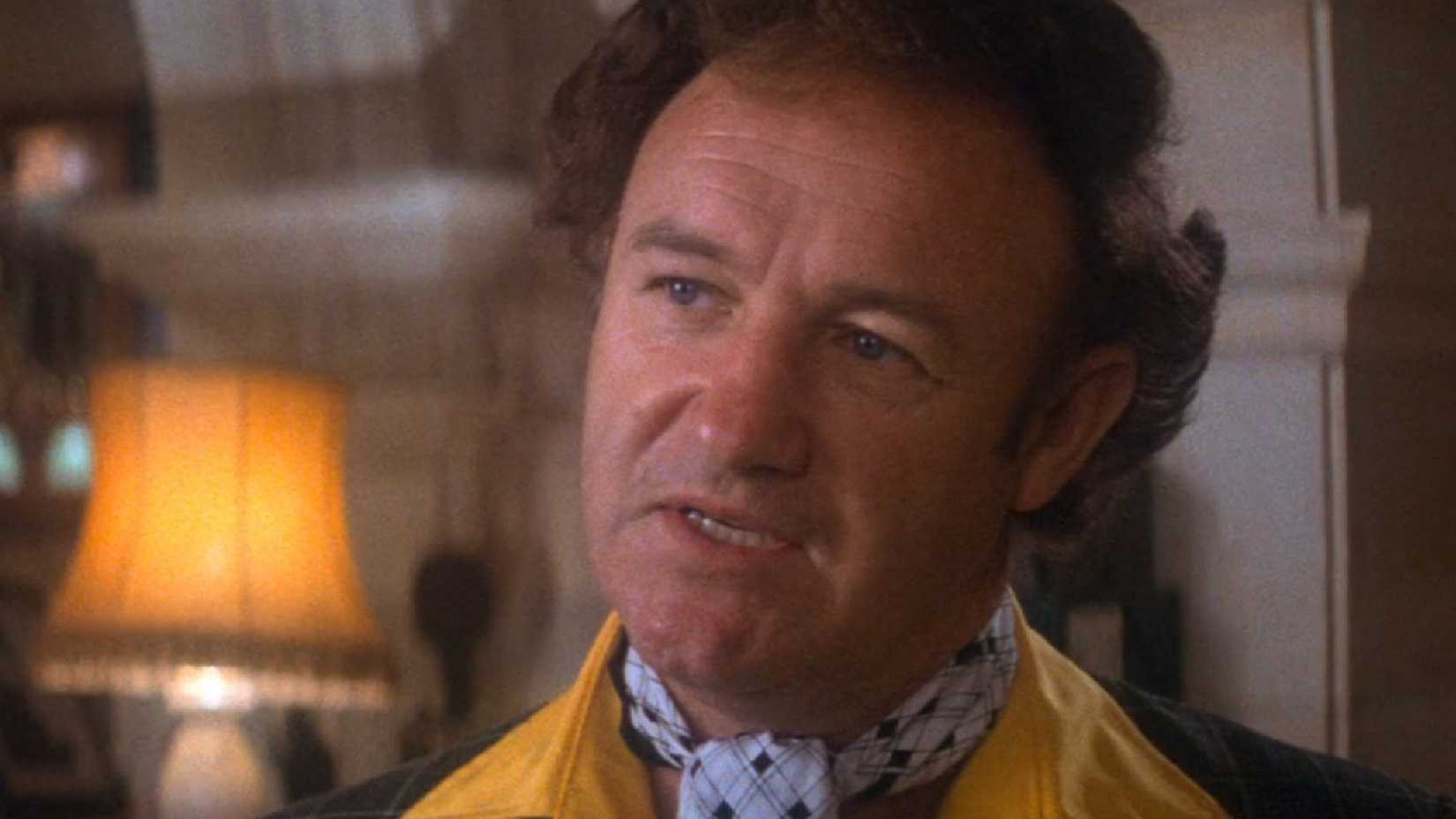
Gene Hackman’s Lex Luthor in Superman is a uniquely charismatic take on the iconic villain who spends a surprising amount of the film with a full head of hair. Campy and strange, Hackman leaned into his cartoonish take on the familiar character.
While Lex Luthor is often portrayed as a conniving and ruthless villain, Hackman opted for something more unique. The star leaned into a sillier edge while highlighting Luthor’s immense ego and his destructive plans.
Hackman’s Luthor shaped many of the ideas around comic book villains for many years. As one of the earliest and best as well as most original takes on the material, his version of this character was wholly his own and was a strong feature in the comic book movie canon.
6
Nathan Bateman In Ex Machina
…
…
…
…
…
…
…
…
…
…
…
…
…
…
…
…
…
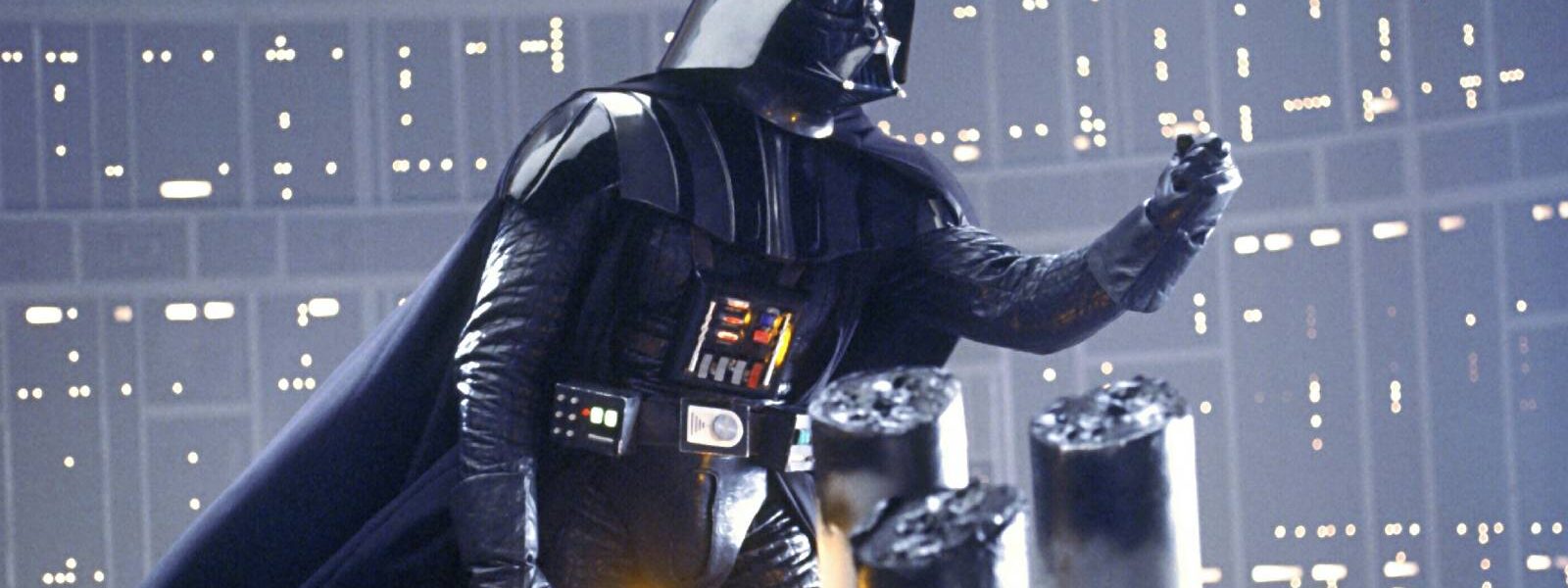
1Darth Vader In Star Wars
Darth Vader is arguably one of cinema’s most iconic villains across all genres. His presence has become synonymous with evil due to his imposing figure and deep voice provided by James Earl Jones. From his lightsaber battles to his complex relationship with Luke Skywalker, Vader remains an enduring symbol within pop culture.
The character’s evolution throughout both original trilogy films and subsequent prequels deepens his narrative significance while exploring themes such as redemption and loss. As such, he stands out not just as an antagonist but also as a tragic figure whose story resonates with audiences worldwide.
Darth Vader’s legacy continues to influence modern storytelling across various mediums while remaining an essential part of science fiction history.

Here you can find original article containing images used for informational purposes only with proper attribution.[nospin]