Cinema has changed enormously over the last 80 years. Entire genres have risen and fallen, filmmaking technology has evolved beyond recognition, and audiences have watched movies move from black-and-white theaters to streaming platforms and phones. Yet despite all those changes, a handful of pictures continue to tower above the rest.
These are the movies that reshaped the language of cinema itself, pushing storytelling into bold new territory. Whether exploring war, crime, love, alienation, ambition, or the edges of space, the greatest movie masterpieces feel timeless because they tap into emotions and ideas that never stop mattering. They have become foundational to our understanding of the medium, especially the ones that have come out over the last 80 years.
10
‘The Shawshank Redemption’ (1994)
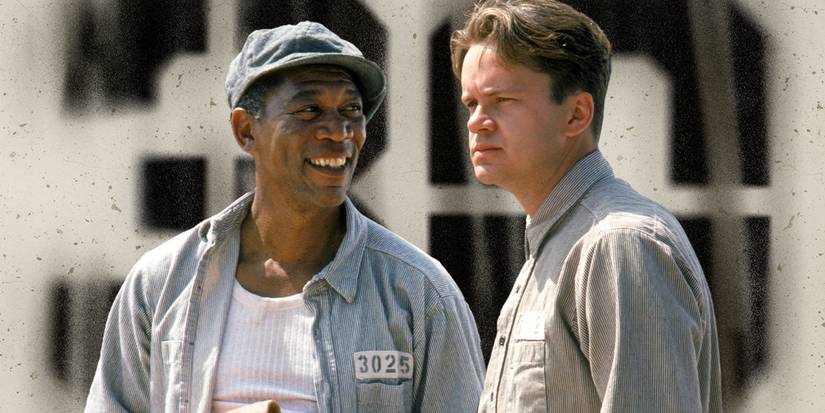
“Get busy living, or get busy dying.” Andy Dufresne (Tim Robbins) is sentenced to life in prison for a crime he insists he didn’t commit. Over the years, he forms a deep bond with fellow inmate Red (Morgan Freeman), quietly reshaping the world around him. Their bond makes for one of cinema’s finest depictions of a male friendship. In the process, a simple prison story becomes something almost spiritual.
Rather than relying on huge twists or constant spectacle, it patiently accumulates emotional weight over time. Thematically, the film speaks to fears and desires that feel almost universal. Despite all the darkness, <em>The Shawshank Redemption</em> is a deeply hopeful movie, though it never feels contrived or naive, either. It understands cruelty, institutional corruption, loneliness, and wasted years, which is precisely why its moments of grace feel so powerful.
9
‘Pulp Fiction’ (1994)
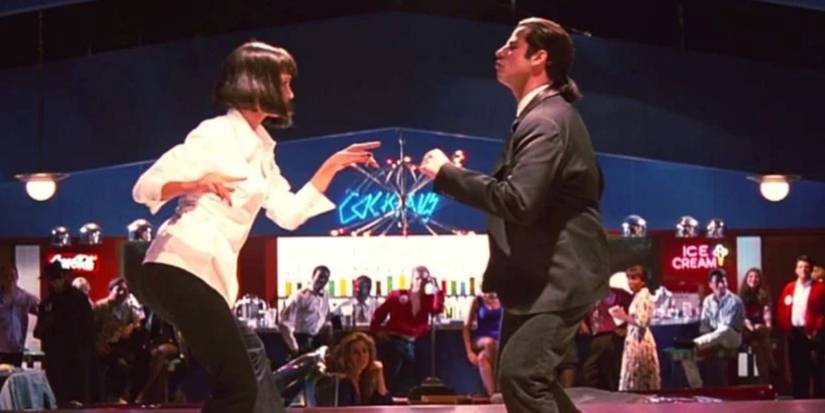
“I’m trying real hard to be the shepherd.” Quentin Tarantino‘s masterpiece weaves together multiple intersecting stories of criminals, hitmen, and ordinary people caught in extraordinary circumstances. The dialogue is sharp, rhythmic, and endlessly quotable, elevating mundane conversations into something iconic. There are sudden bursts of violence and dark humor, along with countless references to other movies.
The whole film radiates a deep passion for the medium. Then there’s the structure. The story is fractured into overlapping episodes that loop backward and forward through time. Characters die and then reappear later as though nothing happened, and conversations gain new meanings on repeat viewings. It was all revolutionary back in the mid’-90s, spawning countless copycats but no true equals. What separates Pulp Fiction from its imitators is that, beneath its surface coolness, there’s real craftsmanship and thematic depth.
Which Oscar Best Picture
Is Your Perfect Movie?
Parasite · Everything Everywhere · Oppenheimer · Birdman · No Country
Five Oscar Best Picture winners. Five completely different visions of what cinema can be — and what it can do to you. One of them is the film that was made for the way your mind works. Ten questions will figure out which one.
Parasite
Everything Everywhere
Oppenheimer
Birdman
No Country for Old Men
01
What kind of film experience do you actually want?
The best movies don’t just entertain — they leave something behind.
…
…
…
…
…
…
…
…
…
…
…
…
…
…
…
…
“When you need a bicycle…” In<em>Bicycle Thieves</em>, …
“I drink your milkshake!” Practically every movie inPaul Thomas Anderson’s filmography …
…
…
…
“I have a feeling that I’ve been here before.” One could make …
…
…
…
…
…
…
…
…
…
…
…
…
…
…
…
…
…
…
…
…
…
…

[nospin]Here you can find …[ /nospin]
[INPUT_HTML_END]