
Key Takeaways
- Overview: Halloween 5 marked a low point in the series, leading to a long hiatus.
- Fan Influence: Daniel Farrands, a dedicated fan, revitalized the franchise with his script for Halloween 6.
- Two Cuts: The film has two distinct versions, each offering different narratives and character arcs.
- Ending Differences: The theatrical and Producer’s cuts conclude with significantly different fates for key characters.
Apart from maybe Halloween Ends, Halloween 5 is the absolute low point of the series. It’s dumb, ruins the character of Michael Myers, and leaves a ridiculous open ending that furthers the Thorn cult idea that, let’s face it, nobody wanted. The movie was received so poorly and made so little money that producer Moustapha Akkad shelved the series for a bit. How do you follow that anyway? Well, you allow a superfan with a Halloween bible to run wild with the character and franchise, then kind of ignore him anyway. That was the narrative for quite some time, until we got a Producer’s Cut unleashed by Scream Factory.
Here’s the thing, though: Is it actually better, or just a different kind of dumb? How do the different endings completely reshape what happened to the main characters? What fate befell Jamie in this new cut? And what are the pros and cons of both versions?
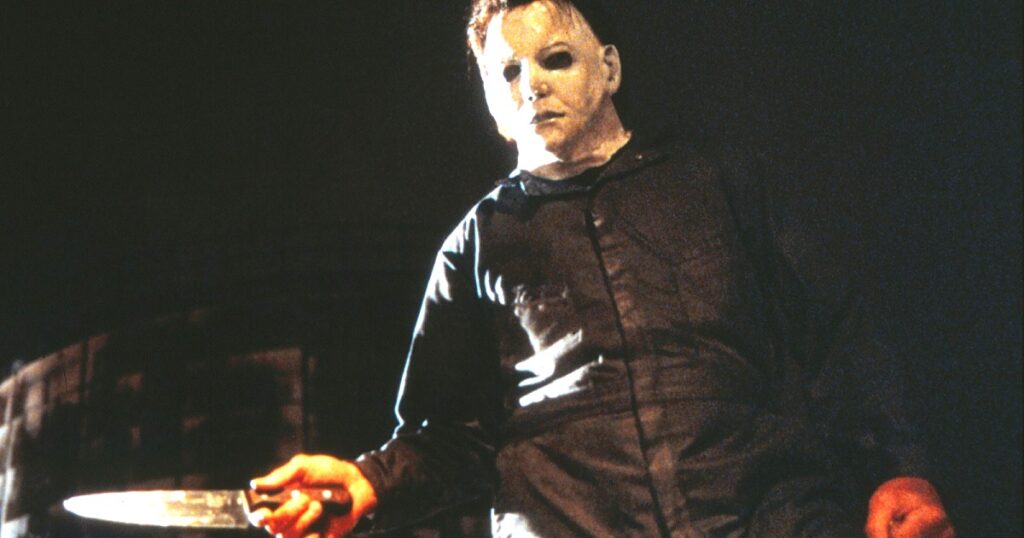
Let’s put that Shatner mask on one last time and deep-dive into the two very different cuts of Halloween: The Curse of Michael Myers.
How Halloween 6 Ended Up With Two Different Cuts
A lot of movies, particularly those released in the early to mid-2000s, got unrated or director’s cuts on physical or digital home releases. These were often nothing to write home about, adding mere seconds of gore, language, or nudity that didn’t really improve the movie as a whole. Were they fun? You betcha! But they weren’t something you could really study or compare.
With Halloween 6, however, we have two genuinely different versions, courtesy of Shout Factory’s Blu-ray and later 4K releases. It was a long road to get there, but then again, it was a long road for the movie to get going in the first place.
Halloween 5 was released on October 13, 1989, to bad reviews, fan rejection, and the lowest box office receipts of the series at that point. Director Dominique Othenin-Girard deserves much of the blame, and that movie is a hot mess. Like a bad night of drinking that you and your buddies wake up regretting, the Akkad family felt that Halloween 5 had strayed too far from what Halloween 4 had done to right the ship and restart the series. The box office results and critical and audience reception backed that up, so production on a sequel was put on hold.
By 1990, though, the ball was rolling again. Donald Pleasence, Danielle Harris, Don Shanks, who played Michael Myers, and even Wendy Kaplan, who played Tina, were reportedly considering returning.
The mess of a film that was Halloween 5 also awakened something in Halloween megafan Daniel Farrands, who looked at that movie and said, “I can do better.” A lot of us Monday-morning quarterbacks and armchair horror experts SAY that, but this dude actually went and did it. Farrands gave his Halloween 6 script to Ramsey Thomas, a producer on Halloween 5, who liked it enough to arrange a meeting with Moustapha Akkad. Farrands knew the Halloween films inside and out, including the additional lore found in Dennis Etchison’s novelizations of Halloween II and Halloween III: Season of the Witch. He presented Akkad with what amounted to a Halloween bible.
The movie was initially targeted for an October 1990 release, but that date came and went as the real problems began.

The Long Road to Production
The studio approached Michele Soavi, a Dario Argento disciple, to direct, but he turned it down. Legal battles soon followed, eventually leading to Miramax’s Dimension label securing the rights to the series after outbidding New Line Cinema. New Line even arrived ready to fight, bringing John Carpenter himself into the picture. Perhaps Carpenter’s idea of setting the movie at a space station helped sway the Akkad family toward Miramax. They wanted a more traditional approach, and they still had to clean up the mess left by Halloween 5.
Miramax hired Gary Fleder but chose to ignore Farrands’ script, bringing in Phil Rosenberg to write a screenplay that Akkad hated. Called Halloween 666: The Origin, it was supposed to follow a reporter returning to Haddonfield for the first Halloween celebration in five years, only for the killings to begin again. That version never happened. Quentin Tarantino also considered writing a road-trip killing spree story featuring the Man in Black and Michael Myers, with Intruder director Scott Spiegel up for the directing job. After further changes in writers and directors, the production continued to stall.
With a Salt Lake City shooting location secured and only two weeks to go before filming, Farrands was brought back and asked to overhaul his original script. The Thorn symbol, the cult, and the Man in Black were expanded. Between June and October 1994, Farrands wrote roughly ten versions of the screenplay, and ironically a substantial chunk of the finished theatrical movie wasn’t even his work. That’s how we ended up with the Halloween 6 we know today.
Why Halloween 6 Was Recut After Test Screenings
Halloween: The Curse of Michael Myers arrived in theatres on September 29, 1995, eventually earning around $15 million on a $5 million budget. Joe Chappelle directed the movie; Farrands received sole screenplay credit despite substantial changes made to his work. The cast included Donald Pleasence in his final film role; Paul Rudd was introduced to a wider audience alongside Marianne Hagan, Mitchell Ryan; George P. Wilbur returned as Michael Myers after playing him in Halloween 4.
The Producer’s Cut released officially in 2014 had actually existed since the beginning. After filming and editing were completed test screenings took place in early 1995. This longer version was shown to an audience made up largely of teenagers; at least one viewer openly voiced their displeasure with the ending during post-screening Q&A. An intern from Fangoria was also in attendance; this magazine published a negative review.
The Weinsteins and Miramax responded by rushing back into production while taking Akkads out of picture. The reshoots presented problems: Donald Pleasence had been ill during original production but had since passed away. Some planned ideas never made it into either cut including Kara Strode as an action heroine reminiscent of Linda Hamilton; also there was an odd backdoor connection proposed between Halloween vs. Hellraiser, which would have seen Michael hoisted into air by chains after fighting Tommy Doyle following contributions from Rand Ravich who had recently worked on Hellraiser: Bloodline.
A. Michael Lerner was also brought in as Michael Myers because director felt Wilbur too bulky for faster-moving Shape required by new action scenes.
Once new footage shot film re-edited rescored giving it flashier MTV-style feel appealing younger audience who complained during initial test screenings.
The two versions now completed led legal battle between production company Nightfall distributor Dimension followed; Dimension won reportedly because reshoots re-editing gave stronger claim ownership; its theatrical cut was version audiences saw in 1995.
The title had originally been Halloween 666, but Farrands suggested The Curse of Michael Myers, joking about how long movie taking finish; Akkad liked title enough make official.

How the Producer’s Cut Finally Reached Fans
The original test screening workprint eventually became known as Producer’s Cut containing roughly 45 minutes additional or substantially different material changing context story character development ending fate several characters. Farrands discussed cut in 2025 explaining it still didn’t fully represent original vision although he considered more gothic creepy.
Bootleg VHS DVD copies circulated nearly 20 years while online petitions demanded official release; after four more Halloween movies arrived Producer’s Cut finally received authorized public screening October 27 2013 at Los Angeles’ New Beverly Cinema with Farrands attendance.
Anchor Bay Scream Factory then gave fans what they had been asking for with 2014 Blu-ray box set Halloween series including Producer’s Cut; later 4K release made both versions available.
So which cut is better? And what are differences?
Theatrical Cut vs. Producer’s Cut: The Biggest Differences
At just 88 minutes theatrical cut moves briskly much higher body count greater emphasis Michael Myers particularly final act; it has little interest building character arcs explaining lore mostly wants get back old Mikey magic: Michael is evil unstoppable killer.
The Producer’s Cut on other hand tries tie up loose ends left by Halloween 5, giving characters more time breathe; extended scenes conversations flesh out story while Michael remains frightening without movie having lean so heavily gore; feels more like actual sequel continuing Thorn mythology while still grounding itself in Halloween universe retaining slasher backbone.
The Music: Two Very Different Halloween Experiences
The differences start before story even gets going; Alan Howarth frequent John Carpenter collaborator major part Halloween‘s sound composed original score having handled music previous couple movies solid follow-up offering modern at least for 1995 interpretation familiar sound.
Miramax decided change things up replacing much restrained atmosphere drum-and-guitar-heavy score sounds like nothing else series; synth elements still there but almost swallowed very ’90s rock.
This addition actually preferred by some people including few us channel regardless where you land music immediately announces these two very different cuts.
The Opening: Paul Rudd vs. Donald Pleasence
The two versions even have different opening title cards; theatrical cut presents bright orange-and-yellow title card reading Halloween: The Curse of Michael Myers. In Producer’s Cut letter A shaped like Thorn cult symbol immediately signaling this version takes mythology seriously.
The opening images largely similar but narration different; theatrical cut Paul Rudd’s Tommy Doyle provides recap Michael Myers’ history explaining he killed sister Halloween years earlier gives audiences quick rundown series even if some details aren’t entirely accurate; he then says most people believe Michael Jamie killed five years earlier but he suspects someone has been keeping Michael locked away warning evil can’t remain locked up forever; understand why narration there catches anyone hasn’t seen previous movies puts Rudd front center before we even learn he playing Tommy Doyle.
The Producer’s Cut takes more time opening placing greater emphasis both Man in Black Sam Loomis instead Rudd Loomis narrates history damn if isn’t done much better wording slightly different message same may be my favorite moment either cut Loomis’ speech par with opening storytelling John Carpenter’s The Fog.
The Producer’s Cut also includes flashbacks Man in Black taking Jamie Michael end Halloween 5; theatrical version skips ahead new characters; this our first indication Producer’s Cut going take its time give Donald Pleasence much more do final screen role.
The rest opening similar same nurse helps Jamie escape baby Michael unleashed pursue them same motorist killed Jamie hides baby same train-station cabinet but Jamie’s fate very different.

Jamie Lloyd’s Fate: A Brutal Death vs. A Longer Story
The theatrical cut Jamie dispatched violently barn; Michael throws her onto thresher then pushes her farther into machinery; later when Loomis Wynn told her body found barn there’s no goodbye no close-up barely any reaction from Loomis; bloody end character played by different actress after Danielle Harris unable return Jamie reduced plot device baby delivery system then loose end tied up.
This also where theatrical cut’s increased gore becomes obvious movie seems determined appease younger audiences might be bored single-digit body count even motorist’s death more graphic head nearly pulled off instead simpler neck break Producer’s Cut.
The Producer’s Cut treats Jamie actual character Michael stabs her but she recovered alive Loomis shows genuine concern little girl he connected years local police regard Loomis something pariah while Wynn wants offer him old job back; Producer’s Cut even includes continuity dialogue plastic surgery Loomis underwent after all explosions stabbings survived over years simply better character work.
The differences continue hospital theatrical cut omits sequence showing Jamie surgery while Producer’s Cut includes later shows her comatose state experiencing heavily implied psychic connection baby film eventually makes disturbing implication explicit child Michael’s.
Jamie’s story ends Man in Black shoots her head prevent interfering cult’s plans still terrible fate at least Producer’s Cut gives her more story allows Loomis react emotionally telling Jamie he failed her again before becoming furious hospital security allowing her die.
Kara Strode’s Father Gets a Different Death
Both cuts feature Kara’s mother dying fairly standard fashion brother girlfriend killed same way roughly same point Kara’s father however gets very different send-off; both versions drunkenly returns empty house heads downstairs where finds bloody sheets presumably wife washing machine; Michael grabs puts against fusebox electrocuting him.
The Producer’s Cut takes restrained approach lights flicker body slumps dies; theatrical cut knows how much you hate guy Michael stabs stomach lifts against fusebox current runs through him until head explodes easily coolest death movie quite gore spectacle.
From there two cuts diverge dramatically heading toward respective endings.
The Theatrical Cut Ending Explained
Both versions eventually have Kara son taken Wynn revealed Man in Black Tommy Doyle Loomis pursue them but once story reaches hospital movies become almost entirely different experiences.
The theatrical cut Loomis confronts Wynn office Wynn dressed ordinary suit has brief conversation Loomis before knocking unconscious Tommy then enters underground prison laboratory complex where failed experiments female prisoners held Kara wakes cell Tommy tries rescue her avoiding Michael.
This leads many cult possibly including Wynn another showcase theatrical cut’s additional violence Tommy eventually tricks Michael pretending give baby Steven jamming needles into beating mercilessly seemingly killing him interesting angle Tommy experiences with Michael clearly left him little crazy seeing fight back far satisfying than version Tommy dies stupidly David Gordon Green trilogy.
The survivors leave but Loomis announces staying behind because unfinished business camera returns room where Michael last seen showing mask lying floor hear Loomis scream before movie ends.

The Producer’s Cut Ending Explained
The Producer’s Cut takes story completely different direction Kara wakes ritualistic stone table while Loomis confronts Wynn now dressed ceremonial robes preparing ritual their conversation longer becomes clear Loomis chosen take over control Michael Myers.
wynn knocks Loomis unconscious just as theatrical version instead following Tommy prison complex Producer’s Cut takes back underground area seen beginning movie;
Loomis remains unconscious while Kara prepared sacrifice cult intends own son become new vessel Michaels evil entire Thorn cult present Tommy arrives disrupt ceremony uses rune stones blood seemingly immobilize michael allowing survivors escape Wynn once again dressed Man Black confronts michael but Loomis returns deal unfinished business;
Loomis finds michael ground quickly discovers figure actually wynn as wynn dies passes curse loomins suddenly discovers thorn tattoo wrist screams;
Micheal now dressed man black walks away freely;
Talk about different endings theatrical cut suggests tommy finally defeated michael only leave loomins fate hanging balance producer’s cut instead ties loomins directly thorn mythology suggesting evil passed him while michael remains free;
This far more explicit continuation cult storyline leaves franchise very different place;
Which Halloween 6 Cut Is Better?
You can definitely see why Farrands disappointed theatrical version even though he said neither cut fully represents original vision producer’s cut closer gothic creepy movie wanted make unfortunately whatever missing original idea never shot so we’re left two distinct cuts choose from;
This past Halloween I would died hill producer’s cut best version only way go after watching these two back-to-back hell even same time two different screens I see allure theatrical cut;
If want brisk hyperviolent return form similar Halloween II Halloween IV theatrical cut fun might way go prefer see thorn story continued fuller performances Donald Pleasence Mitchell Ryan somewhat fairer ending Jamie producer’s cut here you;
This viewing my decision which version watch come down entirely mood regardless I’m very thankful we have these two versions available rather just big what-if Halloween series choose-your-own-adventure kind fun have ability within one its more isolated movies;
<pSo which cut do you prefer?
The post Halloween: The Curse of Michael Myers – Theatrical Cut vs. Producer’s Cut appeared first on JoBlo.