
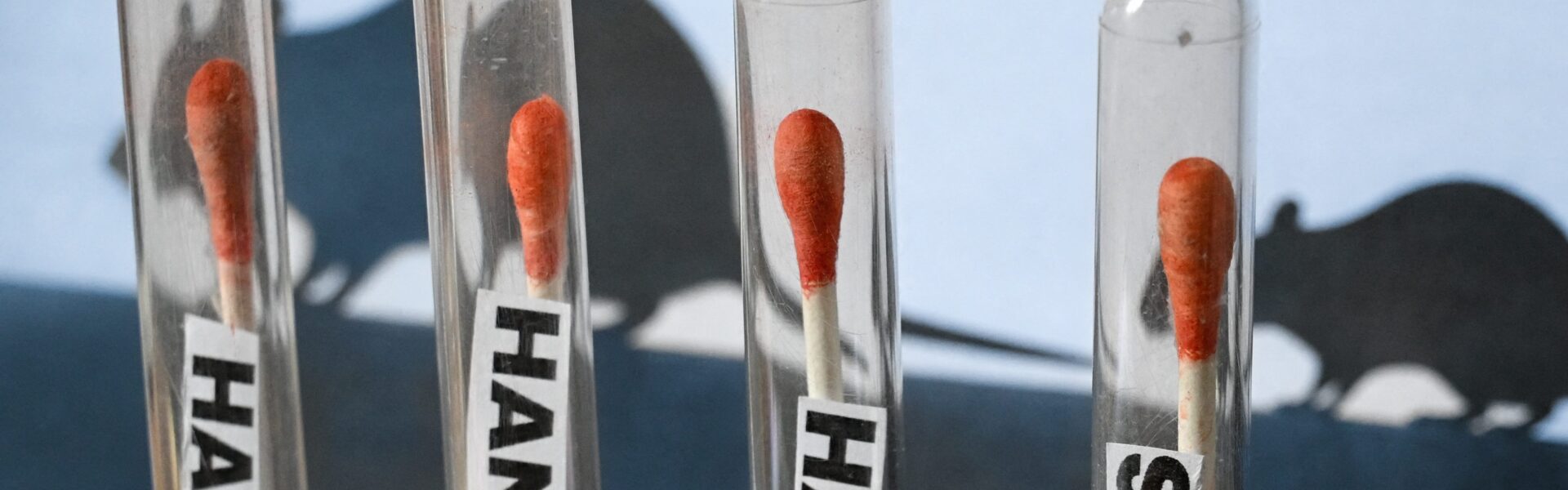

Ever since the world recovered from the COVID-19 pandemic, any viral outbreak tends to cause concern. Now that a hantavirus outbreak — specifically the Andes virus — has been discovered on a cruise ship, Americans are concerned that any infected passengers could spread it. So, is the virus in the U.S.?
Below, learn about the 2026 outbreak of hantavirus and what it means for Americans.
Key Insights
- Hantavirus Overview: Hantavirus is a rare virus that can lead to severe respiratory issues.
- Current Situation: The Andes virus has been detected on a cruise ship, raising concerns among Americans.
- Vaccine Status: There is currently no FDA-approved vaccine for hantavirus.
- Transmission: Hantavirus spreads primarily through contact with infected rodent fluids.
What Is Hantavirus?
Hantavirus is a rare and potentially fatal virus. If a person contracts the disease, it can cause serious conditions, with the most common being hantavirus pulmonary syndrome (HPS), which usually begins with flu-like symptoms before it develops into severe respiratory issues.
BREAKING: The head of the World Health Organisation says eight cases of the hantavirus have been reported – that’s five confirmed and three suspected cases.https://t.co/GFhZZwiCcE
Sky 501 pic.twitter.com/tHYnNzqRnb
— Sky News (@SkyNews) May 7, 2026
Though hantavirus cases are rare, people around the world are still concerned about the recent discovery aboard the MV Hondius cruise ship.
Last year, Gene Hackman‘s late wife, Betsy Arakawa, died from hantavirus pulmonary syndrome. She was 65.
Is There a Hantavirus Vaccine?
No. There is no FDA-approved hantavirus vaccine.
“Hantaviruses are a group of viruses carried by rodents that can cause severe disease in humans.
People are usually infected through contact with infected rodents or their urine, droppings or saliva.
The species of hantavirus involved in this case is the Andes virus – which is…
— World Health Organization (WHO) (@WHO) May 7, 2026
Is the Hantavirus Contagious? How it Spreads
Hantavirus usually spreads through direct contact with infected rodent fluids, such as urine, droppings or saliva, according to the World Health Organization (WHO) and the Centers for Disease Control and Prevention (CDC). It can also spread through a scratch or a bite from a rodent, per the CDC, though it’s rare, or if a person breathes in contaminated air from the rodent droppings.
However, the Andes Hantavirus is known for possibly transmitting from person to person. This type of virus is primarily found in Chile and Argentina, which is where the MV Hondius cruise ship came from.
Is the Hantavirus in the U.S.?
In general, yes — hantavirus cases have been present throughout the U.S. for years. Most cases in the Western Hemisphere are hantavirus pulmonary syndrome.
As of May 2026, a handful of American passengers who were on board the MV Hondius are being monitored for hantavirus symptoms.
According to NBC News reporting, passengers who disembarked from the cruise ship traveled back to Texas, Georgia, Arizona, Virginia and California.
Is There a Hantavirus Epidemic?
No. At the time of publication, the WHO has not declared this outbreak of hantavirus an epidemic. During a May 2026 WHO briefing, Dr. Maria Van Kerkhove emphasized that hantavirus is different from coronaviruses, specifically SARS-CoV-2, which we experienced during the COVID-19 pandemic.
“I want to be unequivocal here: this is not SARS-CoV-2. This is not the start of a COVID pandemic,” she said. “This is an outbreak that we see on a ship (and) there’s a confined area. … But this is not the same situation we were in six years ago.”








